From Greece's Koulouri to California's Bagel
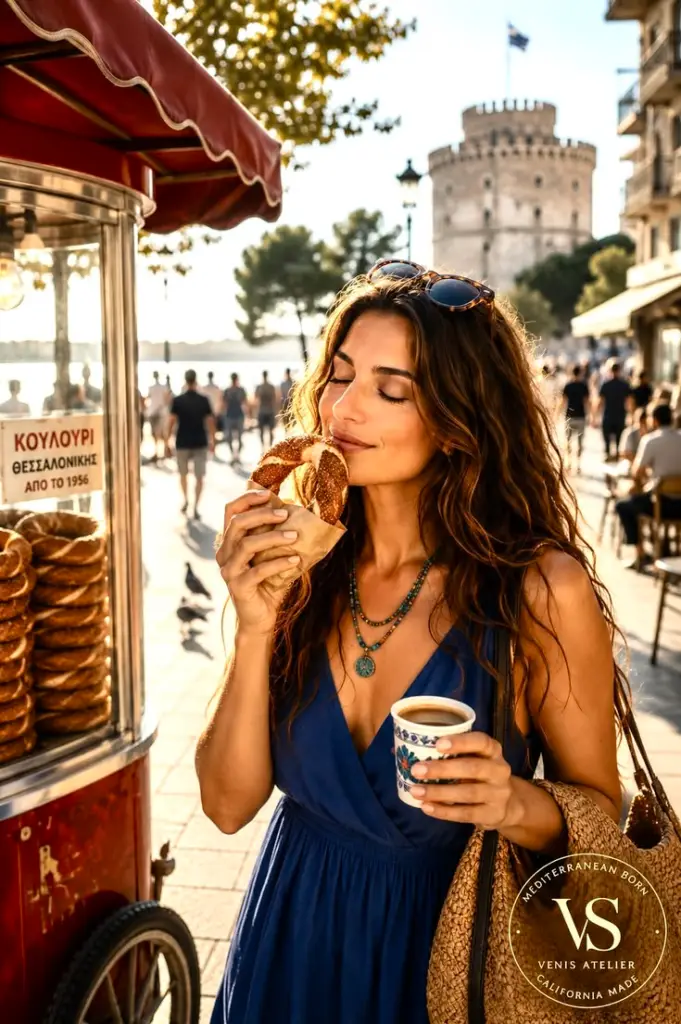
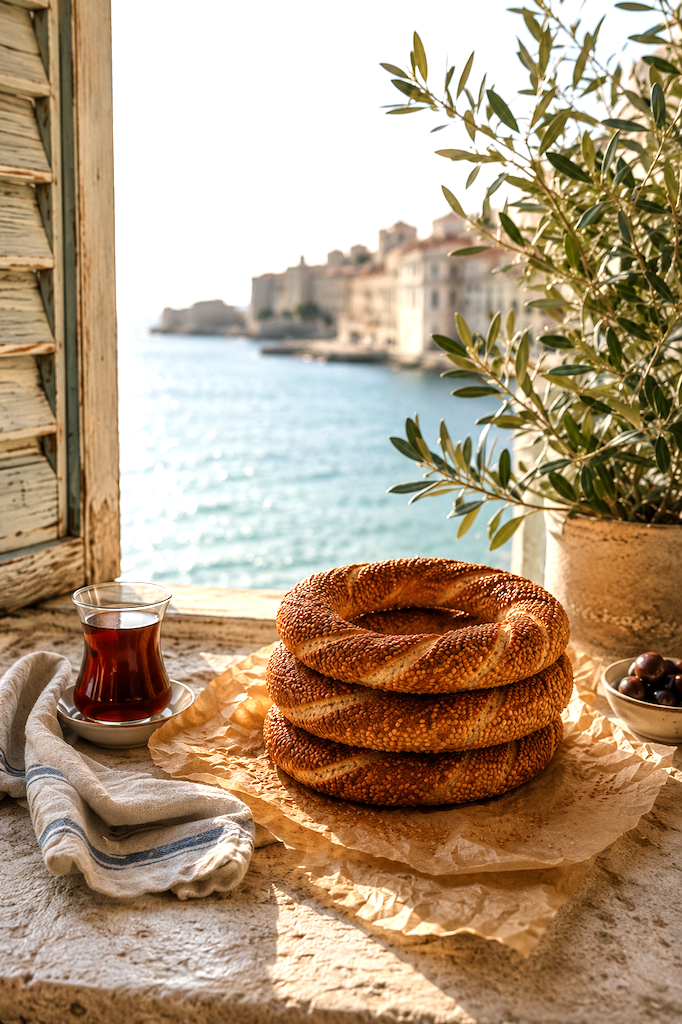
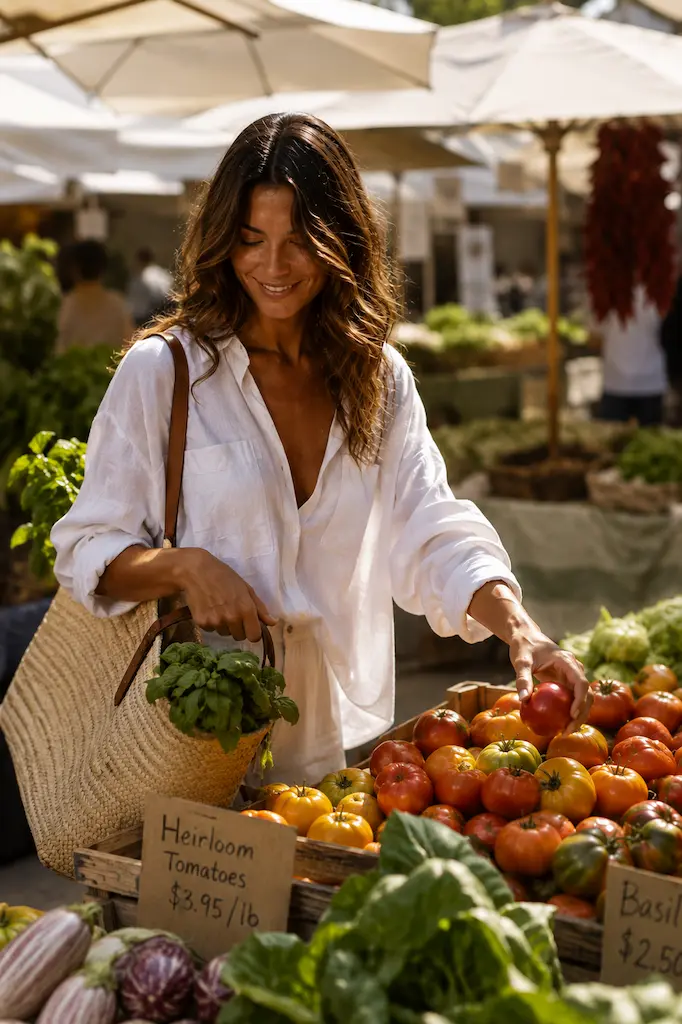
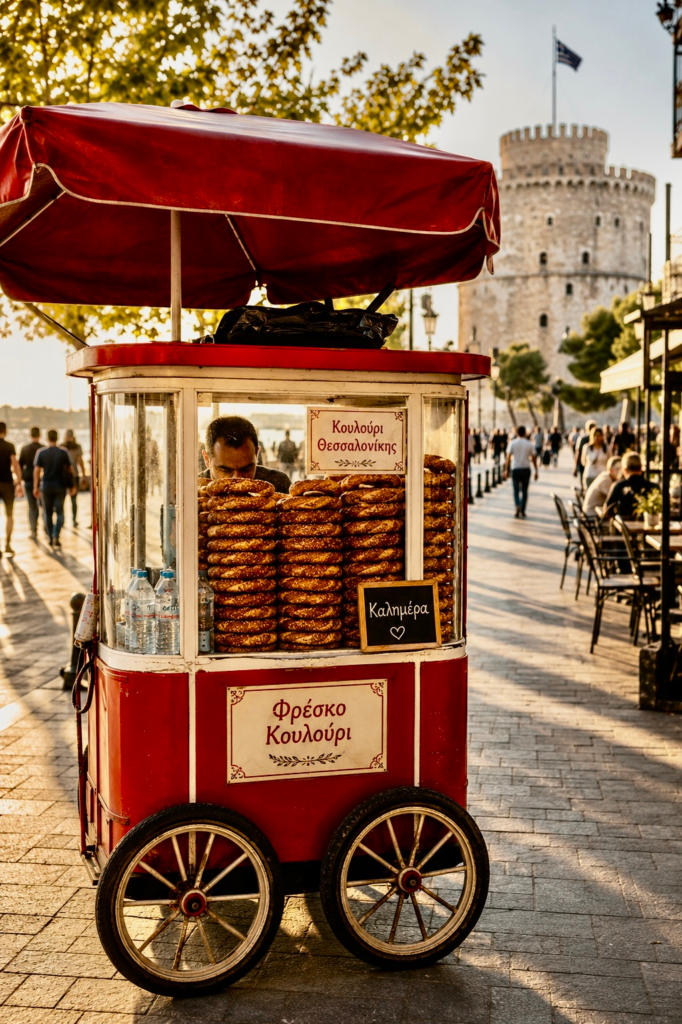
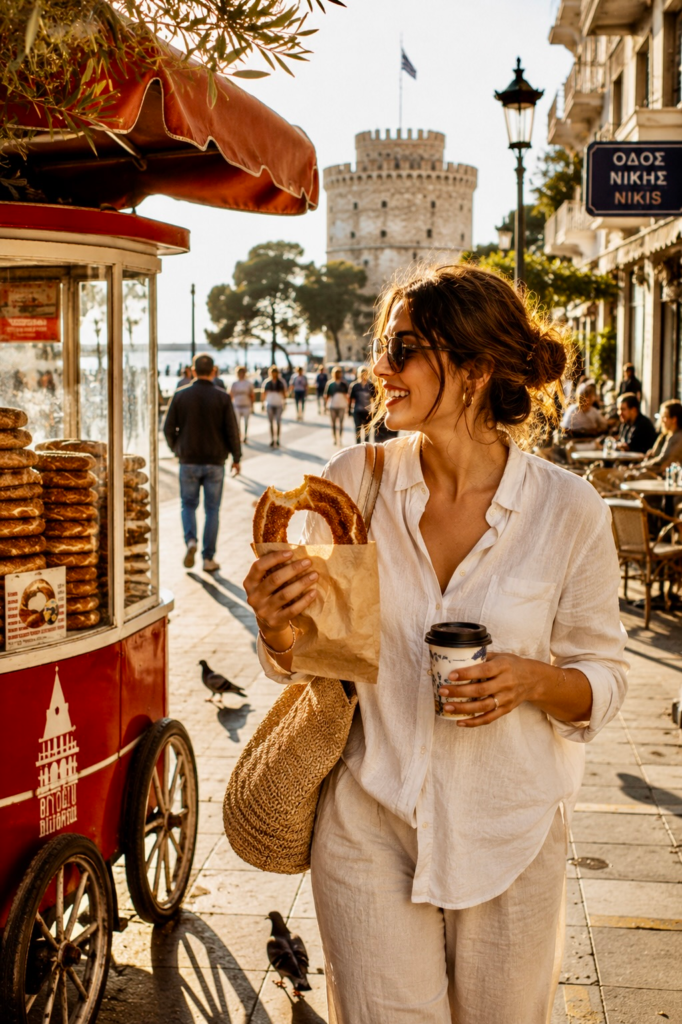
Walk through almost any city in the world before breakfast and you’ll notice something curious. Somewhere, someone is carrying a ring of bread. In New York and much of California, it’s usually a bagel. In Greece, it’s a warm koulouri coated in sesame seeds. Cross into Turkey and you’ll find its close cousin, simit, stacked high outside neighborhood bakeries before the sun has properly risen. Different names. Different histories. Remarkably similar idea.
It raises an oddly satisfying question. Why are so many of the world’s favorite breads shaped like a circle? Part of the answer is wonderfully practical. A ring bakes evenly, is easy to carry, and — long before paper bags and cafés — could be threaded onto a wooden pole by street vendors. One baker could carry dozens through busy streets without crushing a single loaf. Sometimes the world’s most iconic foods exist simply because someone solved an everyday problem.
For centuries, koulouri has been the unofficial breakfast of Greece. Its origins reach back through Byzantine history before becoming woven into everyday life across the Eastern Mediterranean. Long before speciality coffee arrived, people were already beginning their mornings with a sesame ring tucked under one arm and a hot drink in the other.
The ritual hasn’t changed very much. In Thessaloniki, bakery windows fill before sunrise. In Athens, commuters still stop for a freshly baked koulouri on their way to work. Across the Aegean in Istanbul, simit sellers carefully arrange golden rings into towering displays that have become as familiar to the city as its ferries and mosques.
In cities like Thessaloniki, Athens, and Istanbul, the aroma of freshly baked sesame rings drifts through the streets before sunrise. Bakery windows fill with stacks of warm bread, while commuters hurry to work with a coffee in one hand and a sesame ring in the other. It is breakfast at its most uncomplicated—and perhaps most satisfying.
The beauty of koulouri and simit lies in their simplicity. Crisp on the outside, soft and chewy within, they require no elaborate toppings or presentation. A piece of cheese, a few olives, a cup of tea, or simply nothing at all is enough. Yet these sesame-covered rings represent more than breakfast. They are part of a slower rhythm of life that still survives in many Mediterranean communities. A quick stop at the bakery becomes a daily ritual. Familiar faces exchange greetings. Neighbors pause for conversation. The day begins not with urgency, but with a small moment of connection. Perhaps that is why koulouri and simit have endured for generations. In a world that constantly seeks the next trend, they remind us that some pleasures never need improving.
A warm sesame ring. A morning coffee. A few quiet minutes before the day begins. Sometimes the simplest rituals become the most memorable.
FLAVORS
Continue your seasonal journey with ingredients, kitchen essentials, and culinary traditions inspired by California and the Mediterranean.
Discover the Story of Thessaloniki’s Koulouri
This official tourism page explains the history of Greece’s iconic sesame bread ring and why it has become the city’s signature breakfast. Thessaloniki Tourism – Koulouri of Thessaloniki
The City in the Morning – Visit Thessaloniki
A charming guide to how locals begin the day—with coffee, koulouri, and the relaxed rhythm that inspired your article. The City in the Morning – Visit Thessaloniki
UNESCO Creative City of Gastronomy – Food Stories Guide
A wonderful resource featuring the story of Koulouri Thessalonikis alongside other traditional foods that define the city’s culinary heritage. UNESCO Creative City of Gastronomy – Food Stories Guide
CONTINUE EXPLORING
Inspired by this story? Continue your journey with Could You Tell California from the Mediterranean With Your Eyes Closed? →