Where Mediterranean Living Meets the California Coast

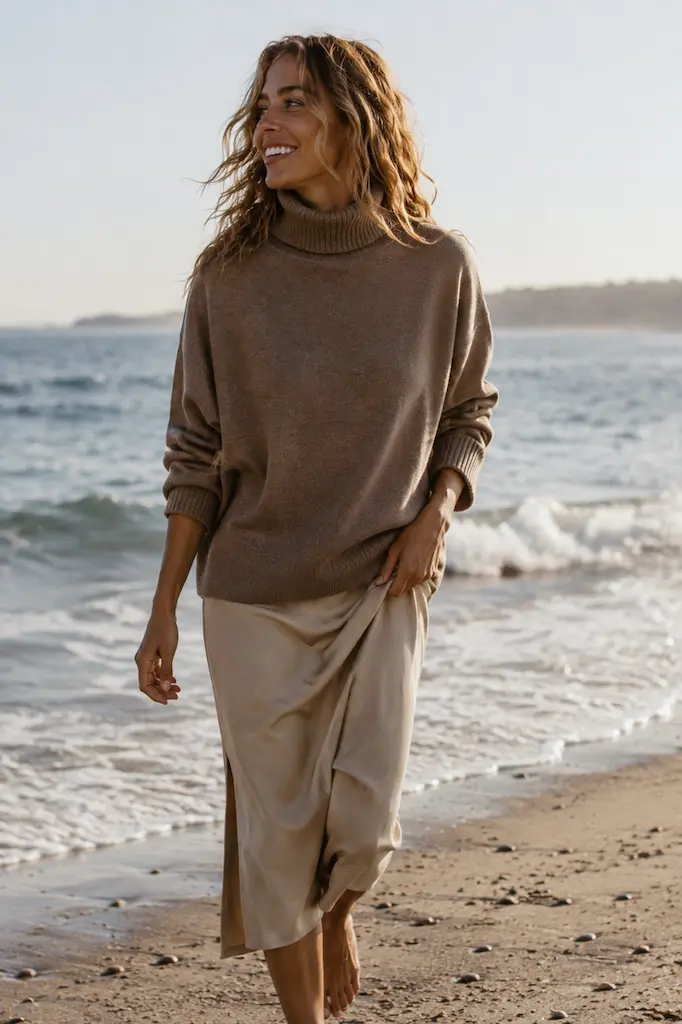
The most memorable clothes usually contain a small disagreement. A satin skirt appears beneath a substantial knit. Delicate lace meets washed denim. A tailored jacket is worn with linen trousers that have no intention of holding a crease past lunch. These pieces do not match in the traditional sense. One is polished, the other relaxed. One catches the light; the other looks better after years of use. Together, they create something more interesting than either could manage alone. A perfectly coordinated outfit can be elegant. It can also look as though the mannequin made all the decisions. Caliterranean™ Style introduces one beautiful disruption: something familiar beside something refined, something weathered beside something precise, or something made for evening worn confidently before noon. This is the art of the unmatched match.
What Is Caliterranean™ Style?
Caliterranean™ Style is the meeting point between California’s relaxed approach to dressing and the Mediterranean belief that craftsmanship belongs in everyday life. It combines natural materials, expressive texture and well-made clothing with informal silhouettes, practical layers and the freedom to wear beautiful pieces without waiting for an appropriately important occasion.
It is not a costume assembled from white linen, raffia and several strategically placed lemons. Nor is it resort wear permanently waiting beside an infinity pool. Caliterranean Style begins with how people actually live near the coast: moving between indoors and outside, dressing through changing temperatures, walking rather than merely arriving, and allowing lunch to become an afternoon without first consulting the wardrobe. The philosophy is built on balance, but not perfect balance. Comfort keeps refinement from becoming stiff; craftsmanship keeps comfort from becoming careless. The outfit works precisely because its elements do not agree too enthusiastically.
Climate Comes Before Fashion
California and the Mediterranean are not identical, and neither possesses one uniform climate or way of dressing. Yet many communities along their coasts share dry summers, strong sunlight, cooler evenings, salt air and long periods of life conducted outdoors. Those conditions shape clothing before fashion begins making suggestions.
A wardrobe designed for this rhythm must adjust without announcing every adjustment. A shirt becomes a light jacket. Sleeves are rolled up and later rolled down. A knit rests across the shoulders until the air cools, while shoes must survive pavement, markets, gravel paths and the occasional optimistic decision to walk farther than planned. This helps explain the importance of linen, cotton, denim, silk, fine knits, canvas and woven plant fibers within coastal dressing. These materials do not merely produce a picturesque palette. They breathe, layer, soften, move and acquire character through use. The result is not an outfit designed for a single photographed moment. It is clothing expected to participate in the entire day.
Where California Meets the Mediterranean
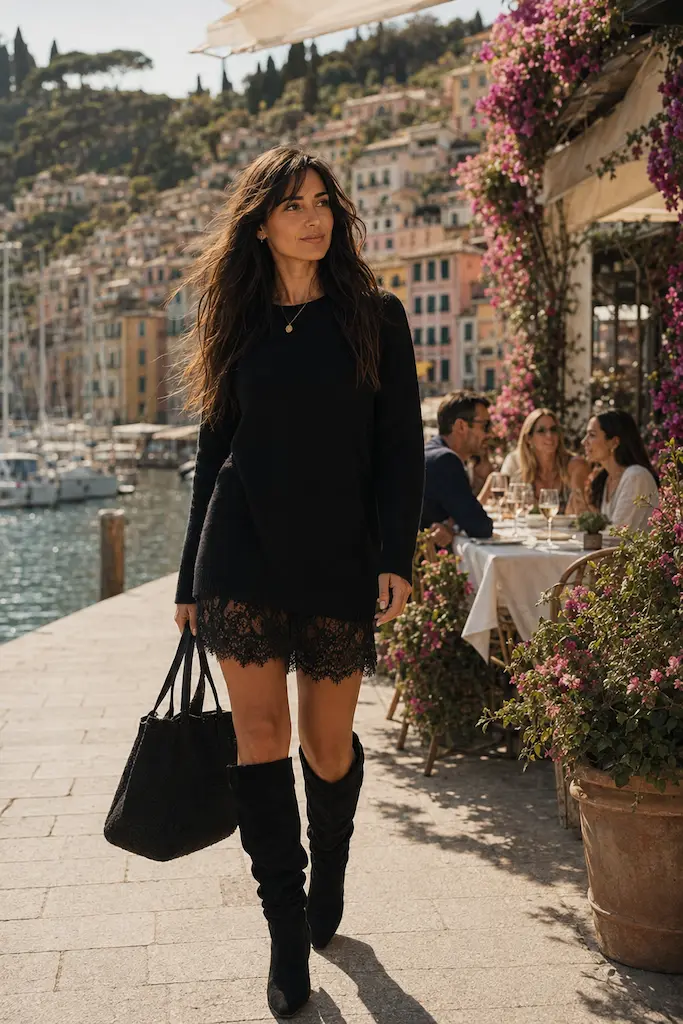
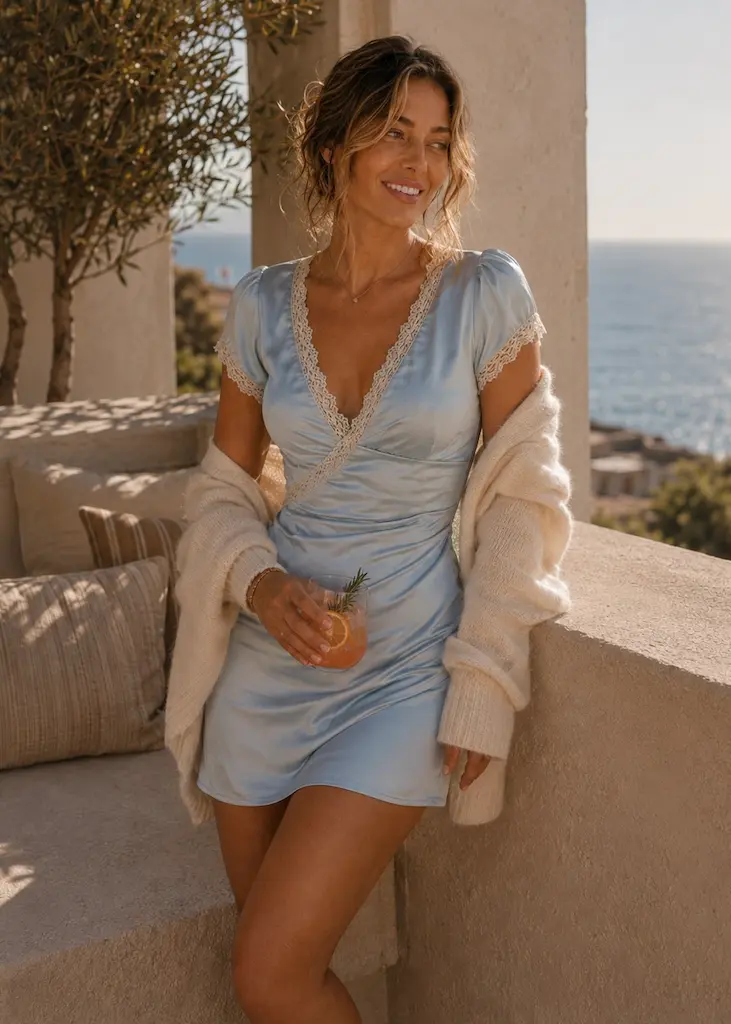
It would be convenient to say that California contributes comfort while the Mediterranean supplies elegance. It would also be too simple. California has its own traditions of craftsmanship and refinement, just as Mediterranean wardrobes contain workwear, cotton shirts, practical sandals and clothes chosen for heat rather than ceremony. The difference is often found in how each culture removes formality. California tends to relax clothing through silhouette and styling: looser proportions, open collars, familiar fabrics and pieces worn with fewer rules. Mediterranean dressing often relaxes clothing through use: an embroidered blouse is worn to the market, fine knitwear travels to the beach, and a beautifully cut jacket is not saved until someone produces an invitation.
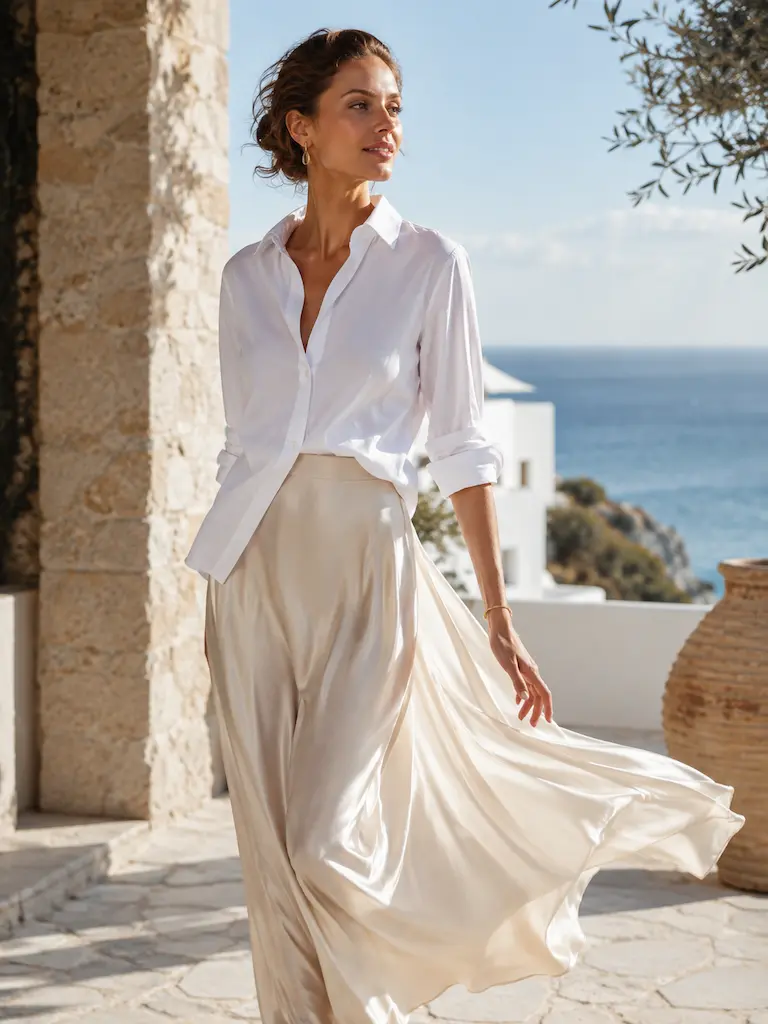
Caliterranean Style borrows both instincts. It takes the California refusal to be intimidated by clothing and combines it with the Mediterranean refusal to believe that beautiful workmanship should remain protected from ordinary life. A silk skirt need not wait for dinner. Tailoring does not require a boardroom, and espadrilles have been negotiating between elegance and difficult pavement for generations. The clothes retain their character; only the ceremony surrounding them disappears.
The Outfit Should Not Agree Too Much
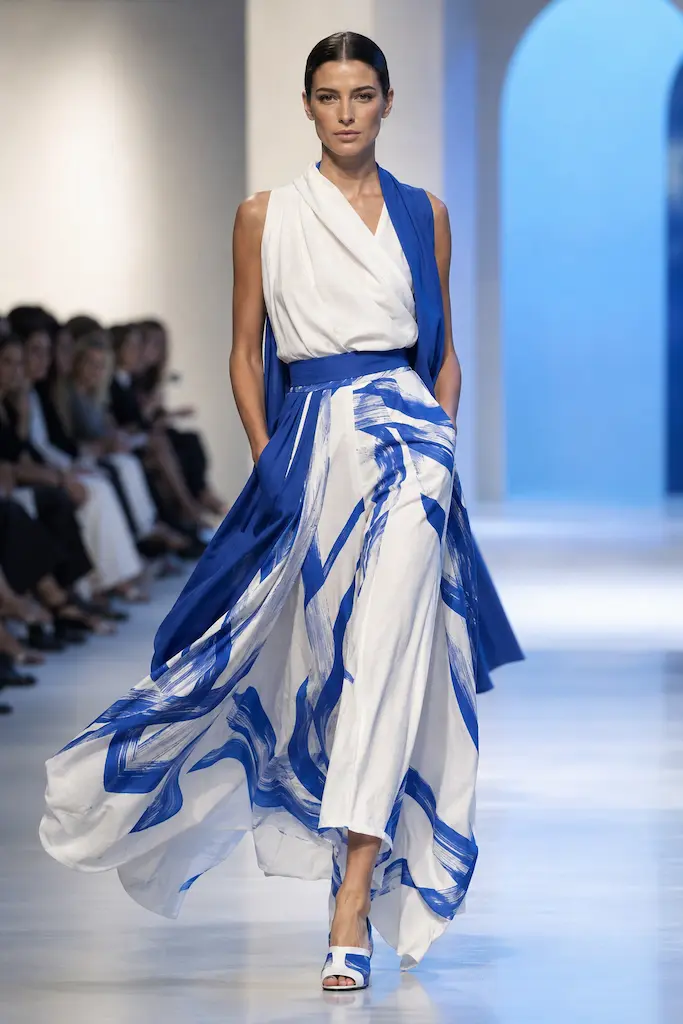
Traditional coordination encouraged clothes to remain within their assigned levels of formality. Shoes matched handbags, fabrics matched occasions, and evening pieces kept a polite distance from anything that might be mistaken for workwear. The unmatched match ignores those divisions and asks a better question: what happens when two different kinds of beauty are allowed into the same outfit? A fluid satin skirt beneath a substantial sweater works because the materials react differently to the body and light. The knit is matte, tactile and grounding; the satin moves and glows. Each prevents the other from becoming predictable.
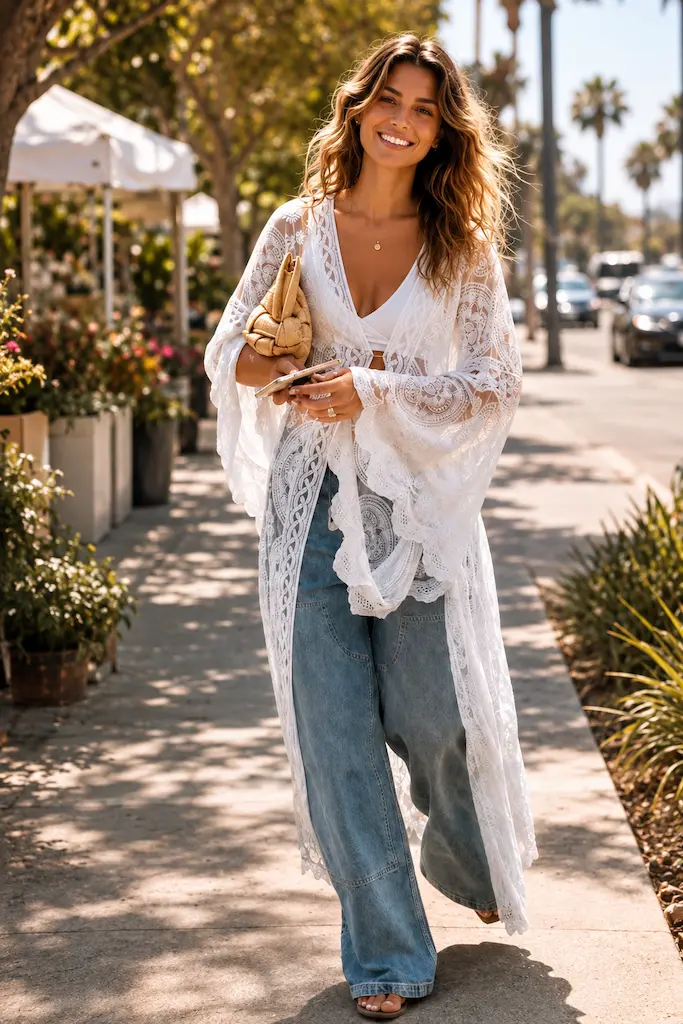
Lace and denim create a similar exchange. Lace carries delicacy, labor and associations of ceremony, while denim is durable, democratic and familiar. Worn together, the denim saves the lace from looking theatrical, and the lace reminds denim that it is perfectly capable of attending dinner. This is not conventional high-low dressing. Price and prestige are almost irrelevant. The meaningful contrast is between character: polished beside weathered, intricate beside ordinary, luminous beside matte and disciplined beside relaxed. The outfit should contain tension, but it should not look like an argument. One surprising relationship is enough.
The Caliterranean Combinations
Silk With Denim
Silk brings movement, softness and light. Denim contributes structure and familiarity. A silk blouse with faded jeans feels luxurious without appearing precious, while a satin camisole beneath a denim jacket gives both pieces a reason to be noticed again. The combination works best when the denim looks naturally softened rather than aggressively destroyed. The objective is ease, not evidence that the jeans survived a minor maritime disaster. Allow the fabrics to provide the contrast without adding distressed hems, decorative hardware and several competing ideas.
A Fine Knit With Satin
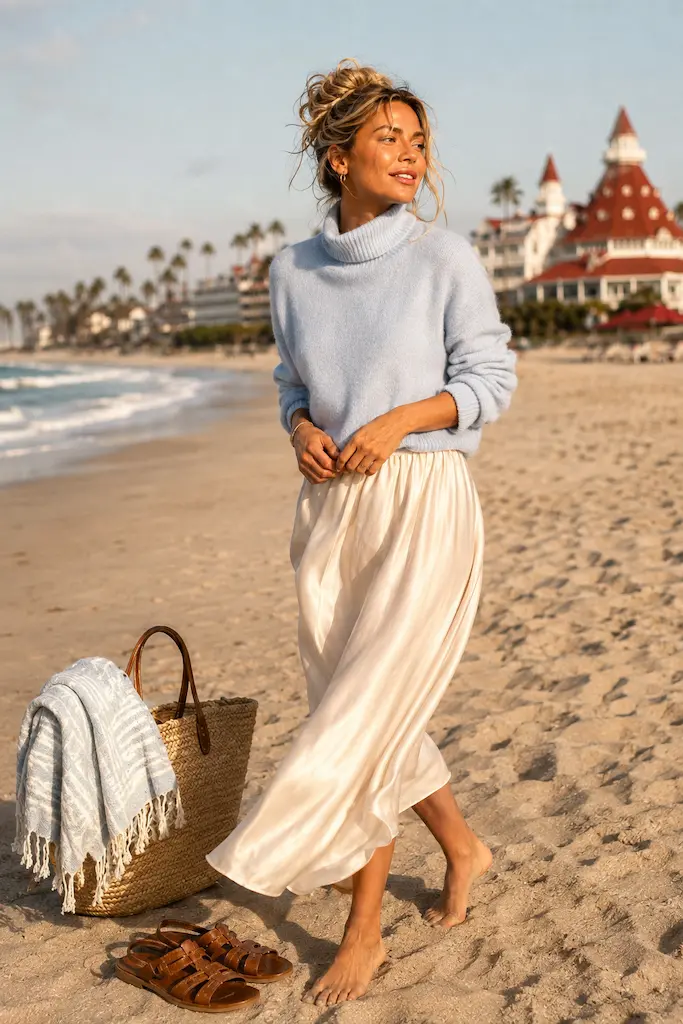
A soft knit and satin may both feel luxurious, but they speak entirely different languages. The knit offers warmth, texture and weight, while satin remains cool, fluid and responsive to light. An oversized sweater grounds a satin skirt; the skirt prevents the knit from becoming merely cozy. This pairing feels particularly natural near the coast, where the temperature can change before the plans do. The knit belongs to the cool morning, the skirt catches the afternoon light, and together they remain appropriate when coffee unexpectedly becomes dinner.
Lace With Something Ordinary
Lace becomes more compelling when it is not treated too carefully. A lace blouse with relaxed jeans, a delicate camisole beneath a simple cardigan, or an embroidered layer over a white T-shirt allows the craftsmanship to remain visible without turning the wearer into a historical reenactment. Proportion matters here. The more intricate the lace or embroidery, the quieter the accompanying piece should become. Let the workmanship speak; it does not require a supporting choir.
Tailoring With Linen
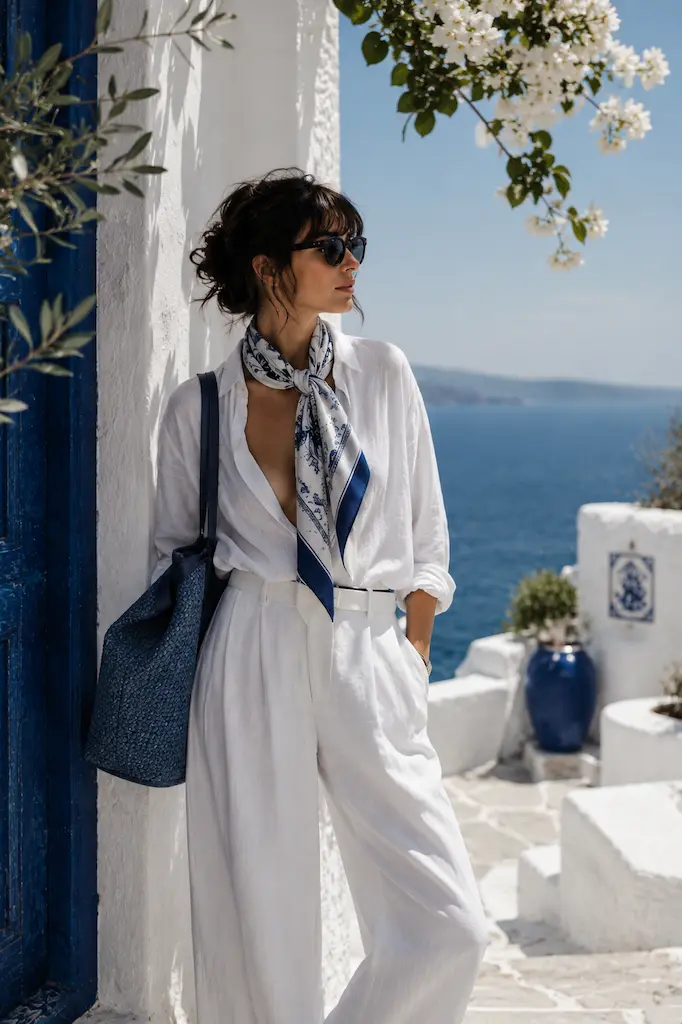
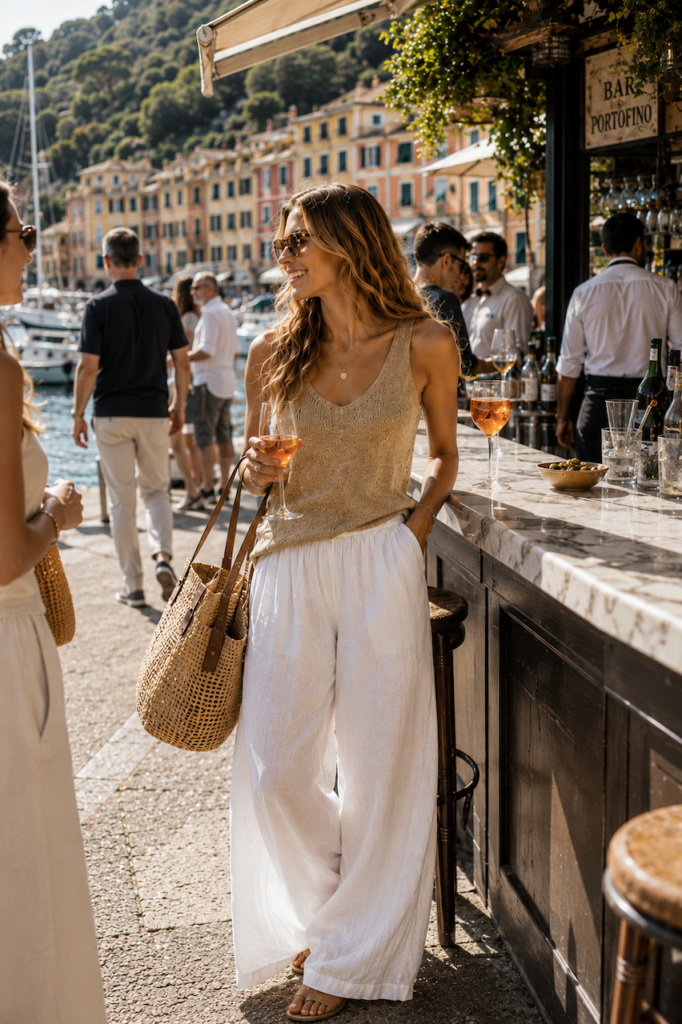
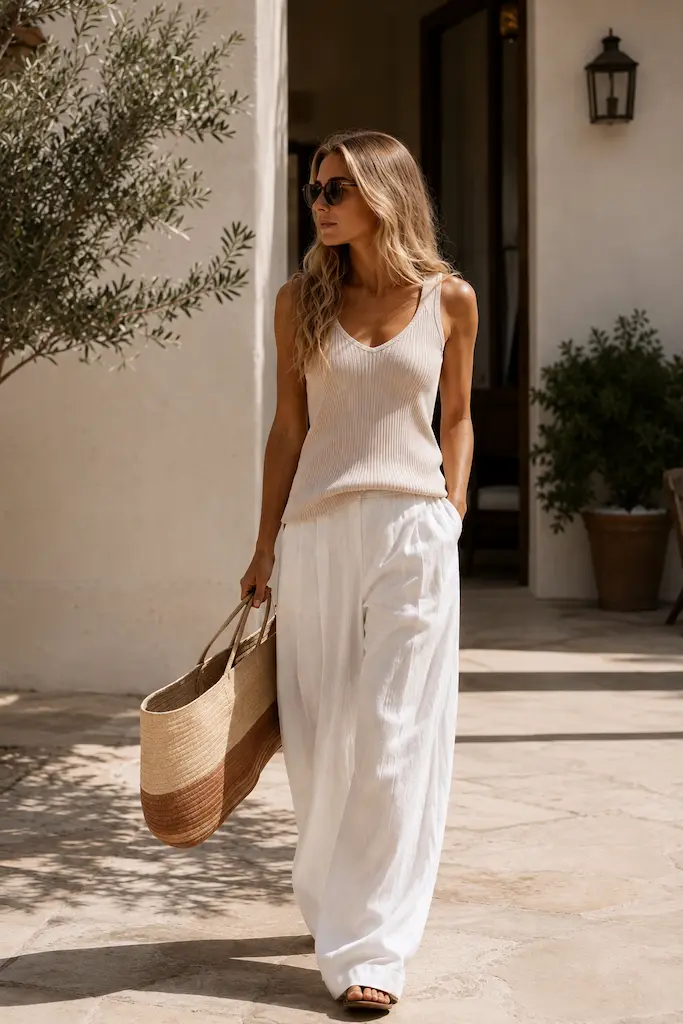
Tailoring brings discipline. Linen immediately begins negotiating the terms. A structured jacket over loose linen trousers contains just enough disagreement to feel modern: the jacket provides shape while the linen supplies movement, air and the inevitable crease. That crease is not a flaw. It is proof that the clothes have participated in the day. Caliterranean Style is less interested in maintaining an untouched appearance than in allowing good clothing to become more personal through wear. California often softens tailoring through proportion and gesture—an open collar, rolled sleeves, flat shoes or an unstructured bag. Mediterranean tailoring frequently achieves the same ease through fabric: washed linen, lighter construction and jackets designed for warmth rather than boardrooms.
The One Beautiful Disruption
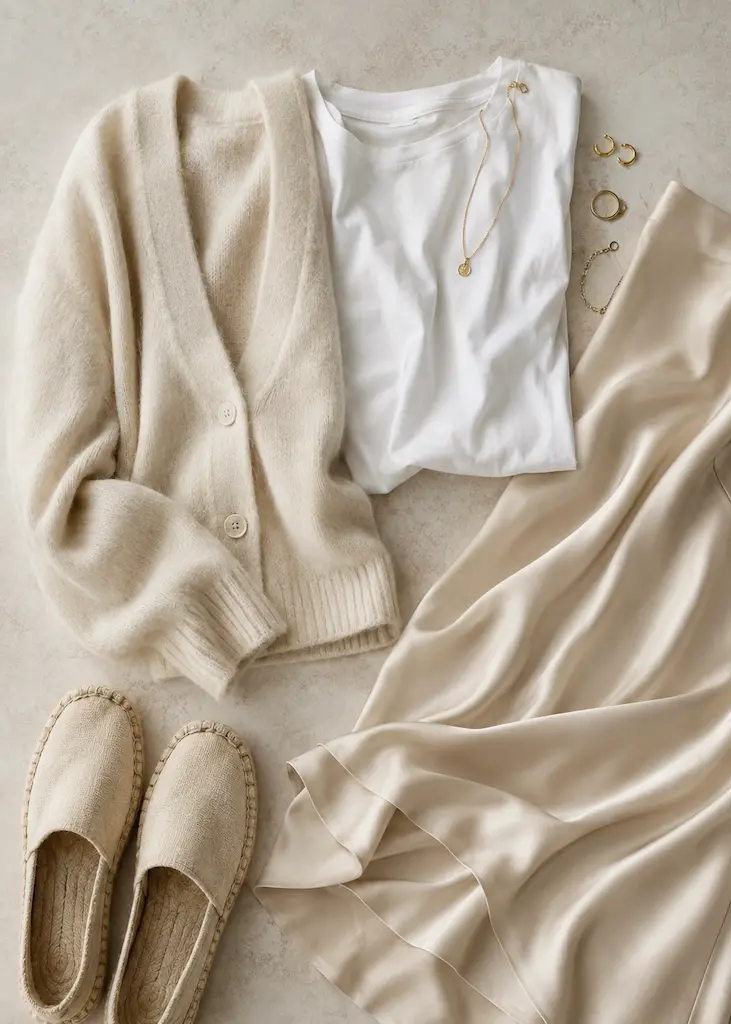
The practical formula is simple: begin with an outfit that feels natural, then introduce one element that is finer, more luminous, more structured or more intricate than everything around it. That interruption might be a satin skirt with a white T-shirt, an embroidered blouse with denim, a tailored jacket over softened linen or a delicate scarf tied around the handle of a woven market basket. Only one element needs to create the disruption. When everything is silk, lace, embroidery, jewelry and shine, the tension disappears beneath the effort. When every piece is deliberately casual, there is nothing unexpected for the eye to discover. The unmatched match does not dress an important piece down. It gives elegance somewhere real to go.
Clothes for an Entire Day
The clearest test of Caliterranean Style is not how an outfit appears while standing in front of a mirror. It is whether the clothes can move through an actual day: morning coffee, errands through town, lunch outdoors, a walk near the water and an evening that lasted longer than expected. This does not mean every garment must be neutral, minimal or endlessly practical. It means that beauty should remain compatible with movement. A skirt can catch the light without requiring a chauffeur; a jacket can be beautifully cut without making its wearer sit unnaturally straight through lunch.
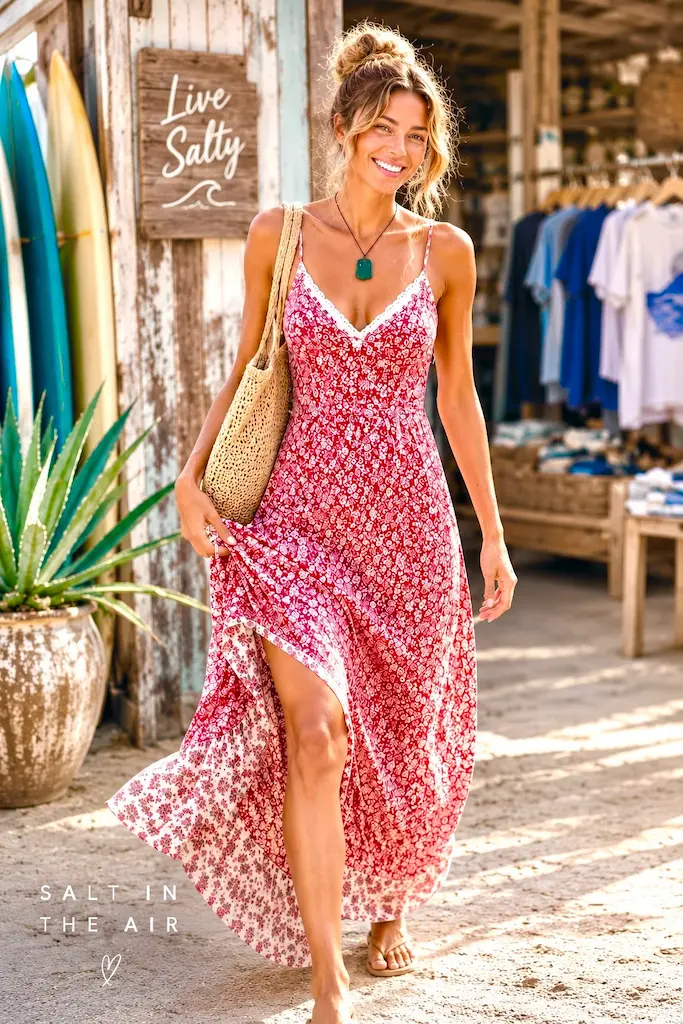
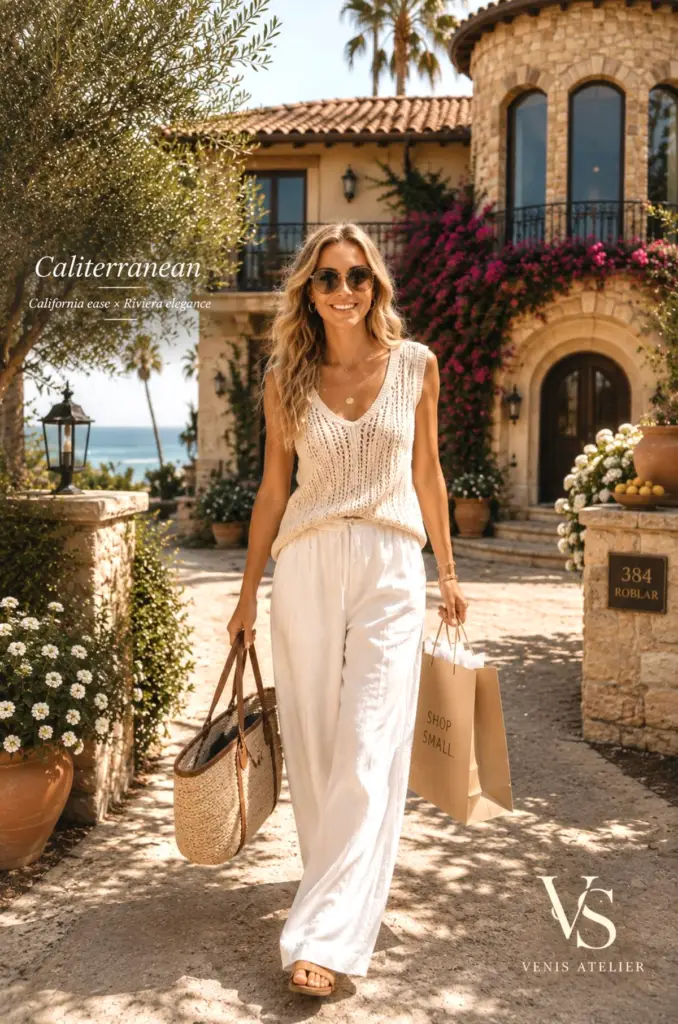
Accessories follow the same principle. A woven basket carries flowers, bread, sunglasses and the sweater removed at noon. A cotton scarf handles wind before adding color, while comfortable non-leather sandals or espadrilles allow the day to continue on foot. Nothing is added merely to complete a prescribed look. Every piece contributes beauty, usefulness or preferably both.
A Philosophy, Not Another Coastal Uniform
Caliterranean Style is not defined by owning the correct twelve garments. It cannot be reduced to a color chart, a linen shirt or a basket placed photogenically beside a market stall. Those pieces may belong within it, but they are evidence of the philosophy rather than the philosophy itself. Its foundation is climate, movement, material and use. It favors clothing that breathes, craftsmanship that can withstand daily life and elegance that does not collapse when removed from formal surroundings. It accepts that comfort and refinement are not opposing destinations but qualities capable of sharing the same outfit.
Most importantly, it leaves room for the person wearing the clothes. Perfect coordination can overwhelm individuality because nothing appears accidental, inherited, softened or personally chosen. The unmatched match restores that human element by allowing one piece to interrupt the plan. A wardrobe built this way becomes more versatile without becoming larger. The satin skirt is no longer limited to evening, the tailored jacket leaves the office, lace escapes ceremony, and denim gains more interesting company. Clothes stop waiting for the right occasion and begin creating possibilities within ordinary ones.
That is the deeper Caliterranean instinct. Beautiful things are not reserved for perfect rooms, important dinners or carefully arranged weekends. They are worn for coffee near the water, a walk through town, lunch in a courtyard and an afternoon that may or may not turn into evening. Caliterranean Style does not ask elegance to become casual. It simply invites elegance to take off its shoes.
Continue the Journey
How do you build a Caliterranean™ wardrobe? Discover the principles behind dressing with natural fabrics, timeless silhouettes, coastal colours, and the effortless elegance shared by California and the Mediterranean. Continue the journey with Caliterranean™ Style, a beautifully designed 32-page digital journal exploring the philosophy, wardrobe essentials, color palette, fabrics, and timeless pieces that define life on both shores. Explore the Journal →
CONTINUE EXPLORING
Inspired by this story? Continue your journey with California Cotton, Mediterranean Silk