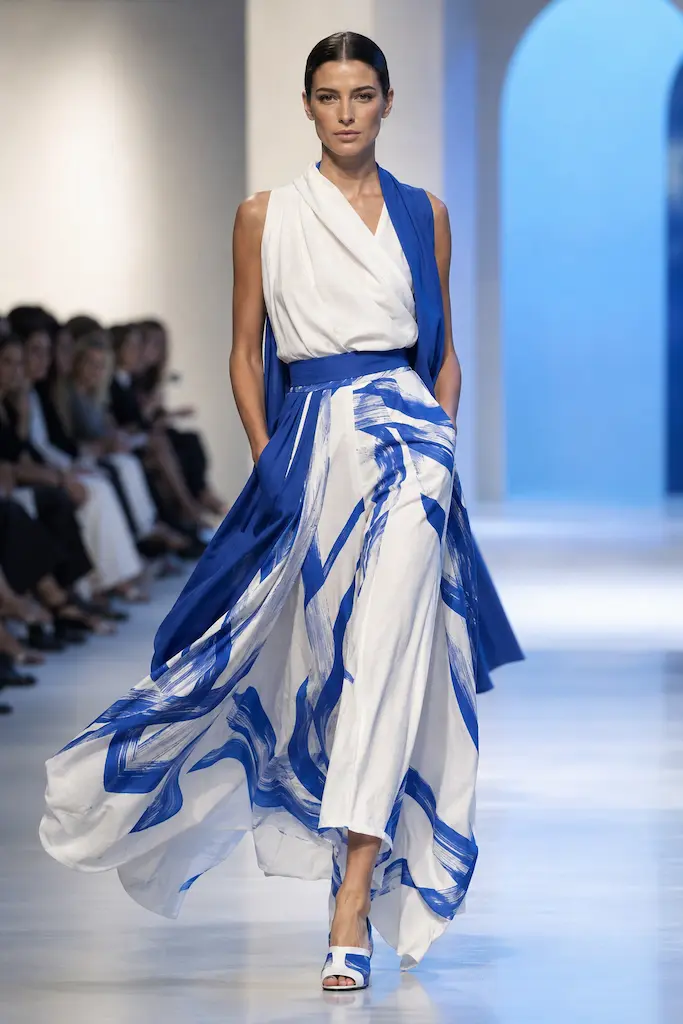
From Rope Sole to Riviera Wardrobe

Some shoes survive because fashion keeps reinventing them. The espadrille has achieved something arguably more impressive: fashion keeps trying to reinvent it, and the original idea keeps refusing to become obsolete.
Every summer it returns with almost suspicious reliability. Designers change the height, color, fabric, toe shape and occasionally the price to a degree its earliest makers would have found hilarious. Yet beneath all that intervention sits essentially the same proposition: a textile upper attached to a braided plant-fiber sole. For a shoe with centuries behind it, that is remarkably little redesign.
The exact birthday of the espadrille is less tidy than fashion history sometimes suggests. Claims stretching back to medieval Spain are repeated often, but the documentary trail becomes much firmer later. What is certain is that rope-soled shoes became deeply established around the Pyrenees and in parts of Spain and southern France. Even the word carries the material history with it: the French espadrille came through Provençal espardillo, ultimately referring to the grasses and fibers used for rope-making.
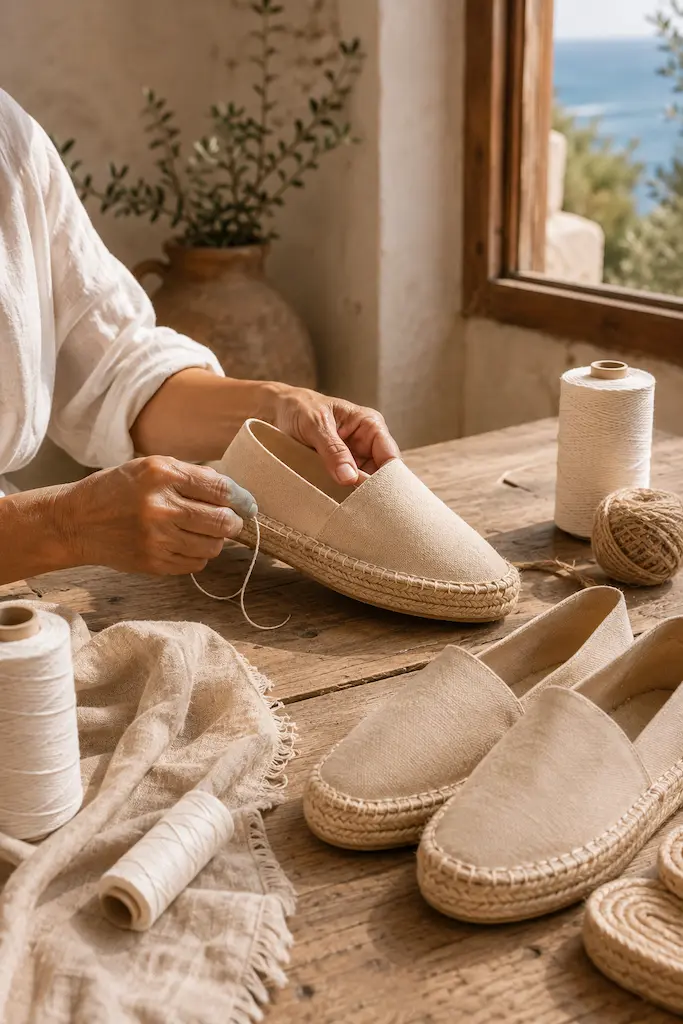
And rope was the whole point. Traditional espadrilles could use soles plaited from hemp, esparto or, later, jute, with a comparatively simple fabric upper sewn onto them. The Museu de l’Espardenya in Banyeres de Mariola, a town once known for espadrille production, preserves the tools and stages of that trade: fiber, plaited sole, canvas, wooden lasts, awls, hammers and hand stitching. It is footwear reduced almost to engineering shorthand. Foot. Fiber. Fabric. Done.
That simplicity made the shoe inexpensive, flexible and useful, which is why its early history belongs less to wardrobes than to work. Espadrilles were everyday footwear in communities where shoes had to tolerate heat, movement and repeated use without requiring particularly delicate treatment. There was no need to call them “effortless.” Nobody had yet invented lifestyle marketing.
What matters now is that the design solved its problem unusually well. The braided sole was light. The fabric upper was uncomplicated. Materials could be repaired and production adapted locally. Nothing about the shoe required it to become an icon. It merely needed to work.
Fashion has a weakness for objects like this. First it overlooks them. Then it discovers them. Finally it behaves as though the discovery was its own idea.

The espadrille’s transformation accelerated when a practical regional shoe met twentieth-century fashion, but the most useful part of that story is not that glamour replaced utility. It didn’t. Glamour simply learned to work with the existing construction.
Castañer offers one of the clearest examples. The company opened its first workshop in Banyoles in 1927 and helped industrialize espadrille production. Remarkably, it says some of the braiding machinery developed for its workshops nearly a century ago remains in use, while its current process still begins with jute fibers, braiding and shaping the rope into the familiar sole. Fashion technology moves quickly; apparently nobody informed the espadrille.
Then came 1970. According to Castañer’s own chronology, the company met Yves Saint Laurent that year and together developed the first wedge espadrille. It sounds like a small modification—put the rope sole on an incline—but it altered the social identity of the shoe. The espadrille could now enter a fashion collection without pretending not to be an espadrille. The jute remained visible. The construction remained recognizable. Only its altitude had changed.
That distinction matters. Many objects become fashionable by disguising their humble origins. The espadrille did almost the opposite. Designers exaggerated the heel, wrapped ties around the ankle, changed proportions, introduced new textiles and moved the shoe from ordinary shops to international runways. But the braided sole—the very feature inherited from practical footwear—became the thing everyone wanted to see. And that may explain why attempts to modernize the espadrille rarely make the old version look obsolete.
Consider what usually happens to footwear. Technology arrives promising more cushioning, lighter construction, complicated foams, engineered support and materials with names that sound vaguely capable of surviving re-entry into Earth’s atmosphere. The espadrille sits nearby with rope underneath it. Still here. Its survival is not proof that ancient things are automatically better. Plenty of historical footwear disappeared for excellent reasons. The interesting point is that the espadrille contains very little that needs improvement for the particular job it performs. It is lightweight summer footwear made from a small number of recognizable components. Add too much technology and it stops being the thing people wanted in the first place.
That also separates it from fashion’s familiar idea of “timelessness,” a word now applied generously to anything beige that survives two seasons. The espadrille has actually been tested by time. Its essential construction persisted through industrialization, mass production, luxury fashion and a century of designers being professionally unable to leave anything alone.

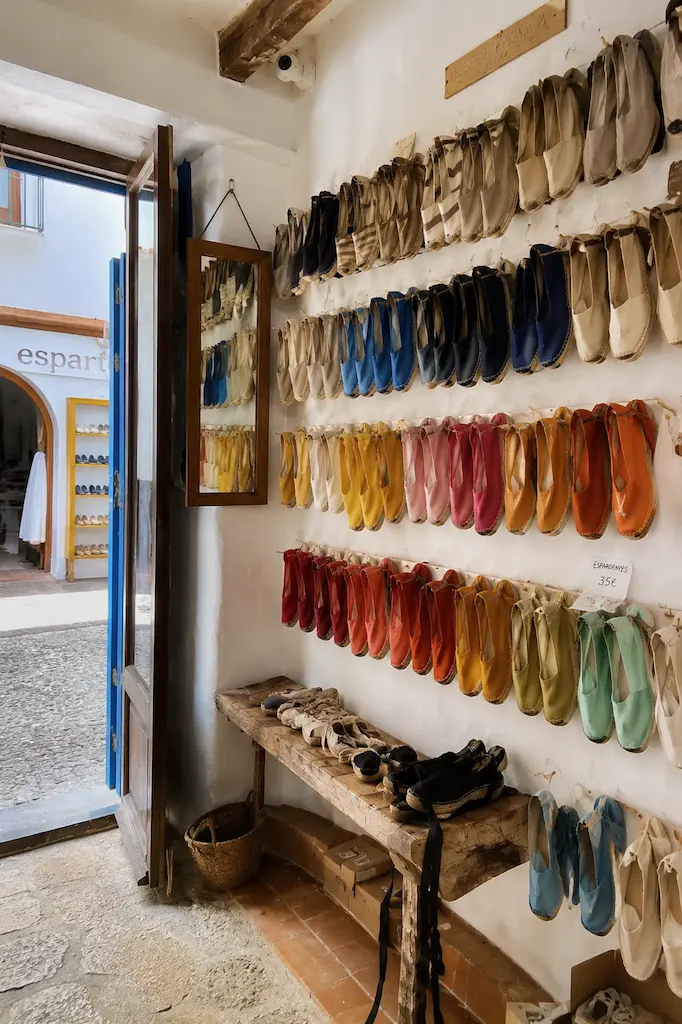
California enters this story not because the espadrille somehow belongs equally to both shores historically—it doesn’t—but because California provides another climate in which the logic of the shoe makes immediate sense.
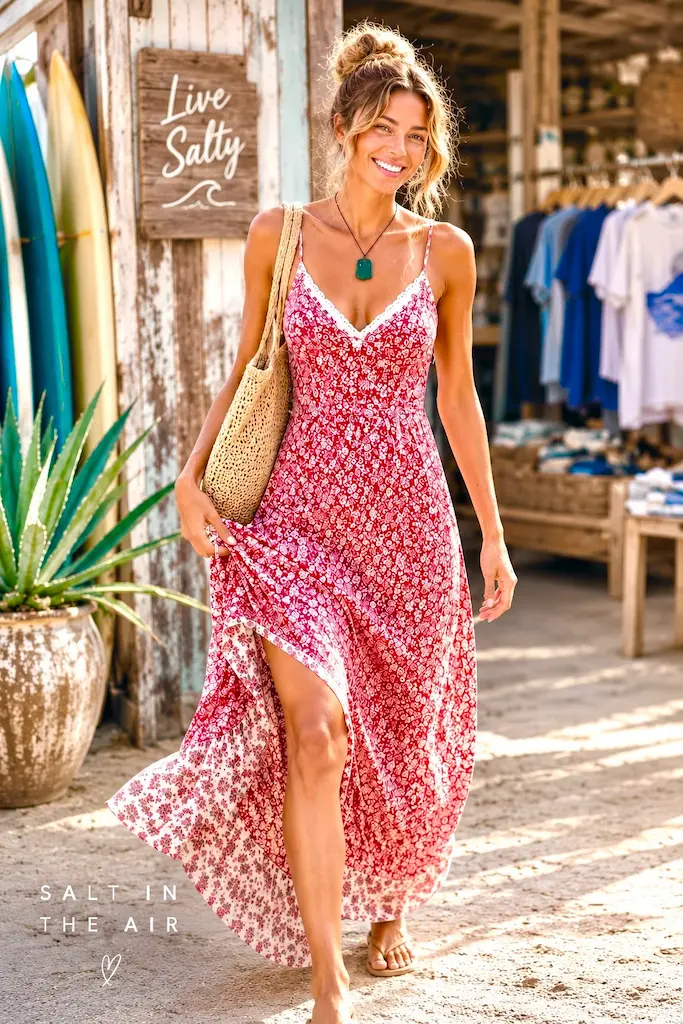
Much of coastal California shares characteristics familiar around parts of the Mediterranean: dry summers, bright light, outdoor routines and wardrobes that frequently have to negotiate several versions of a day. Breakfast can become a market, which becomes a walk, which becomes dinner because nobody went home when originally intended. Clothing that demands a formal changeover tends to lose the argument.
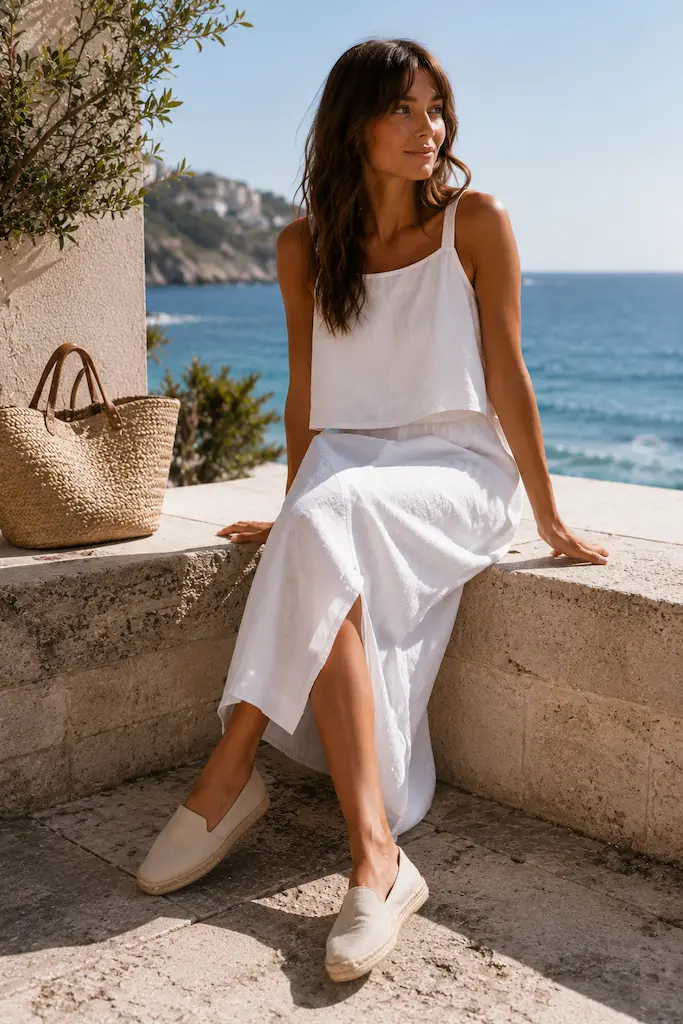
That is where the espadrille fits naturally into the Caliterranean wardrobe. Not because one must wear rope-soled shoes while staring meaningfully at the Pacific, but because their original design already assumed that footwear should be useful without becoming cumbersome. Flat espadrilles work with cotton, linen, denim and uncomplicated summer dresses. Wedges can add height without turning the shoe into something entirely different. The silhouette changes; the underlying logic remains.
Modern production has changed, of course. Today’s espadrilles span everything from industrially produced versions to specialist manufacturers maintaining traditional techniques. Castañer, for example, currently sources jute from India and Bangladesh before braiding and shaping it using processes tied to its historic workshops. The Museu de l’Espardenya documents an older regional trade in which hemp, locally harvested esparto and imported jute could all form the sole, reminding us that there was never one frozen, universally identical espadrille recipe.
That adaptability may be more important than the usual claim that the espadrille “never changes.” It does change. Fibers change. Production changes. Shapes change. Fashion changes the heel and then, inevitably, changes it back. What survives is the idea.
And perhaps that is what made the espadrille so difficult to replace. It was not designed as an object of fashion and therefore never depended entirely on fashion’s approval. Its most recognizable feature began as a practical solution, became its visual signature and survived every attempt to make it more sophisticated.
Seven centuries is too precise a birthday for a shoe whose early history is not that cooperative. But several centuries of survival are impressive enough. Fashion can keep announcing the espadrille’s return each summer if it likes. The espadrille, rather inconveniently, never really went anywhere.
Did You Know?
- The word espadrille comes from espart, a tough Mediterranean grass traditionally used to weave rope.
- Rope-soled footwear has existed for centuries, with early versions dating back well before the Middle Ages.
- Espadrilles were originally worn by farmers, fishermen, shepherds, and artisans throughout Spain and southern France.
- In 1970, Yves Saint Laurent and the Spanish shoemaker Castañer introduced the wedge espadrille, forever changing the shoe’s place in fashion history.
- Many traditional espadrilles are still handmade today using centuries-old rope-braiding and hand-stitching techniques.
CONTINUE EXPLORING
Inspired by this story? Continue your journey with The Caliterranean™ Guide to Coastal Style