Why the Most Beautiful Coastal Homes Are Built to Age, Not Just Impress
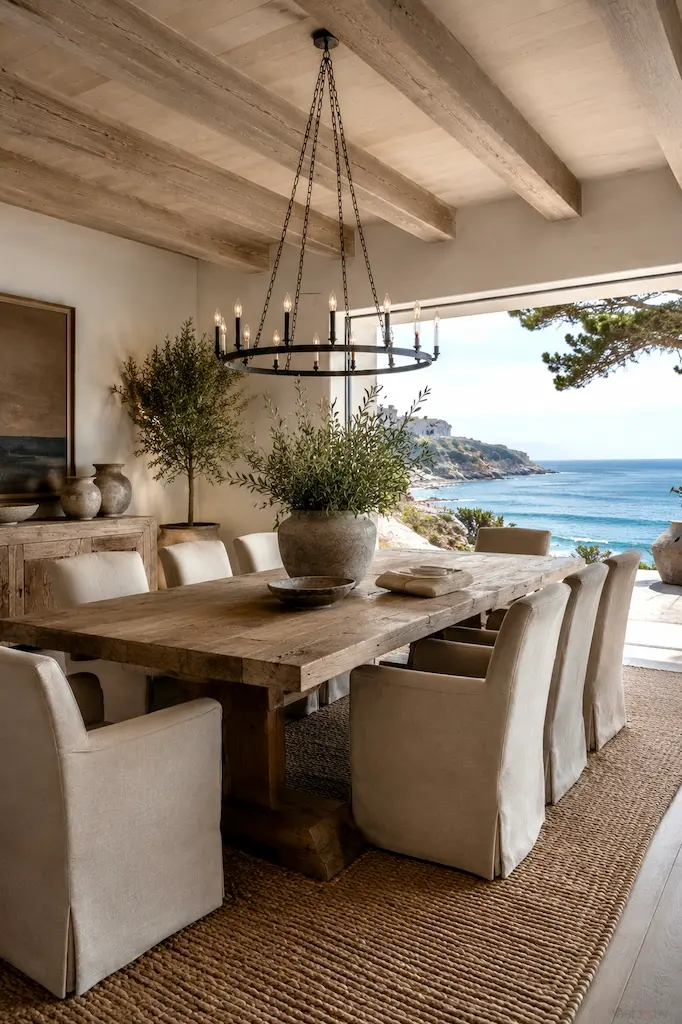
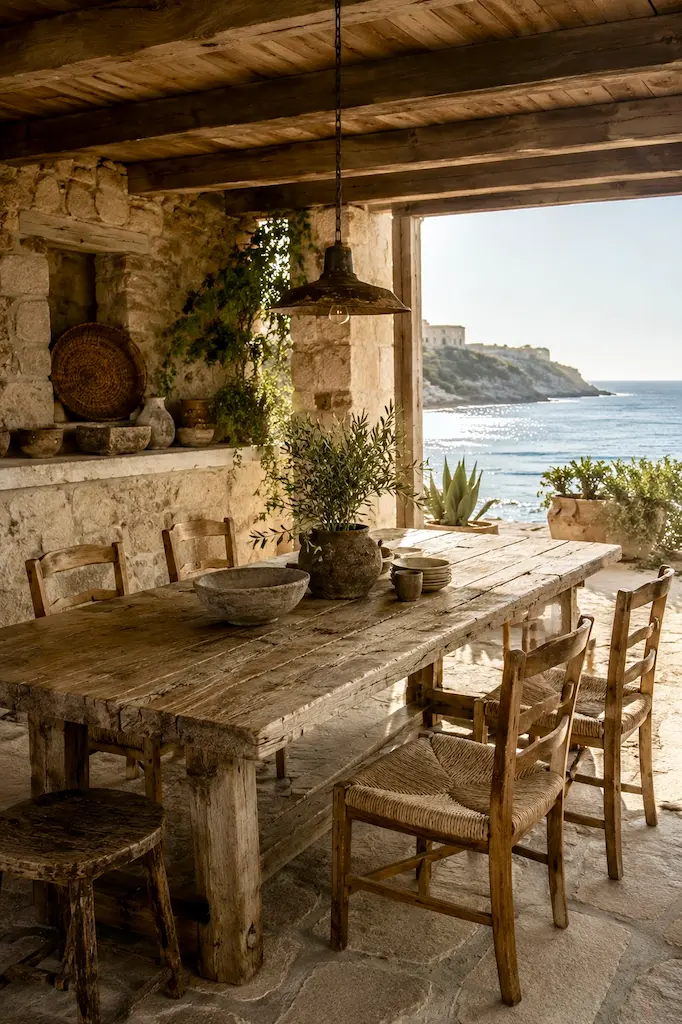
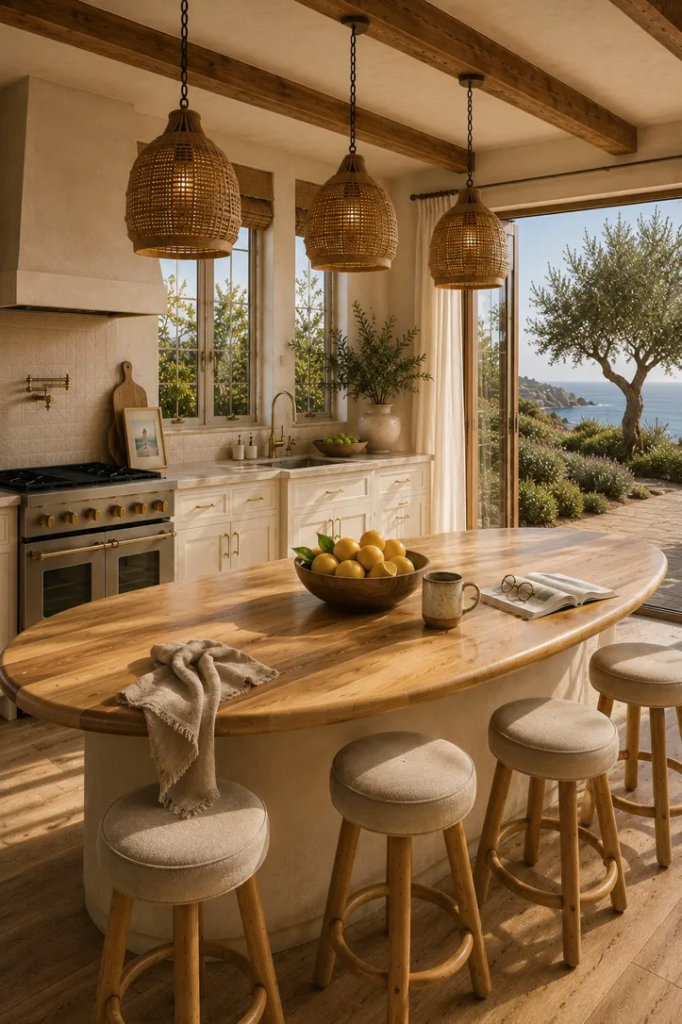
Walk through an old Mediterranean home and you’ll often find a dining table that has belonged to the same family for generations. Not because it is fashionable, valuable, or particularly rare, but because it was built well enough to deserve another generation. The same is true of old wooden cupboards, stone sinks polished smooth by decades of use, or brass door handles that have quietly recorded thousands of hands. None of these pieces were designed to become antiques. They simply never stopped doing their job.
For centuries, that was the measure of good craftsmanship. Furniture wasn’t expected to survive the next renovation or the latest trend; it was expected to survive its owner. A cabinetmaker built for grandchildren he would never meet, while a stonemason laid walls with the expectation that they would still be standing long after he was gone. If something showed signs of wear, it wasn’t discarded. It was repaired, restored, and quietly returned to daily life.
Mass production changed our homes in remarkable ways. Beautiful furniture became more accessible, allowing more people than ever to furnish their homes with style and comfort, and that is something worth celebrating. Yet somewhere along the way, replacing quietly became easier than repairing. We stopped asking whether something would last for decades and started asking whether we would still like it after the next trend arrived.
This isn’t an argument that everything old was better. After all, every heirloom was once brand new. The real question isn’t whether something is old or modern, handcrafted or machine-made. It is whether it deserves the chance to become old. That single idea changes how we think about our homes, because craftsmanship isn’t really about looking backwards. It is about believing that something made today is worth living with for decades.

Interestingly, California seems to be rediscovering this philosophy. The popularity of companies like Restoration Hardware suggests that many homeowners still long for furniture that feels substantial—solid oak tables, natural limestone, hand-finished wood, generous proportions, and timeless silhouettes. Their appeal goes beyond aesthetics. They represent a growing desire to own fewer things that remain beautiful for decades rather than seasons, proving that craftsmanship still has a place in contemporary homes.
There is an interesting contradiction in the way we value objects. We spend fortunes on paintings because they are considered works of art, yet often think very little about the objects we touch every single day. A beautifully crafted dining table, hand-built cabinet, or ceramic bowl may never hang in a gallery, but these are the pieces that quietly shape our lives. We gather around them, cook with them, celebrate birthdays on them, and carry them from one home to another. Perhaps craftsmanship doesn’t belong only in museums. Perhaps it belongs exactly where we live.
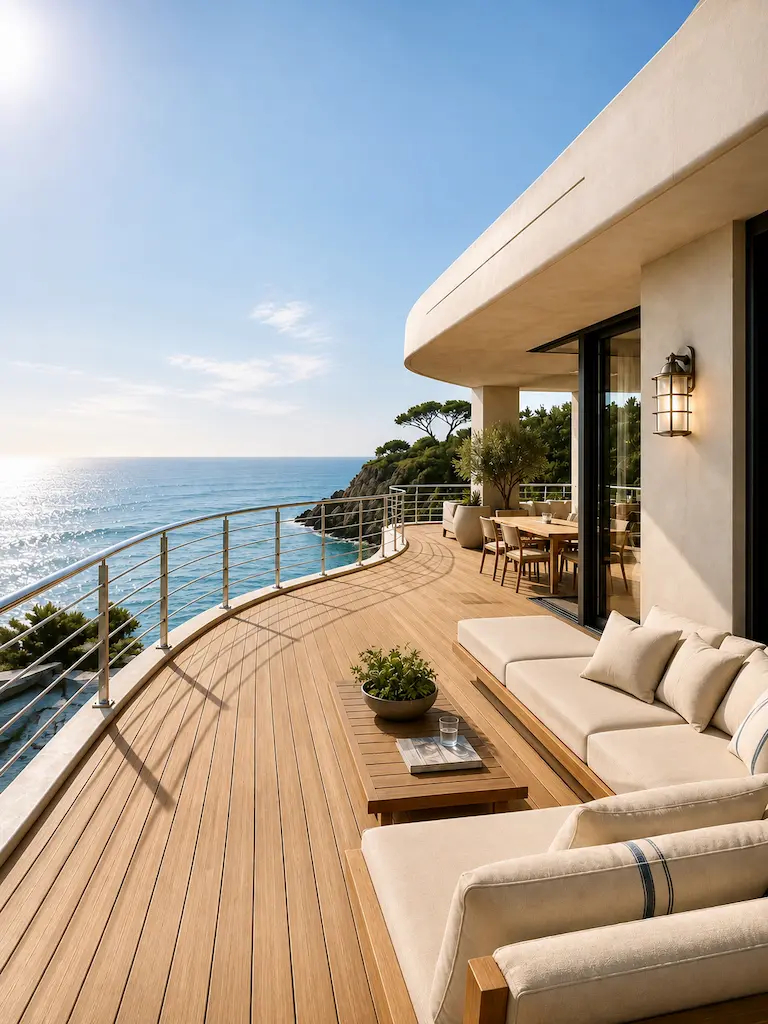
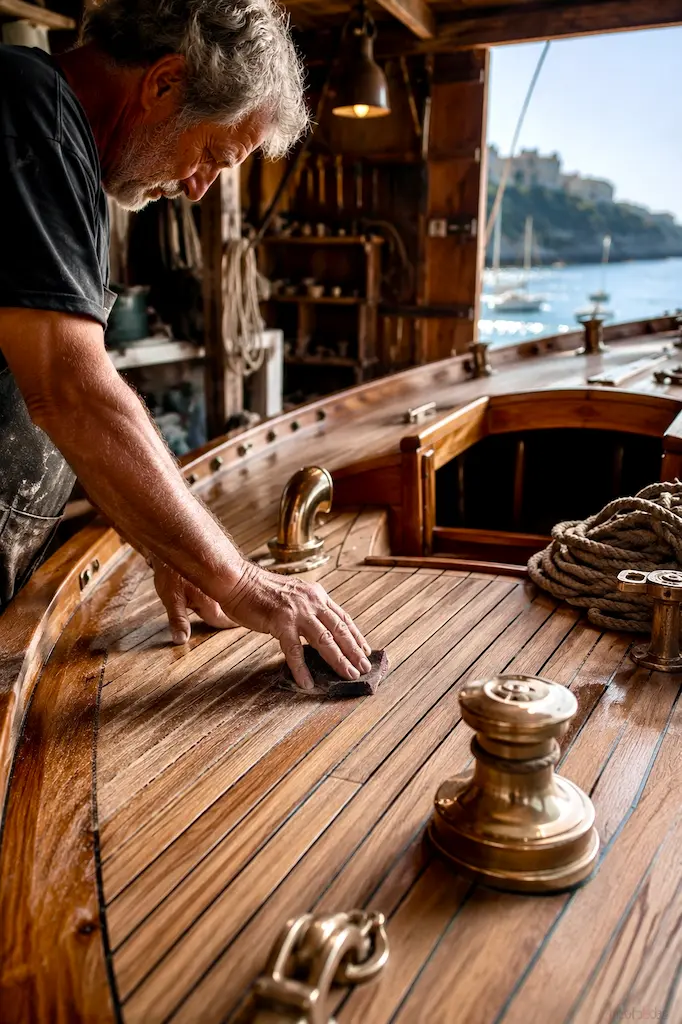
If anyone understands longevity, it is a boat builder. Salt air, relentless sunshine, humidity, movement, and constant exposure quickly expose shortcuts, leaving little room for compromise. Marine designers don’t choose materials because they photograph well; they choose them because they perform year after year in one of the harshest environments imaginable. Teak, marine-grade stainless steel, solid joinery, and durable upholstery aren’t simply beautiful choices—they are practical ones. Coastal homes may never experience the demands of life at sea, but they can certainly benefit from the same philosophy: choose materials honestly, build them well, and expect them to endure.

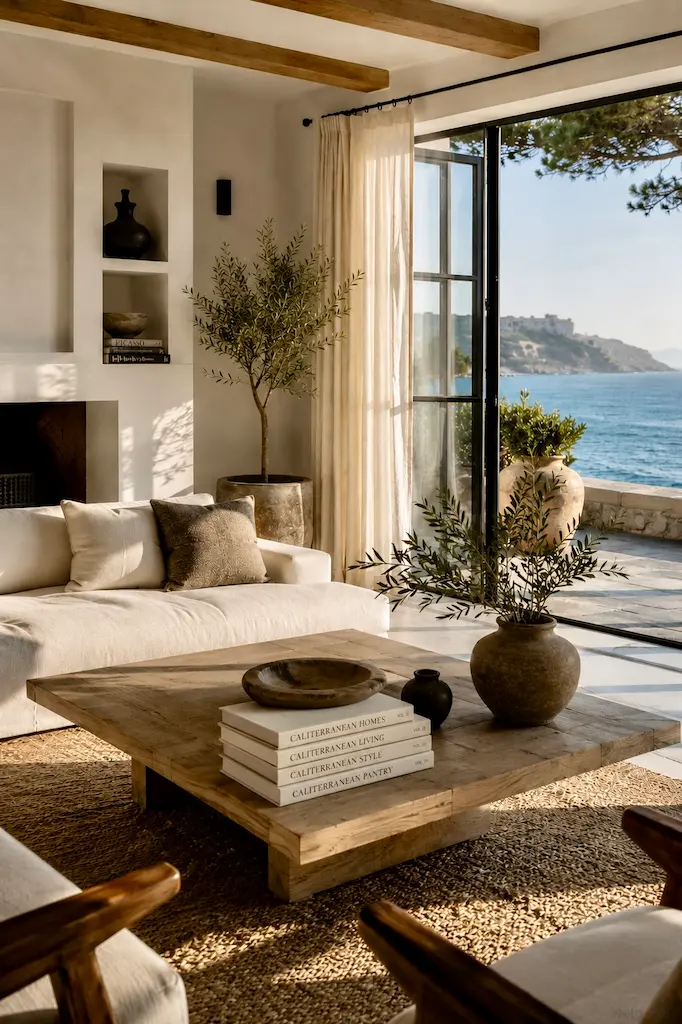
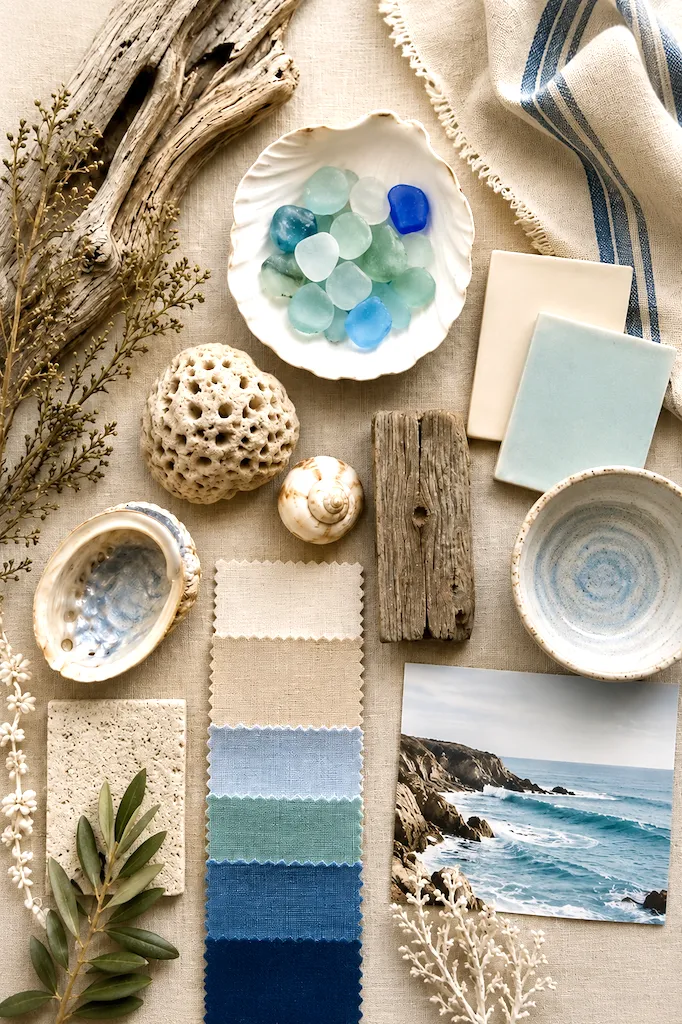
There is another quality craftsmanship brings that is much harder to measure. A handcrafted object carries traces of the person who made it, whether in the grain of carefully selected timber, the subtle variation of handmade ceramic tiles, or the careful stitching of beautifully upholstered furniture. Mass production delivers remarkable consistency, but craftsmanship delivers something different: character. Those small imperfections remind us that someone invested skill, patience, and pride into creating an object that would become part of another person’s life.
Perhaps that is what we are really investing in. Not a future heirloom or an expensive statement piece, but something we genuinely enjoy living with every single day. Good craftsmanship has a way of rewarding its owner quietly. It asks for very little, performs beautifully for years, and never feels like yesterday’s trend.
Perhaps the better question is simply this: Is this something I truly want to live with for years to come? Does it feel well made? Does it have character? Will it become more beautiful through everyday use, or will it simply be replaced when the next trend arrives? Good craftsmanship isn’t just about longevity. It’s about surrounding ourselves with objects that continue to bring joy long after the excitement of buying them has faded.
The most beautiful coastal homes are rarely the ones filled with the newest things. They are filled with objects chosen carefully, admired for the skill that created them, and appreciated a little more every year. The true value of craftsmanship isn’t simply that it lasts. It is that it makes everyday life feel richer. After all, we spend far more time sitting at our dining table, opening our kitchen cupboards, or holding our favourite ceramic mug than we do admiring a painting on the wall. Perhaps those everyday objects deserve to be our greatest works of art.
Bring the Look Home
Inspired by the craftsmanship in this story? Explore furniture, materials, and makers who share the philosophy of building beautiful objects designed to last.
- Restoration Hardware — Contemporary coastal furniture crafted from natural materials with timeless proportions.
- Riva Yachts — An Italian icon where marine craftsmanship, teak, and brass have defined luxury for generations.
- George Nakashima Woodworkers — Handmade furniture celebrating natural wood, traditional joinery, and enduring design.
CONTINUE EXPLORING
Inspired by this story? Continue your journey with What Is a Caliterranean™ Home?