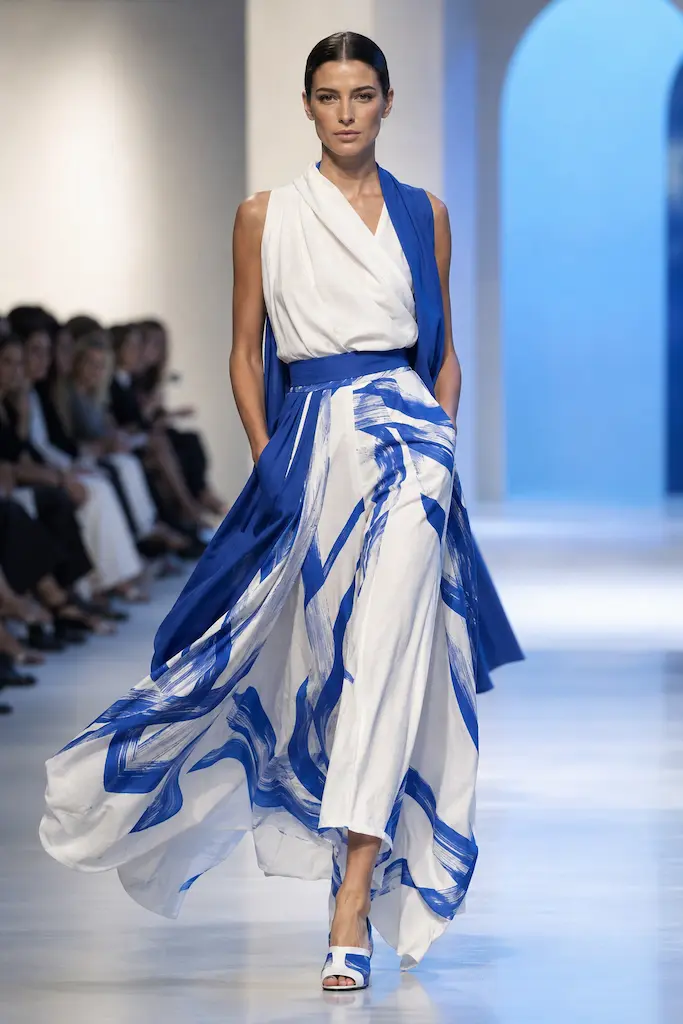
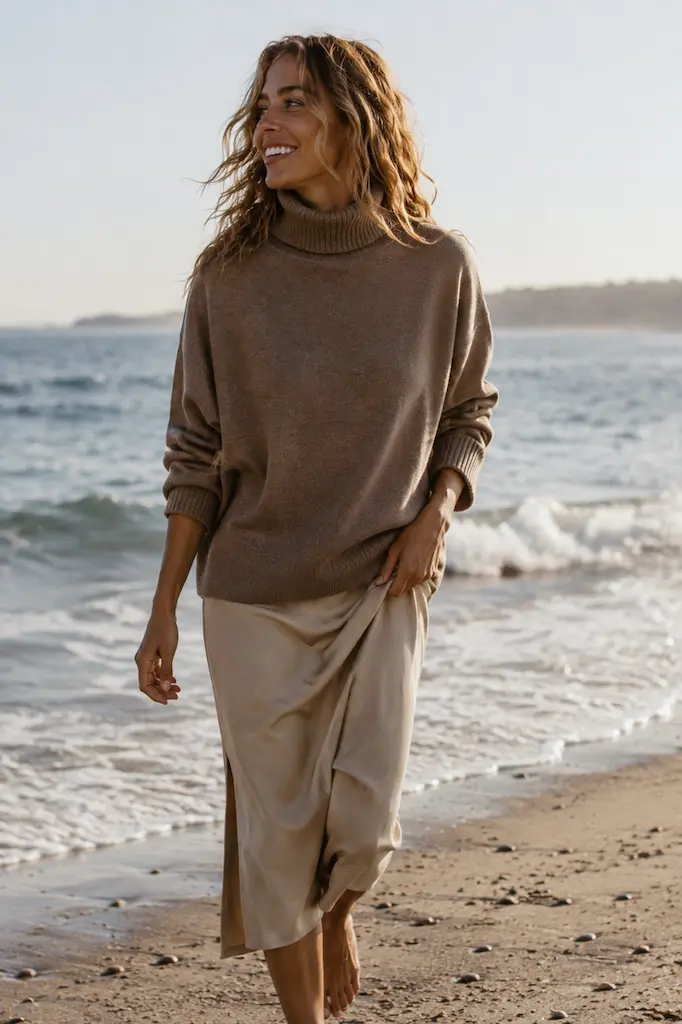
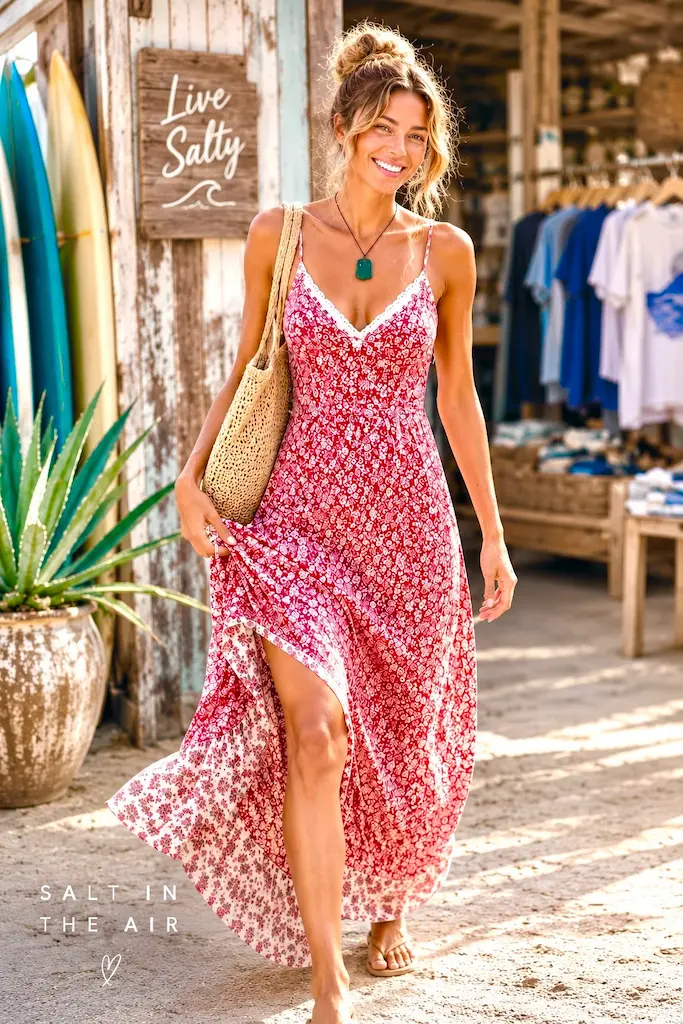
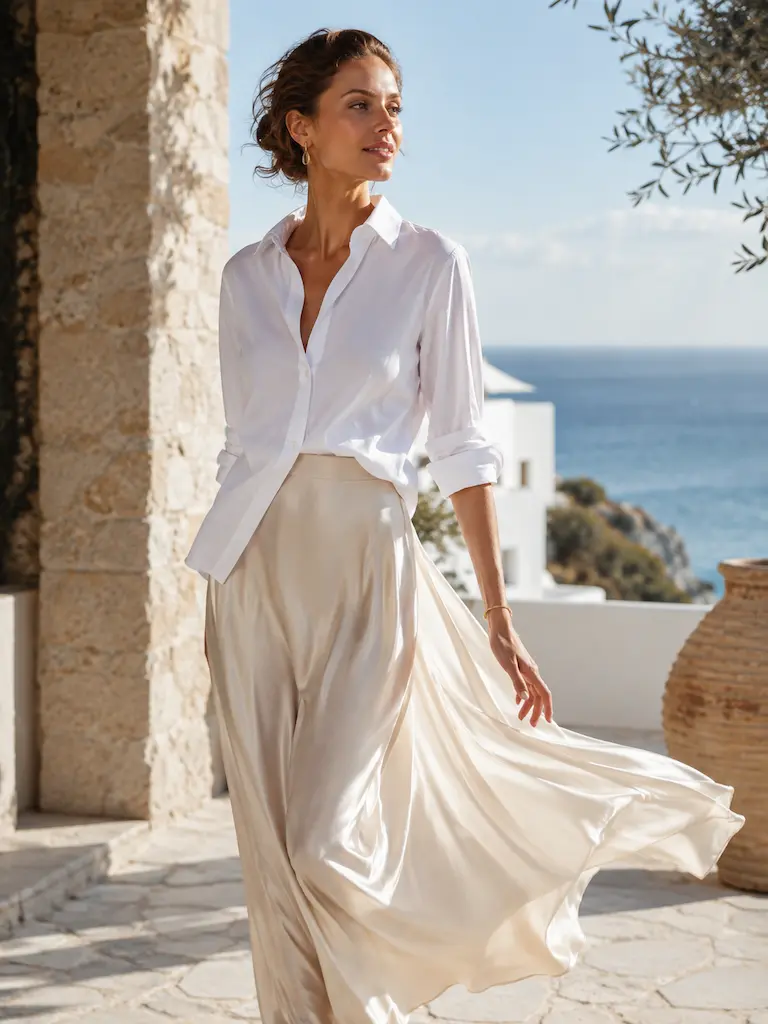
From Silk Roads to Seaside Cafés
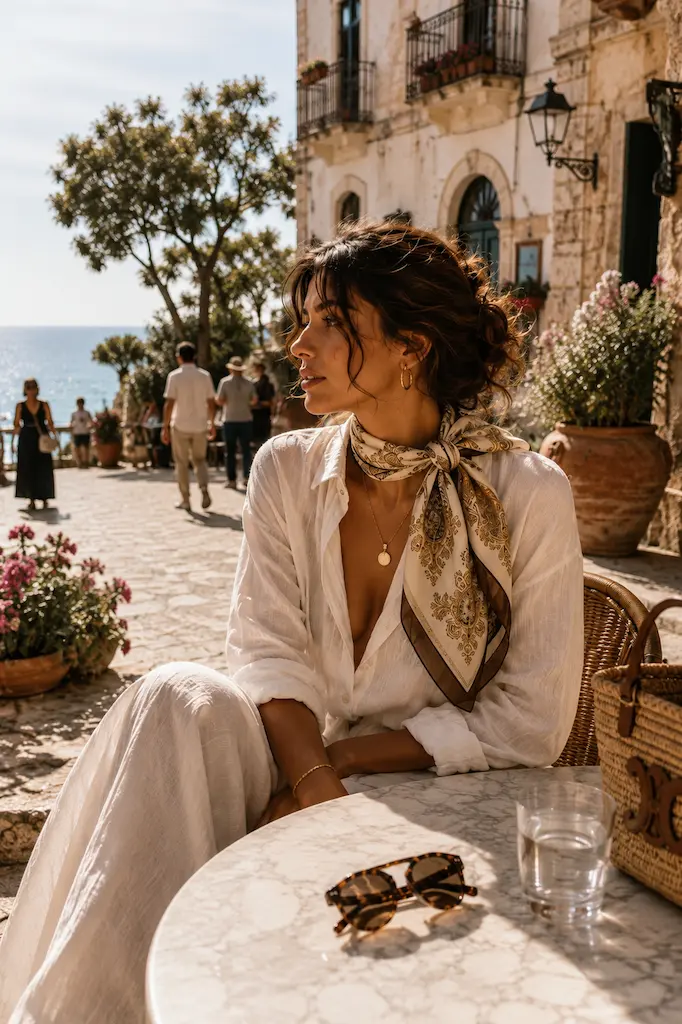
Fashion has reinvented almost everything. Hemlines have risen and fallen. Jackets have broadened and narrowed. Shoes have climbed onto impossible heels before returning to sensible flats. Every season promises something new, yet one of the simplest accessories ever created has quietly ignored the constant cycle of trends. A rectangle of fabric known simply as the scarf has survived it all.
For centuries, it has crossed continents, adapted to changing tastes, and remained part of everyday life without ever losing its purpose. It has been practical, luxurious, understated, glamorous, and deeply personal—sometimes all at once. Few objects in our wardrobe can claim such an extraordinary journey.
Long before scarves appeared on fashion runways or glossy magazine covers, they travelled alongside merchants and explorers. The ancient Romans wore cloth around the neck for warmth and protection while travelling, and as trade routes expanded across Europe and the Mediterranean, beautifully woven fabrics became increasingly prized. Venice, one of history’s great trading cities, helped transform silk into one of Europe’s most coveted luxuries, importing fine textiles from the East and inspiring generations of skilled weavers.
By the Renaissance, scarves and shawls had found another role. Portraits of aristocrats often featured luxurious fabrics draped elegantly across shoulders or tied around the neck, subtle reminders that clothing could communicate refinement as much as wealth. As centuries passed, the scarf became less about status alone and more about personal expression.
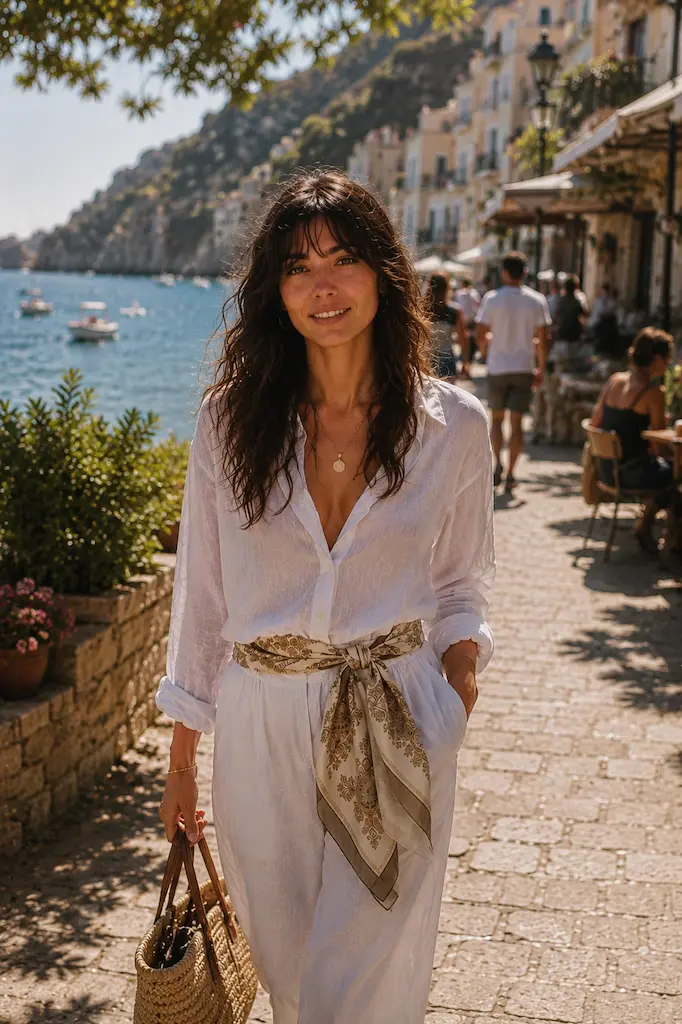
Then came France. Few fashion houses have shaped the modern scarf quite like Hermès. What began as a luxury silk square in the 1930s evolved into one of fashion’s most enduring icons. Each carré became a miniature work of art, printed with equestrian scenes, nautical motifs, botanical studies, and intricate illustrations. It proved that an accessory no larger than a square of silk could become an heirloom.
Hollywood quickly agreed. Think of the golden age of travel: convertibles winding along the Riviera, elegant women shielding their hair from the wind, oversized sunglasses, crisp white shirts, and a silk scarf fluttering effortlessly behind them. Grace Kelly, Audrey Hepburn, and countless others transformed the scarf into something that felt glamorous without ever appearing complicated. Fashion magazines still photograph scarves every spring—not because editors have run out of ideas, but because some ideas never stopped working.
Remarkably, fashion has never found a reason to replace the scarf. That is because it has always done something trends cannot. It adapts—not only to changing fashion, but to changing weather, changing places, and changing moments. That quiet versatility has kept it relevant for nearly two thousand years.
The Mediterranean understood this long before fashion editors did. Along its coastlines, the scarf became part of everyday life because the climate asked for it. Mornings often begin cool before the stone streets warm beneath the sun, while evenings linger outdoors long after sunset as a gentle breeze drifts in from the sea. A lightweight scarf slips over the shoulders without the weight of a jacket and disappears into a basket when it is no longer needed.
California quietly arrived at the same conclusion. A morning coffee overlooking the Pacific can begin beneath a layer of marine mist before turning into a warm afternoon. Sunset walks in Carmel, Santa Barbara, or Laguna Beach almost always invite an extra layer. Different coastlines, the same instinct: choose something light, beautiful, and practical enough to accompany the changing rhythm of the day.
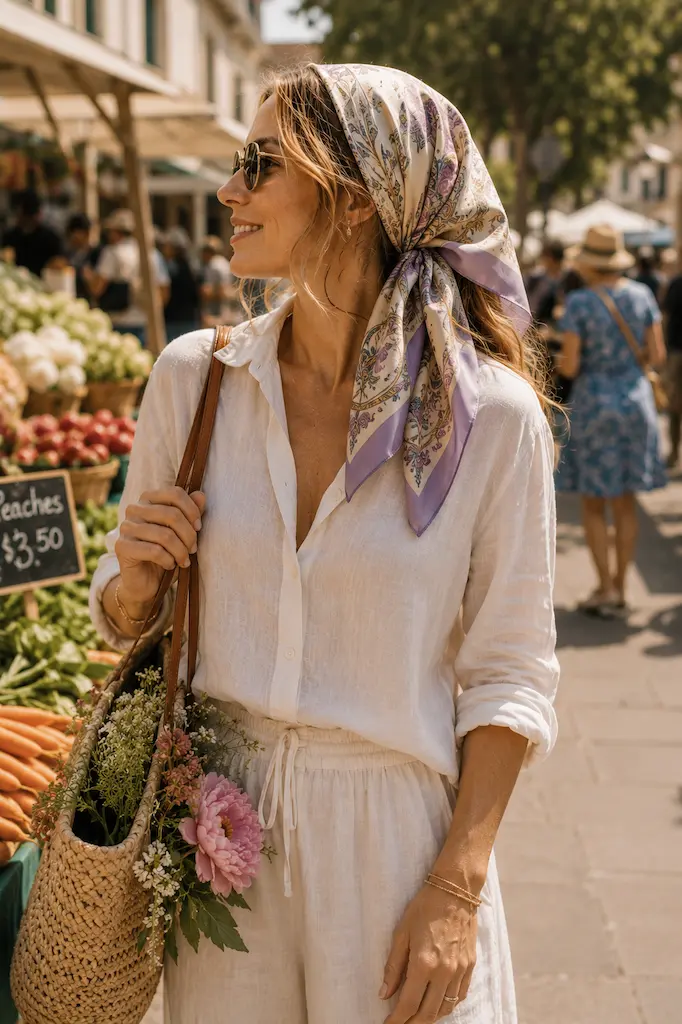
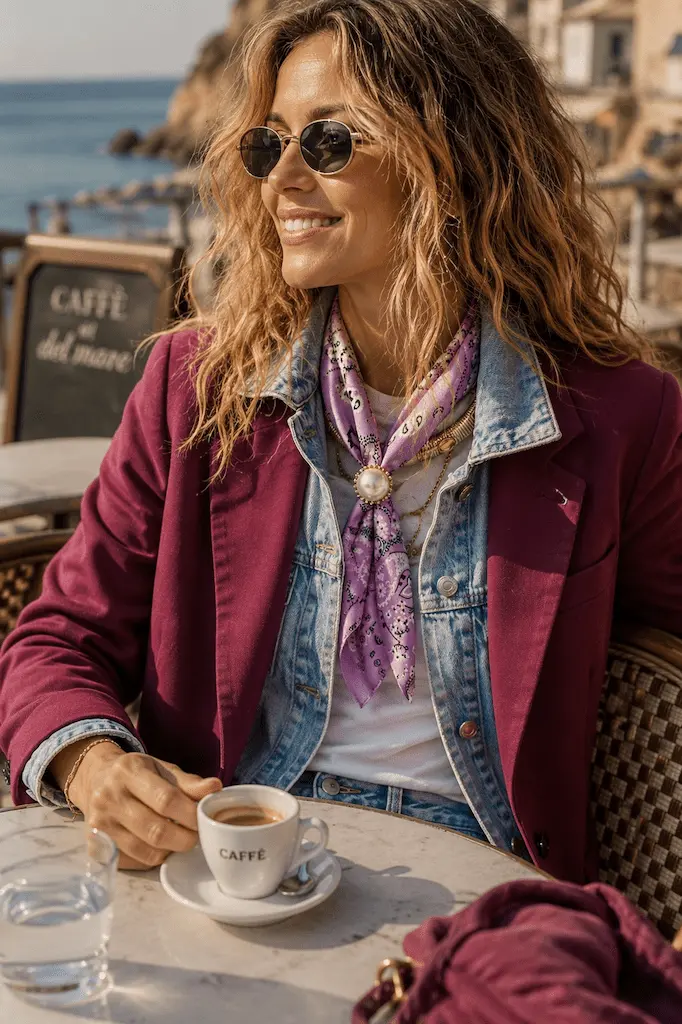
Perhaps that is why the scarf feels so perfectly at home on both shores. It belongs just as naturally at a rooftop dinner overlooking Monaco Harbour as it does during an early stroll through a California farmers’ market. It looks equally comfortable draped over the shoulders at an outdoor café in Portofino or wrapped loosely around the neck while watching surfers catch the last waves of the day in Malibu. Cities change, coastlines change, seasons change, yet the scarf never seems out of place.
Its greatest talent, however, is not its remarkable history but its extraordinary versatility. Most accessories perform one role. A handbag carries your belongings. Shoes complete an outfit. Sunglasses protect your eyes. A scarf politely refuses to choose just one purpose.
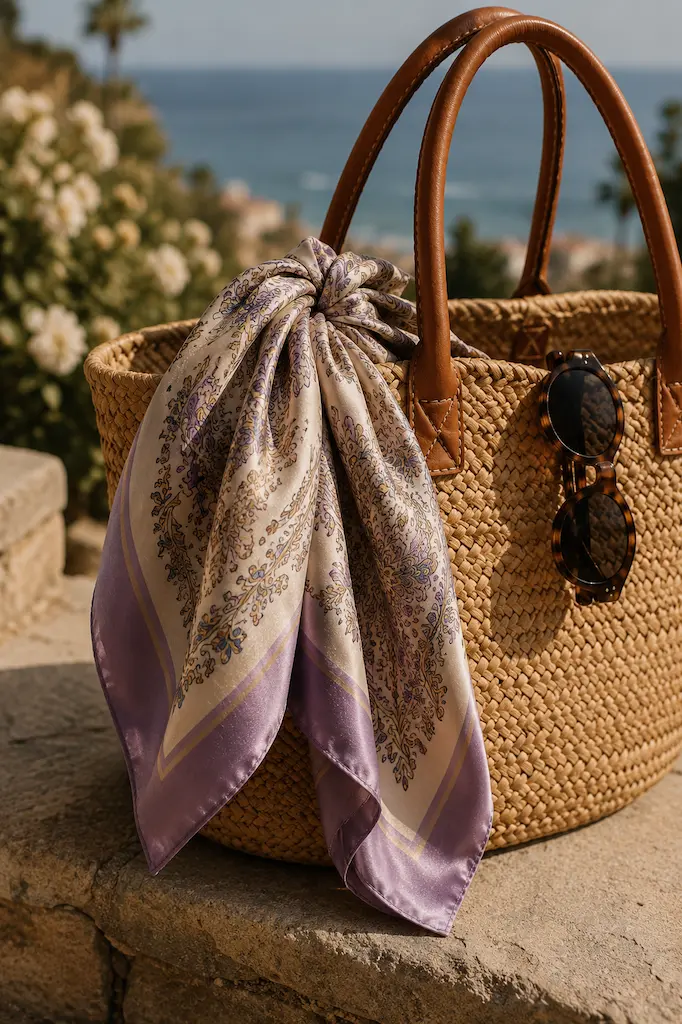
One morning it becomes a soft layer wrapped around your neck while the Pacific still feels cool. Later it may be tied into your hair as you wander a farmers’ market filled with flowers, peaches, and fresh bread. By afternoon it is knotted around the handle of a woven tote, adding colour and movement to something you already own. As evening arrives, it rests lightly across your shoulders while dinner stretches long after sunset, and on a weekend road trip it may become a travel blanket, an impromptu picnic cloth, or even a makeshift pillow while watching the ocean.
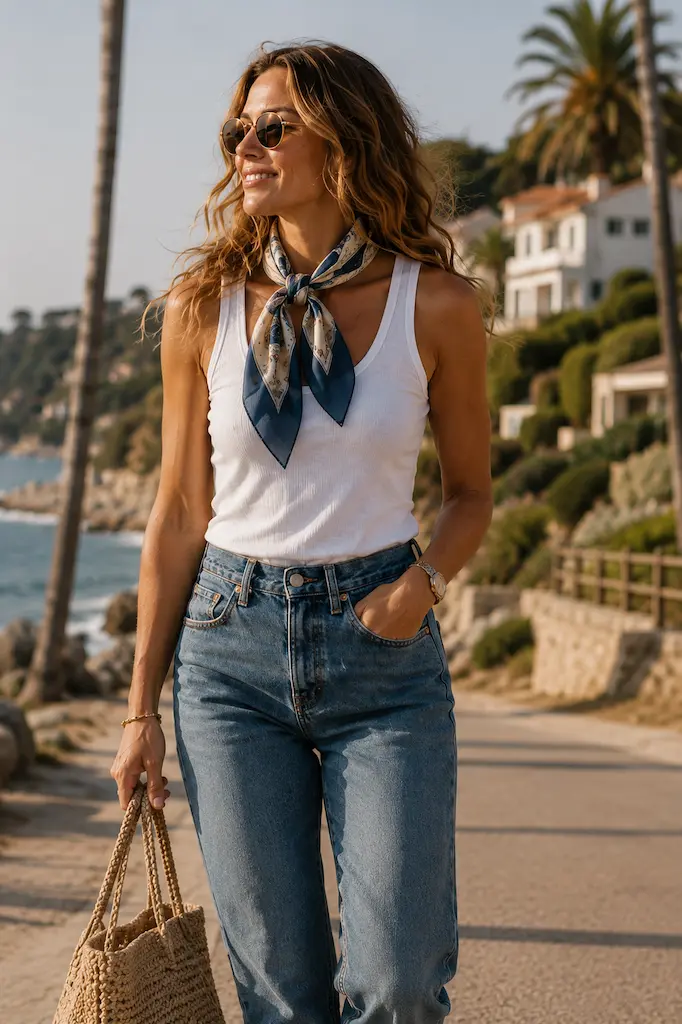
It never asks to be the centre of attention. Instead, it quietly improves everything around it. A white tank top and well-worn jeans suddenly feel a little more considered. A linen dress gains movement. A striped Breton shirt feels unmistakably Riviera. A relaxed cotton shirt appears instantly ready for dinner simply because a lightweight scarf is draped across the shoulders.
That philosophy feels remarkably Caliterranean. The California–Mediterranean wardrobe has never been built on excess. It favours thoughtful pieces that travel well, age beautifully, and earn their place over time. A favourite scarf does exactly that, collecting memories with every journey while adapting to every destination.
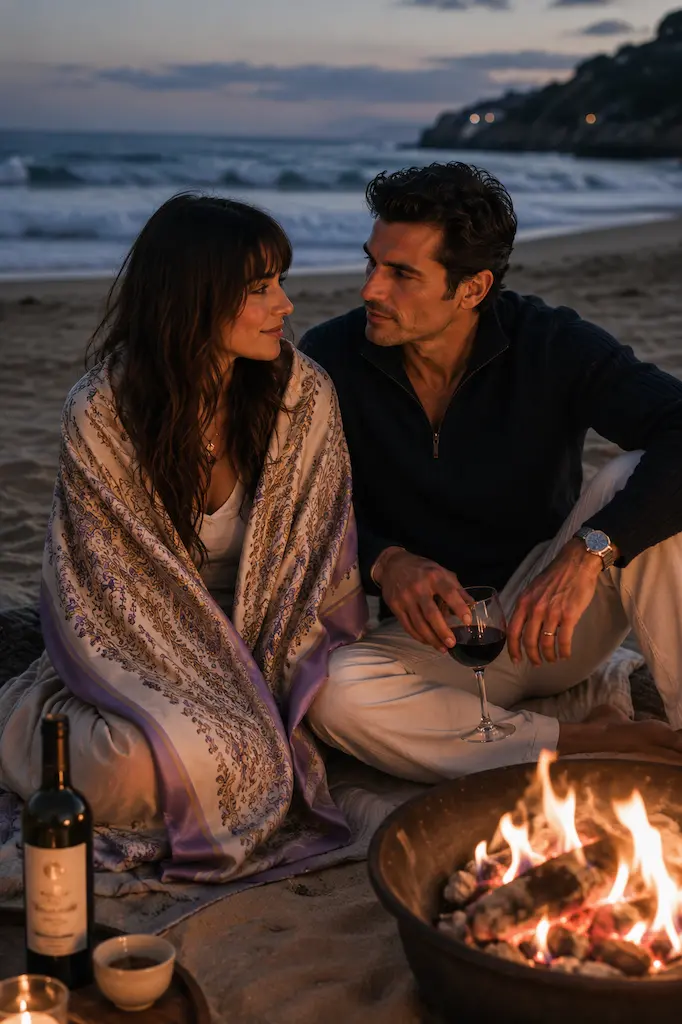
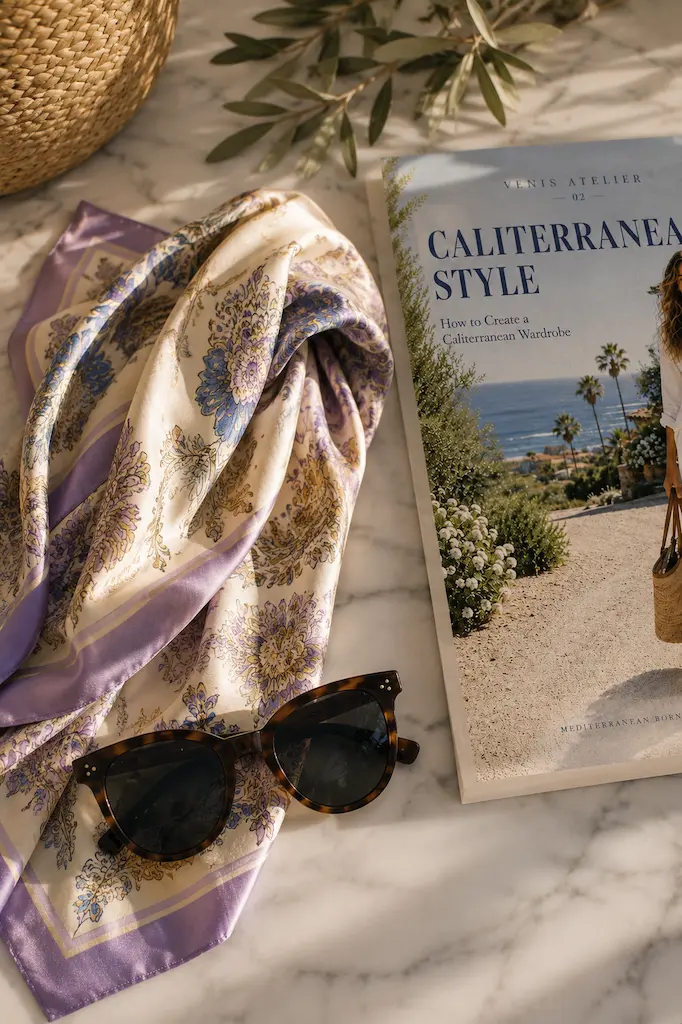
It is also wonderfully democratic. Silk, linen, cotton, wool, or cashmere—every fabric tells a slightly different story, yet each offers the same quiet promise: to make everyday life a little more beautiful without asking for much in return. Whether it costs fifty dollars or five hundred, the magic lies not in the label but in how naturally it becomes part of your life.
Perhaps we have been asking the wrong question all along. Instead of wondering how a scarf should be worn, perhaps we should ask why it has remained with us for so long. The answer has very little to do with fashion and everything to do with thoughtful design. It is practical enough for changing weather, elegant enough for special occasions, relaxed enough for everyday life, and adaptable enough to become almost anything you need it to be.
That is what makes the scarf the perfect Caliterranean accessory. It doesn’t care whether you wear it around your neck, in your hair, over your shoulders, tied to a favourite tote, or with nothing more than a white tank top and jeans. It simply whispers the same reassuring message it has carried across centuries of coastal life: “Wherever you place me, I’ll make you look good.” Because the finest accessories were never designed to steal the spotlight—they were designed to become part of the story.

Further Reading
- Hermès — Discover the history behind the iconic silk carré.
- Victoria and Albert Museum Fashion Collection — Explore five centuries of fashion and dress.
- Explore our Caliterranean Style Catalog for seasonal color palettes, wardrobe ideas, timeless accessories, and coastal styling inspiration.
CONTINUE EXPLORING
Inspired by this story? The story continues. Here is your next read The Luxury of Looking Like a Surfer →