Can Fashion Still Make Another Armani, Balenciaga or Saint Laurent?
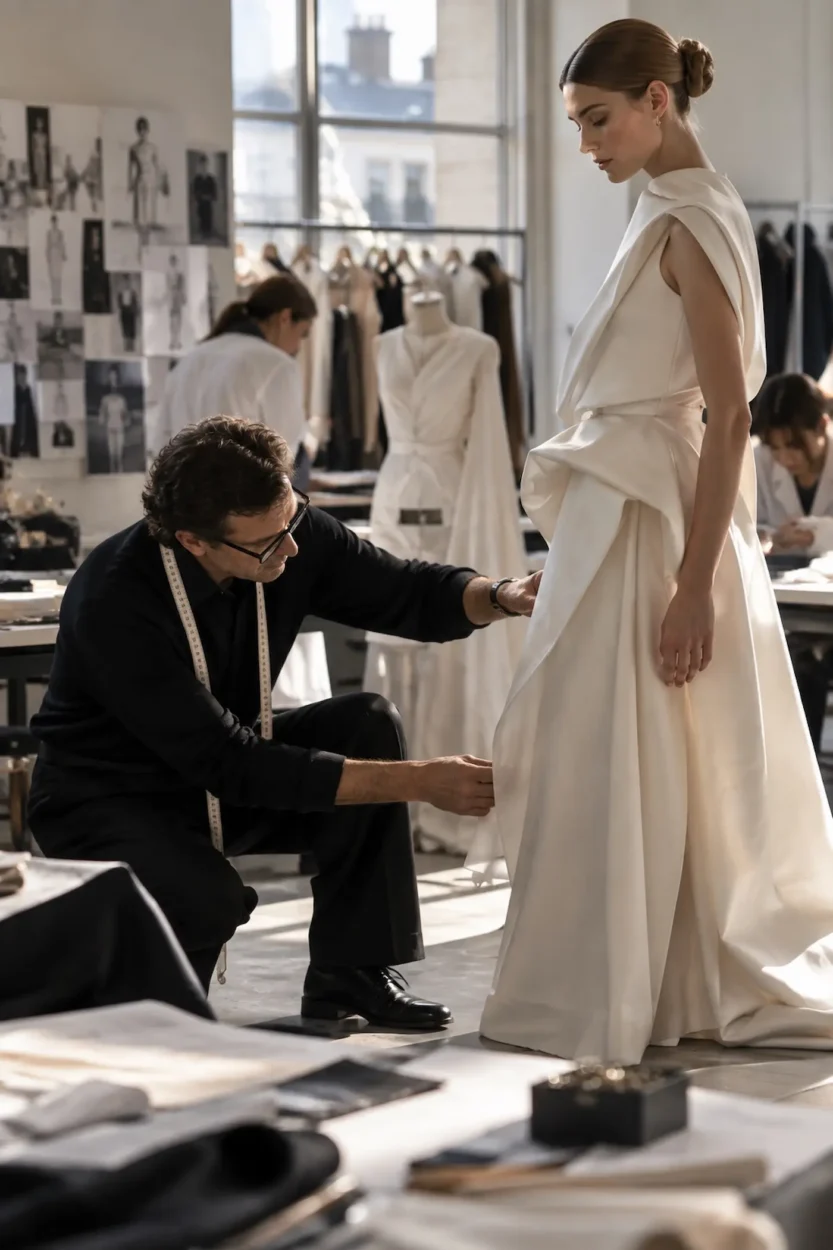
There was a time when you could identify a designer without seeing the label. Armani softened a jacket and changed the posture of a generation. Balenciaga could move a seam and alter the architecture of the body; Saint Laurent found extraordinary color in North Africa; Versace took classical imagery, southern Italian exuberance and a Medusa and somehow made the combination entirely his own. They didn’t simply design clothes—they spent decades constructing worlds.
The Mediterranean gave many of those worlds their vocabulary. Cristóbal Balenciaga grew up in Getaria, a Basque fishing town, the son of a seamstress, and repeatedly drew upon Spanish painting, religious dress, lace and regional clothing. Yves Saint Laurent, born in Oran, Algeria, later credited Morocco with transforming his relationship with color, while Tunis-born Azzedine Alaïa absorbed everything from Carthaginian columns and Moorish architecture to the women he remembered from childhood. Place wasn’t something added to the collection later by the marketing department; it was already inside the designer.
Fashion prefers to produce a convenient list of ten new designers under 35, but there is a more interesting question. Instead of asking who the next Armani is, perhaps we should ask whether the conditions that made an Armani are still possible. Can fashion still make a master?
There will probably never be another Armani, just as there was never another Michelangelo. Art did not replace Bernini with a better Bernini. It moved through Picasso and Dalí, then Rothko and Basquiat—artists whose languages were so different that comparing them as replacements would miss the point entirely. The world changed, and art changed its way of speaking.
Fashion may be doing exactly the same thing. We recognize Armani’s softened tailoring, Balenciaga’s architecture and Versace’s exuberance because decades have taught our eyes how to read them. If the next important designer is genuinely creating something new, perhaps expecting to recognize greatness immediately is precisely the problem.
Giorgio Armani founded his company in 1975, at 40, and then received something contemporary fashion rarely gives generously: time. His softened, unstructured tailoring wasn’t a seasonal trick that had to be replaced six months later by another one. He worried at the idea for decades—altering proportions, removing stiffness, refining fabrics and returning repeatedly to the same vocabulary until you didn’t need a logo to know what you were looking at.
Shortly before his death, Armani was asked what younger designers needed if they wanted similar longevity. His advice was remarkably unfashionable: develop your own signature, don’t rush, and give yourself time to find an aesthetic. Coming from a man whose career lasted half a century, this was less motivational speech than evidence.
Fashion in 2026 isn’t particularly famous for patience. Creative directors move between houses with such regularity that keeping track occasionally requires the concentration previously reserved for European royal succession. A designer arrives, presents a debut, social media delivers its verdict, sales are examined and speculation about the next appointment can begin before the new vocabulary has had much opportunity to acquire a grammar.

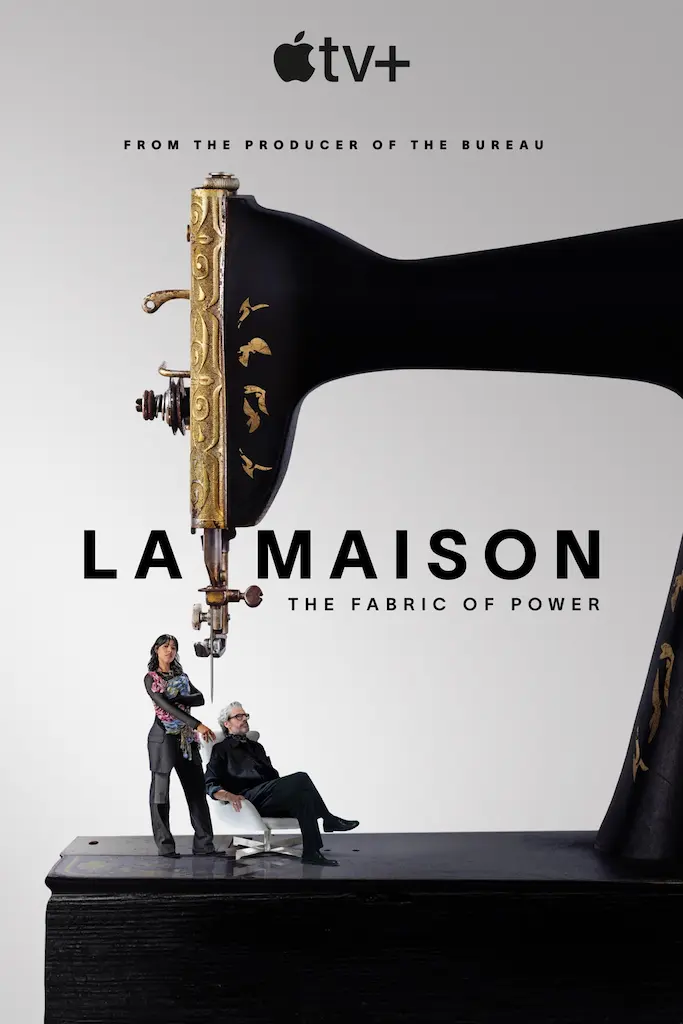
Even television seems preoccupied with what happens when fashion changes hands. Apple TV+’s The New Look looks backward, dramatizing the world in which Christian Dior and contemporaries including Coco Chanel, Pierre Balmain and Cristóbal Balenciaga were building the names that would become fashion institutions; La Maison looks in the opposite direction, following a fictional couture dynasty confronted by scandal, succession and a younger generation. One asks how the old houses became institutions; the other asks what happens when an institution has to make room for what comes next.
Perhaps that fascination tells us something. Fashion’s most interesting drama is no longer simply what comes down the runway, but who gets to inherit the atelier. A name can survive on a storefront for a century; preserving the particular imagination that made the name matter is considerably more complicated.
The old masters possessed something considerably harder to manufacture than publicity: somewhere from which to look at the world. Balenciaga didn’t select “Spanish heritage” from a mood board because Spain happened to be trending that year. Saint Laurent didn’t discover Marrakech through an algorithm. Their references accumulated through childhood, travel, art, architecture, memory and repetition until inspiration stopped looking like inspiration and became handwriting.
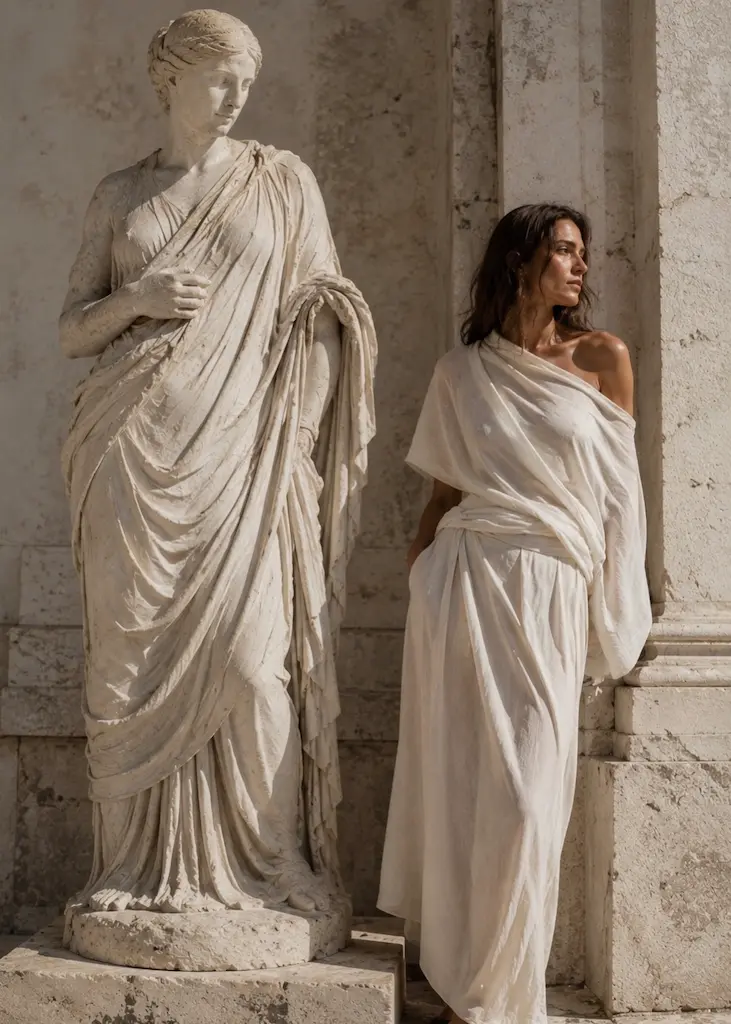
Versace’s Medusa wasn’t an arbitrary piece of branding either. Classical antiquity appeared repeatedly in his work, from the house’s imagery to draping and ornament. Alaïa’s enormous visual library was even more gloriously unruly: Tunisian architecture, cinema, ancient art, women encountered during childhood and countless objects he collected throughout his life. Great personal style has rarely been particularly tidy.
May be that is what we actually mean when we complain that fashion once had more style. Style isn’t simply taste; it is repetition, obsession and memory. Remove the name from Armani, Balenciaga or Versace pieces and much of the authorship remains visible, because their ideas were allowed to accumulate until they became unmistakable.
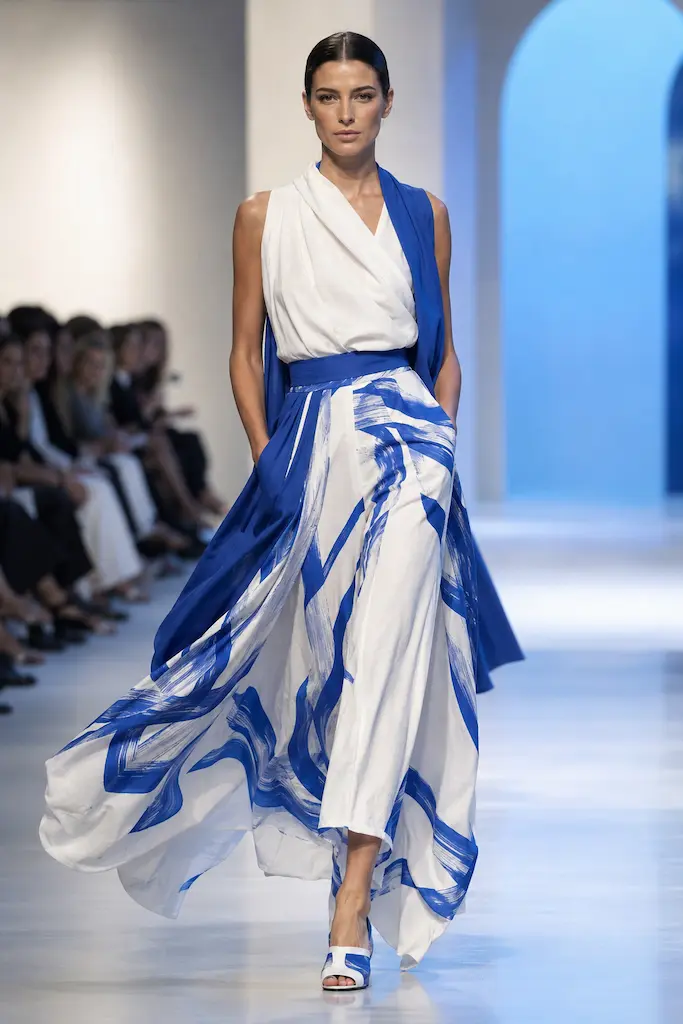
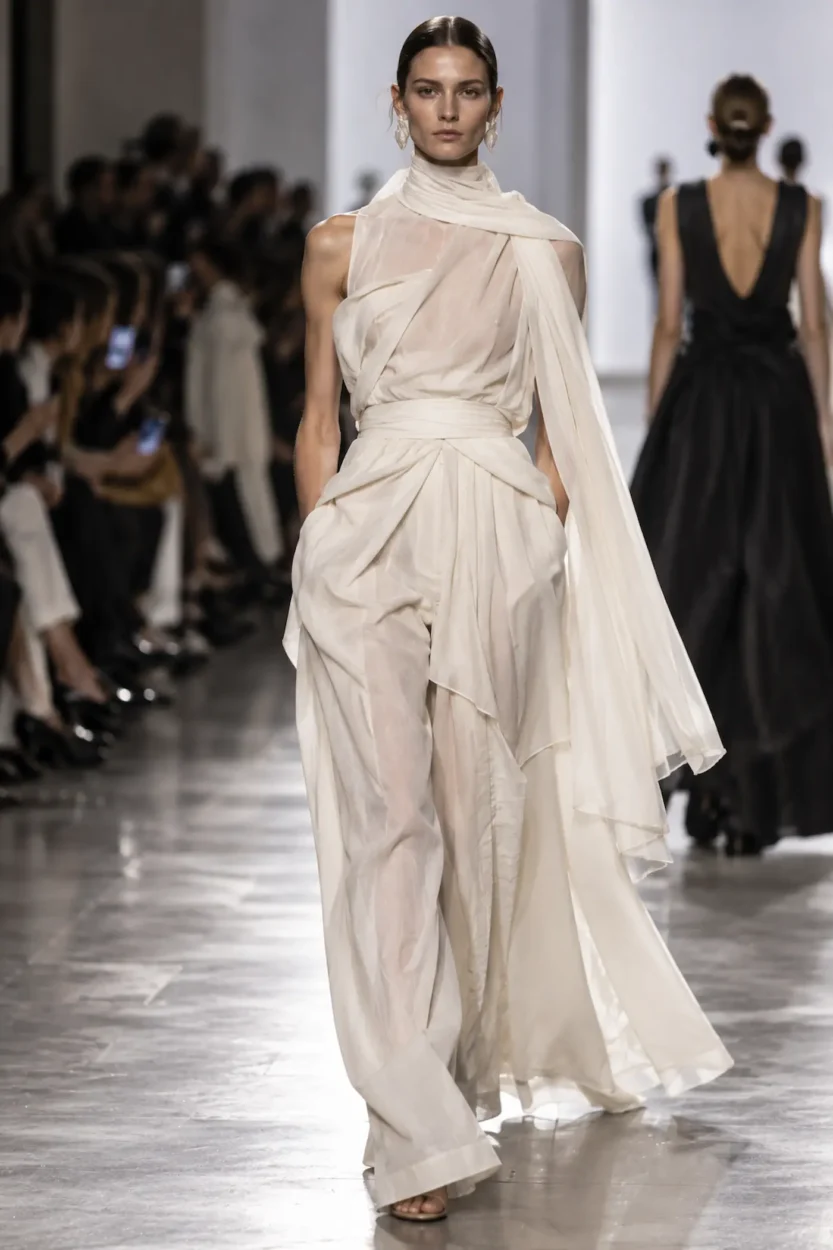
Except there is a problem with declaring the age of great designers over: young designers keep ruining the argument. Southern Italian designer Francesco Murano, for example, has looked toward Magna Graecia—the ancient Greek settlements of southern Italy—and translated sculptural draping and movement into contemporary clothing. His Spring 2026 collection was called Kinesis, from the Greek for movement.
Across the emerging generation, designers are drawing from regional craft, migration, family histories, historical clothing and intensely personal identities. The sources haven’t disappeared. If anything, young designers have access to more visual information than Armani or Balenciaga could possibly have imagined; the problem may be the opposite—how do you develop a recognizable voice while thousands of other voices arrive on your screen before breakfast?
Italy was worrying about this long before TikTok. Franca Sozzani’s Who Is On Next? initiative was created to find and support emerging Italian designers, while figures including Armani, Donatella Versace and Roberto Cavalli came to see the next generation. The difficulty was never merely discovering talent; it was giving that talent the production, buyers, financing and time required to become a sustainable house. Fashion has always been rather good at discovering the next big thing. Staying interested long enough for the next big thing to become an old master is harder.
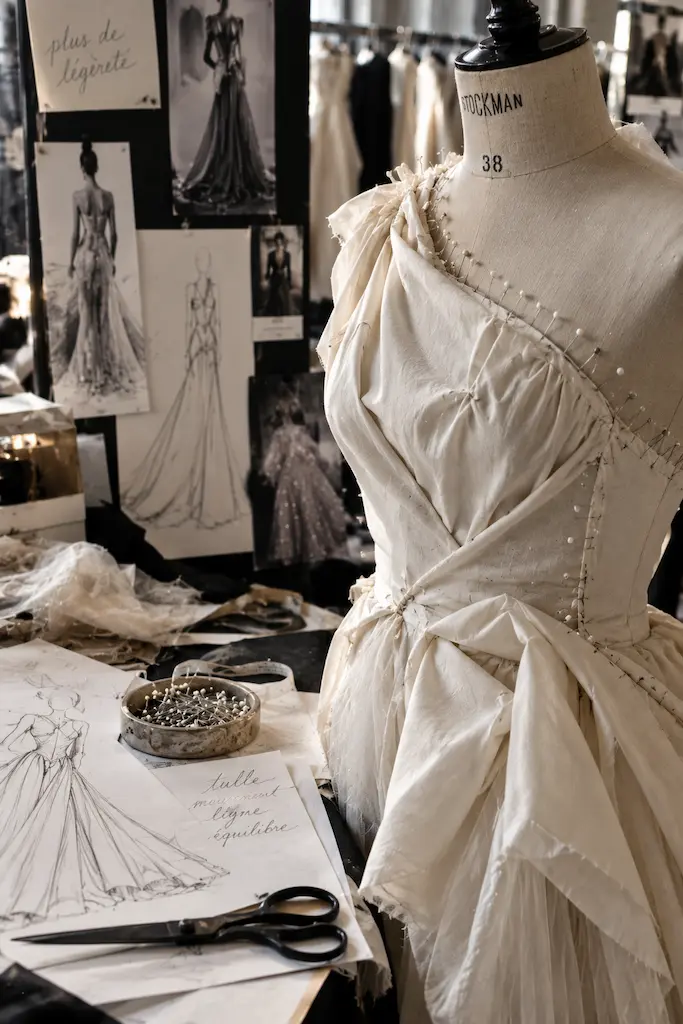
Maybe here is where we’ve been making a mistake. Nostalgia has an unfair advantage: history has already done the editing for us. We remember the masters and quietly forget the thousands of perfectly competent designers who worked beside them. The present comes without that convenience—it arrives crowded, contradictory, occasionally ridiculous and, yes, sometimes wearing something that looks suspiciously like pajamas.
The next master may already be working somewhere in Milan, Athens, Paris, Madrid, Tunis or a coastal town nobody in fashion is paying much attention to yet. They don’t need to give us another Armani jacket, another Balenciaga silhouette or another Saint Laurent color palette. They need somewhere to come from, something worth saying and enough time to say it until the rest of us finally learn how to see it.
The old masters aren’t replaced at all. The old becomes history. The new becomes strange. And eventually, if it is good enough, the strange becomes a classic.
CONTINUE EXPLORING
Inspired by this story? Continue your journey with When Fashion Houses Take Over the Beach →