How an Ancient Coastal Craft Is Shaping Modern Design on Both Shores
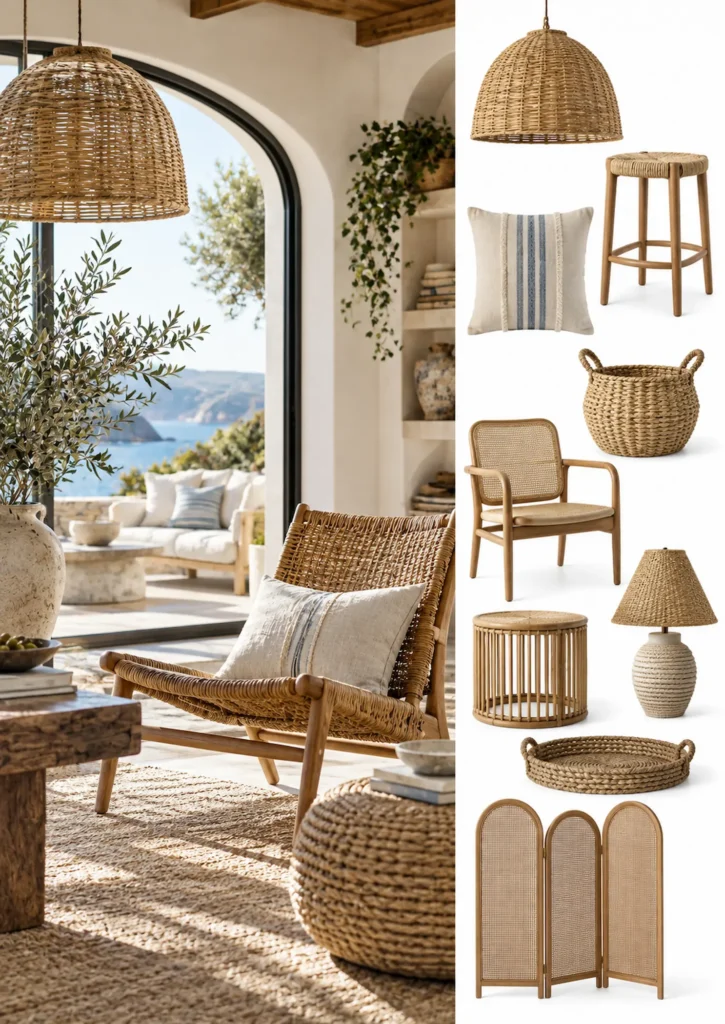
During the 2026 Salone del Mobile in Milan, one thing was difficult to miss: designers are into weaving again. Chairs are wrapped in rope, rattan is being sculpted into increasingly sophisticated forms, and patio furniture looks less like something that has been sentenced to the outdoors. Across the fair, weaving and craftsmanship appeared repeatedly beside natural materials, Mediterranean references and furniture inspired by life near the sea.
Calling weaving a new trend is, of course, slightly ridiculous. Mediterranean craftsmen were making baskets, mats, seats, screens and shades from plant fibers long before a furniture fair could declare them fashionable. What has changed is the appreciation. Instead of hiding the weave beneath upholstery or treating it as rustic decoration, designers are allowing the construction itself to become part of the beauty.
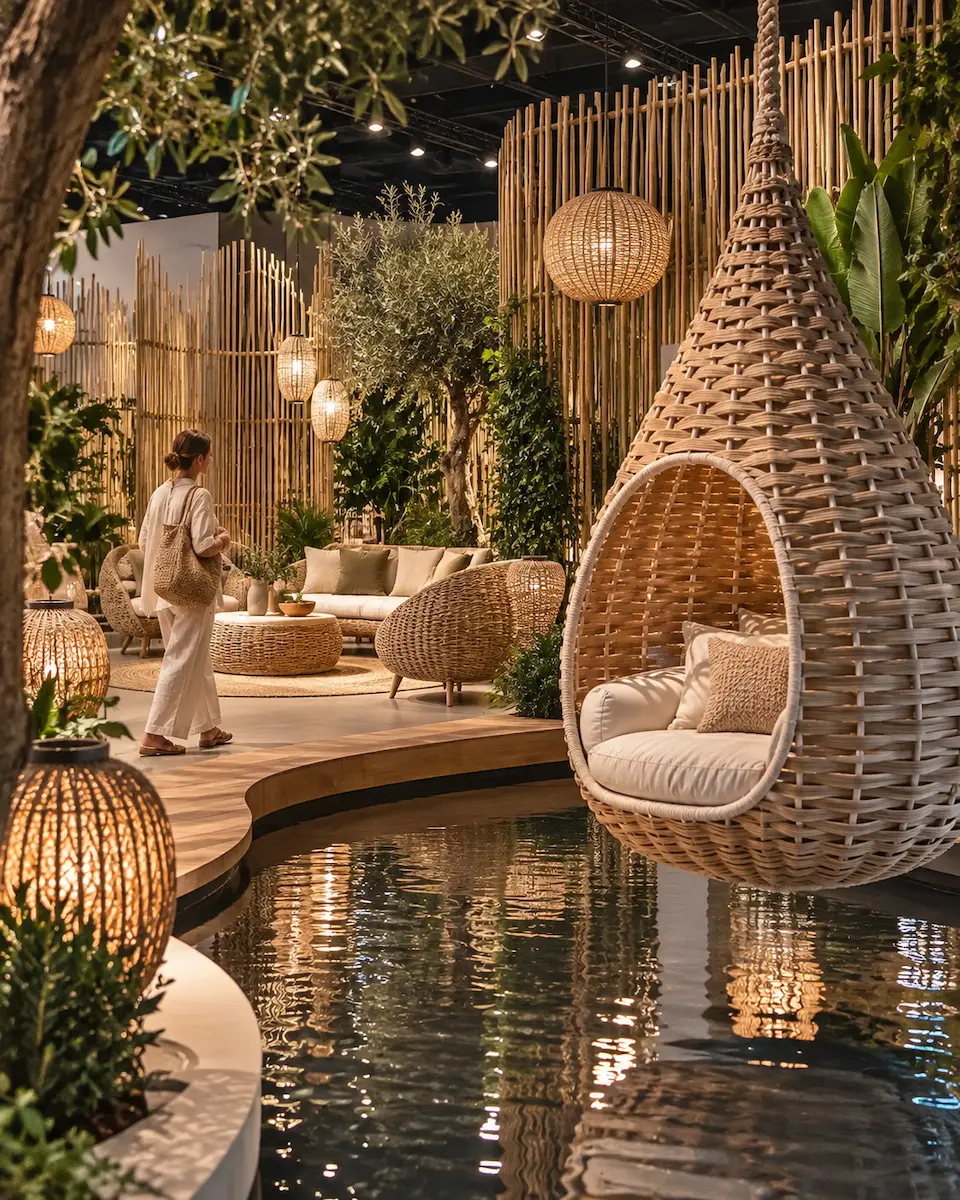
That shift feels especially relevant at a moment when craftsmanship itself is having a revival. SaloneSatellite chose “Skilled Craftsmanship + Innovation” as its 2026 theme, reflecting a wider appetite for objects where the hand, technique and material remain visible rather than polished into anonymity.
A woven chair practically announces how it was made: strand over strand, tension against tension. After years of furniture that can look as though it emerged fully formed from a computer rendering, that evidence of making feels surprisingly luxurious.
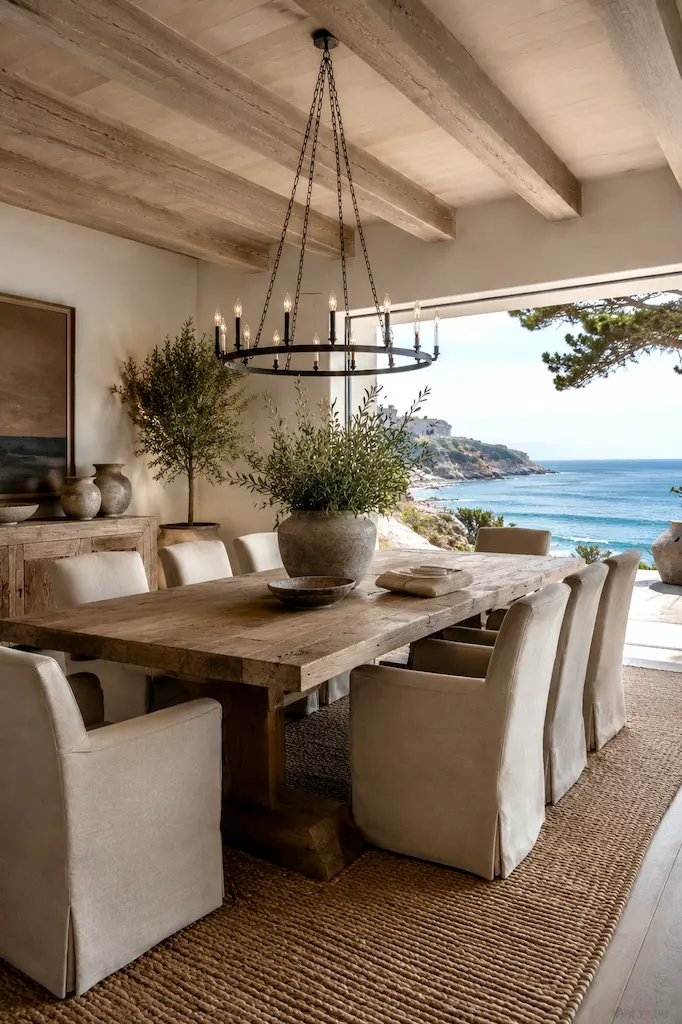
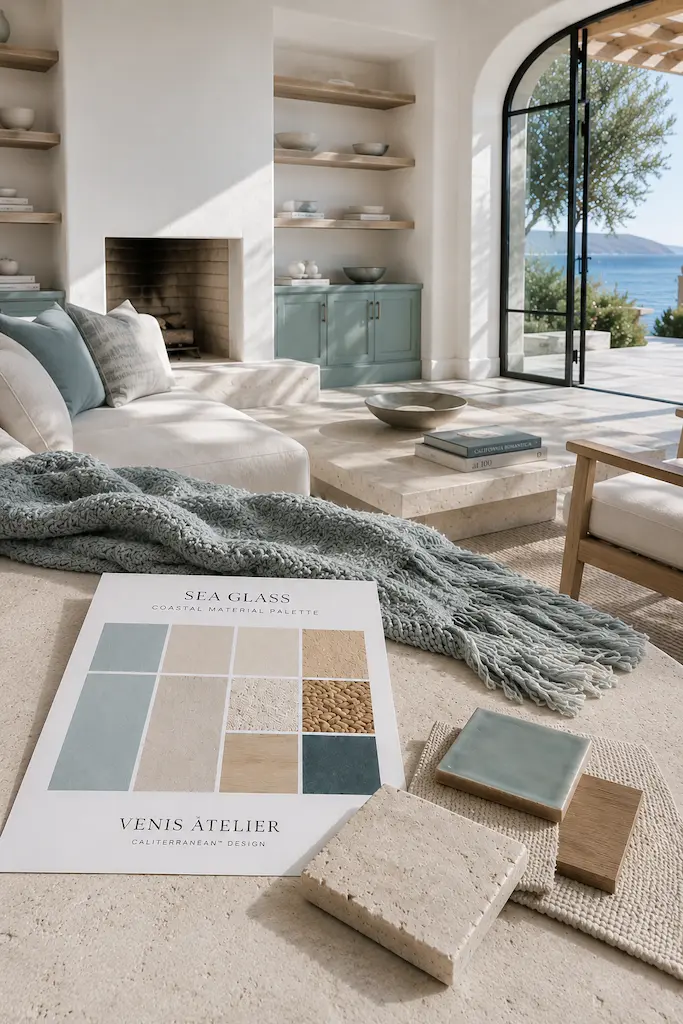
The Mediterranean interpretation still carries the memory of the craft. Cane, rush, cord, wicker and rattan sit easily beside plaster, stone and wood because none of them asks to be perfectly smooth or precious. Their texture is part of the point.
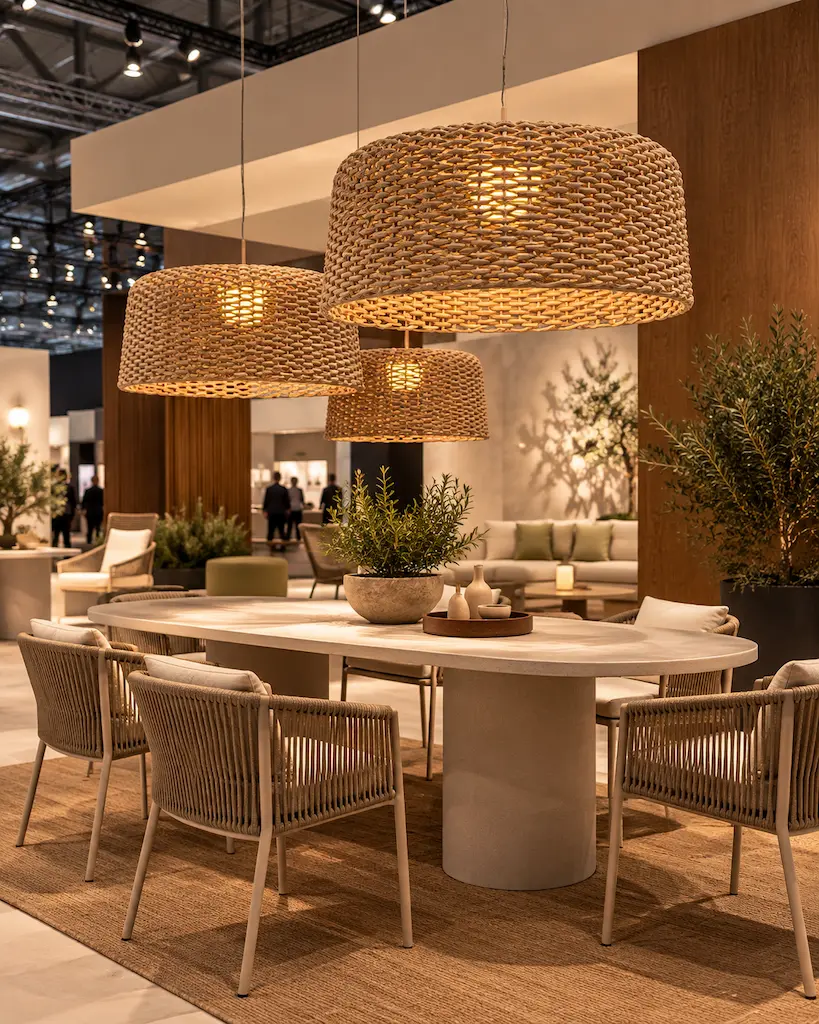
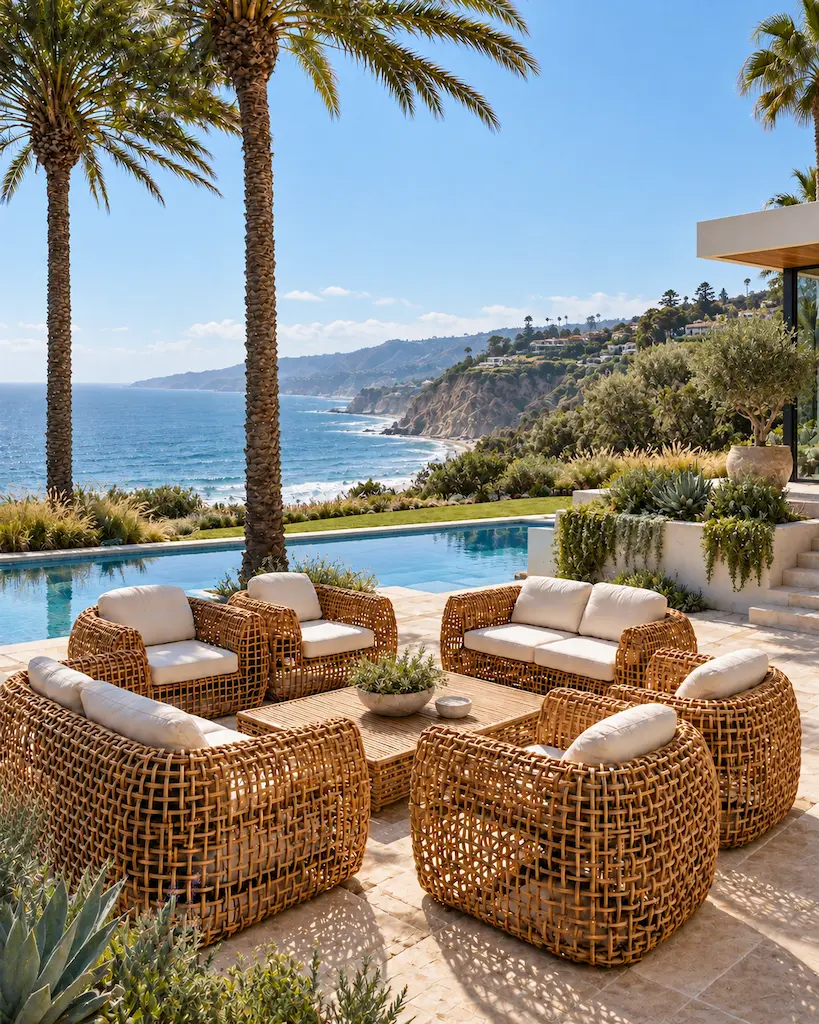
Contemporary brands including Gervasoni, Minotti, Poliform and B&B Italia have revisited cane, wicker, straw rope and woven materials in increasingly polished forms. Materials once associated mainly with terraces and verandas have also moved confidently indoors.
What makes woven furniture particularly relevant now is that it also happens to be exceptionally good coastal furniture. Open construction keeps a piece visually light, texture warms rooms dominated by stone or plaster, and air and sunlight can move through it rather than stopping at a heavy solid silhouette.
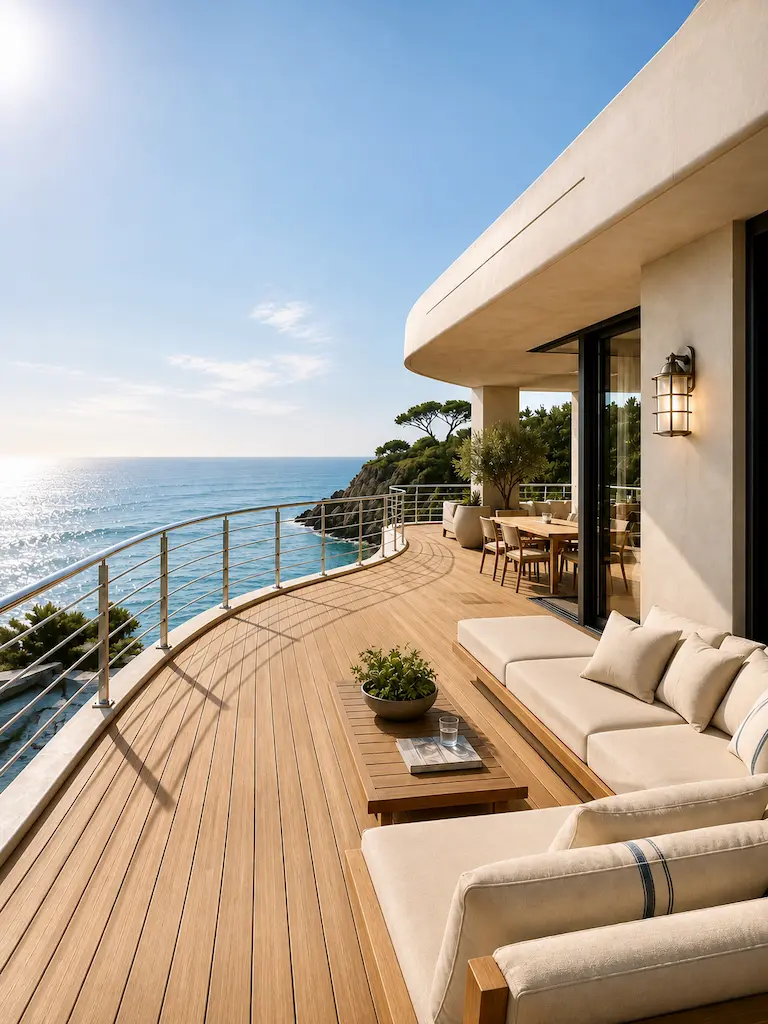
It works almost effortlessly in spaces where doors stay open, terraces behave like rooms and the distinction between indoors and outdoors becomes increasingly theoretical.
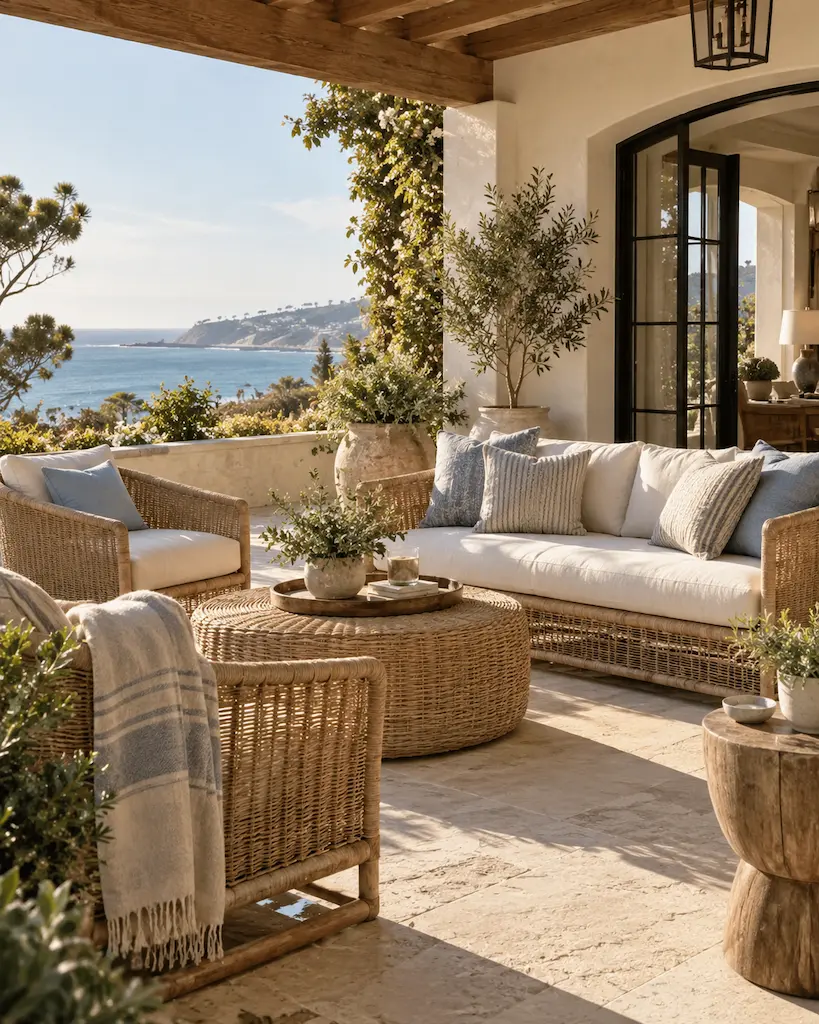
California takes the same material in its own direction. From Carmel, Santa Barbara to Newport Beach, woven furniture has become part of the everyday vocabulary of coastal living, with rope, woven cord and all-weather wicker appearing naturally in patios and rooms designed to flow outside.
The two coasts do not interpret weaving identically, and that is exactly what makes the comparison interesting. In the Mediterranean, woven materials still carry a strong connection to traditional craft and regional making. In California, they are often used to make indoor-outdoor spaces feel lighter, more relaxed and less formal.
Different histories, different habits, but the same appreciation for texture, craftsmanship and furniture that feels at home near the sea.
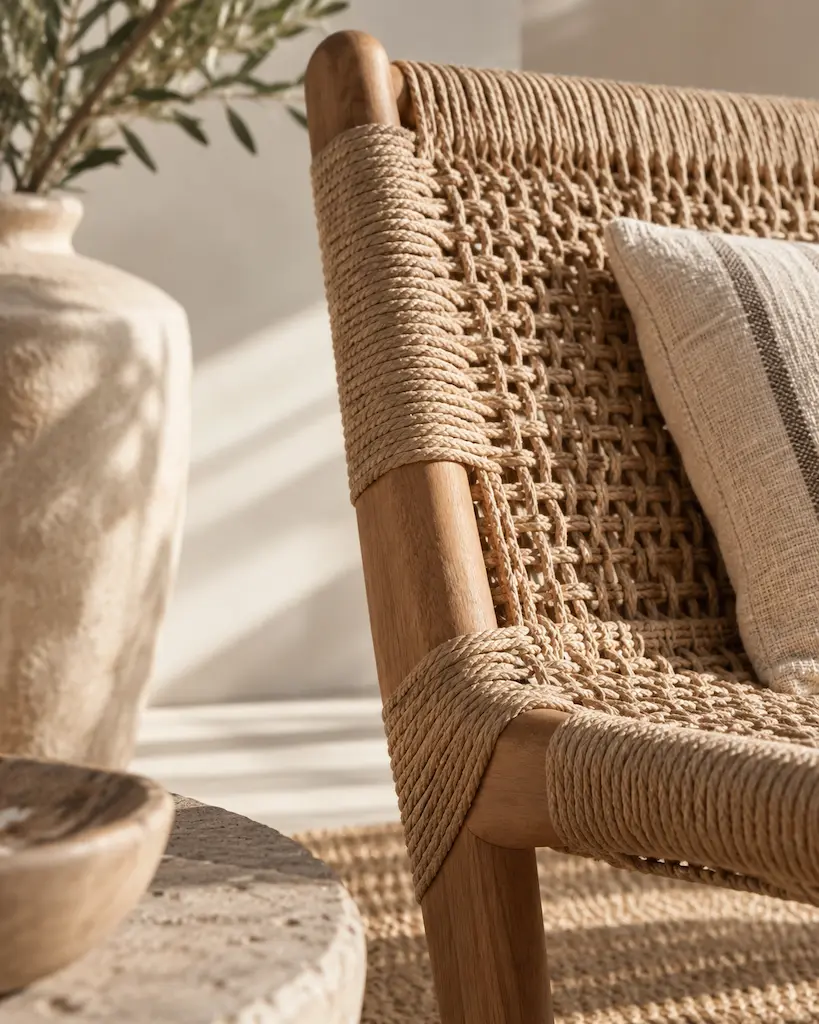
What connects the two shores is less an aesthetic than a way of living. In both Mediterranean coastal homes and California houses, woven materials are comfortable with sunlight, open air and rooms that are meant to be used rather than preserved.
That is why the current revival feels different from the old decorating formula of adding a wicker basket and announcing that the house is now coastal. The strongest rooms use the weave as a material, not a theme: one beautifully made chair beside stone, a rope-backed seat against plaster, a woven lamp casting patterned shadows, or a screen that adds texture without closing the room.
That is where the Caliterranean connection becomes clearest. Weaving may be enjoying its fashionable moment in 2026, but its appeal on these two shores is much older: light, tactile, informal and perfectly comfortable with the doors left open.
And yes, you are allowed to sit on it. Comfort, thankfully, was part of the design too.
CONTINUE EXPLORING
Inspired by this story? The story continues. Here is your next read Please, Stop Calling Everything Mediterranean →