From Venetian Platforms to Hollywood Glamour and Why California Came Back Down to Earth

There was a time when getting dressed up meant getting taller. A dinner reservation, an office, a wedding, a cocktail party: somewhere between choosing the dress and leaving the house came the heels. They clicked through hotel lobbies, waited under restaurant tables and spent entire working days beneath women who had somehow accepted that looking polished required balancing several inches above the pavement. And then, rather quietly, many women stepped down.
Look around California today and the high heel can feel almost like a visitor from another wardrobe. Sneakers go to restaurants, flat sandals go with dresses, loafers appear at work. Even at occasions where heels once seemed practically mandatory, they now share the room with ballet flats, low sandals and kitten heels. The high heel isn’t dead. Fashion keeps bringing it back—lowering it, raising it, sharpening the toe and changing its proportions—but its authority has changed. Which raises a question: how did we become so obsessed with getting farther from the ground in the first place?
When Getting Taller Meant Getting Important
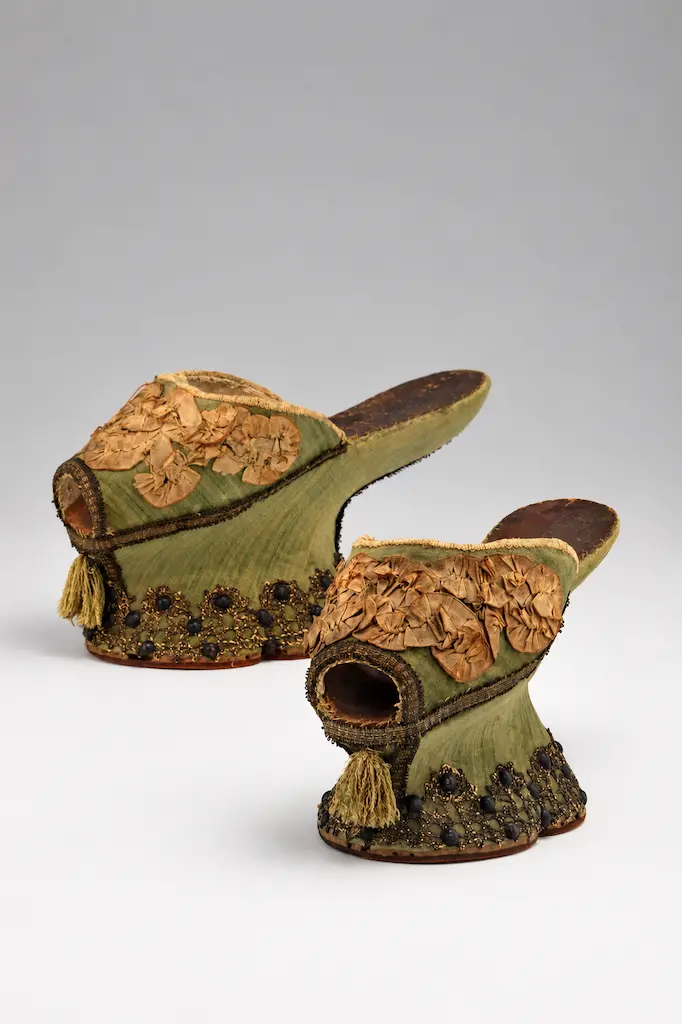
In 16th-century Venice, women wore chopines—platform shoes so high that walking could require assistance. Originally practical for damp, dirty streets, height soon became a display of status. And despite their reputation as courtesans’ shoes, chopines were also worn by patrician women. Venice had discovered something fashion would perfect for centuries: make something inconvenient, expensive and unnecessary, and eventually it becomes a status symbol. So much for comfortable shoes.
But the Venetian chopine wasn’t simply an early stiletto. The history of elevated footwear isn’t one neat evolutionary line. The modern heel has another history—one that, inconveniently for anyone who considers heels inherently feminine, includes quite a lot of men.
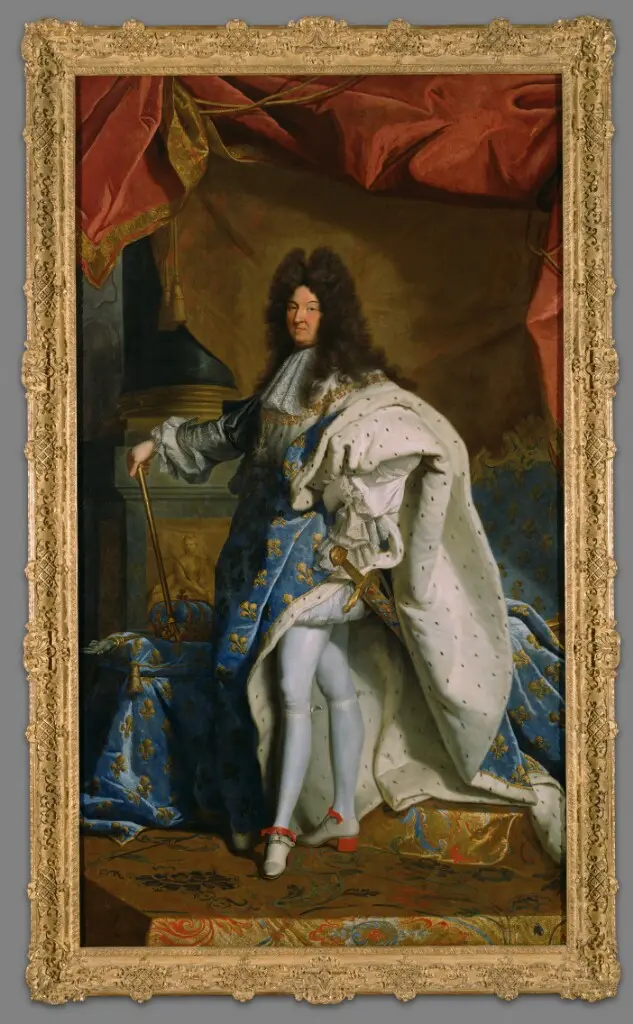
Long before the high heel became shorthand for femininity, heels were part of fashionable male dress and could communicate status and privilege. Nobody exploited that symbolism quite like Louis XIV. The famously image-conscious French king appeared in red heels, and les talons rouges became associated with access to his court and political privilege. Christian Louboutin may have made red soles famous, but Louis XIV got there centuries earlier—and his version was considerably harder to acquire. Money wasn’t enough. You needed access to the king’s court. Fashion, apparently, had a guest list before boutiques did.
The larger point is easy to miss because we’re now so accustomed to thinking of heels as women’s shoes: their meaning was never fixed. Over time, that changed dramatically, and by the 20th century the heel had become one of the most recognizable ingredients in the construction of modern femininity. And then Hollywood got hold of it.
When Hollywood Made the Heel Glamorous
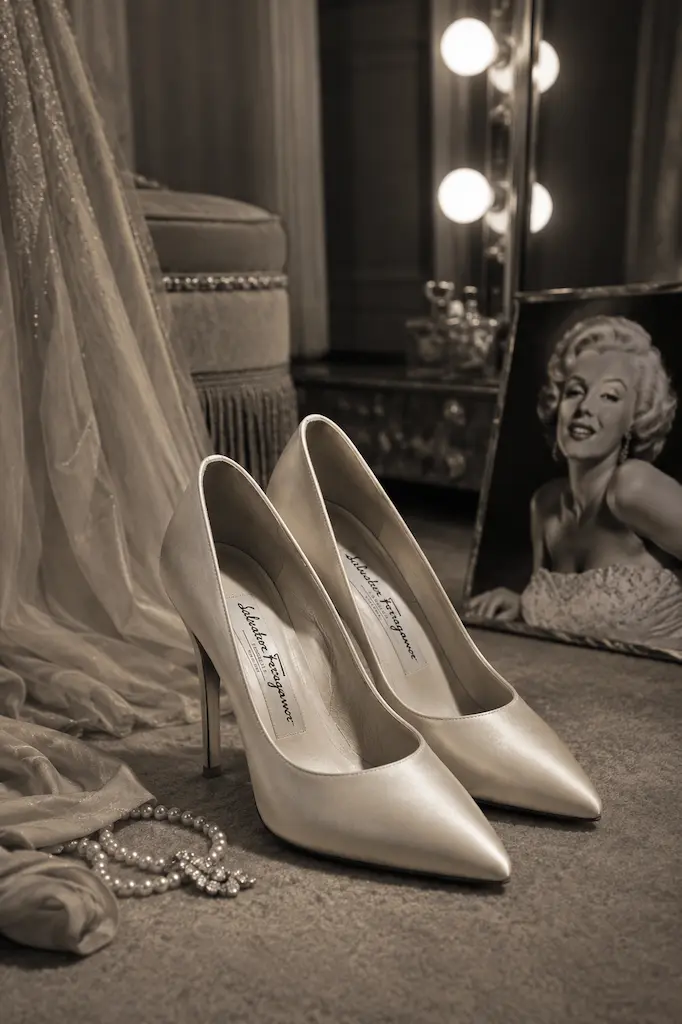
Few people connected Italian shoemaking with Hollywood glamour as successfully as Salvatore Ferragamo. After spending years in America, Ferragamo returned to Italy, combining what he had learned about American production with Italian craftsmanship. Hollywood remained central to his story, and among his most famous customers was Marilyn Monroe, who repeatedly bought his high pumps and wore them both privately and on screen.
Think about what had happened. The elevated shoe that once communicated rank and social position had become something else entirely. On a Hollywood screen, the heel could change posture, movement and silhouette. Millions of women didn’t need to know anything about Venetian sumptuary laws or Versailles etiquette to understand its new message: high heels meant glamour. And Hollywood could export that message everywhere.
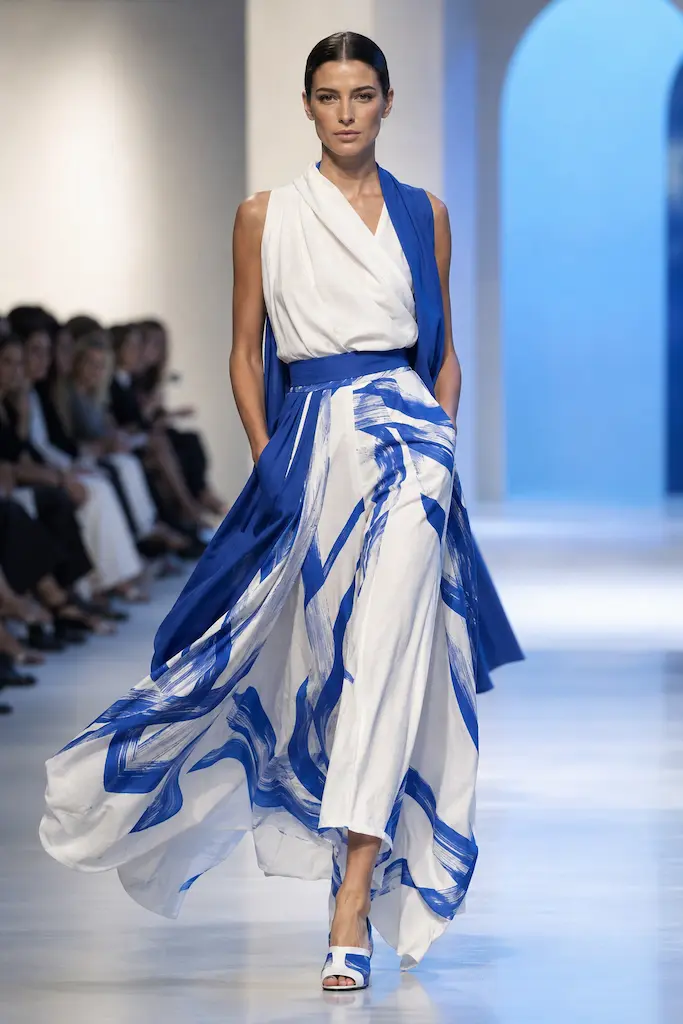
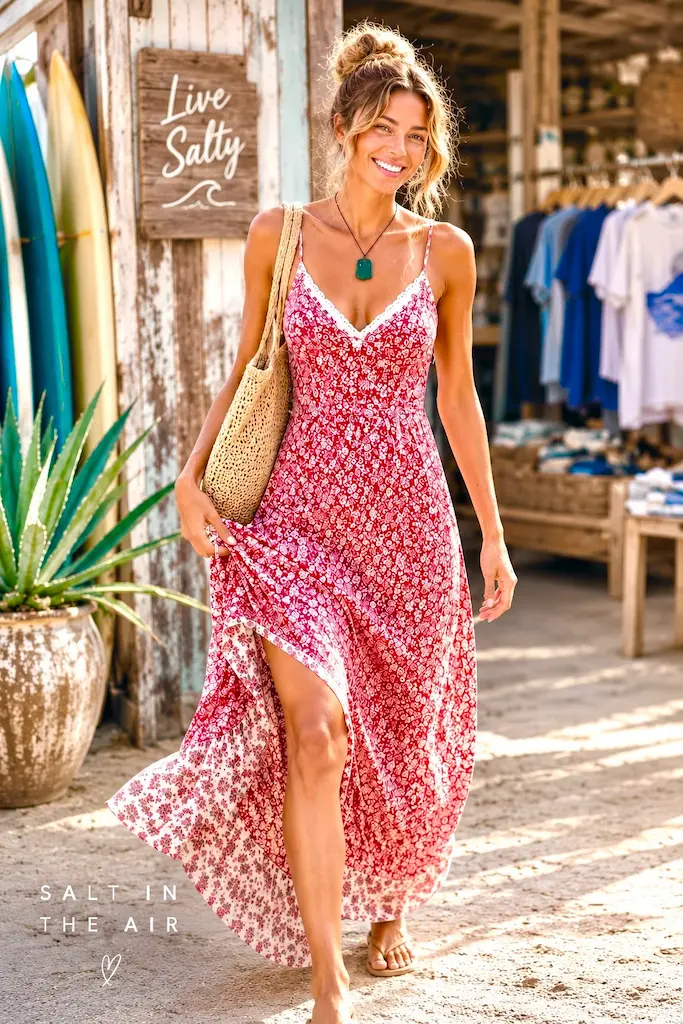
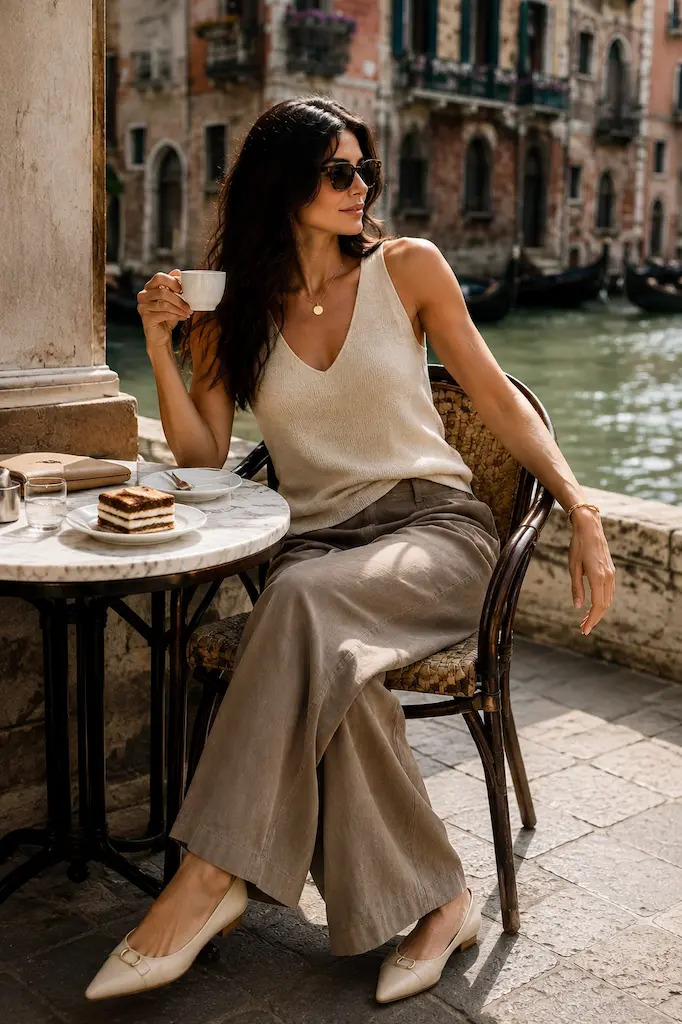
Meanwhile, along the Mediterranean, the heel never disappeared—but contemporary coastal dressing stopped depending on height. Flat sandals, espadrilles, clogs, loafers and sneakers now live comfortably beside dresses and tailoring. Some of that is practical: old streets, steep lanes and island terrain have never been particularly sympathetic to stilettos. But the larger change is cultural. Women on the Riviera didn’t stop dressing elegantly. Elegance simply stopped requiring elevation.
And across the Atlantic, California was undergoing its own version of the same change. The irony is that the place that helped broadcast the high heel’s glamorous image around the world would eventually become one of the places where it made the least sense.
When the Heel Lost Its Job
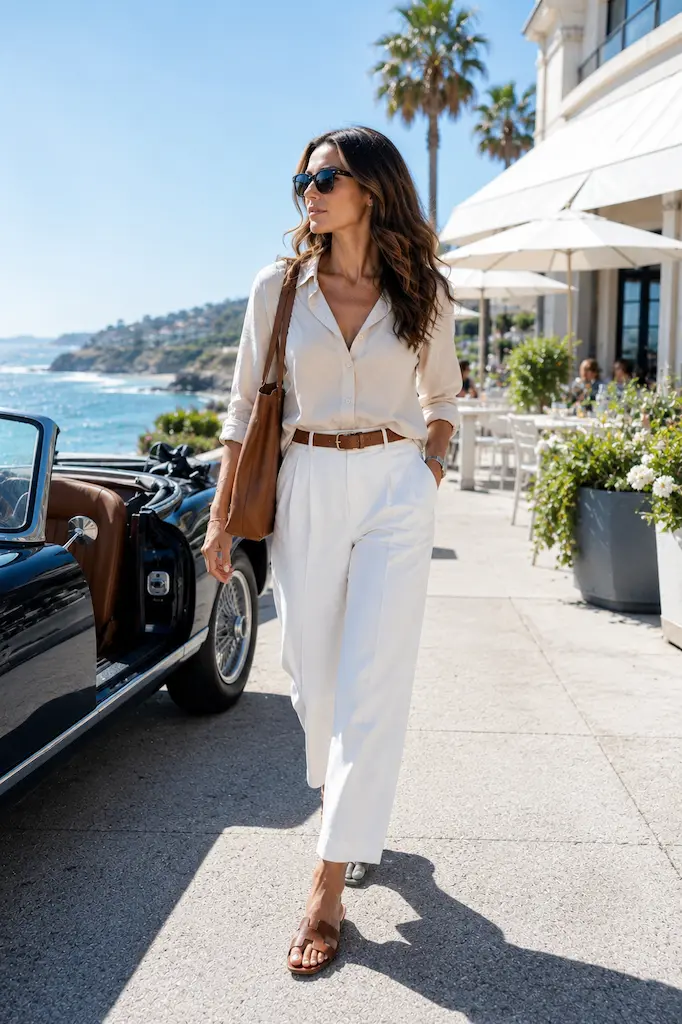
California has never been particularly good at staying formally dressed. Climate matters. Cars matter. Beach culture matters. So does the state’s long relationship with sportswear and casual dressing. The boundaries between work clothes, weekend clothes and social clothes gradually blurred, and eventually the sneaker walked through doors that once belonged to the pump.
There is data behind the change. In 2018, retail figures reported by the Los Angeles Times showed U.S. high-heel sales falling 12 percent in a year while women’s sneaker sales increased 37 percent. Analysts pointed to casual workplaces, greater mobility and changing attitudes toward comfort. The liberation went beyond shoes, too. Hosiery, once practically inseparable from a polished pair of pumps, largely disappeared from everyday dressing. The old formula—heels, stockings and all—was coming apart piece by piece.
A sneaker could be fashionable, a flat could be elegant, and a sandal could accompany an expensive dress without apologizing for itself. Women simply had more choices. Fashion hasn’t abandoned the heel—kitten heels return, stilettos return, platforms return, and fashion loves nothing more than announcing the return of something that never entirely left—but the heel no longer has quite the same job.
For generations, heels helped announce that a woman had made an effort: dressed for work, dressed for dinner, dressed for an event, dressed like a grown-up. Today those messages can be communicated without adding three or four inches. A Venetian woman could once use extraordinary footwear to announce status, Louis XIV used a red heel to signal court privilege, and Hollywood used the stiletto to manufacture glamour. The shoe kept changing because what we wanted it to say kept changing.
Even fashion’s early look toward 2027 seems to understand the new arrangement. Ballet flats, Mary Janes, mules and other low-to-the-ground shoes remain prominent, while the heel is being treated more playfully. Havaianas debuted its first-ever heeled flip-flop at Copenhagen Fashion Week 2027. Apparently, fashion came back down to earth—then decided it still wanted an extra inch or two.
The heel hasn’t disappeared; perhaps it has simply found a better job. Once an expectation, it can now be worn for the far more interesting reason that someone actually wants to wear it. Perhaps the most modern thing about the high heel is that it doesn’t have to say anything at all. Wear it because you love it; leave it at home because you don’t. After several centuries spent climbing higher and higher, fashion finally discovered the ground.
CONTINUE EXPLORING
Inspired by this story? The story continues. Here is your next read Why Coastal Towns Love Wearing Breton Stripes→