
Every summer, shells return to fashion. They appear on necklaces and earrings, embroidered onto linen dresses, stitched onto handbags, and sculpted into couture gowns. Fashion magazines announce them as the season’s newest obsession, as though the sea has suddenly become fashionable again. But shells were never a trend. Long before they appeared on luxury runways, they symbolized beauty, love, craftsmanship, and life by the sea. Fashion doesn’t reinvent shells every few years—it simply rediscovers one of humanity’s oldest sources of inspiration.
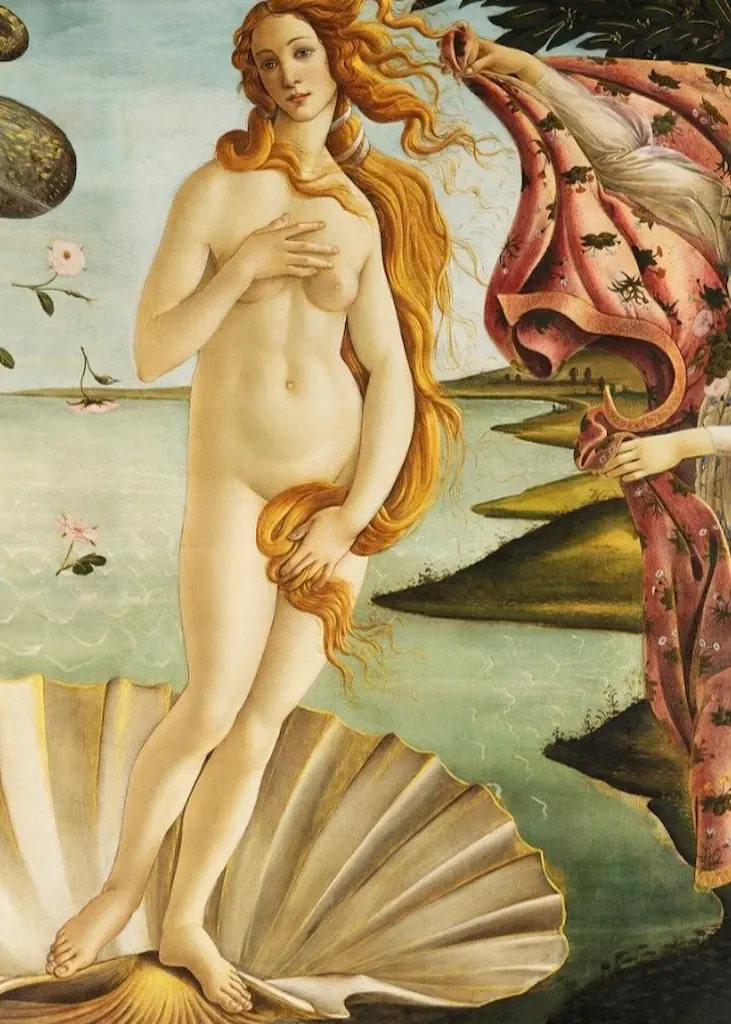
Our story begins on the Mediterranean. According to Greek mythology, Aphrodite, the goddess of love and beauty, emerged from the sea upon a shell. The image became one of the most enduring symbols of the ancient world, later immortalized by Sandro Botticelli in The Birth of Venus during the Renaissance. Although Botticelli painted the scene around 1485, he wasn’t inventing the shell as a symbol of beauty. He was reviving an idea that had already endured for centuries. The shell came to represent birth, femininity, abundance, and the mysterious generosity of the sea. That is why we still instinctively associate shells with beauty today.
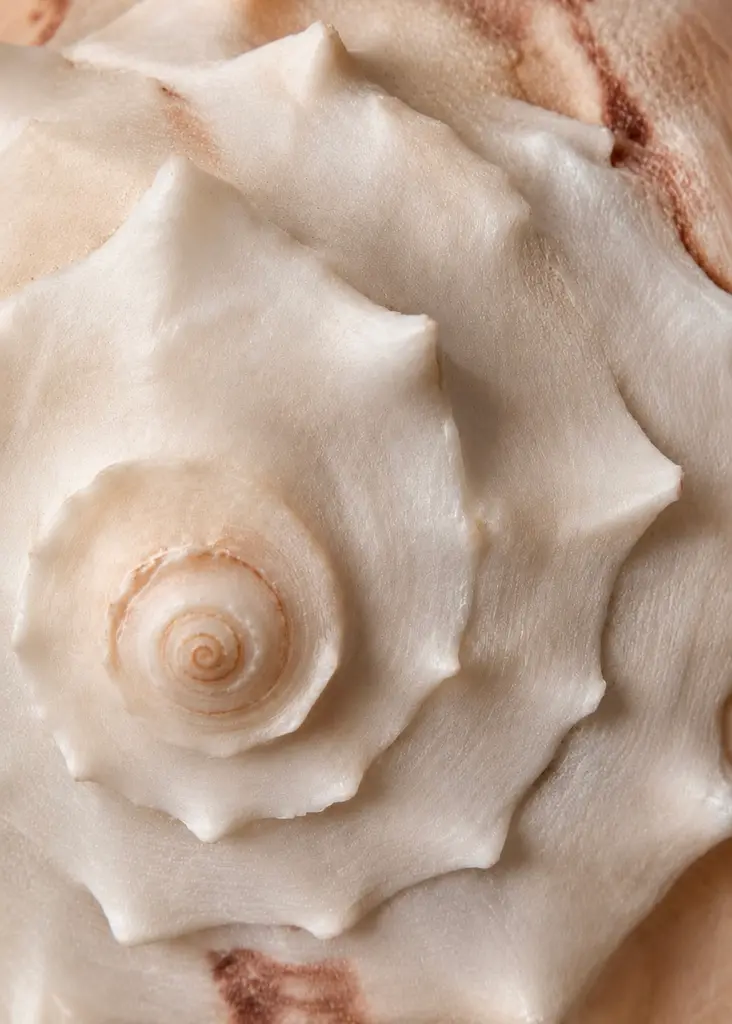
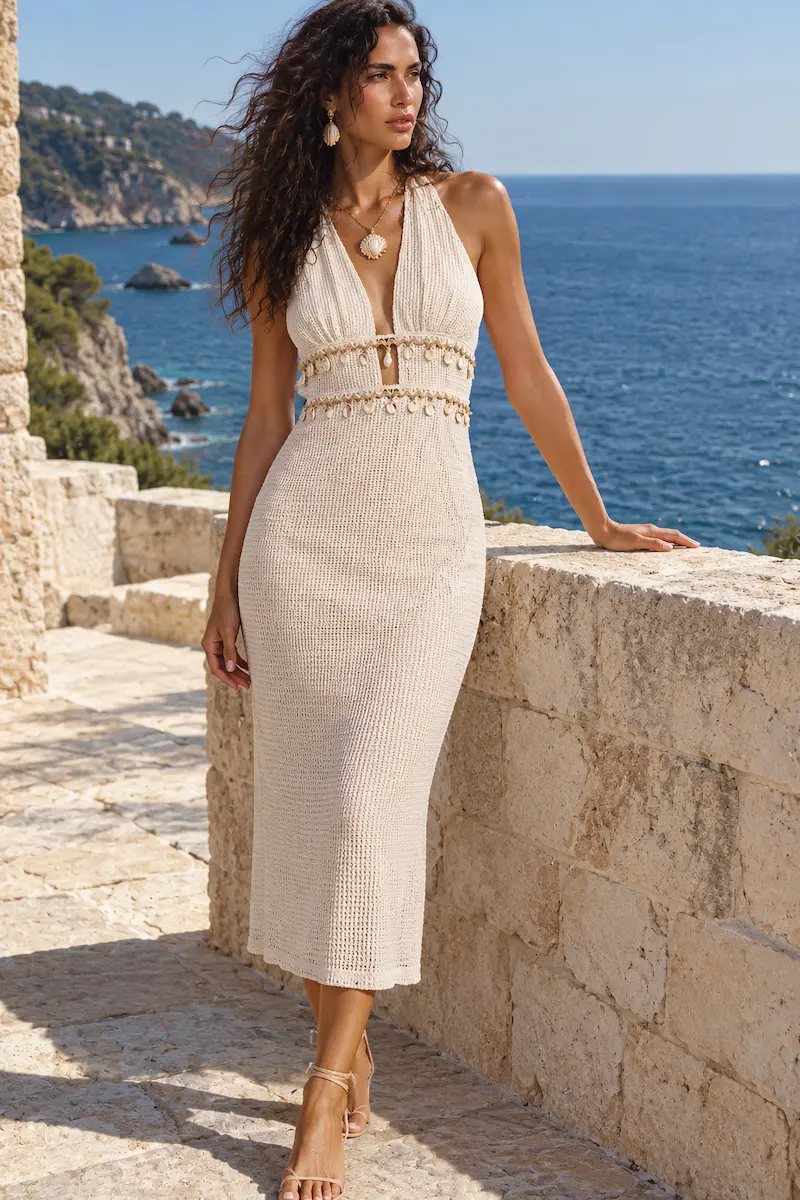
Although today’s designers embroider shells onto couture gowns and transform them into sculptural accessories, nature perfected the design long ago. Every spiral follows mathematical patterns found throughout the natural world. Their ridges catch the light like pleated silk, their curves resemble carved marble, and no two are exactly alike. While fashion often speaks of innovation, the sea has quietly been creating original designs for millions of years. Every shell is unique. Fashion spends every season searching for originality. The sea has been creating one-of-a-kind pieces all along.
Archaeologists have discovered pierced shells dating back more than 100,000 years, making them among the earliest forms of personal adornment ever worn. Before gemstones. Before gold. Before precious metals. There were shells. Collected along the shoreline, drilled by hand, and strung into necklaces that carried both beauty and memory. Every shell necklace made today continues a tradition that began long before anyone called it fashion.
Along Italy’s Bay of Naples, shells became a canvas. In Torre del Greco, near Naples, artisans have carved shell cameos by hand since the nineteenth century. Workshops such as Cameo Italiano continue this remarkable tradition today, transforming naturally layered shells into wearable sculptures inspired by classical mythology, flowers, and coastal life. Each cameo begins with a shell shaped by the sea before the artisan ever picks up a carving tool. Rather than adding beauty, the craft reveals what nature has already hidden within.

The relationship between shells and craftsmanship continues on both shores.
In San Diego, Beach Bones Jewelry gathers shells along the Southern California coast before transforming them into handcrafted jewelry that preserves their weathered textures and natural beauty. Across the Atlantic, Cameo Italiano continues one of the Mediterranean’s oldest shell-carving traditions, creating contemporary cameos using techniques passed down through generations. Separated by an ocean, both begin with the same material. The sea.
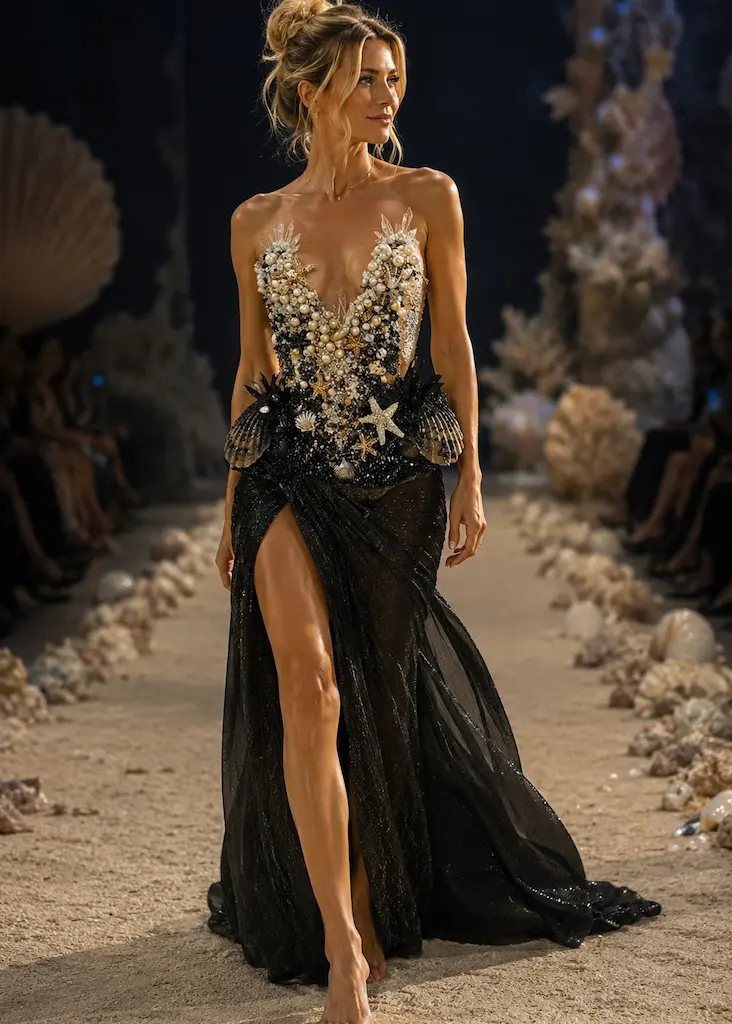
Luxury fashion repeatedly finds its way back to the sea. Perhaps that shouldn’t surprise us. Shells already possess everything fashion admires: texture, geometry, movement, and timelessness. Recent collections prove the fascination hasn’t faded. Under Chemena Kamali, Chloé embraced shell necklaces, shell-shaped minaudières, and marine-inspired accessories that echoed Mediterranean summers. Balmain explored the shoreline through shell embellishments, rope details, and coastal motifs, while Tory Burch and Simkhai incorporated shell jewelry and sculptural seaside references into contemporary collections.
Luxury often celebrates rare materials. The coast celebrates ordinary ones. Linen. Rope. Olive wood. Woven straw. Shells. And this is why coastal style never really goes out of fashion. It begins with objects that have already stood the test of time. Fashion isn’t inventing something new. It’s rediscovering a language the sea has spoken for millions of years.
Before shells became fashion, they were mythology. Before they became mythology, they were nature. Every generation simply finds a new way to wear what the sea has been making all along.
Did You Know?
The word cameo comes from the art of carving raised relief images into layered shells or stone. For nearly two centuries, the Italian town of Torre del Greco has been considered the world’s capital of shell cameo carving.
The shell beneath Aphrodite’s feet is traditionally shown as a scallop shell, which later became one of Europe’s most recognizable symbols through the Camino de Santiago pilgrimage.