Three Autumn Fruits With Surprisingly Complicated Pasts
October has its own palette. Summer’s peaches and red tomatoes make way for ruby pomegranates, golden pears and persimmons glowing in shades of orange. Conveniently, they all begin with P, saving us the trouble of inventing a more complicated theme. Less conveniently, they have almost nothing else in common.
One became a symbol of love, marriage and the underworld. Another was celebrated by the Romans before becoming almost too ordinary to notice. The third traveled from Asia to the Mediterranean and California, collecting a rather unusual weather-predicting reputation along the way.
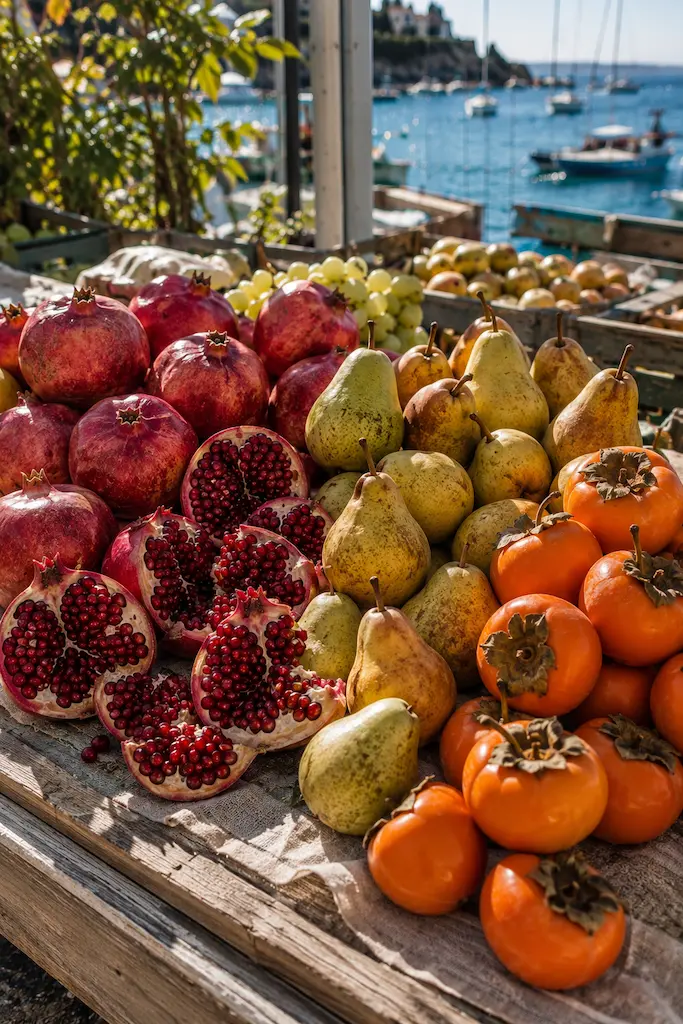
Pomegranate: The Fruit With Too Many Responsibilities
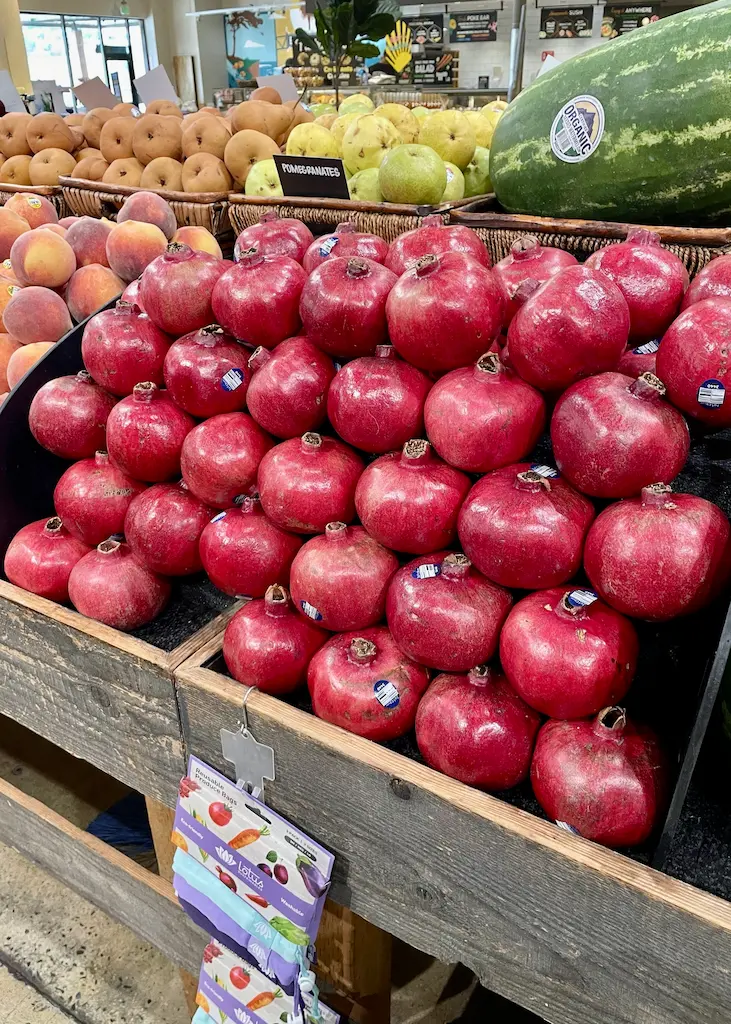
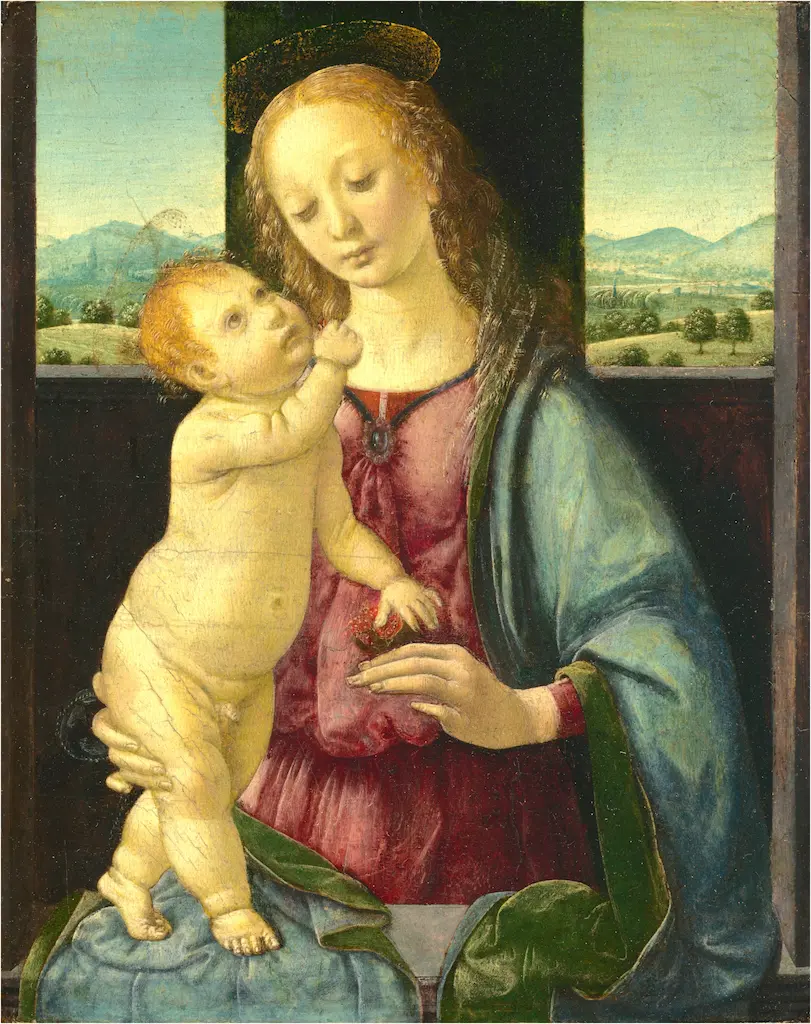
Few fruits have been given as much cultural responsibility as the pomegranate. Ancient Greeks connected it with Aphrodite, Hera and Persephone, whose famous encounter with pomegranate seeds helped explain the changing seasons. Later, it appeared in Christian and Renaissance art, including Botticelli’s Madonna della Melagrana. Love, marriage, death, rebirth and religion—quite the résumé for something we now sprinkle over salad.
In Greece, the pomegranate still symbolizes prosperity, particularly at New Year, when tradition calls for smashing one at the doorstep. The scattered seeds represent abundance entering the home. A beautiful sentiment, although perhaps less enchanting for whoever cleans up afterward.
California’s warm, dry growing regions proved equally welcoming to this Mediterranean favorite. Beyond its decorative role, pomegranate brings a sharp sweetness to salads, roasted vegetables and cheeses, while its juice makes syrups and sauces. Pomegranate molasses, especially important in eastern Mediterranean and Middle Eastern kitchens, offers a delicious reminder that this fruit was doing considerably more than looking pretty long before wellness culture discovered it.
Pear: The Fruit We Forgot to Appreciate
The pear has a quieter reputation, but ancient Romans knew better. Roman agricultural writers described numerous varieties, while fruit appeared in the still-life art of Pompeii as a symbol of cultivated abundance. Centuries later, European orchards continued producing pears that were crisp, buttery, floral, spicy or wonderfully fragrant. Somehow, all that personality became just another item in the supermarket produce aisle.
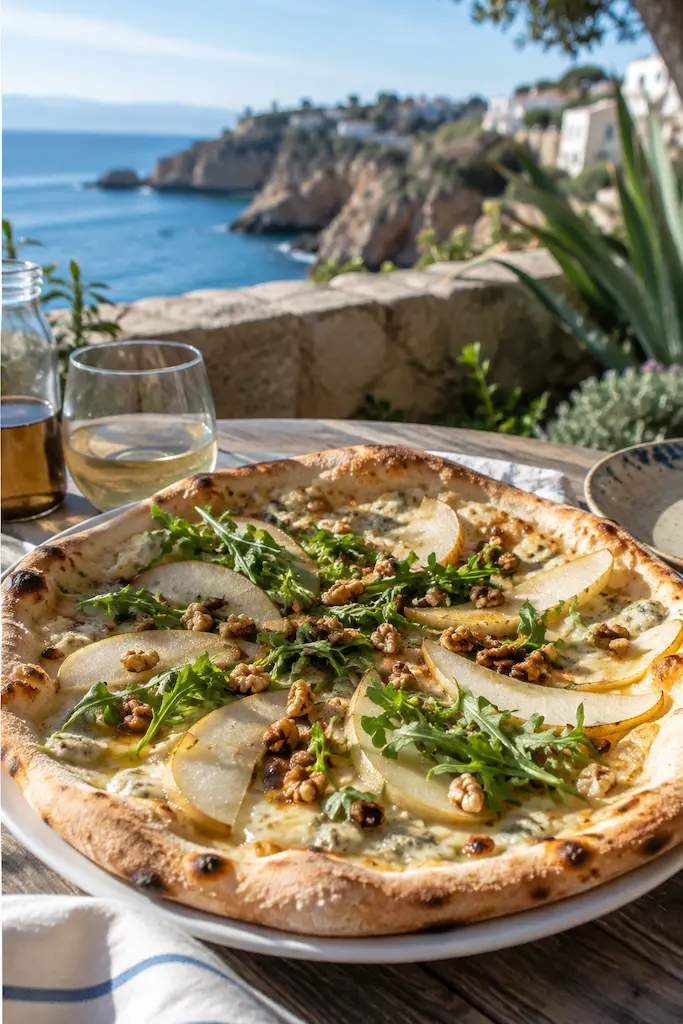
Part of the problem is timing. Many European pears ripen after harvesting, giving us that famously brief interval between not ready yet and how did this become mush overnight? Across the Mediterranean, a ripe pear alongside cheese and walnuts requires very little culinary ambition. California, naturally, took those same ingredients, added blue cheese and put the whole thing on a pizza. Because apparently even a pear can have a second career.
Even their names hide surprises. America’s Bartlett pear is essentially Europe’s Williams pear, thanks to a nineteenth-century naming confusion that never quite got corrected. California has its own pear heritage, particularly around the Sacramento River Delta, where orchards have produced fruit for generations. Perhaps the pear doesn’t need reinvention; it simply needs better publicity.
Persimmon: The Outsider Who Became a Local
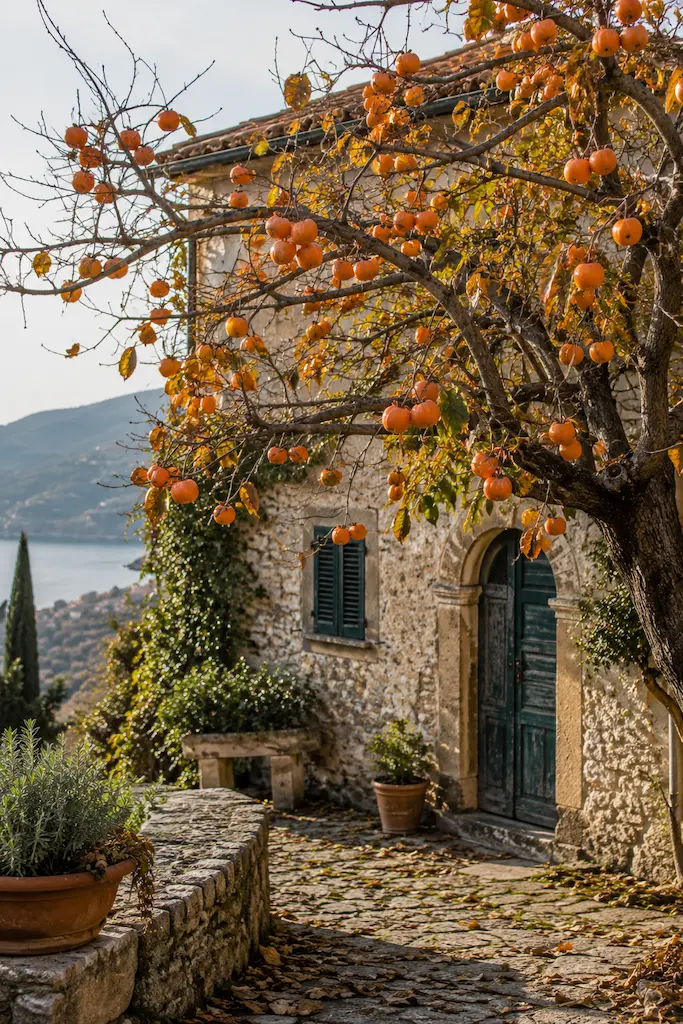
Persimmons look so convincing in a Mediterranean autumn that pointing out their Asian origins almost feels impolite. Native to China, the Asian persimmon eventually traveled west, finding enthusiastic new homes in Italy, Spain and California. Spain’s Valencia region even made the Rojo Brillante variety an important commercial crop. The newcomer didn’t merely fit in; it became part of the scenery.
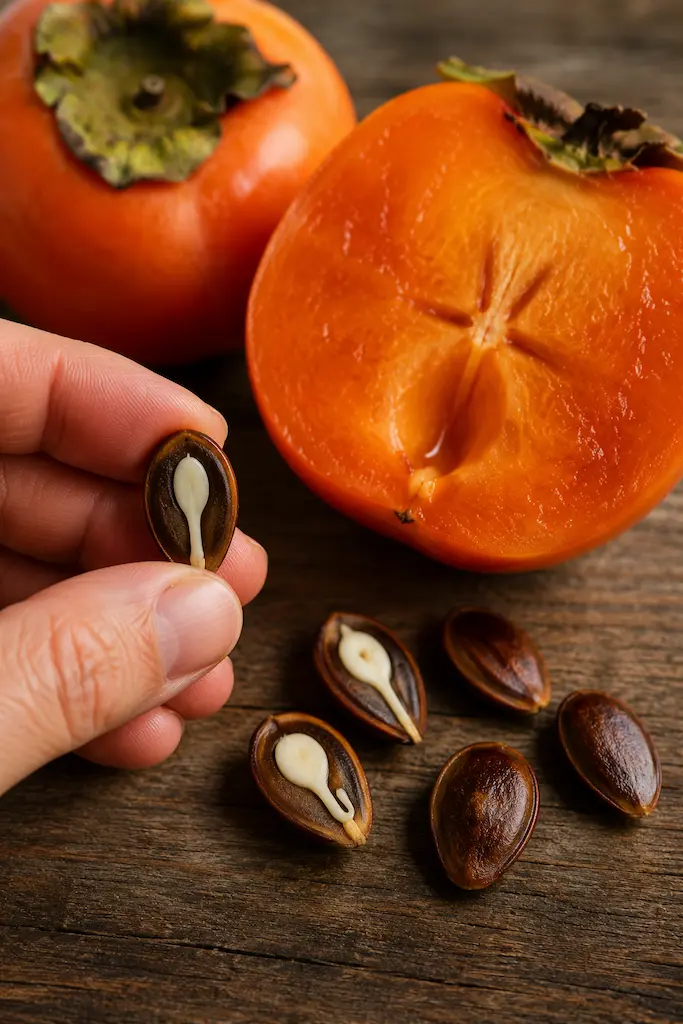
Italy went one step further and gave the fruit a weather forecast. According to rural folklore, cutting open a persimmon seed reveals a pale shape predicting winter: a fork means mild weather, a spoon suggests snow and a knife warns of bitter cold. In Sicilian tradition, the shape has also been associated with the manuzza di Maria, or little hand of Mary. Botanically, it’s simply the developing plant embryo, but a miniature meteorologist inside a fruit is admittedly more entertaining.
The fruit itself has an identity all its own. Its flavor can suggest apricot, honey and dates, while its texture depends enormously on the variety. Some persimmons are best enjoyed luxuriously soft with a spoon; others can be sliced firm like apples. Italy loves its soft kaki, Spain markets firm persimmons, and California happily puts them into everything from autumn salads to puddings.
Three Fruits, Three Journeys
Together, October’s three P’s tell three very different stories about how food becomes part of a place. The pomegranate became a symbol, accumulating mythology, art and ritual as it traveled. The pear became so deeply embedded in European and Californian food culture that familiarity almost erased how varied and historic it really is. The persimmon did the opposite: it arrived from somewhere else, was enthusiastically adopted and eventually became local enough to acquire Mediterranean folklore of its own. Seasonal eating becomes much more interesting when we stop asking only what is ripe and start wondering why it is growing here, who brought it and what people decided to do with it. This October, the answers happen to begin with P.