Creating Outdoor Rooms
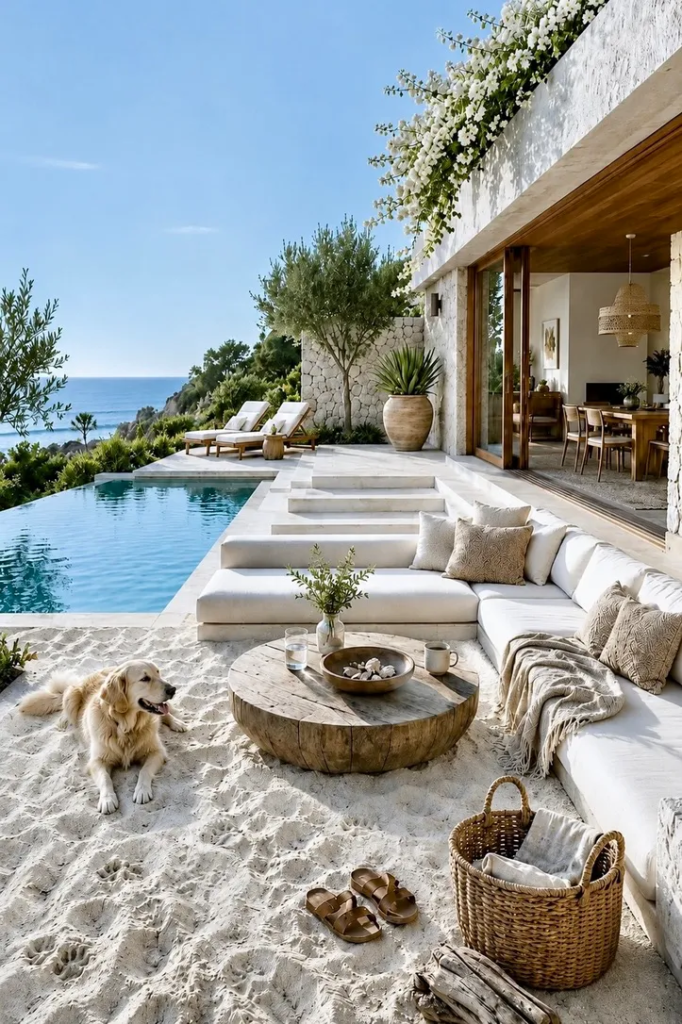
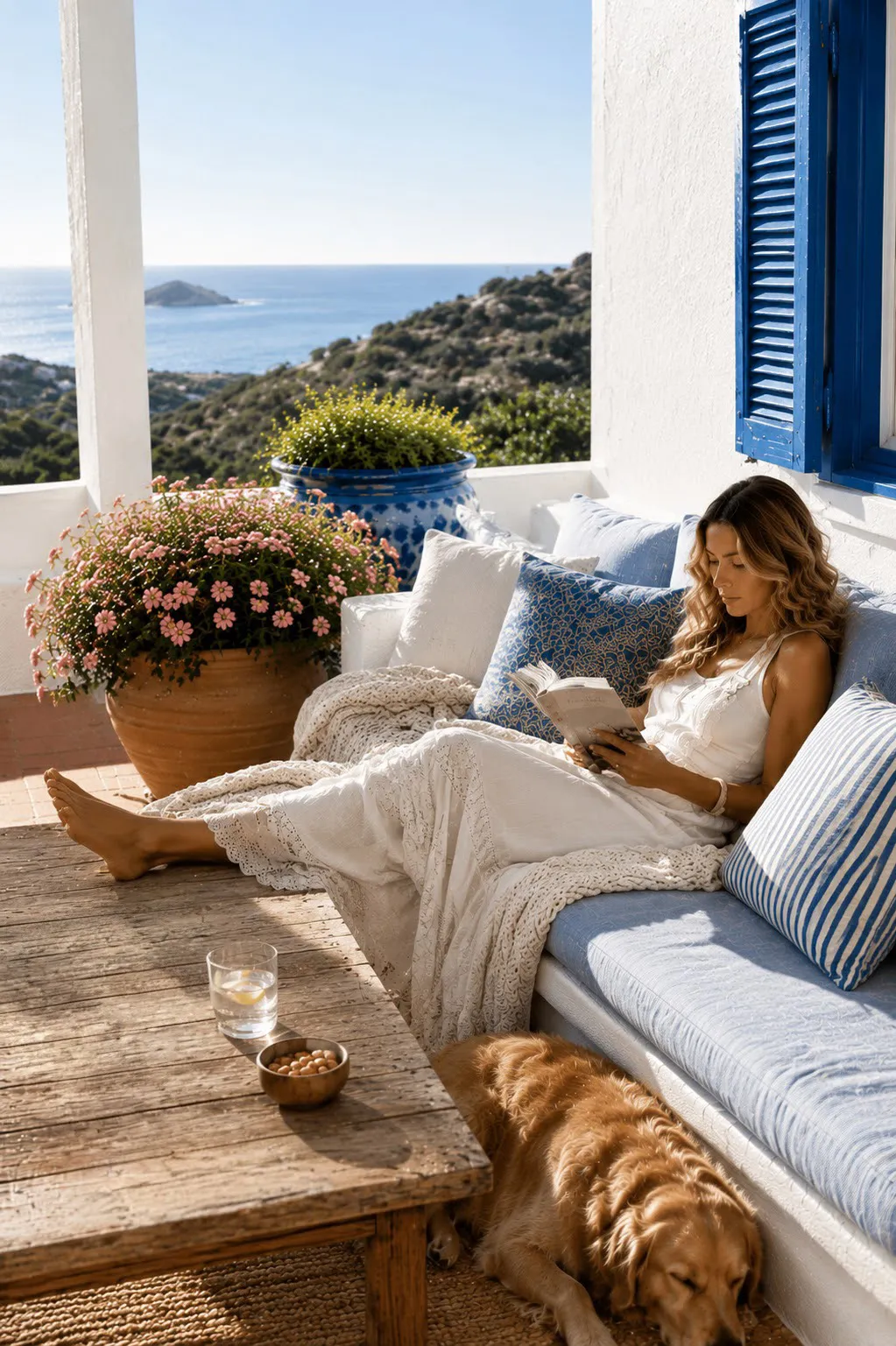
Most backyards have an identity crisis. They contain a barbecue that’s used mostly on holidays, a dining table that quietly collects pollen, and a corner of lawn that exists for no obvious reason other than needing to be mowed every Saturday. Then you spend time in California or the Mediterranean and notice something different. The backyard has been promoted. It isn’t simply outside anymore. It’s another room of the house—just with considerably better ventilation. That’s probably why homes near the sea feel so different. They don’t treat outdoor space as somewhere you occasionally visit. They treat it as somewhere life naturally happens.
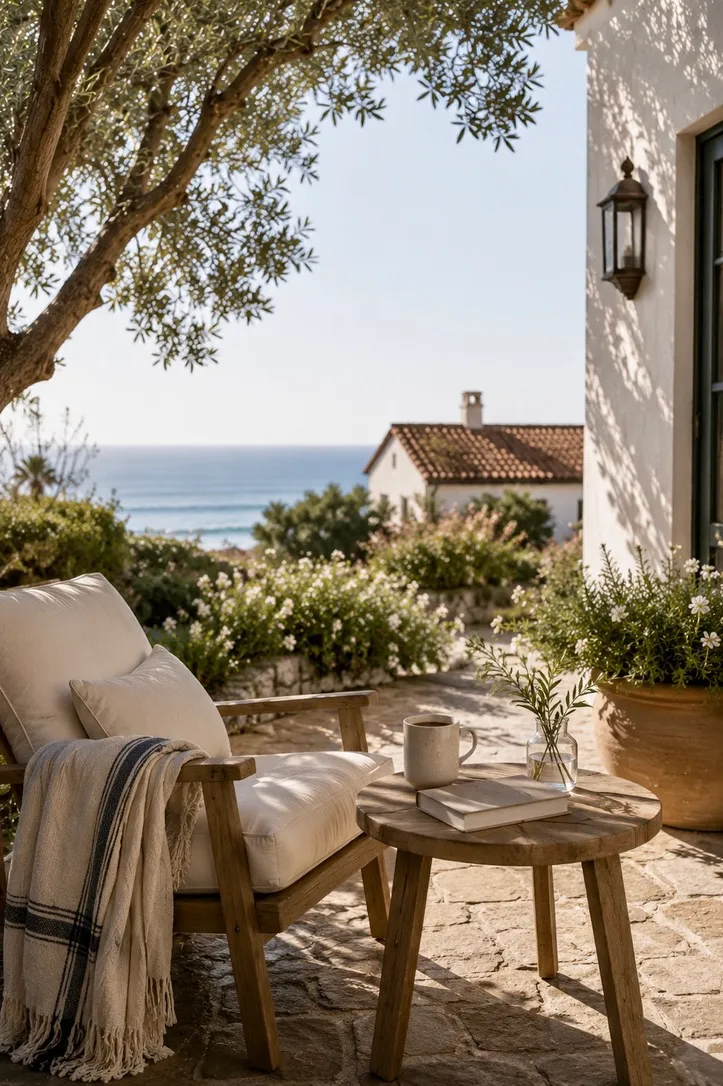
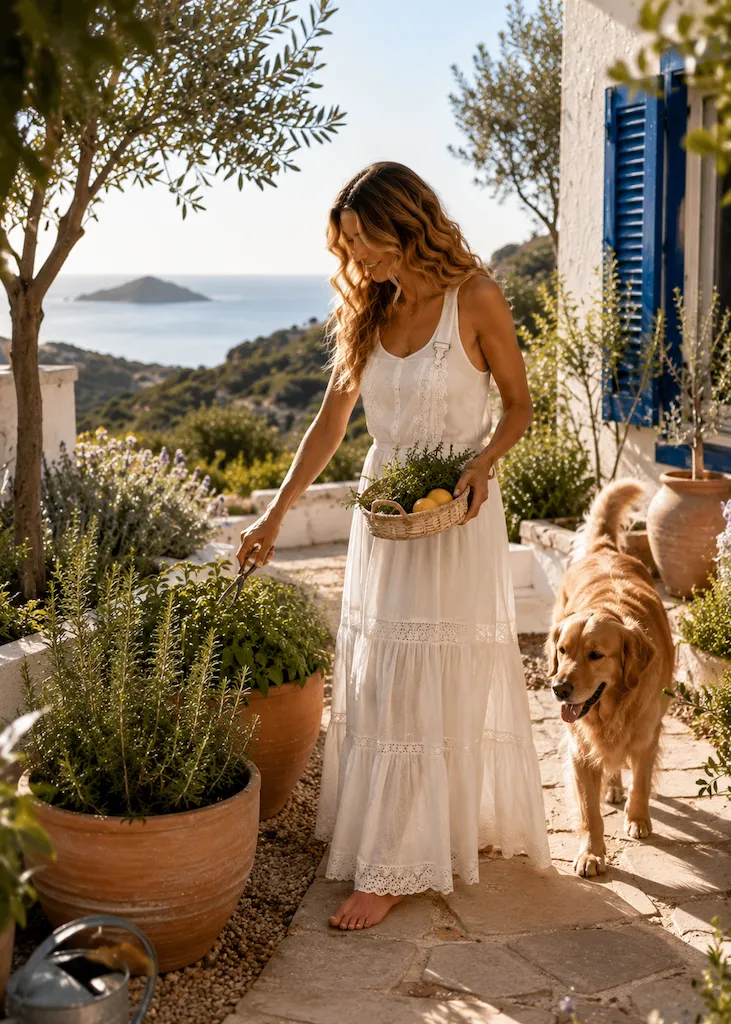
The first outdoor room belongs to the morning, and it’s remarkably inexpensive to create. One comfortable chair, a small table, and a good cup of coffee have launched countless excellent days. The stone is still cool beneath bare feet, the air smells faintly of rosemary or jasmine, and even the neighborhood seems to have agreed that emails can wait another ten minutes. It’s amazing how much more interesting the morning becomes when you’re not looking at it through a kitchen window.
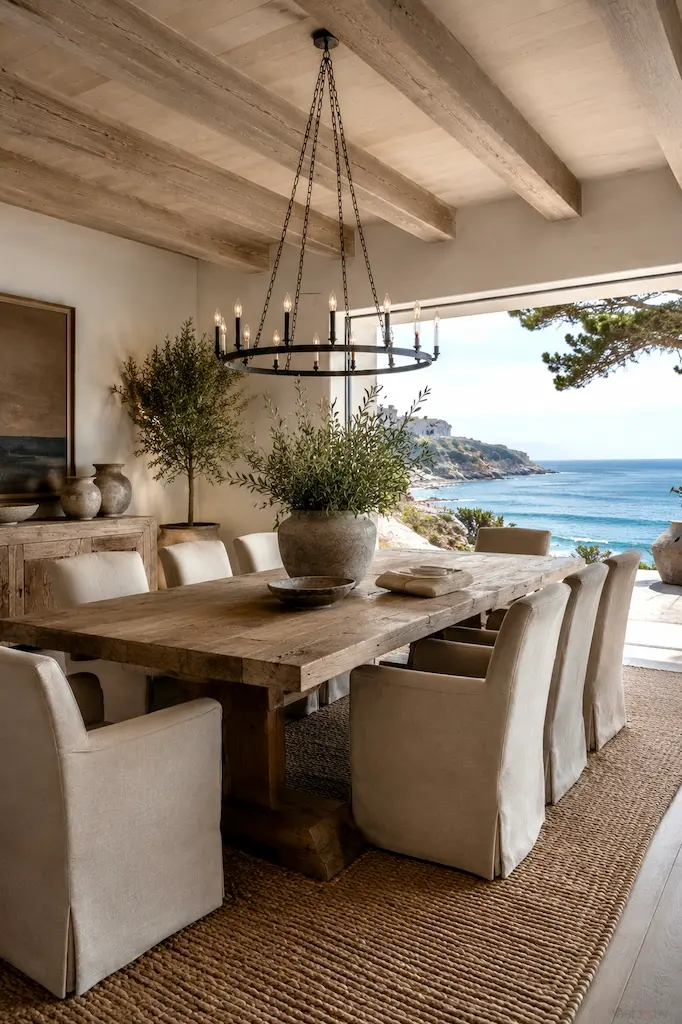
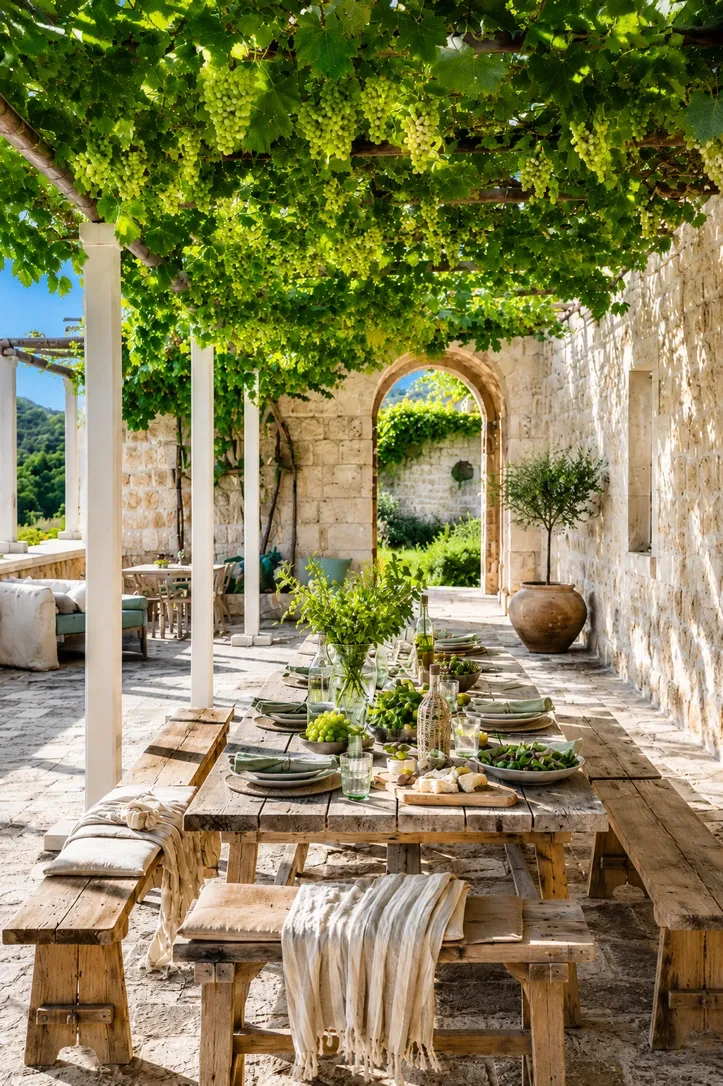
By lunchtime, the garden changes jobs. Chairs are pulled closer together, a bowl of peaches or tomatoes mysteriously disappears faster than it would indoors, and somebody always says, “Let’s eat outside,” as though it were a spontaneous idea rather than the inevitable outcome of good weather. The Mediterranean has been insisting for centuries that meals belong under the open sky whenever possible. California looked at the idea and sensibly decided not to argue.
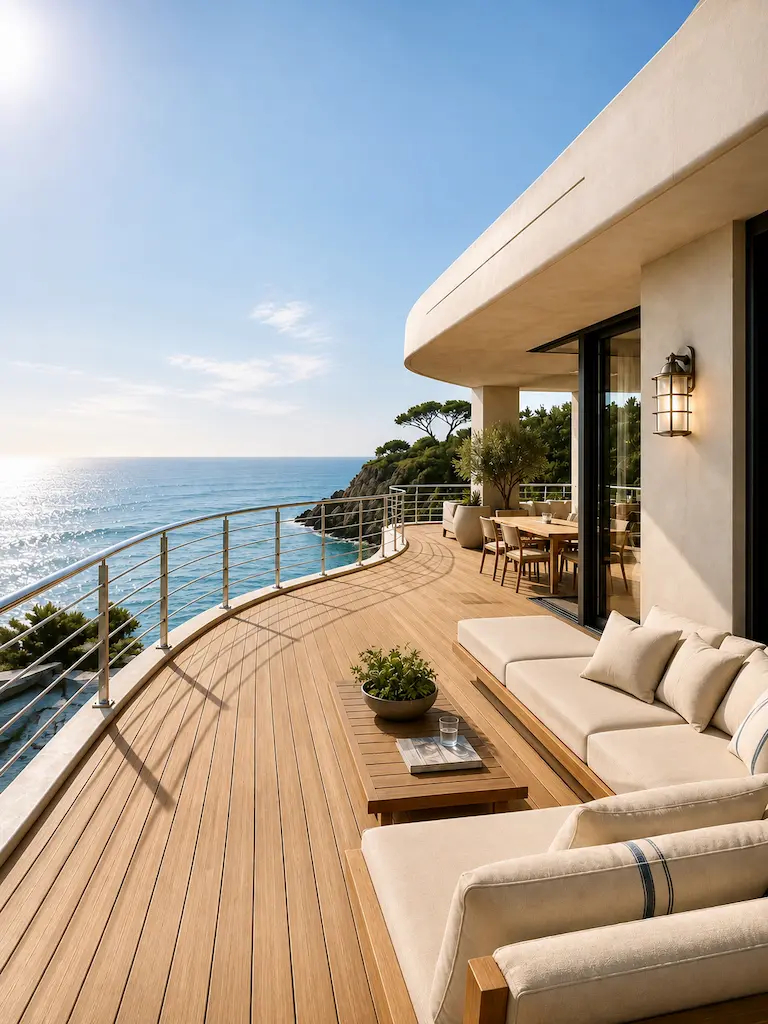
Then comes the most underrated room of all. The afternoon room. Its only purpose is to convince you that doing absolutely nothing is, in fact, a perfectly respectable use of time. A pergola, an olive tree, or a simple umbrella provides enough shade for a book that remains open on the same page for half an hour because watching the breeze move through the garden somehow becomes more interesting than finishing the chapter. Nobody apologizes for this. In fact, it’s usually considered a successful afternoon.
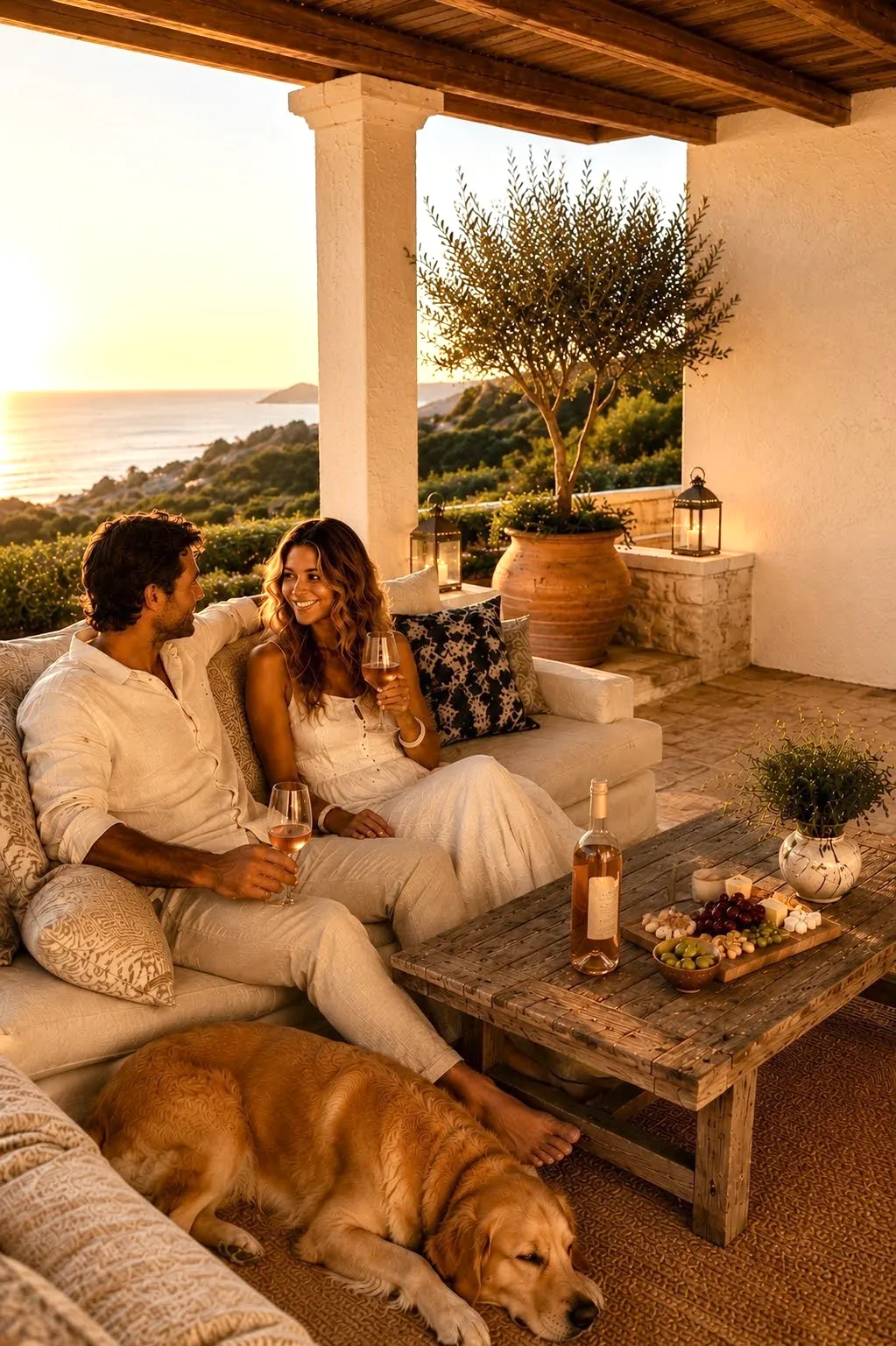
As the light softens, the garden quietly rearranges itself again. The dining table becomes the centre of attention, vegetables roast slowly on the grill, glasses are refilled without anyone keeping count, and conversation lingers long after dinner has technically finished. Good outdoor spaces have one remarkable quality: nobody is in a hurry to leave them. Every gathering eventually reaches the point where someone asks, “Should we go inside?” and, almost without exception, nobody moves.
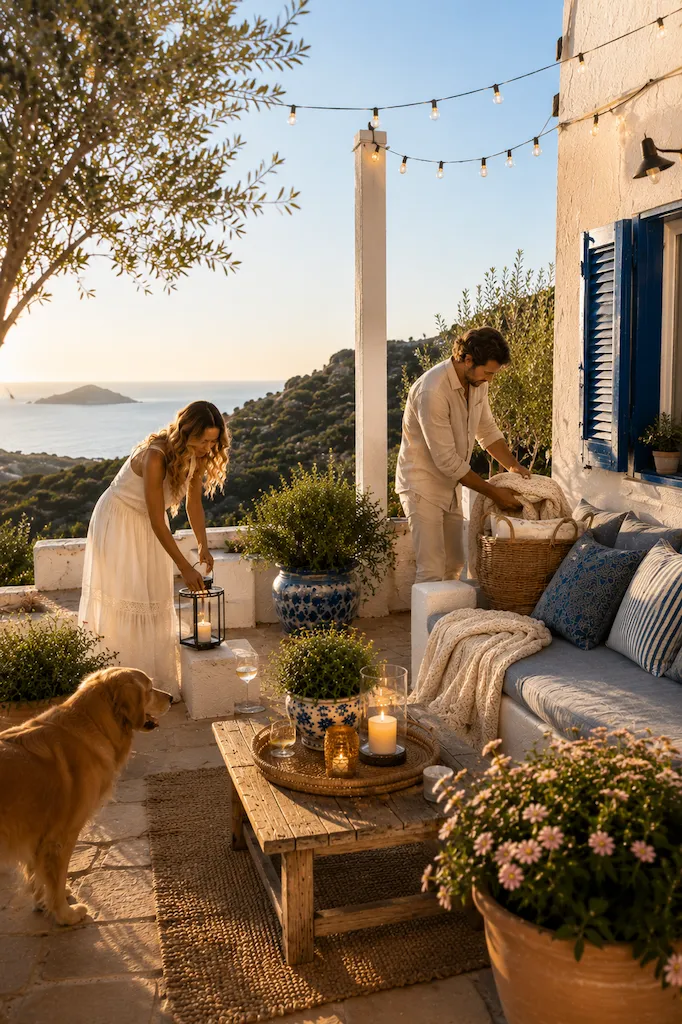
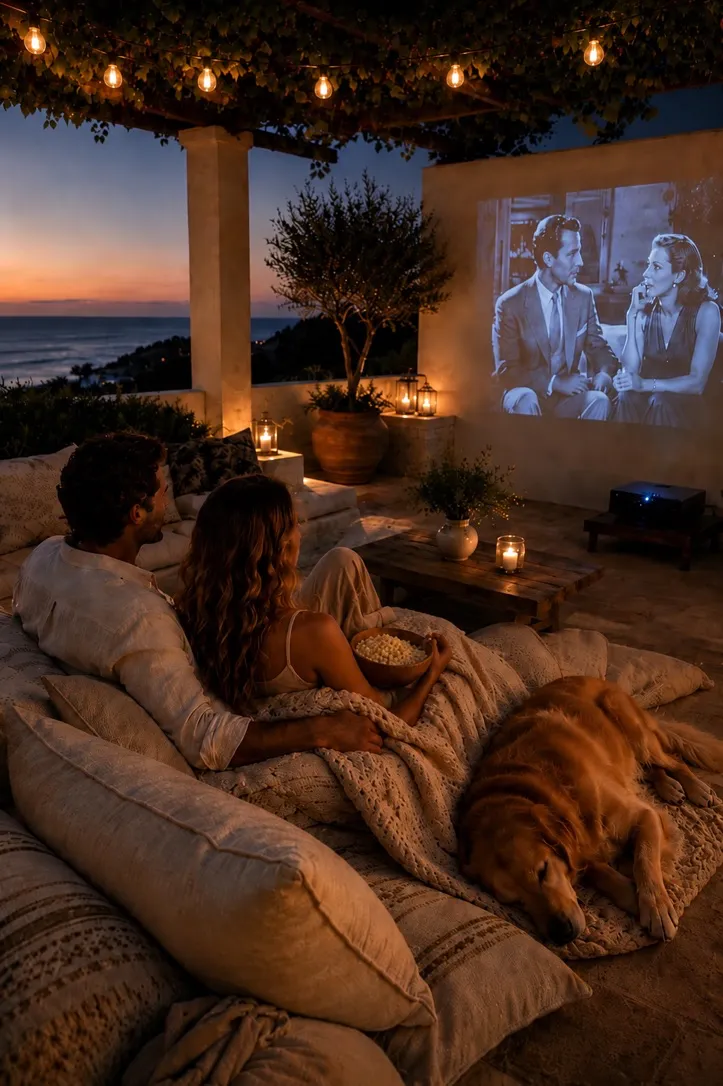
Night simply adds another room. Blankets appear from a woven basket. Lanterns replace the afternoon sun. A projector transforms a white wall into an outdoor cinema, where the film is occasionally interrupted by laughter, someone searching for more popcorn, or the unmistakable soundtrack of summer insects that seem determined to contribute their own commentary. It isn’t perfect, and that’s precisely why it works. The best evenings rarely are.
That’s what California and the Mediterranean have quietly understood all along. Outdoor living isn’t about expensive furniture or beautifully styled terraces destined for magazines. It’s about giving every part of the day a place where it naturally belongs. Coffee tastes better outside. Lunch somehow lasts longer. Even ordinary Tuesday evenings become events simply because nobody thought to go back indoors.
A Caliterranean home isn’t measured by the size of its garden or the price of its furniture. It’s measured by one simple question. How often does it persuade you to stay outside just a little longer?
Designer’s Note
Creating a Caliterranean backyard doesn’t require a renovation. It begins by giving each part of your outdoor space a purpose. Even the smallest patio, balcony, or garden can become a place that invites you to slow down.
Create a Morning Corner
Choose one chair you already own and place it where the morning sun reaches first. Add a small side table for your coffee or tea, and keep the space simple. A potted herb, a flowering plant, or even the scent of fresh basil nearby can become part of your morning ritual.
Design an Everyday Table
You don’t need to wait for guests to enjoy dining outdoors. Set aside a small table for lunch or dinner, even if it’s only used by two people. A linen runner, a bowl of lemons, or a pitcher of citrus water can make an ordinary weekday meal feel special.
Make Room to Pause
Not every outdoor space needs a dining table. A comfortable chair beneath a tree, a pergola, or an umbrella can become a quiet retreat for reading, journaling, or simply listening to the breeze. Sometimes the most valuable space in a home is the one that asks nothing of you.
Think in Layers, Not Size
A backyard feels larger when it offers different experiences. A coffee chair, a dining table, and a lounge area don’t need walls between them. A change in furniture, lighting, or even a large planter is often enough to create the feeling of separate outdoor rooms.
Light Changes Everything
As the sun sets, your backyard should change with it. Lanterns, candles, string lights, or solar garden lights create warmth without a large investment. Soft lighting encourages people to stay outdoors long after dinner is finished.
Create One Unexpected Ritual
Perhaps it’s an outdoor movie with blankets and popcorn, Sunday breakfast on the patio, or an evening cup of tea beneath the stars. These simple traditions are what people remember most, and they cost very little to create.
The Caliterranean home isn’t defined by luxury or square footage. It’s defined by the feeling that there is always a reason to step outside—and every reason to stay a little longer.
CONTINUE EXPLORING
Inspired by this story? Continue your journey with Coastal Homes And the Lost Art of Craftsmanship →