Weekend Getaways: The Coastal Village Designed Around Art, Water
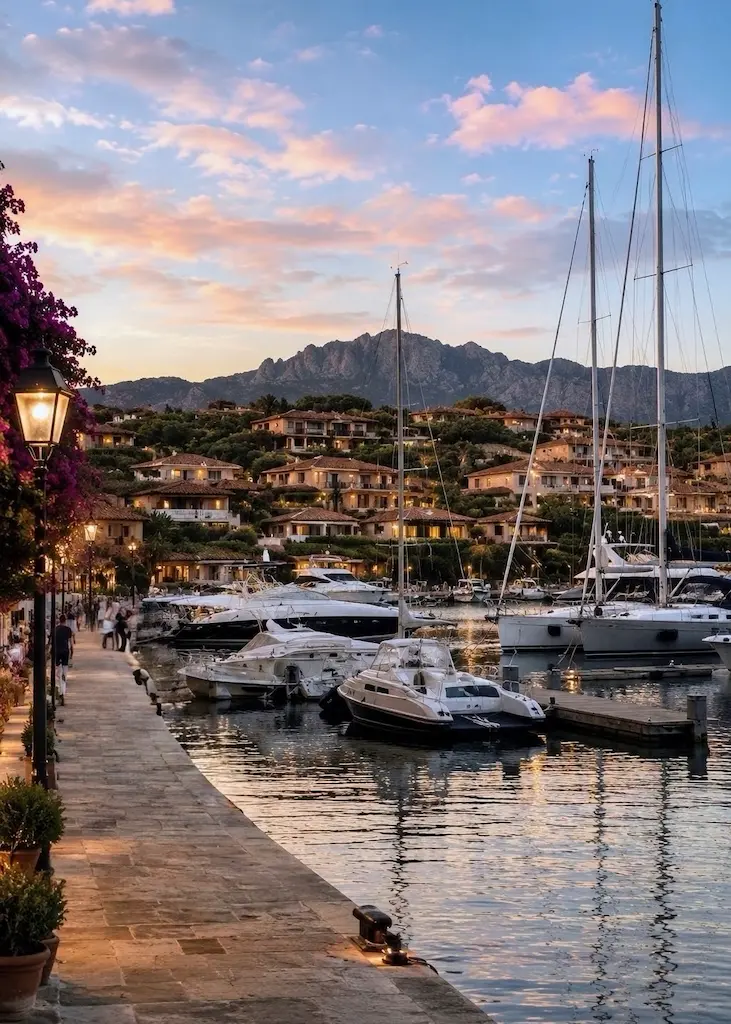
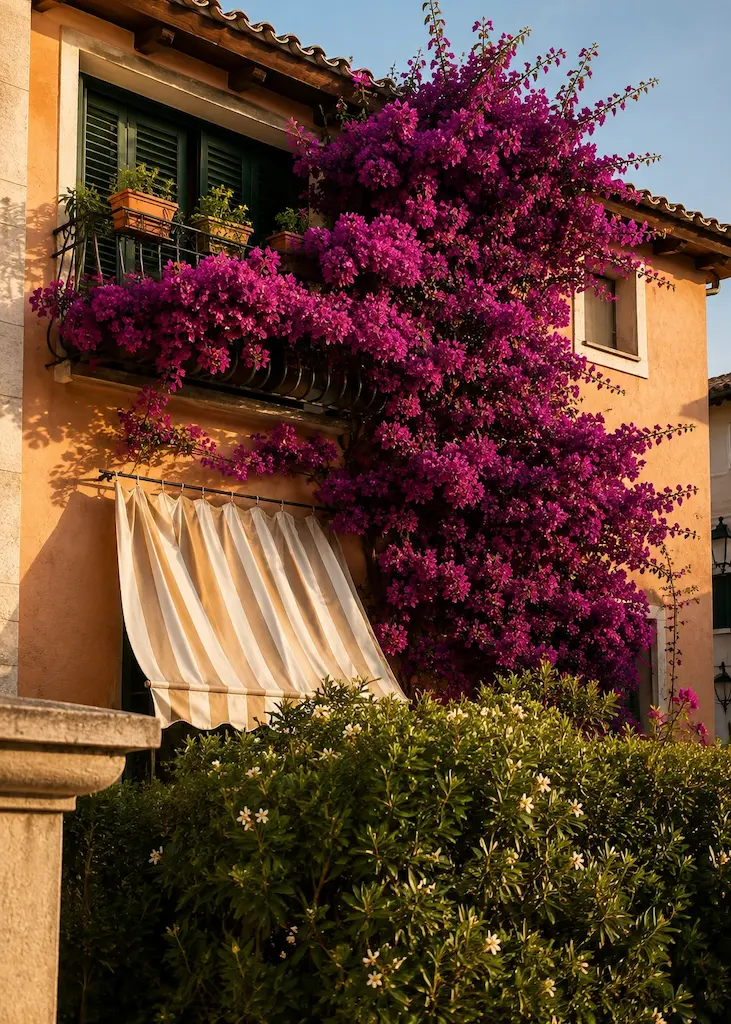
Some Mediterranean villages become beautiful by accident. Porto Rotondo did something different. It was designed to be beautiful from the beginning. Here on Sardinia’s northeastern coast, the ingredients appear reassuringly Mediterranean: granite warmed by the sun, bougainvillea spilling over peach-colored walls, terracotta roofs, sailboats moving gently in the harbor and water shifting from transparent turquoise to deep blue. Yet walk through Porto Rotondo and there is a curious sense that someone thought carefully about how all these things should meet. Actually, they did.
Porto Rotondo’s story is not that old. It begins not with property, but with two boys and a boat. Venetian brothers Luigi and Nicolò Donà dalle Rose had been coming to Sardinia with their father since the early 1950s, fishing, diving and exploring a coastline that was then a very different world. Luigi later recalled arriving aboard his father’s boat, swimming around Tavolara and discovering the extraordinary richness of the sea. Years later, still only in their twenties, the brothers returned with a rather more ambitious idea: create something beautiful here.
Their vision took shape in the 1960s. The ingredients sounded almost modest—a piazza, a church and a small harbor—but behind them was a distinctly Venetian understanding of how people live around water. Rather than building another collection of holiday villas, they imagined something closer to a village shaped by architecture and art, bringing artists, sculptors and architects into its creation. They also brought a little Venice with them. The central gathering place became Piazzetta San Marco, while water, pedestrian passages and intimate public spaces were woven into everyday life. It wasn’t an attempt to recreate Venice in Sardinia—no gondolas required—but to borrow something Venice has understood for centuries: a town becomes memorable when its streets and squares encourage people to linger.
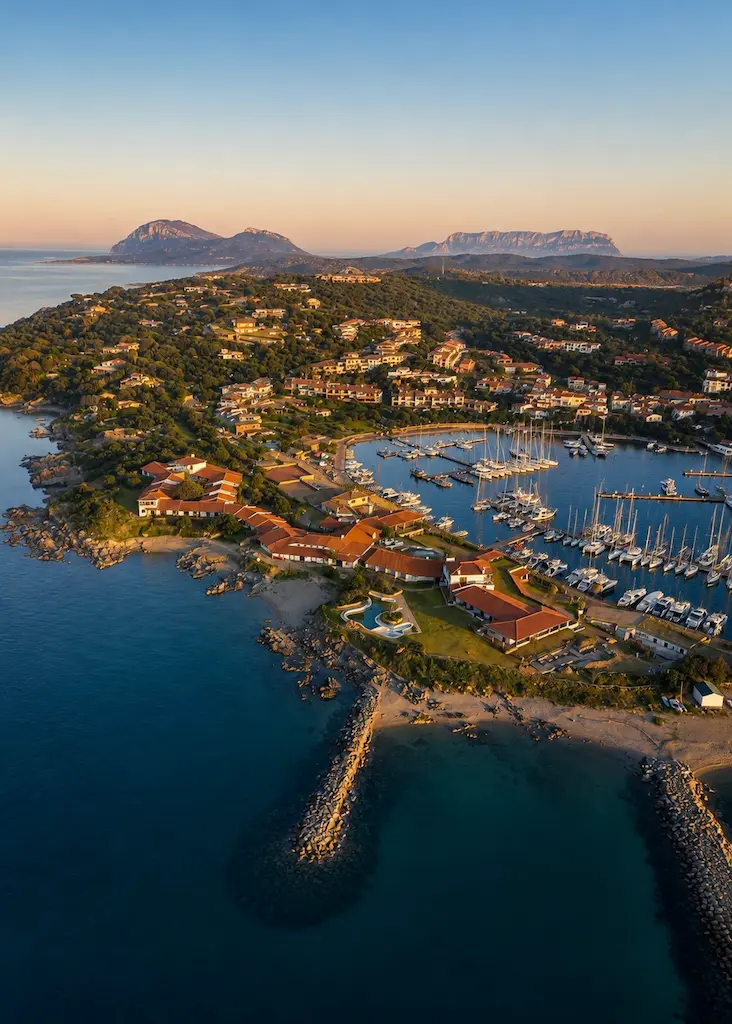
Artists became part of Porto Rotondo’s identity from the beginning. Andrea Cascella, Mario Ceroli, Giancarlo Sangregorio and others contributed to public spaces, sculpture and architecture. Even Via del Molo became art beneath your feet, with Emmanuel Chapalain creating a pavement work inspired by the marine food chain. Porto Rotondo wasn’t decorated after it was built. Art helped build it.
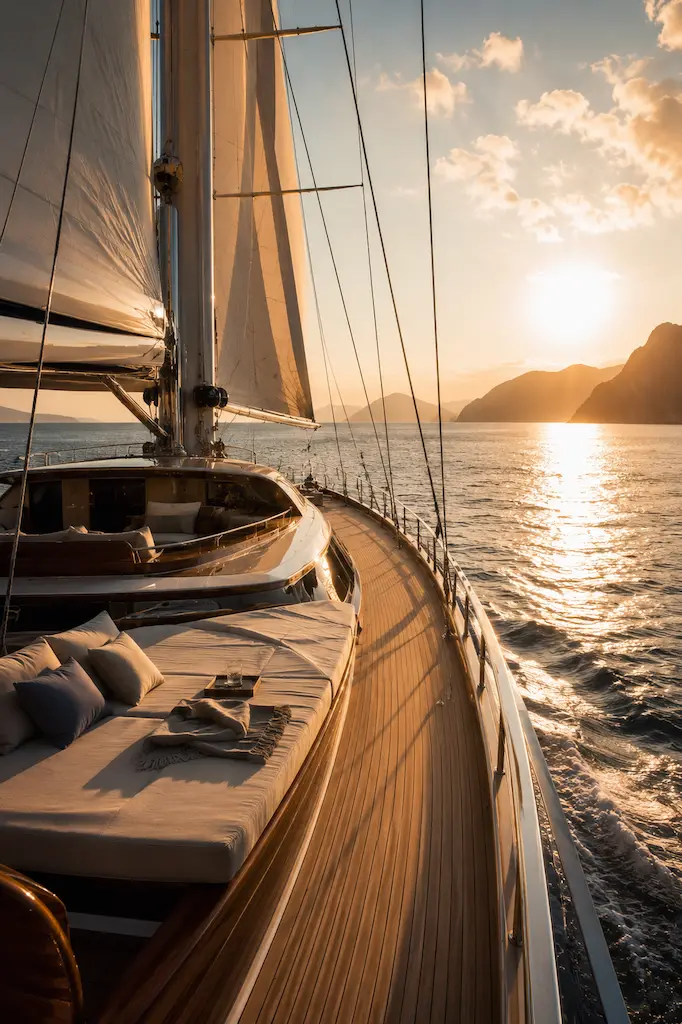
Mornings here always belong to the marina. Before the cafés fill and the day becomes polished, the harbor is wonderfully simple: white boats, green hills and an enormous amount of blue. Walk beside the water and you hear halyards tapping against masts and small waves brushing the hulls. Behind you comes the first clatter of coffee cups. The air smells of salt mixed with pine and Mediterranean scrub warming slowly beneath the Sardinian sun. The marina may be filled with impressive boats, but they aren’t really the point. What makes Porto Rotondo interesting is how naturally the harbor connects with the village. You can leave the water, wander through a passage and suddenly find yourself in a small piazza beneath bougainvillea.
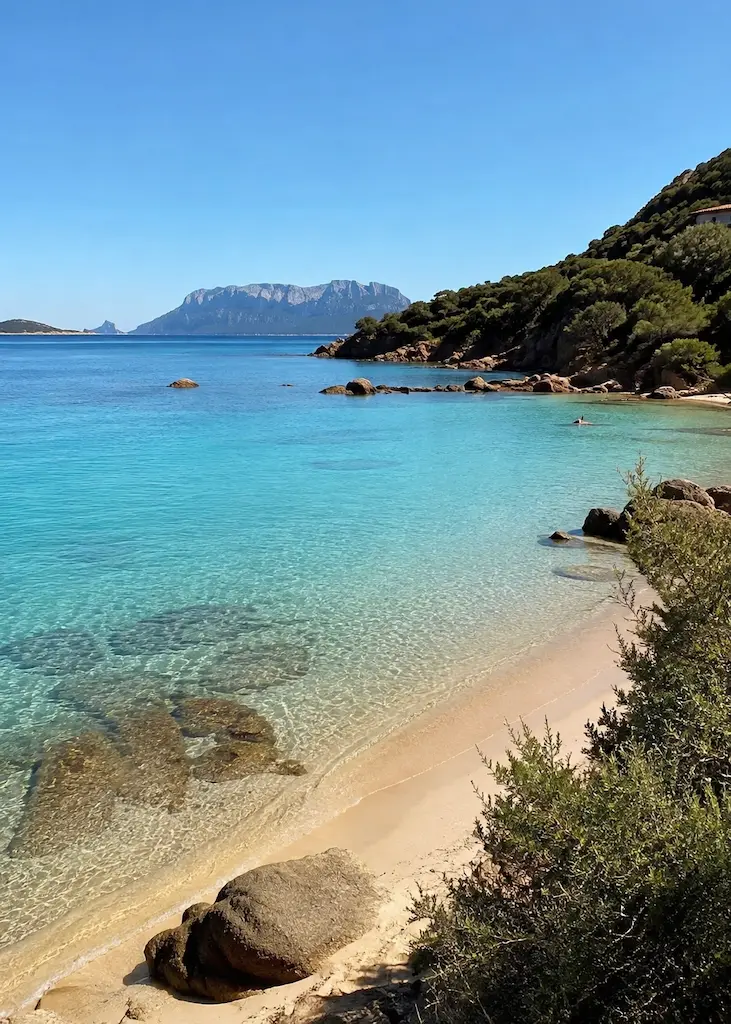
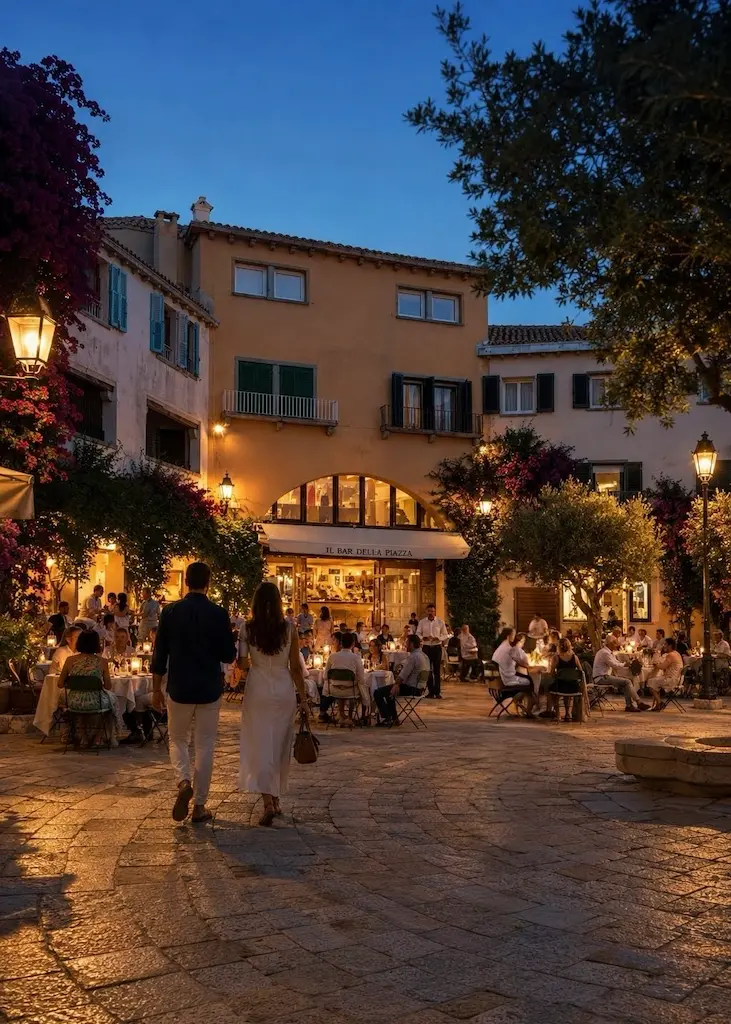
Eventually you arrive at Piazzetta San Marco. Granite spreads beneath café tables while low Mediterranean façades surround the square. Its scale is intimate rather than grand, which may be the most Venetian thing about it. This isn’t a monument to admire from a distance. It’s an outdoor living room. But before you sit for lunch, aperitivo or a late dinner, you have to dip into the blue sea. At Spiaggia Ira, pale sand disappears beneath extraordinarily transparent water. Near shore it is almost colorless; farther out it becomes aquamarine, turquoise and finally that particular Sardinian blue that makes the word blue seem rather underqualified. The experience is beautifully uncomplicated: cool water, warm sand, salt drying on your skin and the scent of sun-warmed Mediterranean vegetation drifting from behind the beach. Granite appears everywhere, connecting the polished village with the much older landscape surrounding it.
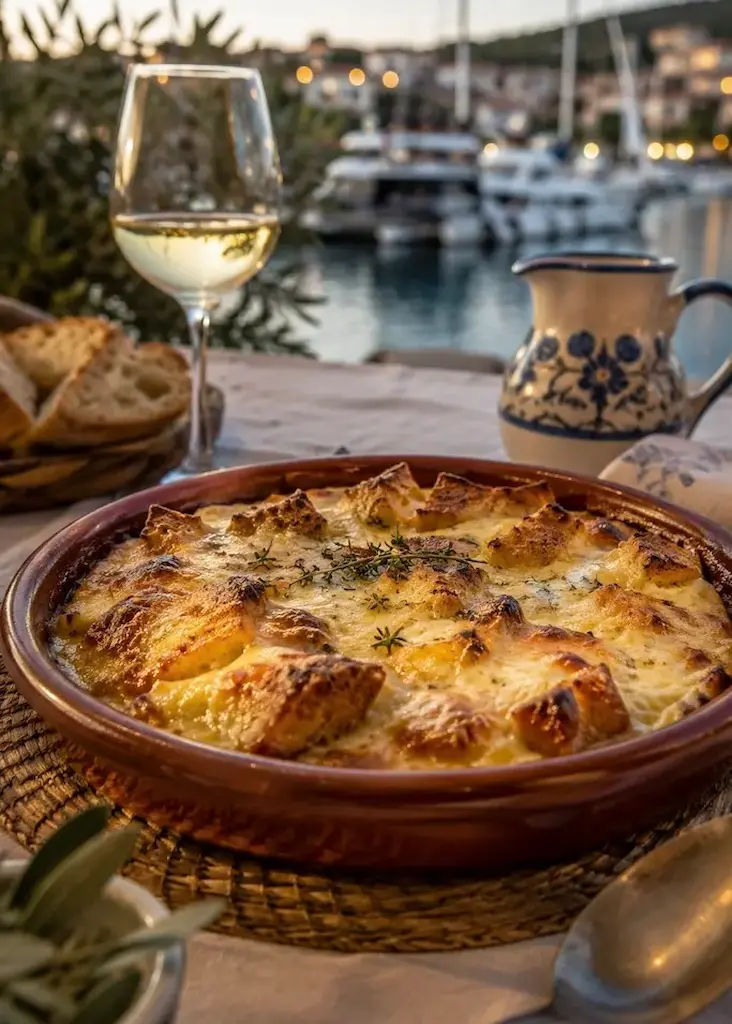
Porto Rotondo faces the sea, but to understand what this corner of Sardinia tastes like, turn mentally toward the countryside of Gallura. One of its defining dishes is zuppa gallurese, also known as suppa cuata. The name suggests soup, which is your first small deception. Rustic bread is layered with broth and cheese and baked until the bread absorbs the liquid, the middle becomes soft and deeply savory and the surface turns beautifully golden. It is old-fashioned, resourceful food: bread, broth and cheese transformed by layering and patience. After a morning of gleaming yachts, there is something wonderfully grounding about discovering that one of the region’s great pleasures begins with bread. And then there are seadas for something sweet: pastry enclosing cheese and traditionally finished with Sardinian honey. Sardinia apparently saw no reason cheese should have to choose between dinner and dessert. Sensible island.
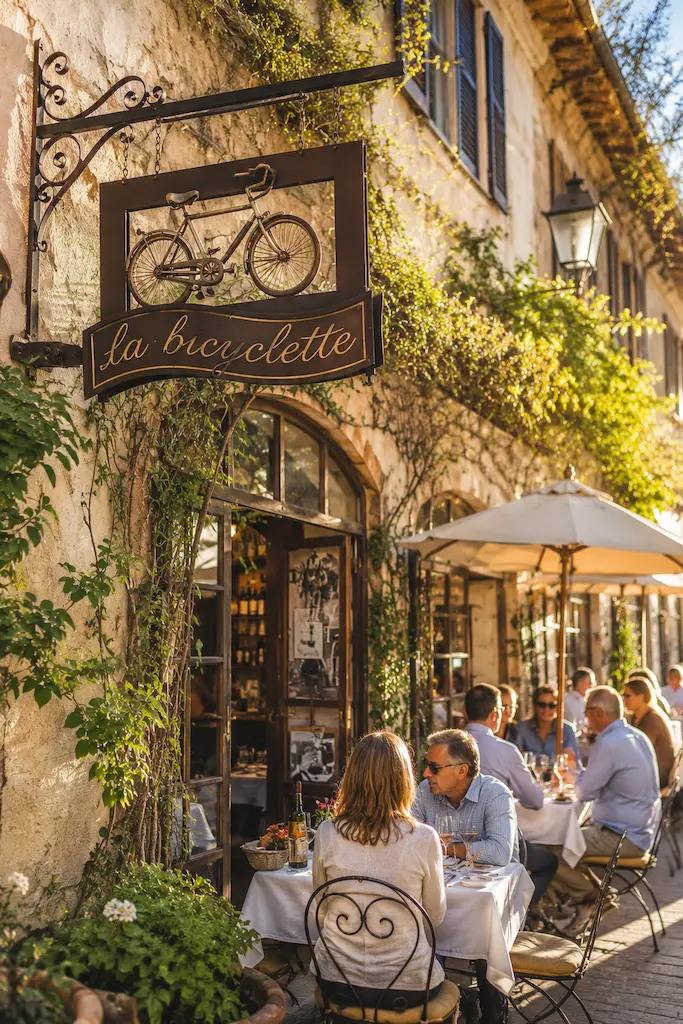
By evening, Porto Rotondo changes again. Peach façades become warmer, bougainvillea turns almost impossibly purple and lamps begin glowing around Piazzetta San Marco. Café tables fill with families and friends while people drift between the piazza and marina with nowhere particularly urgent to be.
The granite beneath your feet still holds the warmth of the afternoon. Glasses touch tables, conversations overlap and footsteps cross the square. From somewhere toward the harbor comes the faint metallic sound of rigging moving against masts. Nothing especially important is happening. And that may be Porto Rotondo at its best.
Why We Chose Porto Rotondo for the Weekend Escape? There are older villages in Sardinia. There are wilder coastlines and certainly places with fewer yachts. But Porto Rotondo belongs in our Coastal ESCAPES because its story asks an unusually interesting question: can you design not merely a beautiful place, but a beautiful way of living in it? Its founders tried.
Architecture, sculpture, gardens, piazzas and water were brought together so that beauty wasn’t confined to a building or museum. It became part of walking to coffee, crossing a square, heading toward the beach or returning from the marina after sunset. And those are the things you remember: turquoise water at Spiaggia Ira, bougainvillea against warm stucco, the richness of bread and melted cheese, cool church interiors after the afternoon sun, granite beneath your feet and masts moving against the evening sky. Perhaps beautiful places aren’t only discovered. Sometimes they are very carefully made.
ESCAPE NOTES
Taste: Zuppa gallurese (suppa cuata), the traditional Gallurese bake of bread, broth and cheese. Seadas with Sardinian honey.
Stay — Hotel Sporting: A waterfront Porto Rotondo classic with an interesting connection to the village itself: Hotel Sporting was among its early developments. Hotel Sporting Porto Rotondo
See — Porto Rotondo’s Art & Architecture: Discover the stories behind the Church of San Lorenzo, Piazzetta San Marco, Via del Molo and the artists who helped shape Porto Rotondo. Explore Porto Rotondo’s Art & History
Swim — Spiaggia Ira: Start with Porto Rotondo’s celebrated turquoise-water beach, then discover the other small beaches around the peninsula. Porto Rotondo Beaches
Marina — Walk the Harbor: Wander the waterfront in the morning or return at sunset when the marina becomes part of the evening passeggiata. Marina di Porto Rotondo
CONTINUE EXPLORING
Inspired by this story? The story continues. Here is your next read Montenegro | When History Becomes Hospitality →