How Bougainvillea Traveled From South America to the World’s Sunniest Coasts
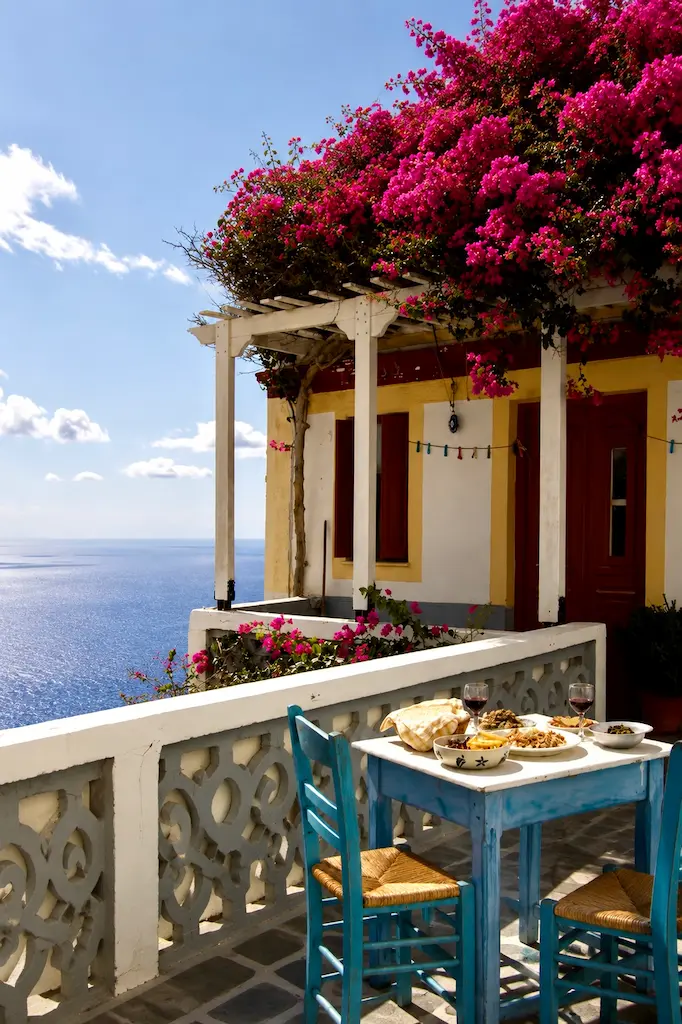
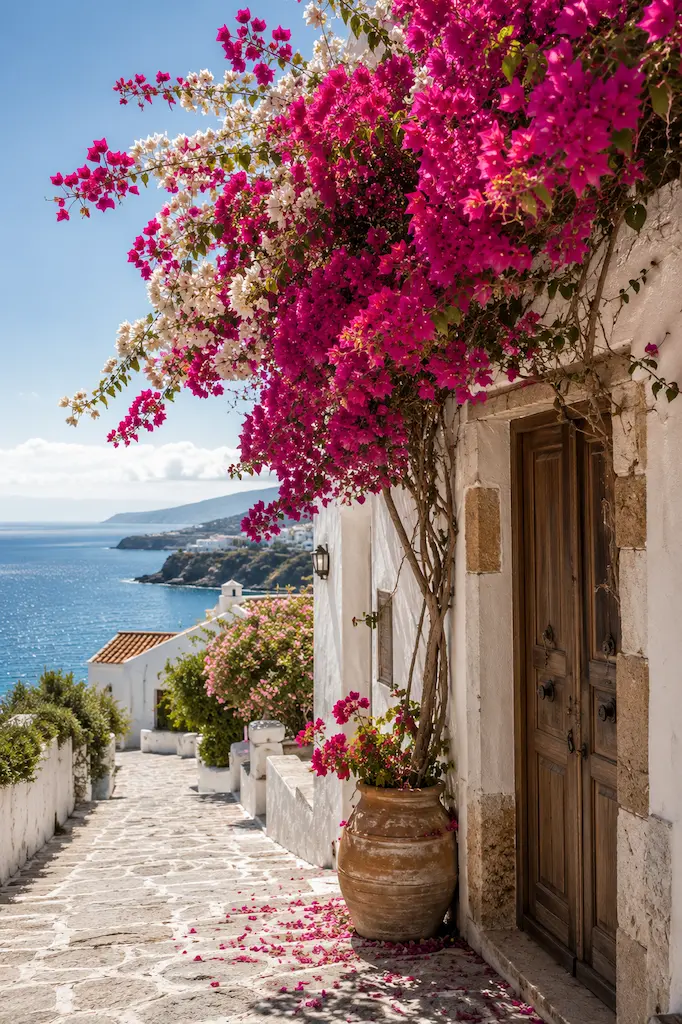
Some flowers become so closely associated with a place that it’s difficult to imagine they originated anywhere else. Bougainvillea is one of them. Walk through a whitewashed village in Greece, wander the narrow streets of southern Spain, or spend an afternoon along California’s coast, and you’ll find the same brilliant cascades spilling over stone walls, climbing balconies, and framing garden gates. It has become part of the architecture itself, adding vivid bursts of magenta, coral, crimson, orange, and white wherever long, sunny summers encourage life outdoors.
Yet despite feeling unmistakably Mediterranean, bougainvillea didn’t begin its journey there. The climbing vine is native to South America, where it was first recorded during a French scientific expedition in the 1760s led by explorer Louis Antoine de Bougainville, whose name the plant eventually received. Hidden within that expedition, however, was an even more remarkable story. Jeanne Baret, a talented botanist, disguised herself as a man because women were forbidden aboard French naval ships. Working alongside naturalist Philibert Commerson, she collected and documented plants throughout the voyage, becoming the first woman known to have circumnavigated the globe. Many historians believe she was among the first members of the expedition to recognise the extraordinary vine that would later become known around the world as bougainvillea.
Its journey was only beginning. As European botanists introduced the plant to botanical gardens and estates, it quickly discovered that climates resembling its South American home suited it perfectly. Warm summers, mild winters, abundant sunshine, and dry air allowed bougainvillea to thrive across the Mediterranean Basin before eventually becoming one of the defining plants of California’s coastal communities. Today it feels equally at home climbing over villas in Italy, village walls in Croatia, patios in Andalucía, and Spanish Colonial homes from Santa Barbara to San Diego.
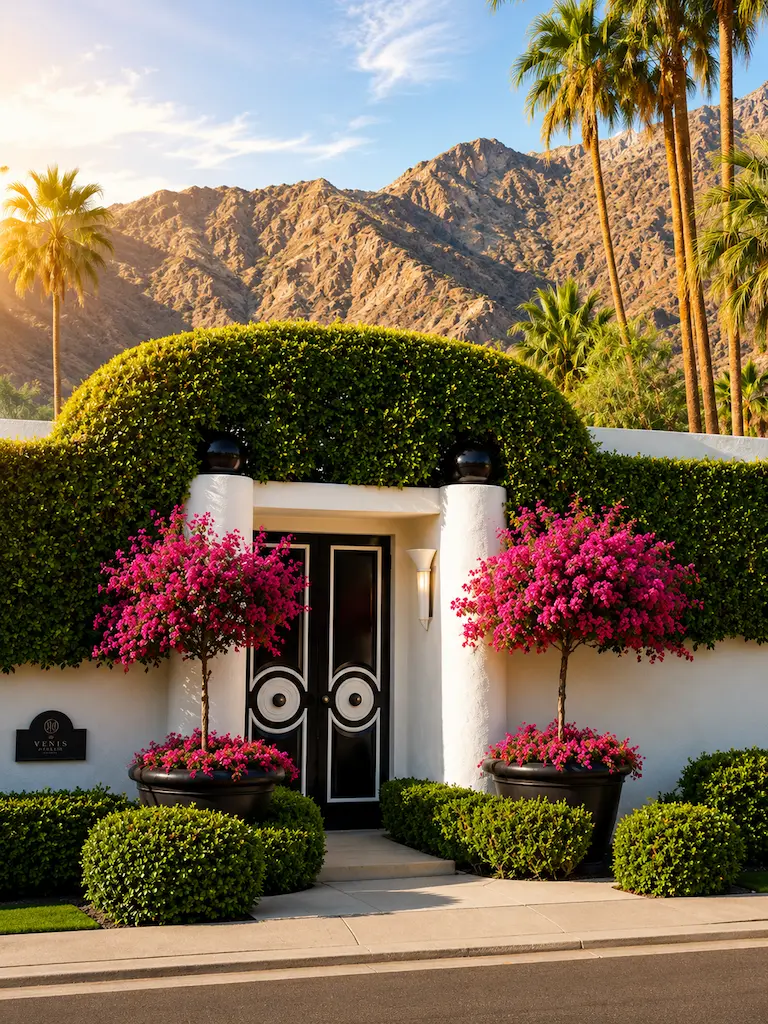
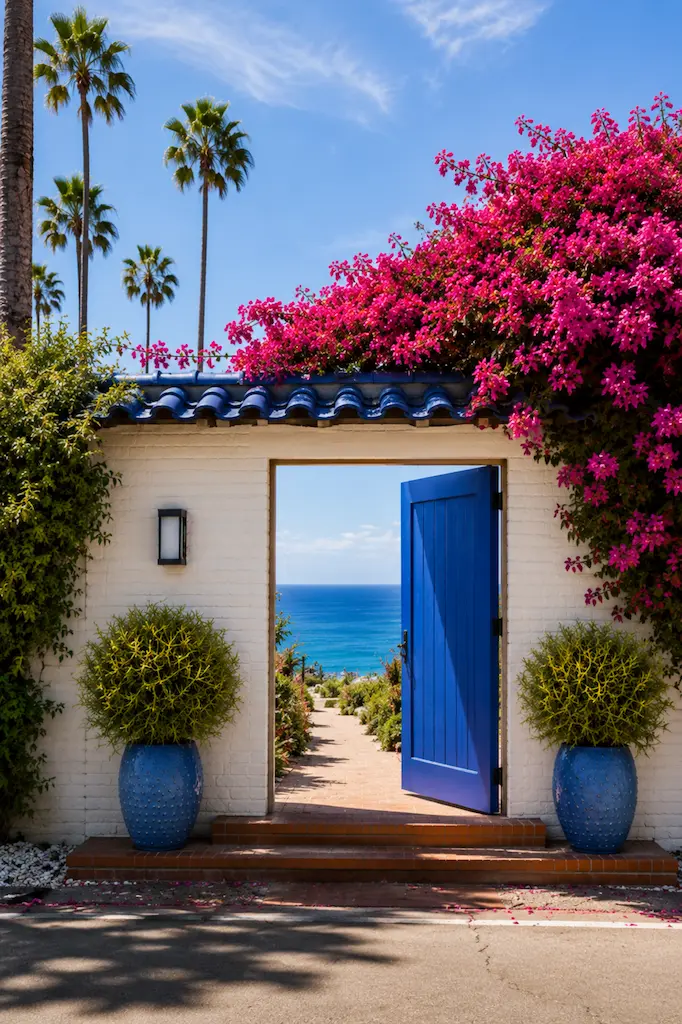
One of the reasons bougainvillea is so captivating is that the brilliant colours most people admire are not actually its flowers. The true flowers are the tiny white blossoms hidden at the centre of each cluster. The vivid pinks, purples, oranges, reds, and whites are paper-like leaves called bracts, evolved to attract pollinators while protecting the delicate flowers within. Once you notice the tiny blossoms surrounded by colourful bracts, it’s impossible to look at bougainvillea in quite the same way again.
The plant’s resilience is just as impressive as its beauty. Bougainvillea prefers poor soils, tolerates long periods without rain, and often produces its most spectacular displays during dry summers. Rather than demanding constant care, it rewards neglect with even greater colour. That ability makes it perfectly suited to both Mediterranean landscapes and California gardens, where water-wise planting has become increasingly important.
Perhaps that explains why bougainvillea feels less like an ornamental plant and more like part of coastal life itself. It softens stone walls that have stood for centuries, provides shade over terraces where meals linger into the evening, and frames doorways that open directly onto the street. In California it performs much the same role, wrapping itself around pergolas, courtyard walls, and ocean-view homes as though it had always belonged there.
Few plants have travelled so far while looking so completely at home. Born in South America, celebrated across the Mediterranean, and embraced by California, bougainvillea reminds us that landscapes evolve through centuries of movement, exploration, and shared climates. Sometimes the most familiar symbols of a place arrived from somewhere entirely unexpected—and became even more beautiful for the journey.
Where to see?
California
- San Diego Botanic Garden — One of California’s finest collections of Mediterranean-climate plants, including spectacular bougainvillea displays.
Mediterranean
- Jardin Exotique d’Èze — A dramatic clifftop garden overlooking the Mediterranean, filled with drought-tolerant plants and unforgettable coastal views.
CONTINUE EXPLORING
Inspired by this story? Continue your journey with The Color of Passion Never Goes Out of Style →