The Curious Luxury of Letting Water Do the Work
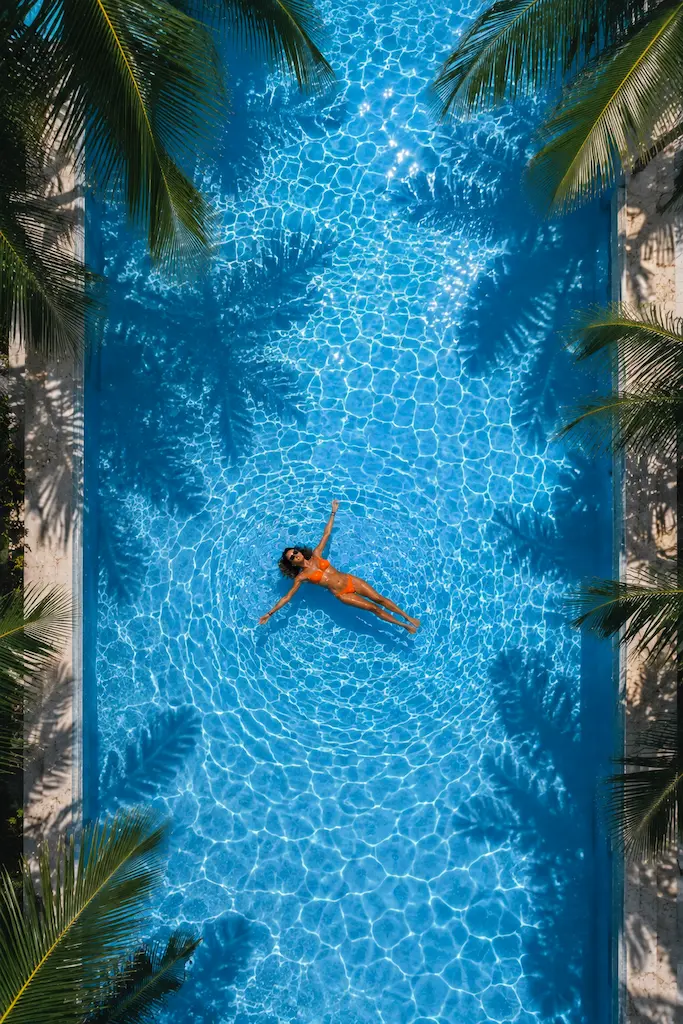
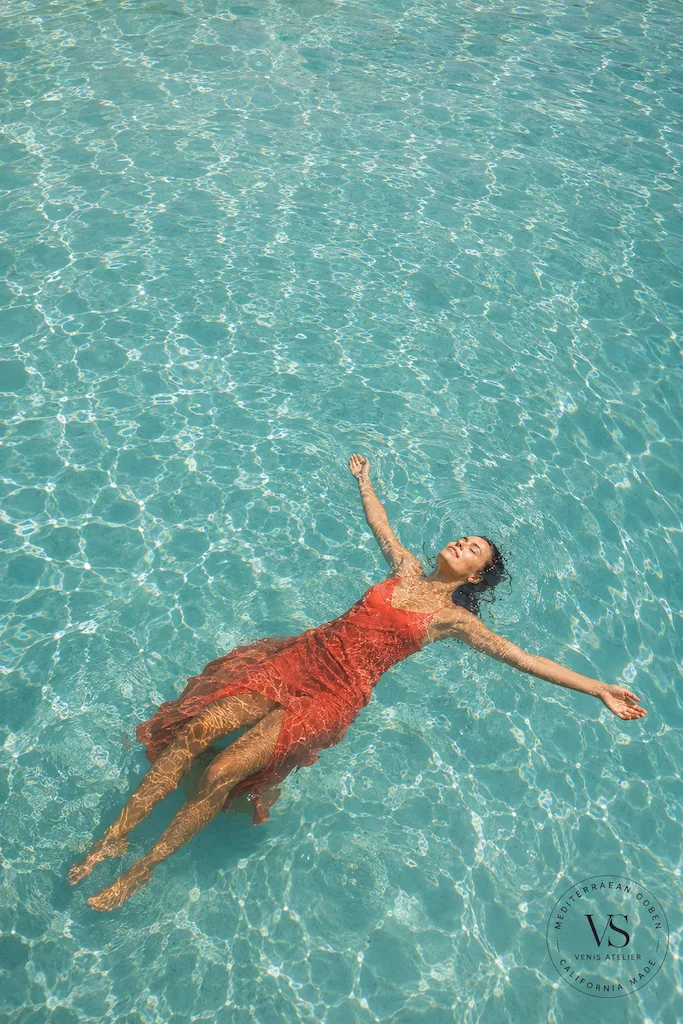
There are very few moments in life when doing absolutely nothing requires no explanation. Floating may be one of them. Step into calm water, lean back, and suddenly the body is no longer responsible for holding itself in quite the same way. Buoyancy begins doing part of the work for us. Shoulders soften, movement becomes slower, and for a few minutes there is nowhere to go because the entire point is simply to stay where you are.
We understood this instinctively as children. Long summer afternoons could disappear while we drifted on our backs, watched clouds change shape, or allowed ourselves to be carried a few feet across a pool. Nobody called it mindfulness, recovery or wellness. It was simply something pleasurable to do when the day was hot and the water was inviting, which may explain why the memory feels so uncomplicated.
The physics behind that feeling is surprisingly elegant. According to Archimedes’ principle, a body immersed in water experiences an upward buoyant force, reducing its effective weight and the load placed on joints. Gravity has not disappeared, of course; water has simply changed our relationship with it. A sofa lets us lie down, but water does something stranger and perhaps more satisfying: it holds us up.
When the World Goes Quiet
The other transformation happens almost immediately around the ears. Lower them beneath the surface and the familiar world becomes muffled. Conversation recedes, movement sounds different, and the constant stream of visual and auditory information that follows us through most of the day becomes harder to reach. Even our movements must adapt to water, becoming slower and more deliberate.
Science has become interested in an intensified version of this experience through Floatation-REST, in which people float effortlessly in warm, highly buoyant saltwater while external light and sound are deliberately reduced. Studies have associated these controlled sessions with increased relaxation and short-term reductions in stress, anxiety and muscle tension, although the research is still developing. Floating casually in the Mediterranean or a California pool is not the same thing as a clinical float environment, but the research offers an intriguing clue: when the body is supported and the outside world becomes quieter, our nervous system may respond to the reduction in demands.
That feels especially relevant because modern wellness has become remarkably busy. We count steps, close rings, track sleep, schedule workouts and search for increasingly sophisticated ways to recover from increasingly sophisticated ways of exhausting ourselves. Floating belongs to an older and much simpler category of well-being. There is no score, destination or personal best, and perhaps that absence is precisely what makes it feel luxurious.
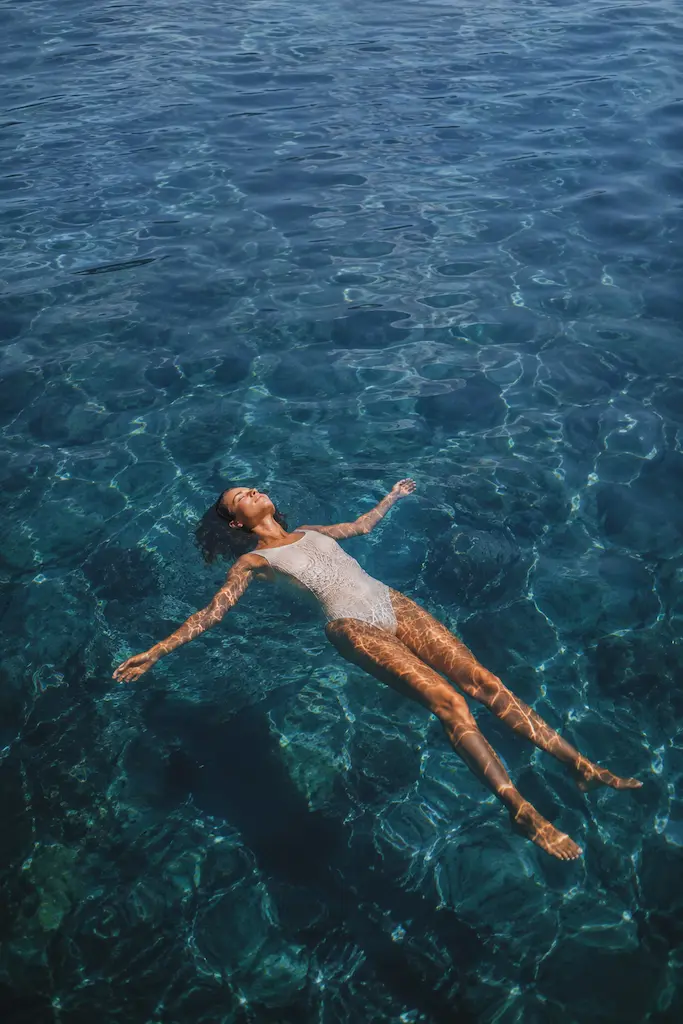
The Coastal Luxury of Doing Nothing
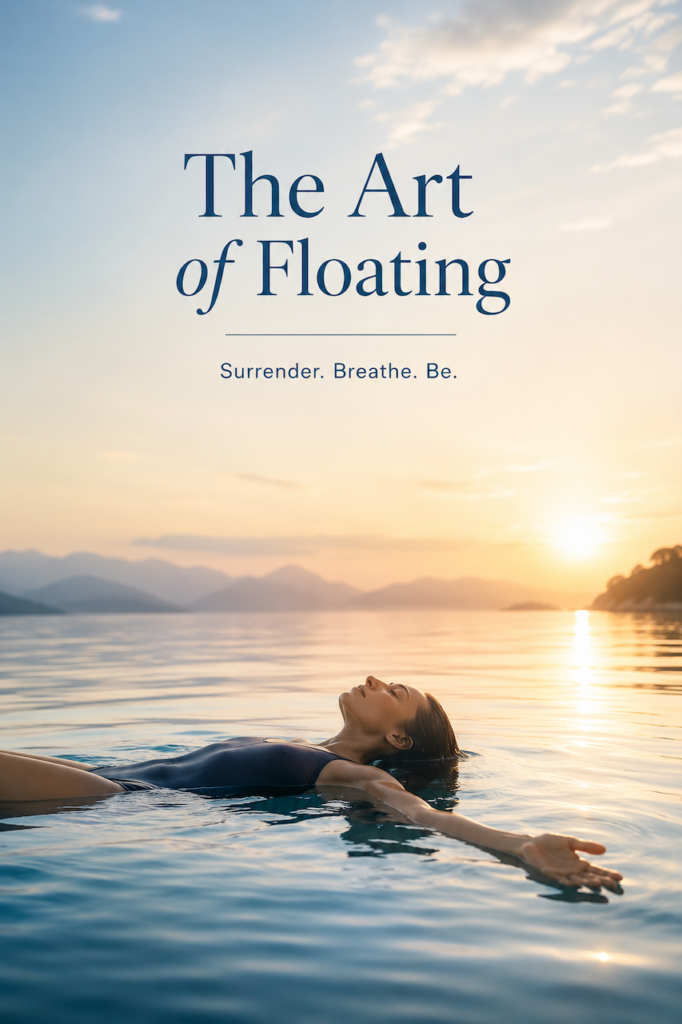
This is where the Mediterranean and California understand one another particularly well. Both cultures have built much of their mythology around water, but not every encounter with the sea needs to become a sport. Mediterranean life has its long swims, rocky coves and afternoons spent moving casually between shore and water; California has its pools, beaches, surfers and sunset swims. On either coast, water can be playground and landscape, but it can also be somewhere to simply be.
That distinction matters. Swimming asks us to move through water; floating asks us to surrender to it. One is measured in distance, strokes or speed, while the other is almost defiantly unproductive. In a culture that has become very good at turning even leisure into another opportunity for improvement, allowing water to carry us may be one of the rare pleasures that remains gloriously difficult to optimize.
It also belongs naturally to the Caliterranean idea of living well through ordinary rituals rather than grand gestures. A coffee taken outside, lunch allowed to stretch beyond its practical purpose, an evening walk with nowhere particularly urgent to arrive, or a little time spent in calm water all share the same principle: pleasure does not always need to justify itself by producing a result. Sometimes the value is simply in noticing where we are while we are there.
Perhaps that is why floating stays with us long after childhood. For most of our lives, the phrase stay afloat means effort—keep going, manage everything, do not fall behind. Actual floating reverses the metaphor. For a little while, staying afloat requires us to stop struggling quite so hard and allow something else to support us. We spend so much of life trying to hold everything up; water offers the curious luxury of discovering that, occasionally, we can let ourselves be held.
CONTINUE EXPLORING
Inspired by this story? Continue your journey with The Joy of Being a Beginner →