Four culinary voices reveal why Mediterranean cooking has never been one cuisine—and why its oldest traditions feel surprisingly at home in California.
We call it Mediterranean food. There is only one problem: nobody around the Mediterranean actually cooks the same food. Sardinia is not Greece, Marseille is not Naples, and Spain can change culinary personality several times before you reach the next coast.
“Mediterranean” may be one of the most useful—and wonderfully inaccurate—words in food. Yet those very different kitchens have traveled remarkably well, particularly to places like coastal California. Not because California copied them, but because the underlying logic already made sense: cook according to climate, respect what grows nearby, don’t interfere unnecessarily with good ingredients, and consider a table more successful when another chair has to be found.
What traveled across the ocean wasn’t one Mediterranean cuisine. It was a collection of ways to live around food. Of those traditions, we are particularly drawn to the kitchens where vegetables, beans, grains, herbs, and olive oil have always been more than supporting ingredients. Add freshly caught fish from the coast, and much of what we love about eating on both sides of the ocean comes into focus.
There is nothing particularly new about this way of cooking, although contemporary food culture has found plenty of new names for it. Across the Mediterranean, generations of cooks have understood how to make a meal from what the garden, the market, or the sea provides. The pleasure has never depended on elaborate ingredients, but on knowing what to do with them.
The four culinary personalities we’re about to meet approach that inheritance differently. What connects them is not a single cuisine, or even a shared set of recipes, but an understanding that Mediterranean food is as much about how we eat as what we put on the table.
Gino D’Acampo: Italy becomes easy
Gino D’Acampo may be the perfect place to begin because his particular talent isn’t making Italian cooking seem precious. It is making it seem possible.
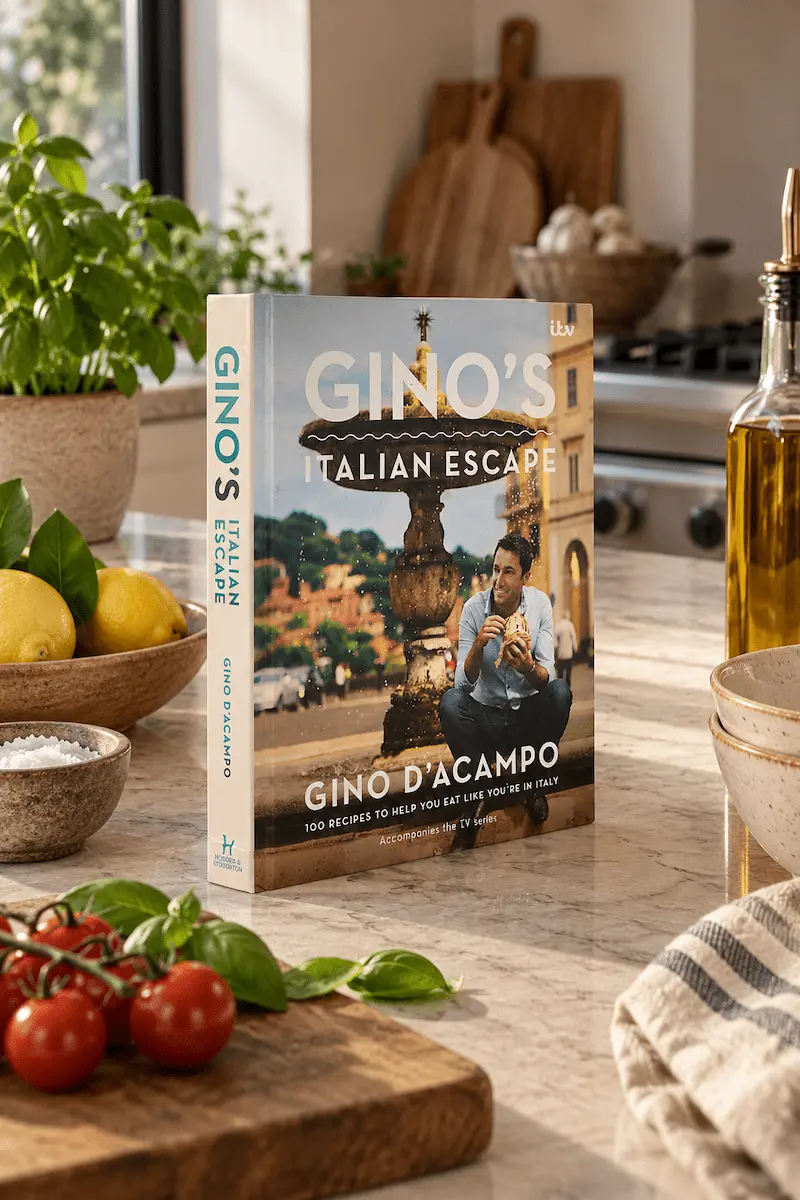
Over years of television and cookbooks, he has taken audiences through Italy rather than treating the country as a single culinary address. His books have traveled the Adriatic coast, Italy’s western coastline, hidden regions, islands and family kitchens. Gino’s Italian Coastal Escape, for example, draws on markets, local cooks and regional dishes encountered along the west coast, while Italian Adriatic Escape turns toward the very different food of the east.
But perhaps his greatest contribution is simpler: he removes intimidation. His recipes repeatedly favor relatively few ingredients, straightforward methods and food that can actually be made on a Tuesday evening. Even when exploring regional Italy, he translates it into the language of the home cook.
That matters. A cuisine cannot travel very far if everyone is afraid to cook it.
There is another thread running through D’Acampo’s work that becomes important to this story: family. Gino’s Italy: Like Mamma Used to Make explicitly turns toward the cooking knowledge of his mother, aunts and Italian nonnas—the sort of recipes that traditionally traveled from one person to another rather than from a professionally tested cookbook.
Which brings us rather neatly to Sardinia.
Francesco Mattana: Italy isn’t specific enough
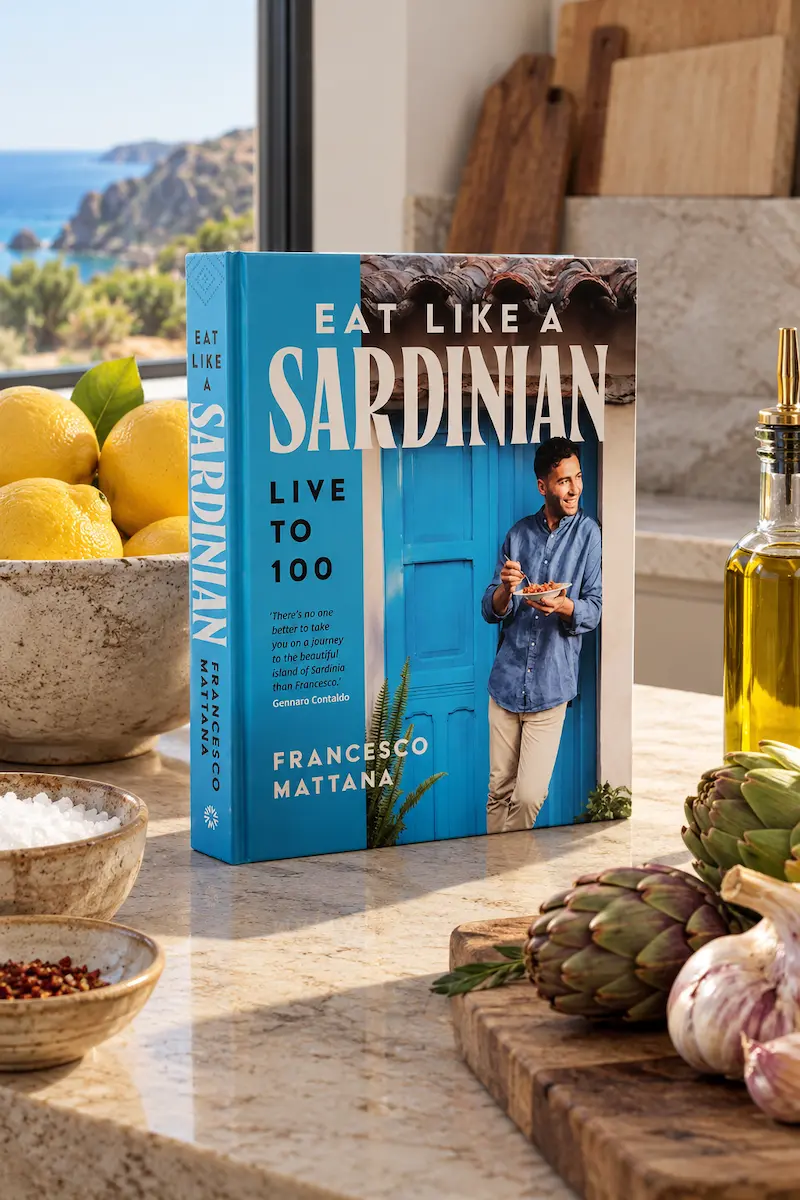
Francesco Mattana’s Eat Like a Sardinian turns the lens onto one island, where geography, agriculture, family and relative isolation produced food traditions that cannot simply be collapsed into the familiar international idea of “Italian.” This is exactly why he belongs beside Gino in this story. One opens the door to Italy; the other asks us to look more closely once we’re inside.
And Sardinia makes a particularly useful troublemaker for the term Mediterranean. Island cooking is shaped by what grows, what keeps, what animals can be raised and what generations learned to do with scarcity and seasonality. The interesting lesson isn’t that Sardinians possess some magical list of ingredients the rest of us should copy. It is that their food makes sense where it comes from.
The international Mediterranean kitchen has sometimes been reduced to a shopping list—olive oil, fish, vegetables, legumes, perhaps a lemon positioned photogenically nearby. Francesco Mattana puts the landscape back into the equation.
A recipe, after all, can be exported. A landscape cannot.
Diane Kochilas: Greece is not one kitchen either
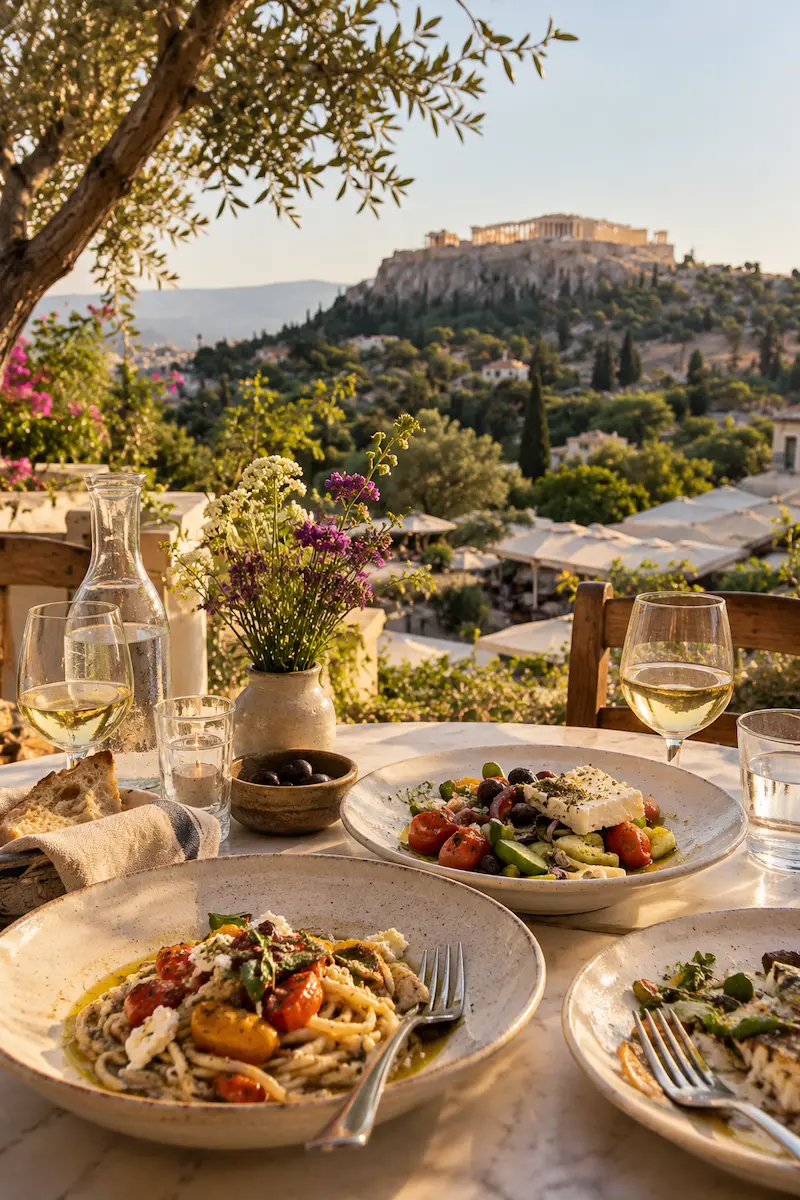
Then Greece complicates matters further. Diane Kochilas has spent decades doing something particularly valuable: documenting Greek food while continually demonstrating that there isn’t one Greek table. Her work moves through regional cooking, Athens and, especially, Ikaria, the Aegean island from which her family comes. Her bibliography alone reads almost like an argument against reducing Greece to feta, souvlaki and a very attractive blue-and-white tablecloth.
In The Ikaria Way, the pantry is unmistakably Mediterranean—herbs, olive oil, honey, grains, nuts and legumes—but what makes the food interesting isn’t the ingredient checklist. It is the relationship between those ingredients and the island culture that produced the dishes.
Her more recent Athens: Food, Stories, Love provides the other half of the picture. Athens isn’t presented as a culinary museum preserving some perfectly sealed version of Greek tradition. Kochilas describes a contemporary city whose markets and kitchens absorb new ingredients and influences alongside longstanding Greek dishes.
And suddenly our supposedly ancient Mediterranean cuisine looks remarkably modern: it changes. It always has.
Xavier Pellicer: When the Vegetable Becomes the Main Event
If Greece reminds us that Mediterranean cooking has never stopped evolving, Barcelona offers another interesting question: what happens when the vegetable stops being the side dish?
At his namesake restaurant in Barcelona, chef Xavier Pellicer has built a culinary identity around an ingredient that professional kitchens have not always treated as the star of the plate: the vegetable.
Not as a substitute for something more important. Not as a concession to dietary fashion. Simply as something worthy of attention in its own right. His approach is particularly interesting because he doesn’t insist on one way of eating. His restaurant offers vegan, and vegetarian menus, allowing vegetables to take center stage without requiring everyone at the table to follow the same diet.
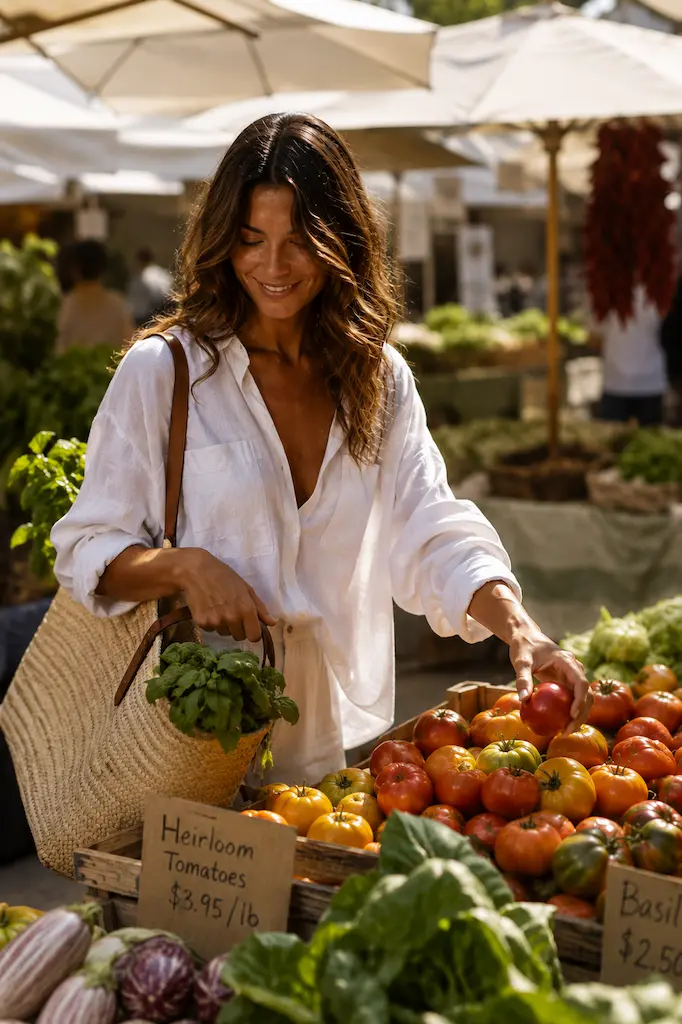
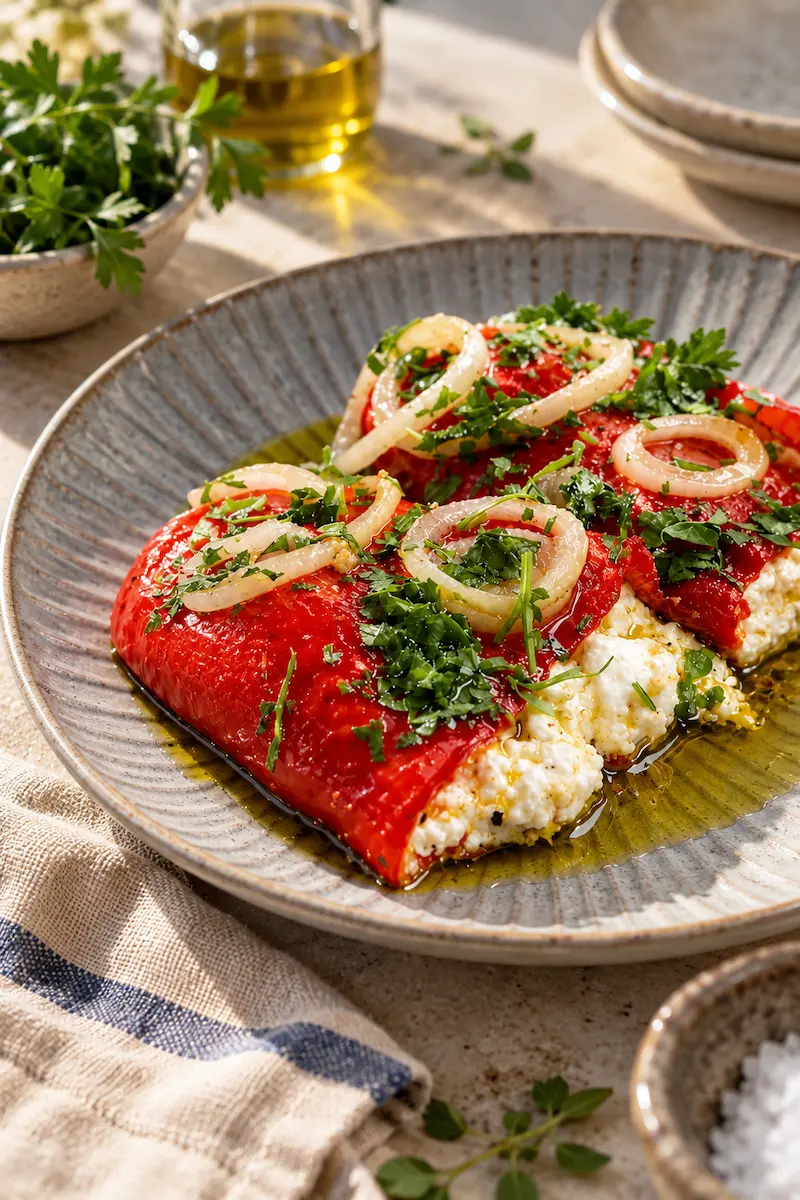
There is something wonderfully Mediterranean about that flexibility. After all, the region’s traditional kitchens have long known how to make something remarkable from a handful of seasonal vegetables, beans, herbs, and olive oil. Spanish escalivada, with its roasted peppers and eggplant, hardly needs reinventing to satisfy a modern appetite for plant-centered food. Neither does a good plate of beans dressed with olive oil.
What Pellicer brings to the conversation is a contemporary chef’s attention to those ingredients—their texture, preparation, seasonality, and possibilities. And this is where the distinction between traditional and modern Mediterranean cooking becomes less interesting than we imagine. The ingredients haven’t necessarily changed. What changes is the attention we give them.
In Barcelona, a vegetable can be the reason to visit a restaurant. In a grandmother’s kitchen, it might simply have been what was growing that week. Different circumstances. A surprisingly familiar philosophy. And that philosophy has a way of crossing oceans.
So, who’s cooking the Mediterranean?
Gino D’Acampo makes Italy possible to cook. Francesco Mattana makes us question what “Italian” really means. Diane Kochilas reveals Greece as a collection of kitchens rather than one. And Xavier Pellicer reminds us that vegetables don’t need to be reinvented to become the most interesting thing on the plate.
Together, they expose the problem with “Mediterranean food”—and perhaps explain why we remain so attracted to it. It isn’t a cuisine that can be reproduced by assembling the correct ingredients. It is food shaped by geography, season, memory, migration, and the inconvenient habit of cultures refusing to stay neatly inside their borders.
There is also something quietly revealing about the dishes we return to most often: vegetables prepared with olive oil, beans simmered with herbs, pasta that needs little more than a good tomato, or fish cooked simply enough to remember where it came from. None requires a famous kitchen or an elaborate technique. Yet each carries generations of knowledge.
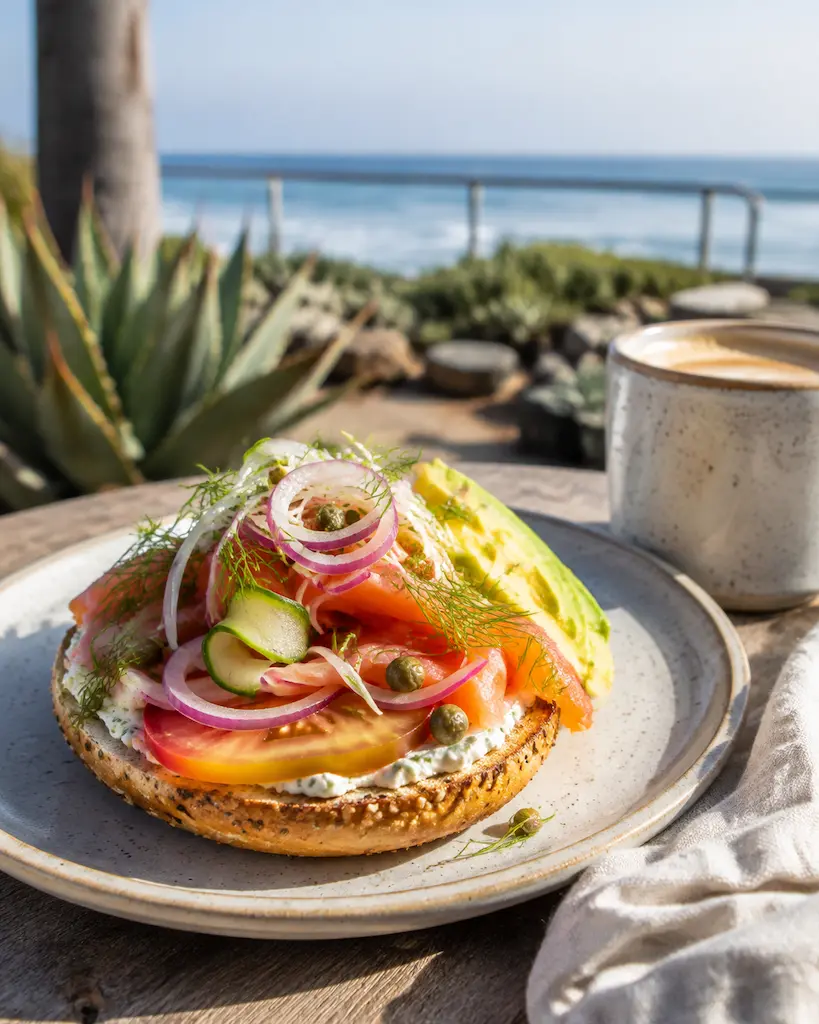
California doesn’t need to become Mediterranean to understand that. Its best coastal food follows much the same principle: begin with where you are, not with where you would like the table to appear to be.
There is no single Mediterranean cuisine. There are thousands of kitchens facing the same sea. And the best chefs don’t teach us how to copy them. They teach us to look outside the kitchen window first.