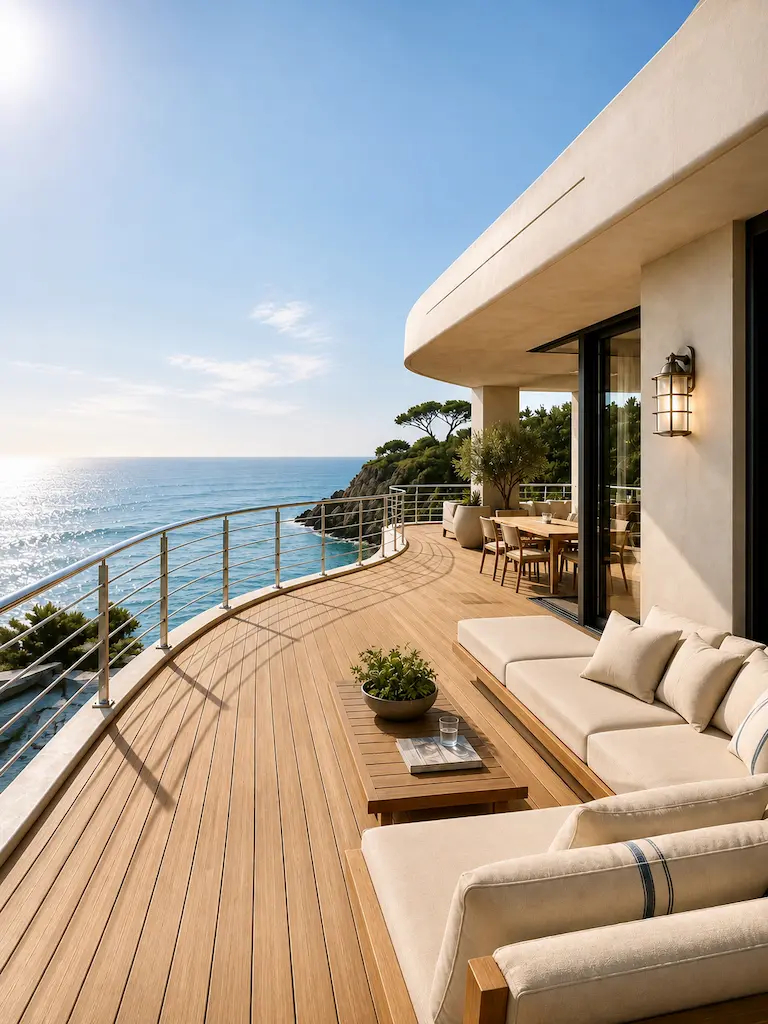
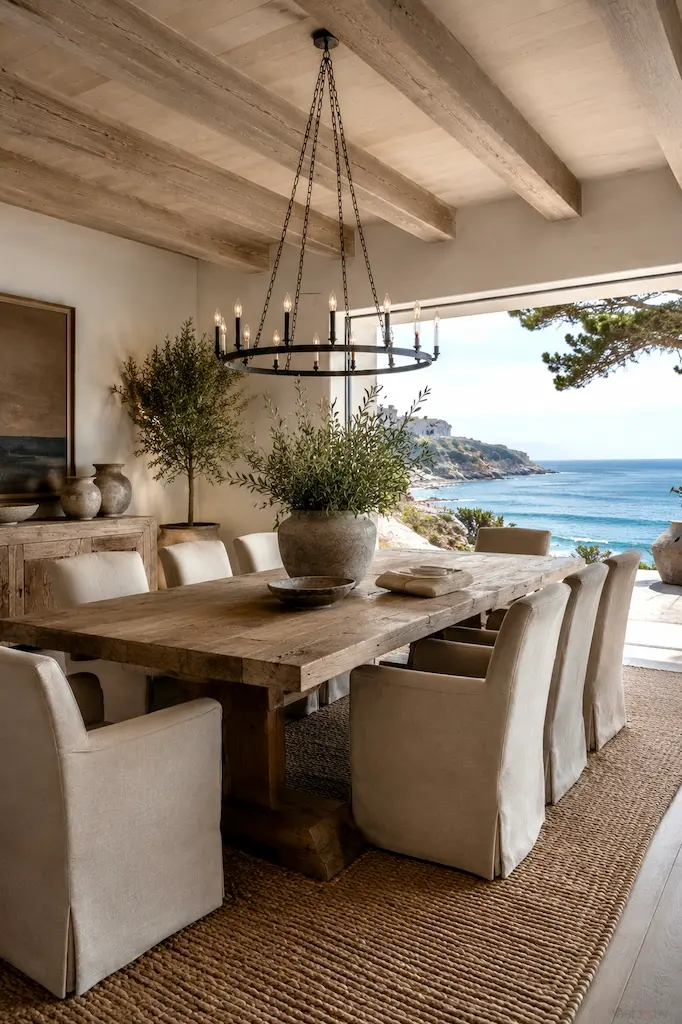
Marine Design at Home • PART ONE
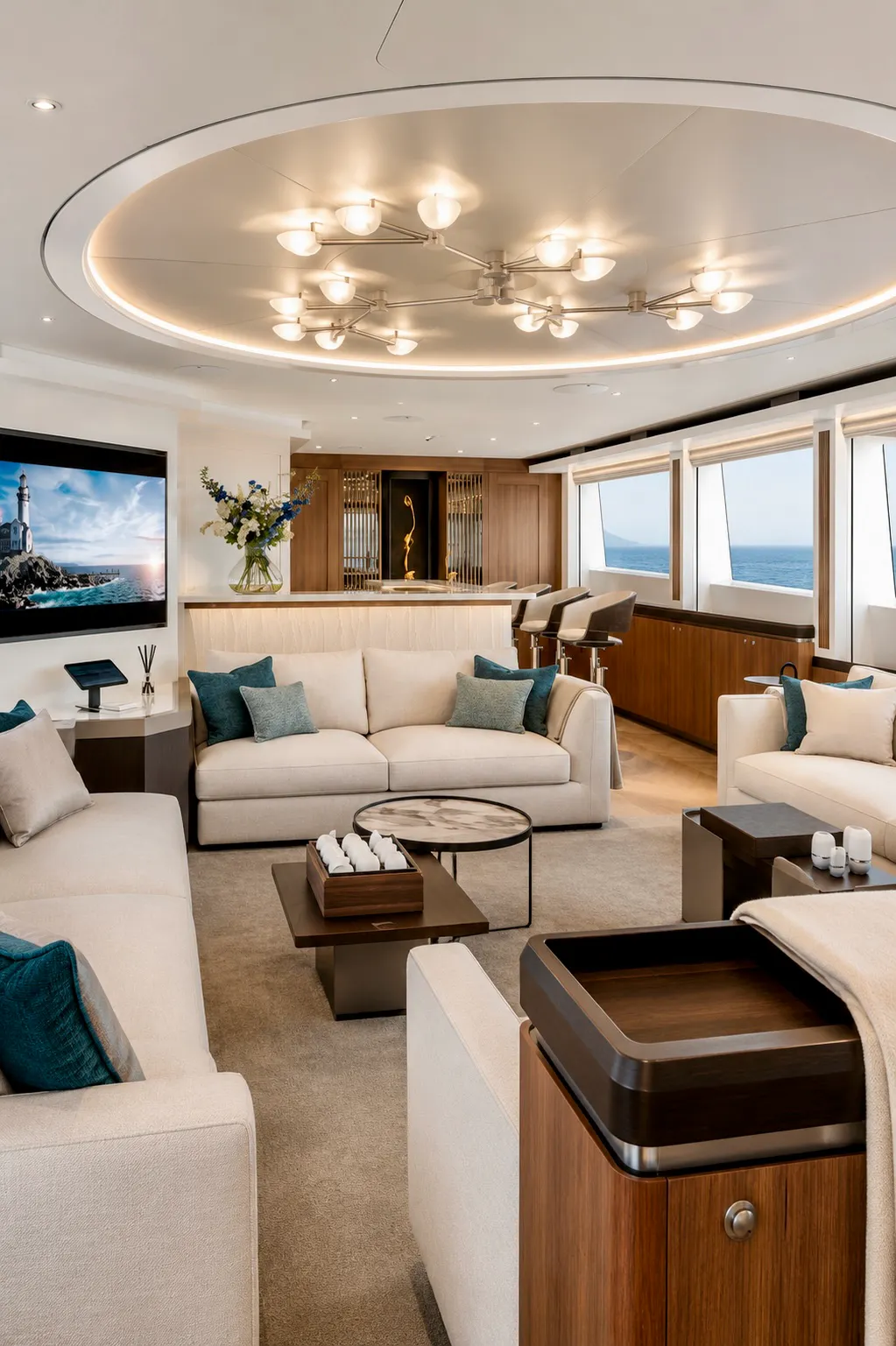
The timeless principles of marine craftsmanship are quietly changing the way we think about home interiors. When people think of marine design, they often picture luxury yachts anchored in glamorous harbors or polished teak decks glistening in the sun. Yet the true brilliance of marine design has very little to do with luxury. It has everything to do with craftsmanship.
For centuries, boat builders have faced one of the greatest design challenges imaginable: creating interiors that could withstand salt, moisture, sunlight, movement, and everyday life while making every inch of space count. Nothing aboard is accidental. Every material is selected for its performance. Every cabinet has a purpose. Every detail is designed to endure. The result is a philosophy that many homes are only beginning to rediscover. These principles have quietly influenced some of the world’s finest homes, yet they are rarely discussed outside the marine industry.
At VeniS Atelier, we believe these lessons deserve a place on land. Our Marine Design at Home series explores the craftsmanship, materials, and design thinking that have shaped life at sea for generations—and shows how those same ideas can create homes that are calmer, more durable, and more intentional.
This isn’t about decorating with anchors or turning your living room into a yacht. It’s about understanding why marine design works so well.
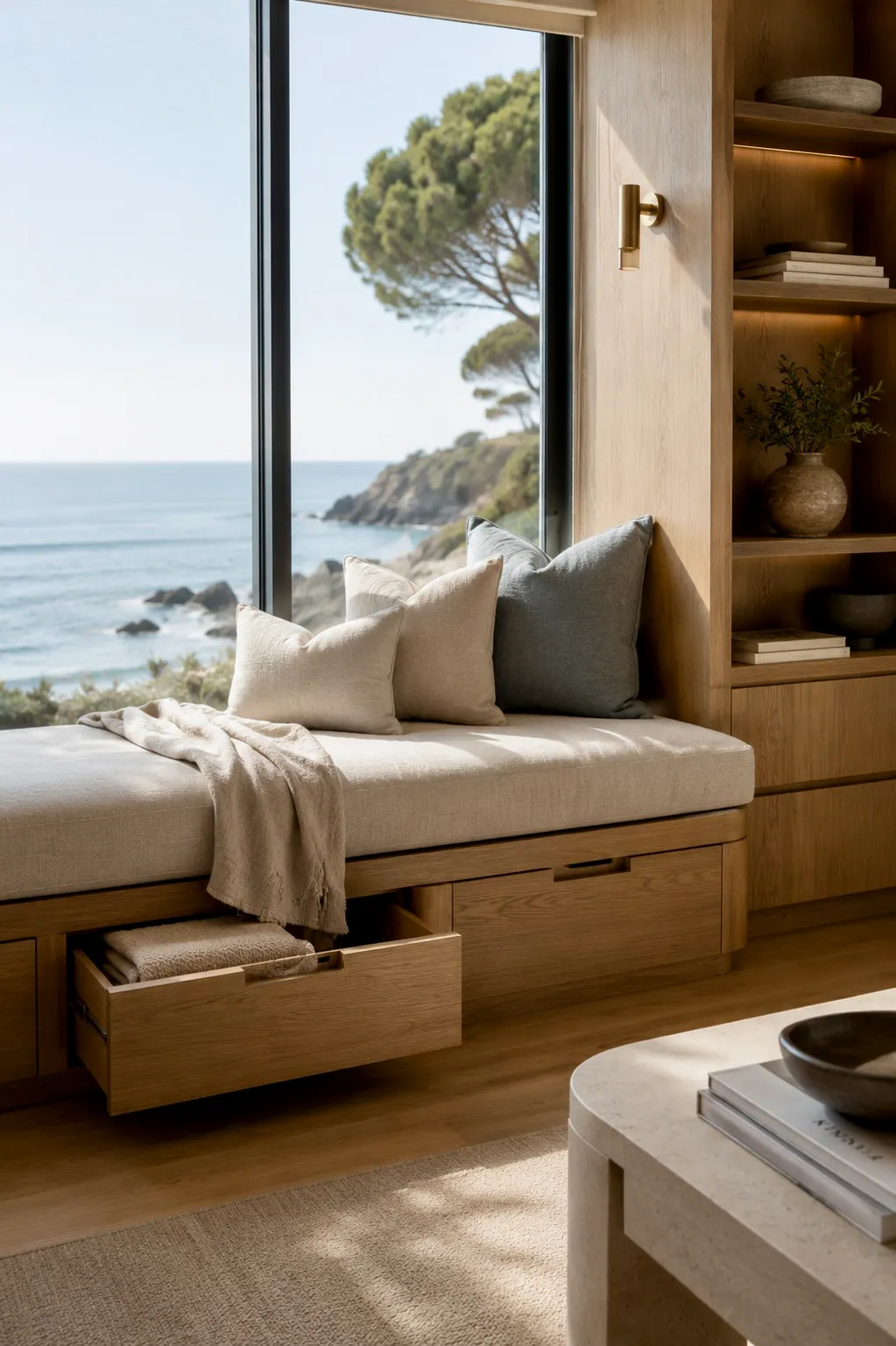
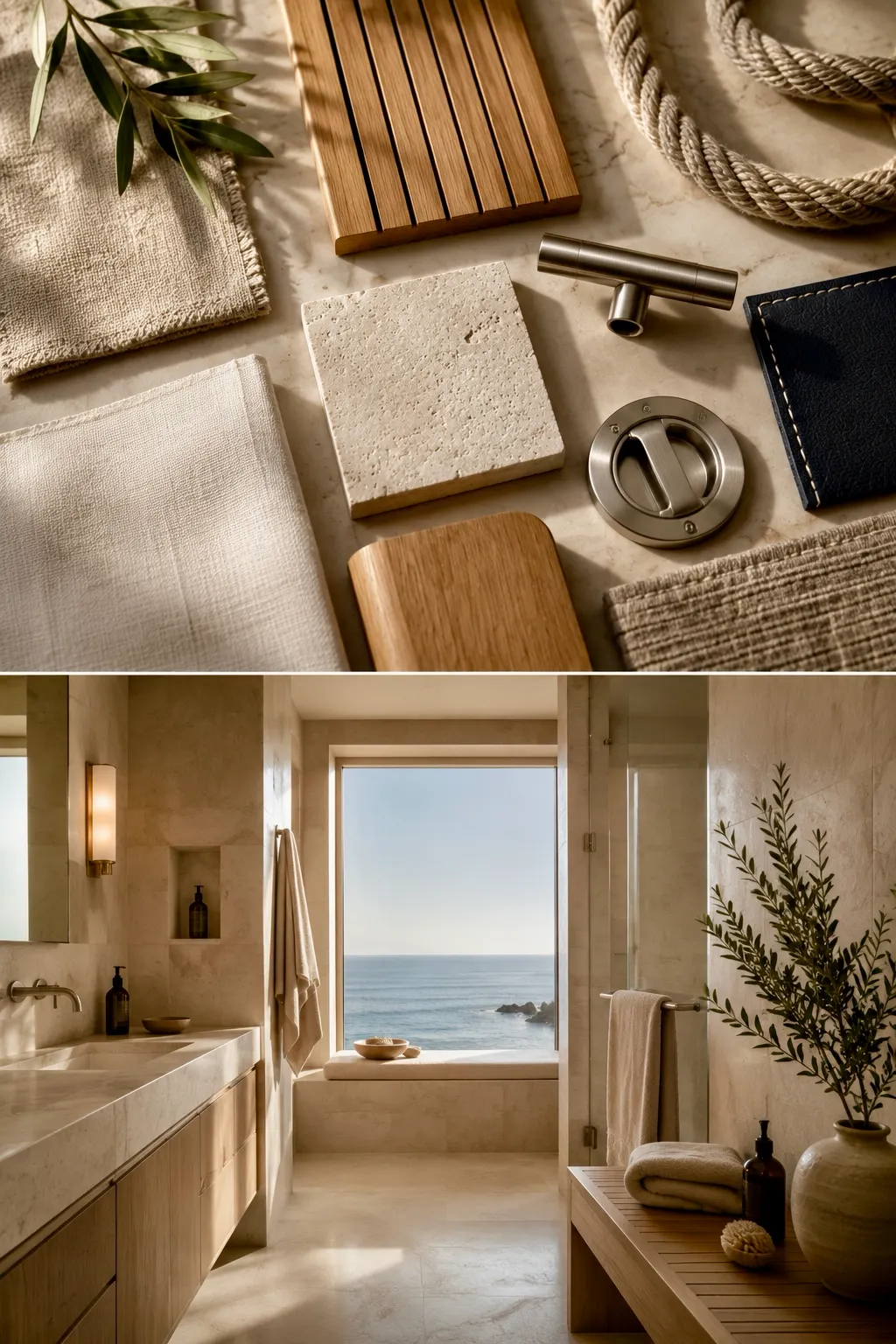
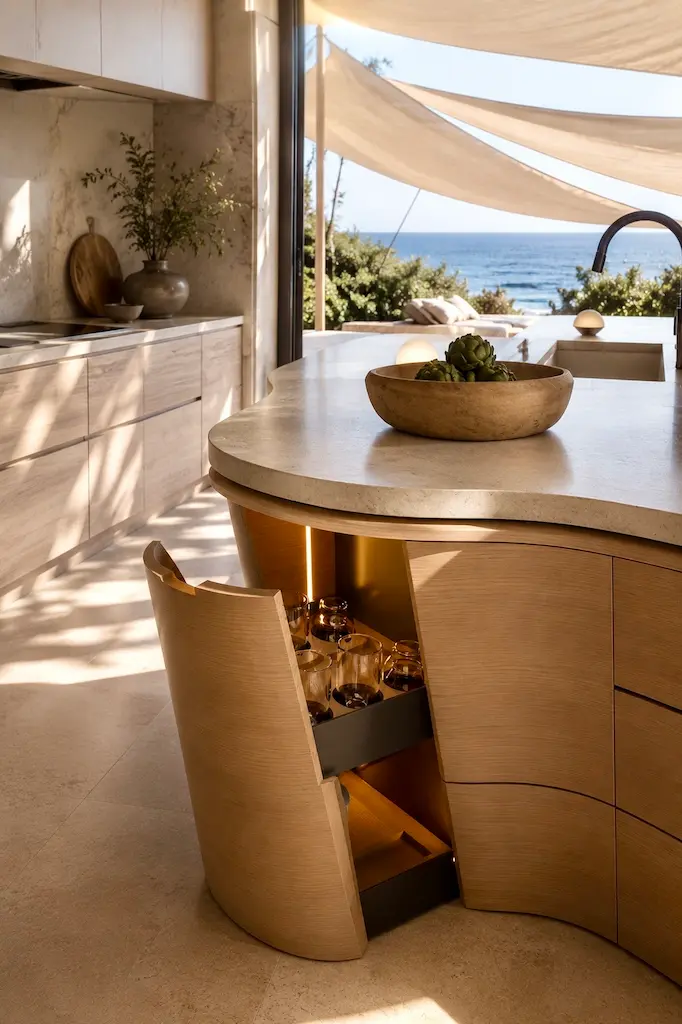
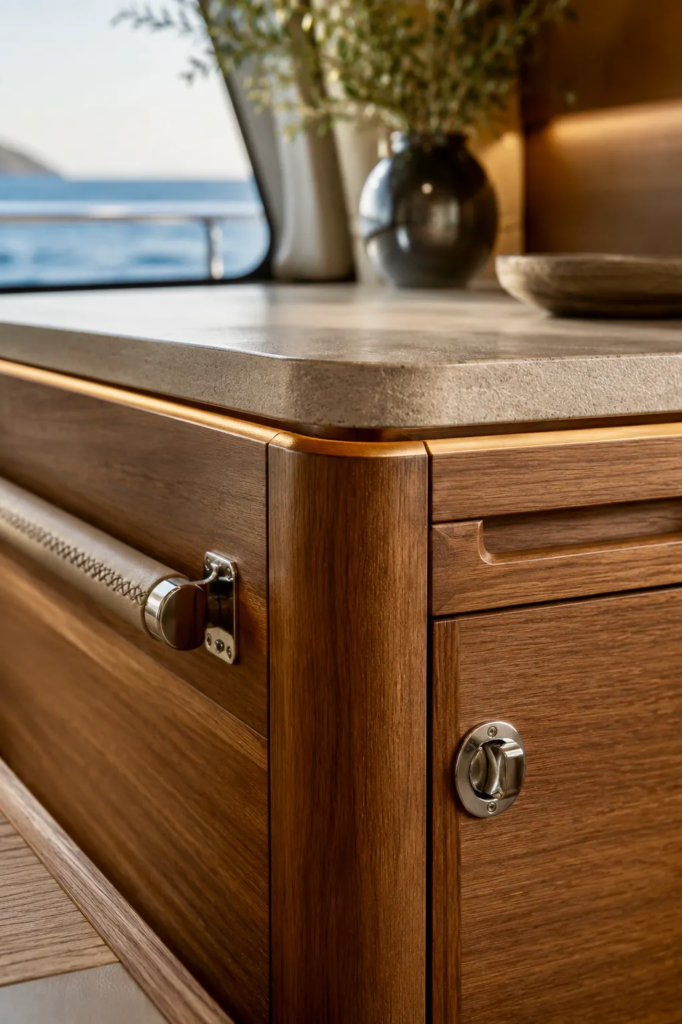
Step aboard a beautifully crafted yacht and something immediately feels different. The space is calm, organized, and remarkably intentional. Cabinets disappear into the architecture. Drawers close with precision. Corners are softly rounded. Materials feel substantial beneath your hand. Nothing seems excessive, yet nothing feels missing. That feeling isn’t created by expensive finishes. It’s created by thoughtful design.
On a yacht, storage is hidden because space is precious. Furniture is built rather than assembled. Hardware is selected because it must resist corrosion for decades. Teak is valued not simply because it is beautiful, but because it naturally withstands moisture and changing weather. Marine-grade stainless steel performs where ordinary metals eventually fail. Beauty becomes the result of intelligent design rather than decoration.
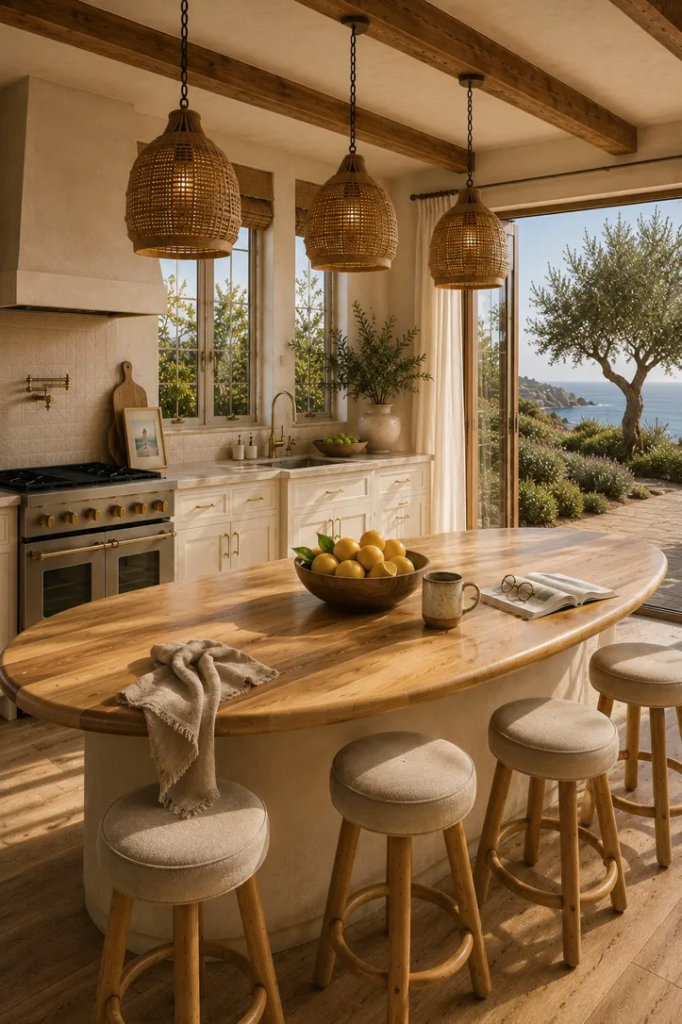
Perhaps that is why yacht interiors have remained remarkably timeless. While residential trends change every few years, the principles of marine craftsmanship remain remarkably consistent: durability, simplicity, precision, and thoughtful use of every square inch. Those same ideas feel surprisingly relevant today. Homeowners increasingly seek kitchens that work harder, storage that disappears, natural materials that age gracefully, and interiors that feel calm instead of crowded. They are choosing fewer objects, better craftsmanship, and materials designed to last rather than be replaced. Without realizing it, many are embracing principles that have long been standard in marine design.
The influence extends far beyond the marina. A teak vanity in the bathroom, marine-grade stainless steel in an outdoor kitchen, hidden storage beneath a window seat, softly rounded cabinetry, or durable performance fabrics all borrow from a tradition where beauty and function have never been separate ideas. The goal is not to make a home feel like a yacht. It is to borrow the discipline that made yachts some of the most thoughtfully designed living spaces ever created.
When every element serves a purpose, luxury becomes quieter. More comfortable. More enduring. Throughout this series, we’ll explore the materials, craftsmanship, and design principles behind marine interiors—and discover how centuries of life at sea can inspire homes that are built not only to look beautiful, but to live beautifully.
Designer’s Note
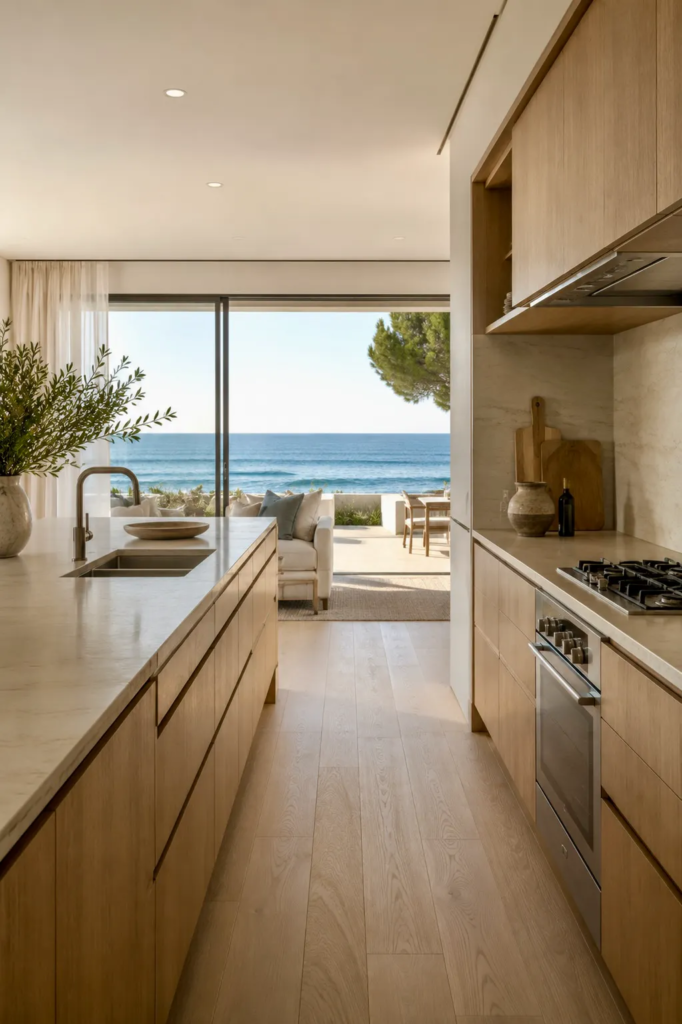
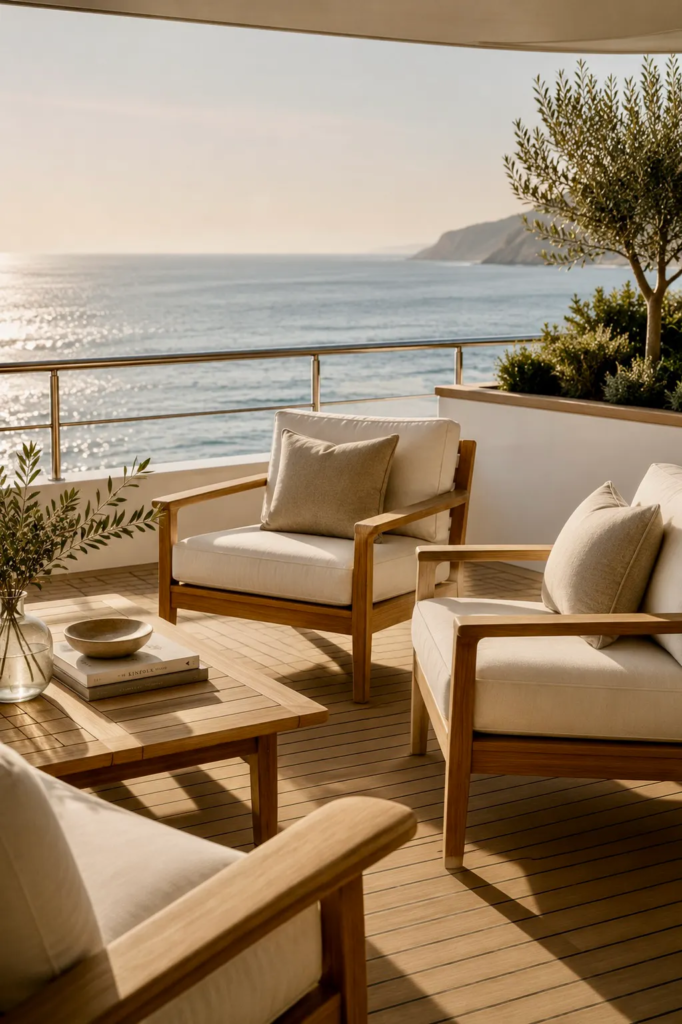
Marine design isn’t a decorating style—it’s a design philosophy. Rather than recreating the appearance of a yacht, begin by borrowing the principles that make marine interiors so enduring. Choose materials for their longevity as much as their beauty. Invest in craftsmanship instead of unnecessary decoration. Look for opportunities to simplify a space through built-in storage, integrated cabinetry, and thoughtful lighting rather than adding more furniture or accessories. Above all, ask one question before making any design decision: Will this make my home work better, or simply look different? The answer often leads to the quiet elegance that has defined marine interiors for generations.
Where to Use It
| Marine Design Principle | Best Applied at Home |
|---|---|
| Teak | Bathroom vanities, shower benches, outdoor furniture, slatted feature walls |
| 316 Marine-grade stainless steel | Outdoor kitchens, cabinet hardware, shower fixtures, railings, pool areas |
| Built-in storage | Window seats, mudrooms, banquettes, media walls, entry benches |
| Flush cabinetry | Kitchens, laundry rooms, pantries, home offices, wardrobes |
| Rounded corners | Kitchen islands, shelving, coffee tables, bathroom vanities |
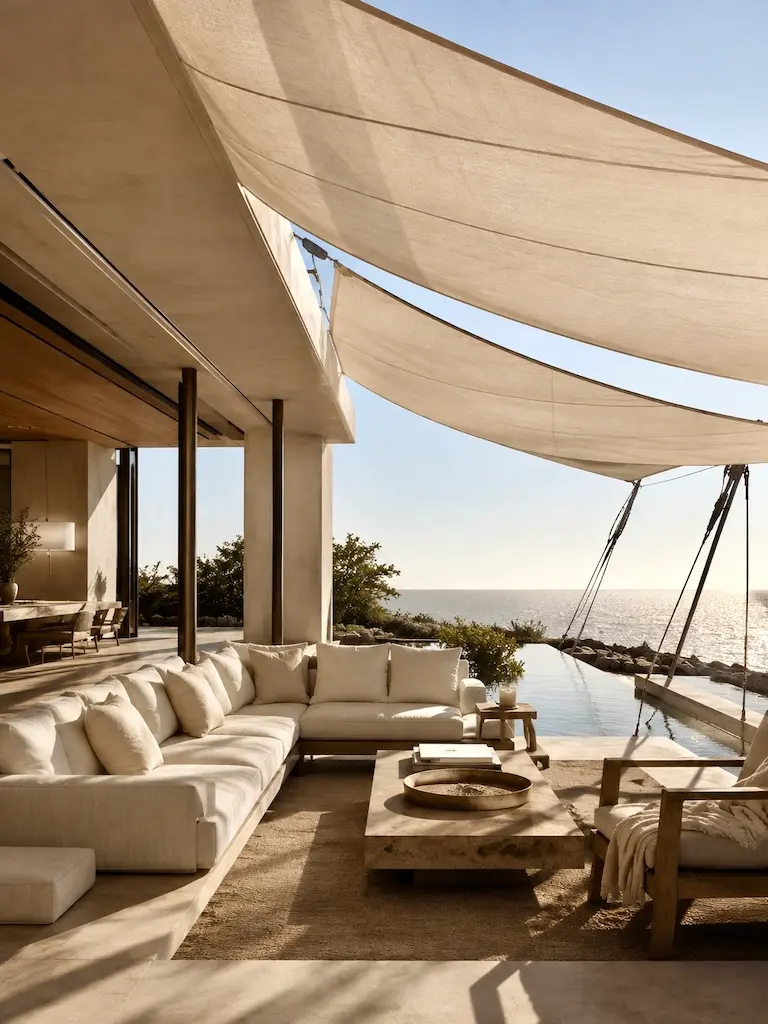
| Performance fabrics | Sofas, dining chairs, breakfast banquettes, sunrooms, outdoor living spaces |
| Layered lighting | Living rooms, kitchens, bedrooms, shelving, hallways, reading corners |
| Natural materials | Throughout the home—combine teak or white oak, linen, stone, and brushed metal for a timeless coastal palette |