When Sunshine Designs the House
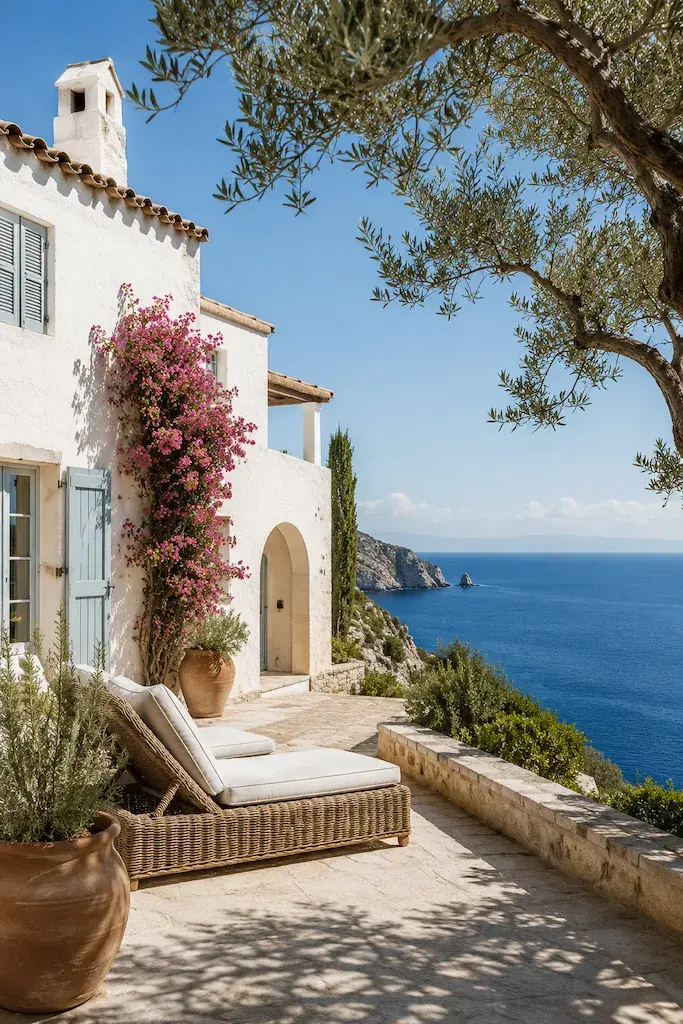
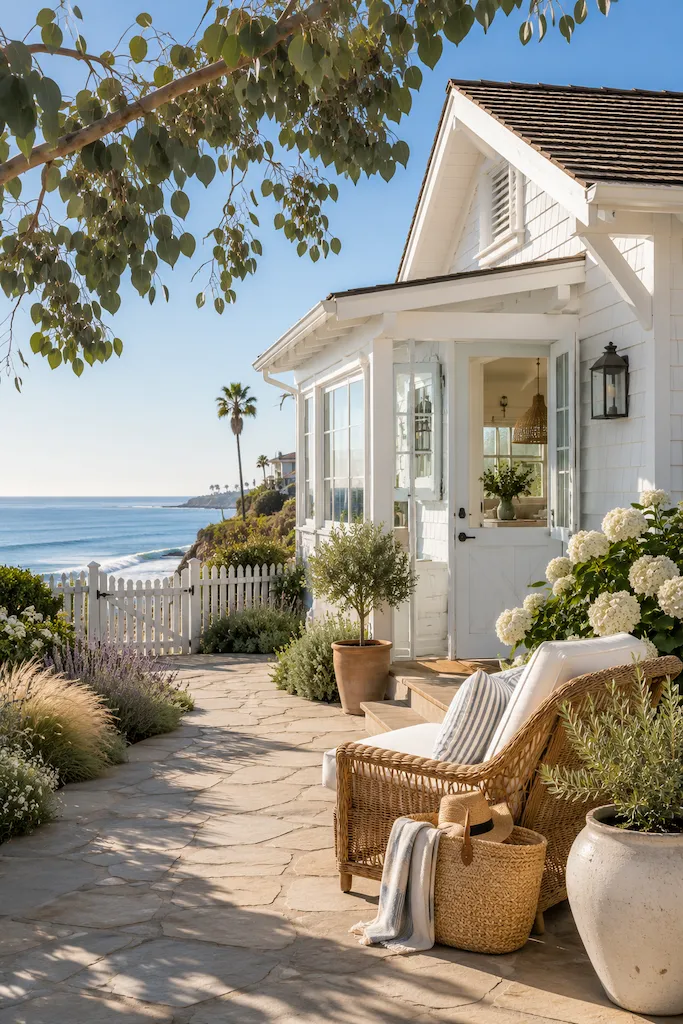
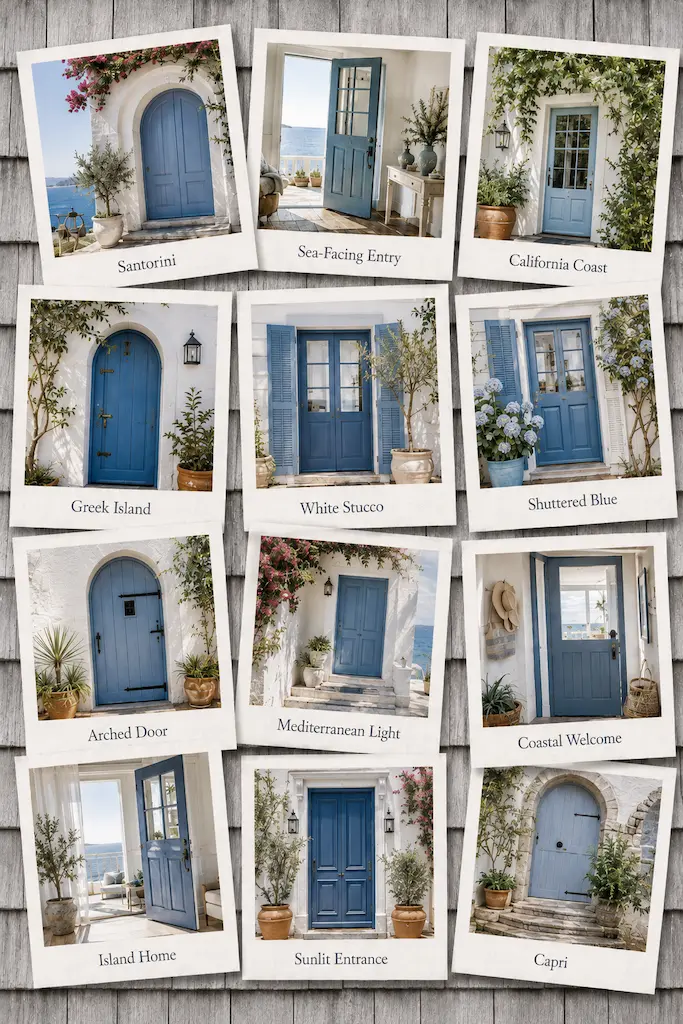
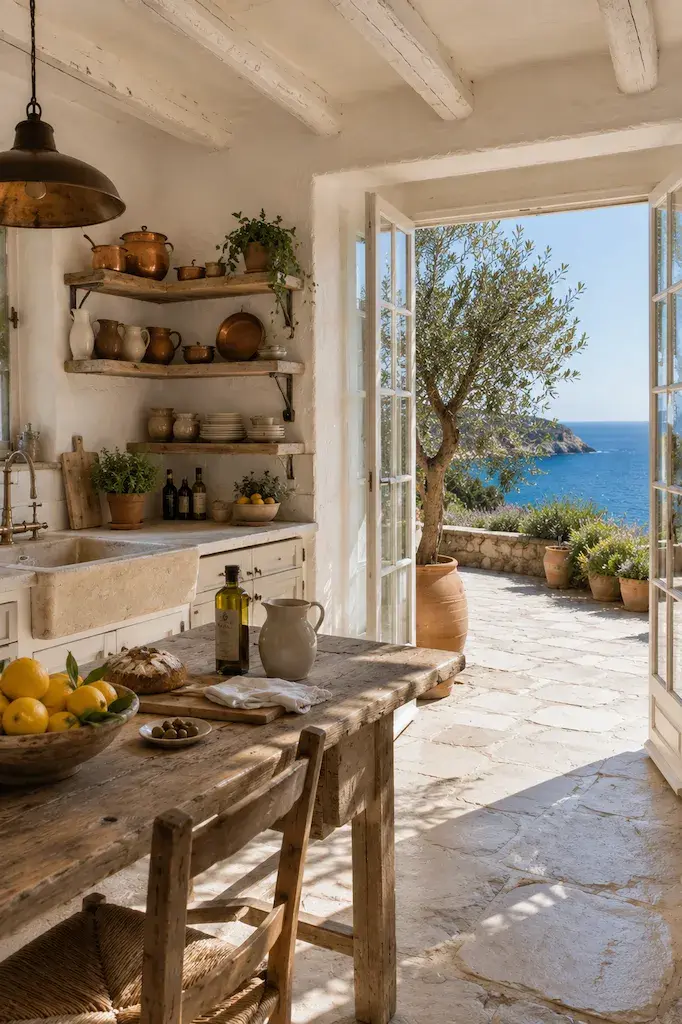
Mediterranean villas and California cottages certainly don’t look like long-lost twins. One prefers thick stone walls, terracotta roofs, and olive trees. The other is happier with painted wood, welcoming porches, and hydrangeas. At first glance, you’d never mistake one for the other.
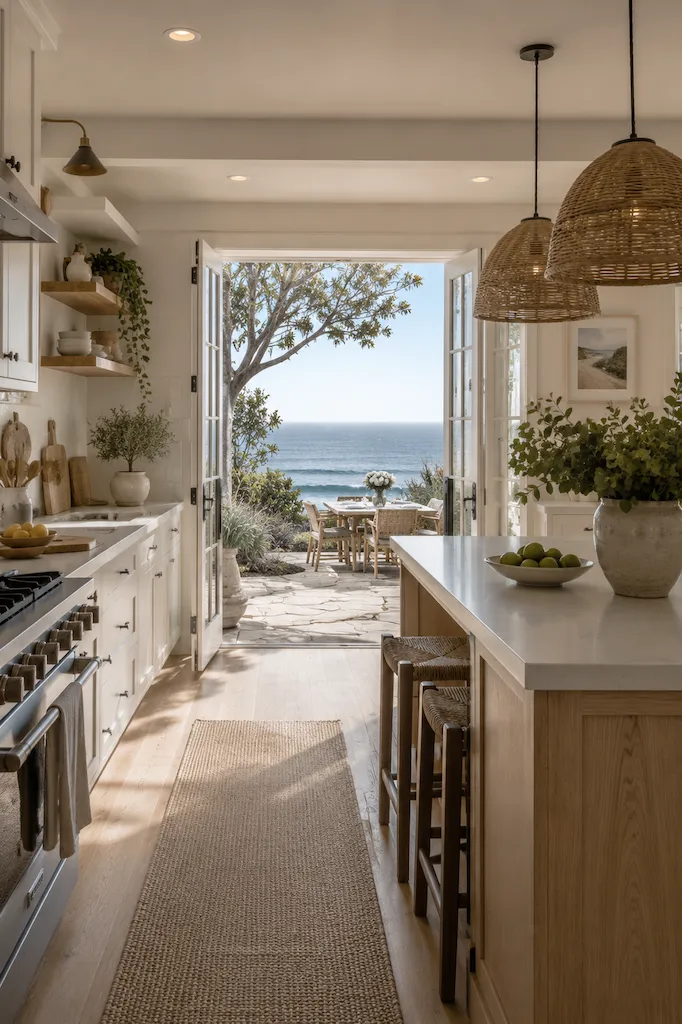
Spend half an hour inside either home, though, and they begin finishing each other’s sentences. Both invite sunlight to become part of the décor. Both leave the doors open whenever possible. Both seem convinced that meals taste better outdoors and that the garden deserves to be treated as another room of the house. Somewhere between the kitchen and the terrace, their differences begin to matter much less. Different architecture, exactly the same priorities.
Build a home where the weather is beautiful most of the year and people eventually arrive at the same conclusion. Make the windows bigger. Leave the doors open. Create somewhere pleasant enough that lunch accidentally becomes dinner.
The Mediterranean Villa
Mediterranean villas were never designed simply to impress the neighbors. They were designed to survive long, hot summers before anyone had invented air conditioning. Thick stone and stucco walls stayed naturally cool, deep roof overhangs created welcome shade, and shutters kept the afternoon sun where it belonged—outside. Terraces and courtyards gradually became another room of the house for much of the year, while olive trees, citrus groves, rosemary, lavender, and climbing vines blurred the line between architecture and landscape.
The California Cottage
California cottages tell a different story but arrive at many of the same conclusions, only with more painted wood, considerably fewer olive trees, and a respect for California’s occasional earthquakes. Influenced by the Arts and Crafts movement and the Pacific coastline itself, these homes embraced timber construction, generous windows, welcoming porches, and Dutch doors that spend much of the day politely debating whether they should be open or closed. In reality, the family dog usually settles the argument. Gardens traded vineyards for citrus trees, birds of paradise, native grasses, lavender, eucalyptus, and palms, while linen, woven textures, and natural wood created interiors that felt relaxed rather than formal. The materials changed. The philosophy barely did.
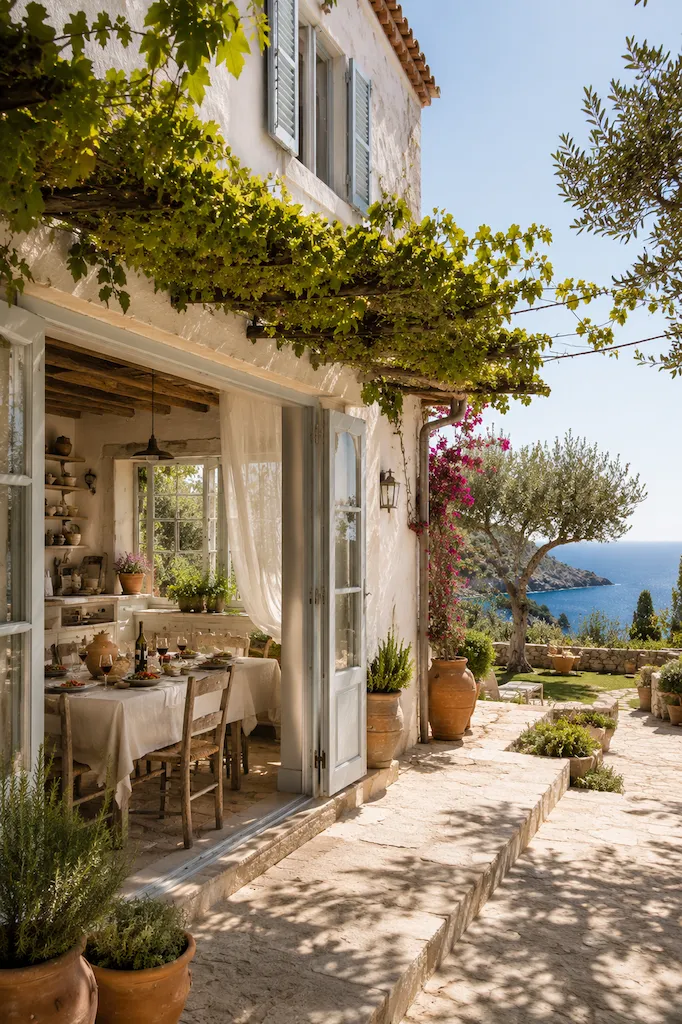
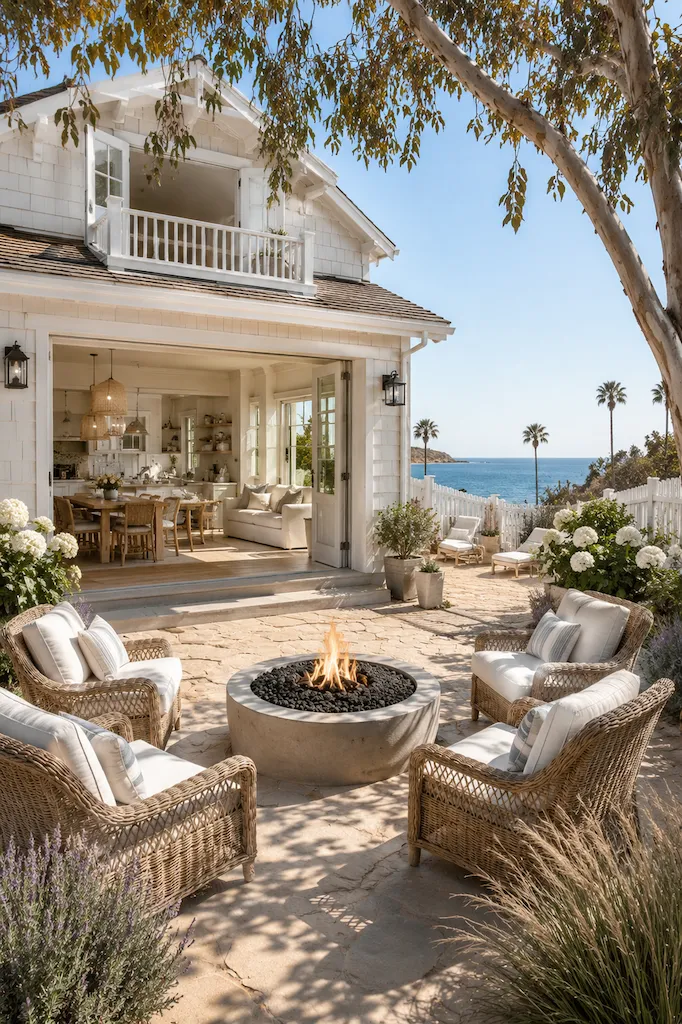
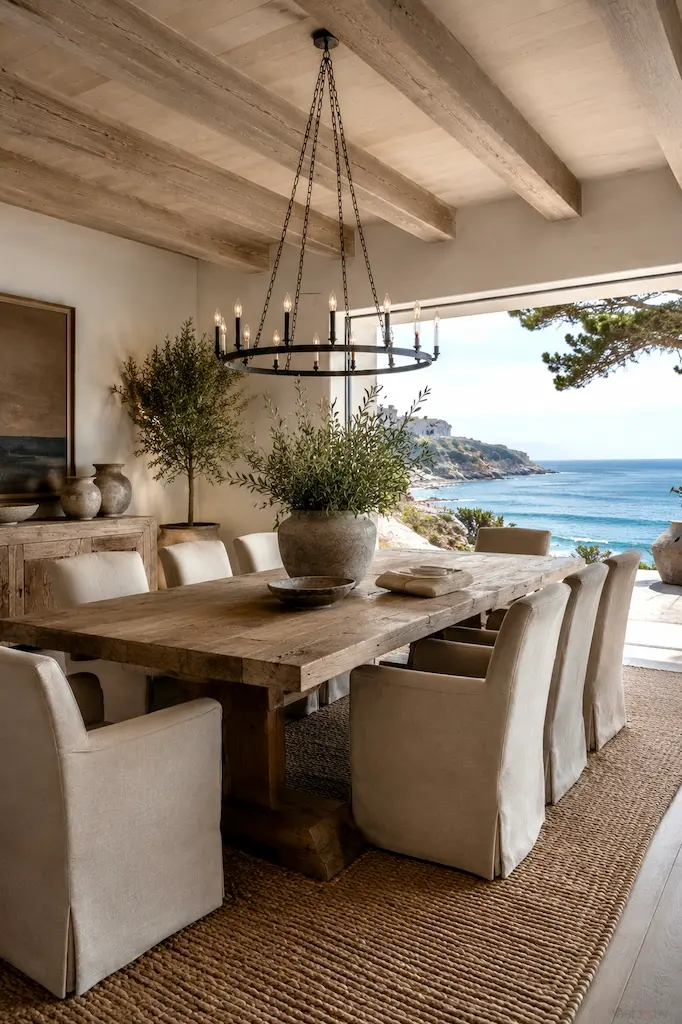
Neither home seems especially interested in showing off. Both seem far more interested in convincing you to take your shoes off. The dining table is rarely the most important piece of furniture. More often, it’s whichever table happens to be outside that day. Doors stay open whenever the weather allows, sea breezes are treated as welcome guests rather than inconveniences, and family gatherings have a curious habit of lasting much longer than originally planned. Good architecture, it turns out, isn’t only about walls and roofs. It’s about making people reluctant to leave.
That may explain why Mediterranean villas and California cottages feel so familiar, despite being separated by thousands of miles. They weren’t copying one another. They were responding to the same generous climate, the same coastal light, and the same instinct to spend as much of life outdoors as possible. One reached for stone, the other for timber, but both arrived at remarkably similar answers to the same question: how should a home make us feel? The Mediterranean villa and the California cottage don’t look alike because one borrowed from the other. They look alike because sunshine has always been an excellent architect. The result is a house that feels welcoming rather than impressive—a place where sandy feet are expected and everyday life unfolds at an easy pace.
Although one style grew from ancient Mediterranean villages and the other from California’s evolving coastal communities, both arrived at remarkably similar conclusions about how people actually enjoy living. Neither is obsessed with grand entrances or formal drawing rooms that nobody ever uses. Instead, they celebrate natural materials, welcome sunlight as part of the décor, and happily blur the line between indoors and outdoors. They assume the garden deserves equal status with the living room, that meals are better when eaten outside, and that the best seat in the house is usually on the terrace. Luxury, it turns out, has never been the point. Comfort has.
Whether overlooking the Ligurian Sea or the Pacific Ocean, the best coastal homes always seem to invite you to slow down, open the windows, and stay just a little longer. And yes… we do leave the Dutch door open after all.
Designer’s Note
Bringing Both Styles Home
Walls & Floors
- Choose warm white or lime washed walls for a soft, sunlit backdrop. Pair them with natural limestone or wide-plank white oak flooring.
Kitchen
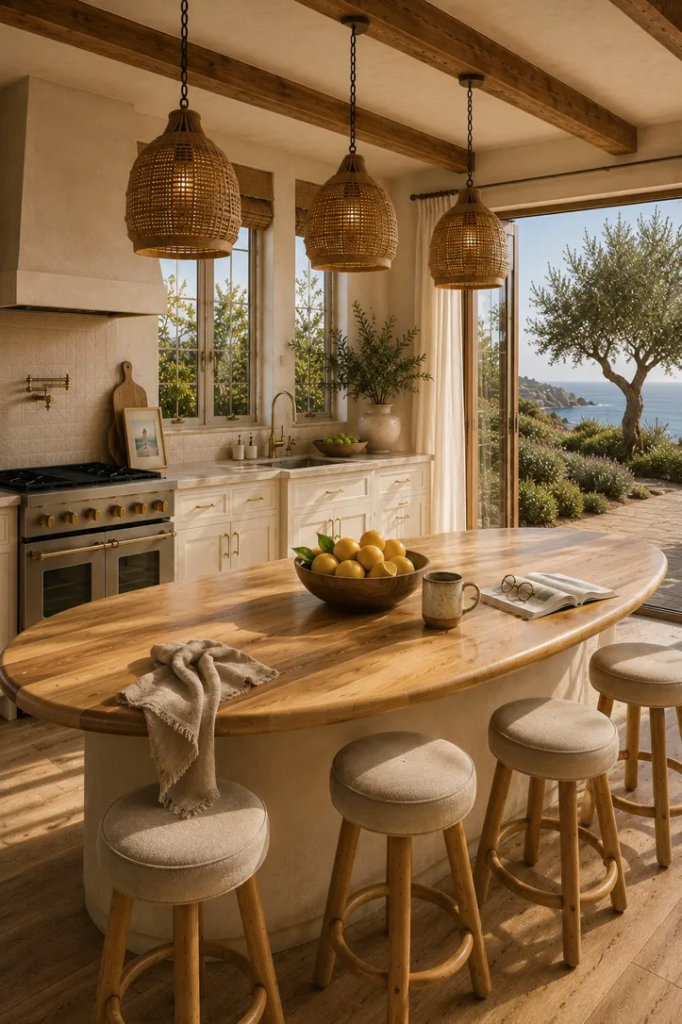
- Replace some upper cabinets with open shelving to display ceramic dishes, everyday glassware, and handmade pottery.
Indoor–Outdoor Living
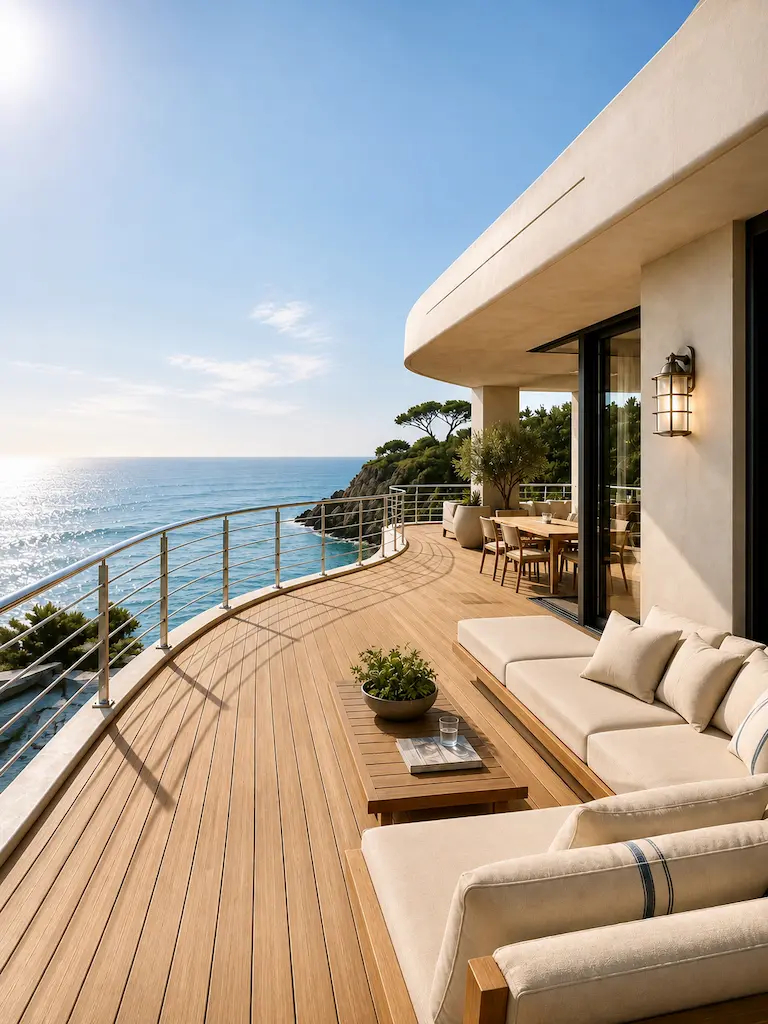
- Install French or Dutch doors that open directly onto a patio or terrace. Continue the flooring material, or use complementary stone outside.
Outdoor Space
- Furnish the patio with a simple wooden dining table and woven chairs. Use terracotta pots filled with rosemary, lavender, olive trees, or citrus.
Natural Materials
- Choose linen, cotton, white oak, limestone, and terracotta over synthetic finishes. Decorate with woven baskets, ceramic vases, and natural fiber rugs for warmth and texture.
The result isn’t a Mediterranean villa or a California cottage. It’s a home that borrows the best ideas from both coastlines—designed for gathering, slowing down, and enjoying life both indoors and out.
Want to Go Deeper?
This article is part of a larger story. Continue the journey in with our digital journal, The Caliterranean Homes: The Art of Bringing Vacation Home, where we explore the homes, colors, materials, and rituals that define the Caliterranean™ lifestyle.
Continue Exploring
If you enjoyed this article, you may also like:
What Is a Caliterranean™ Home?
What Homes Can Learn from Yacht Design
Mediterranean Minimalism: Why Beautiful Homes Don’t Have to Be Expensive
Borrowing Shapes from the Coast