Sveti Stefan, Budva, and the Art of Preservation
The Mediterranean has always been remarkably good at recycling—not bottles, but villages. Across its shores, monasteries become hotels, fishermen’s cottages become restaurants, and ancient harbors quietly evolve into places people travel halfway around the world to experience. Montenegro may be one of the finest examples. Along one small stretch of the Adriatic, two remarkable towns show how history doesn’t disappear. It simply finds a new purpose.
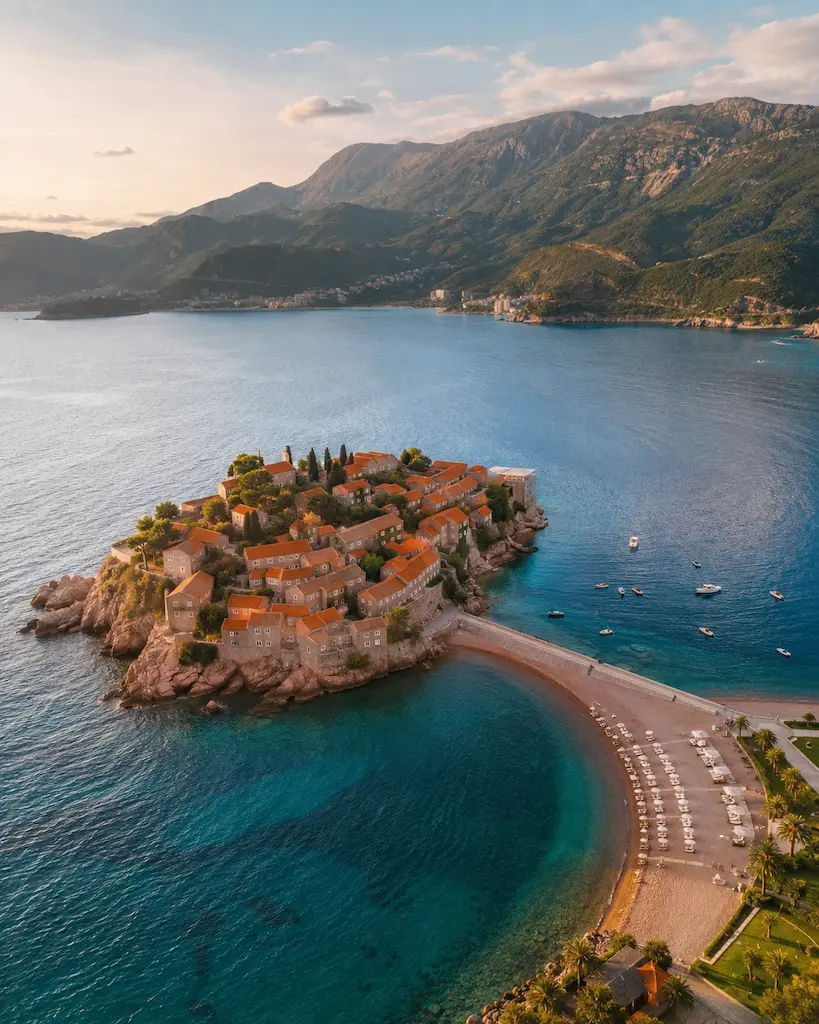
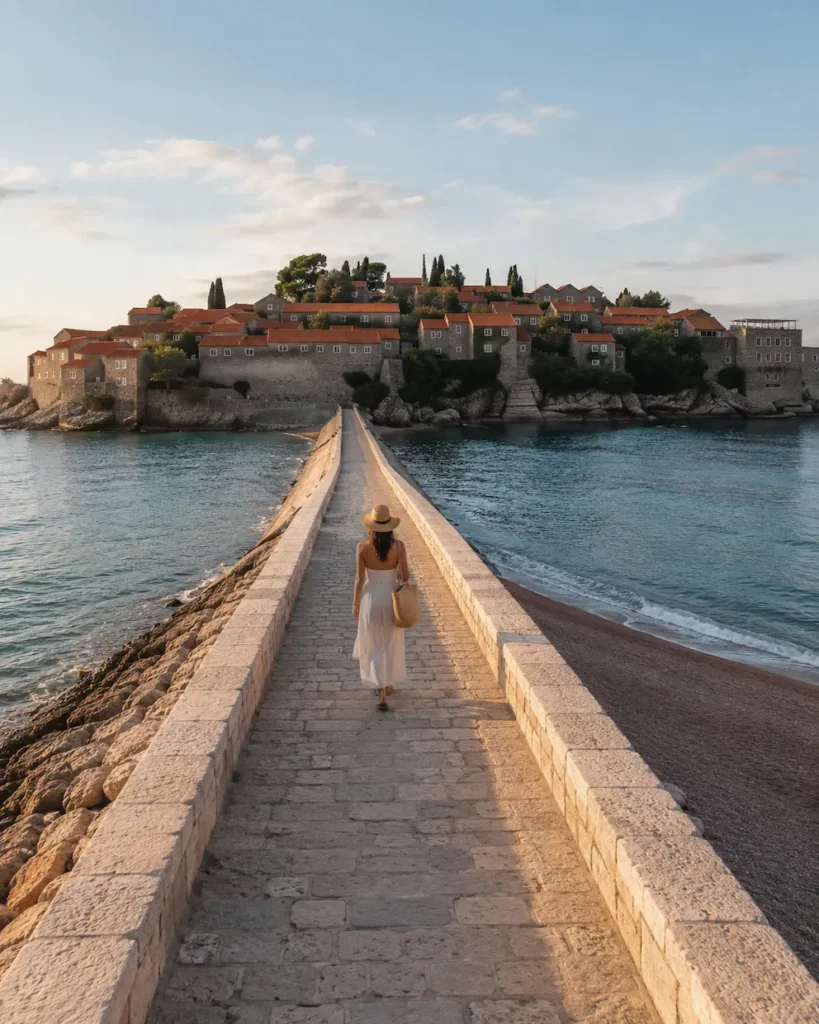
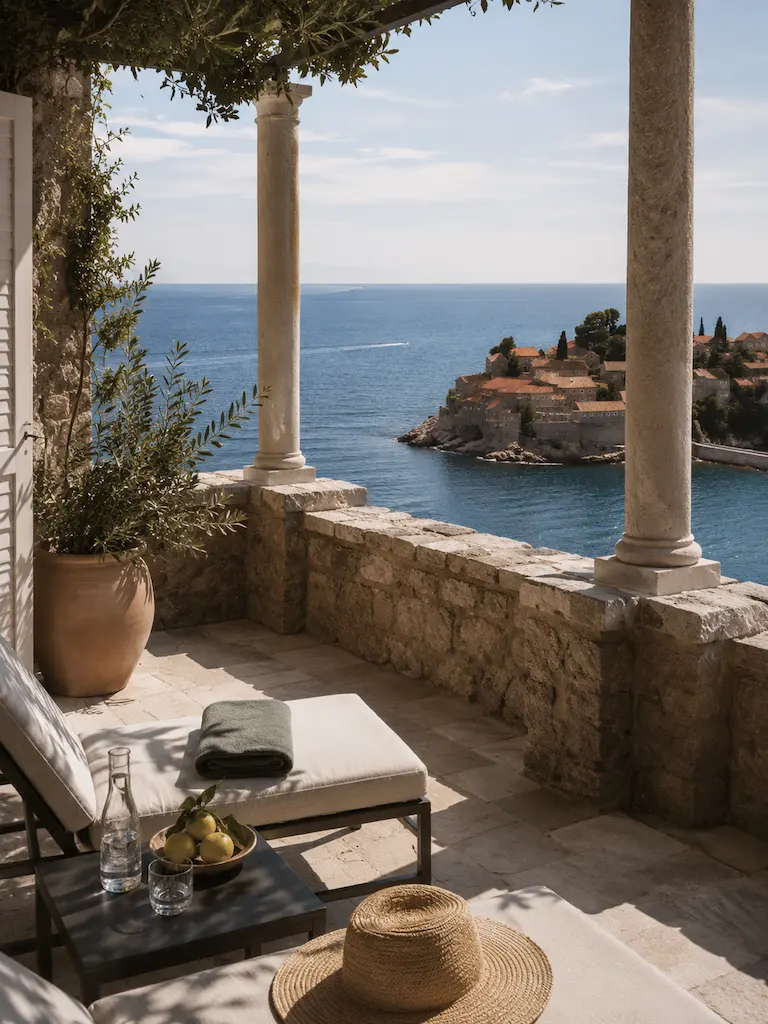
Sveti Stefan began life very differently from the place we know today. Built during the fifteenth century as a fortified fishing village, the tiny island protected local families from Ottoman raids along the Adriatic coast. Thick limestone walls, narrow lanes, and tightly clustered houses weren’t picturesque design decisions—they were practical ones. The sea became the island’s greatest defense, surrounding the village on every side except for a narrow stone causeway.
Centuries later, those same cottages would attract a very different kind of visitor. In the 1950s, rather than replacing the medieval village with a modern hotel, then – Yugoslavia carefully restored its original buildings and transformed the island into an elegant retreat. Sophia Loren, Elizabeth Taylor, and countless artists, royals, and world leaders came not because everything was new, but because almost nothing was. The greatest luxury was authenticity.
Today, the island is carefully preserved as part of Aman Sveti Stefan, where the restored stone cottages of the former fishing village now welcome guests from around the world. Rather than rebuilding what once stood here, the restoration allowed the village to continue its story—this time as one of the Adriatic’s most distinctive places to stay. Guests experience the village much as it has existed for generations. But, even if you’re not staying there, the view from the mainland is reason enough to visit. Somehow, seeing the island across the water feels exactly as it should. A place built to protect itself still keeps a respectful distance.
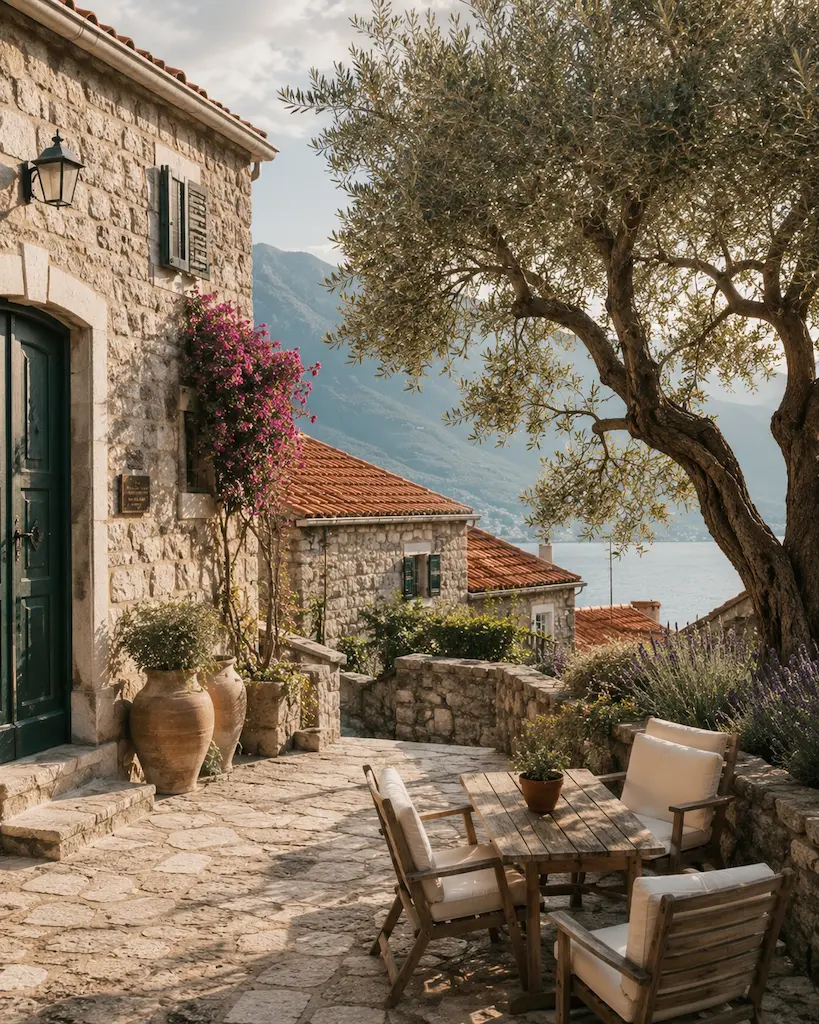
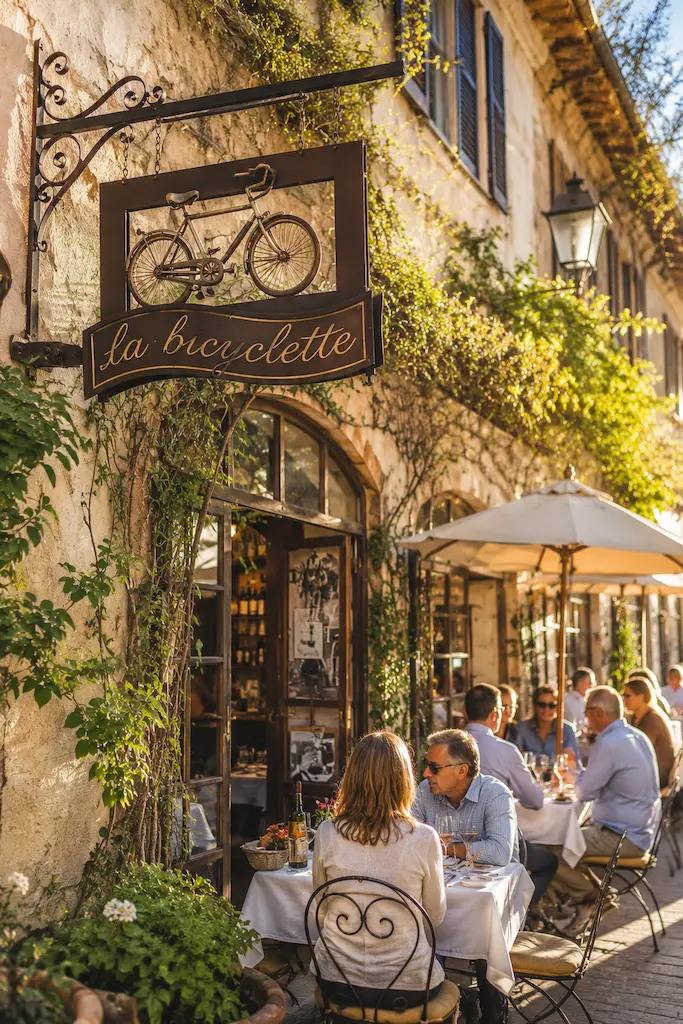
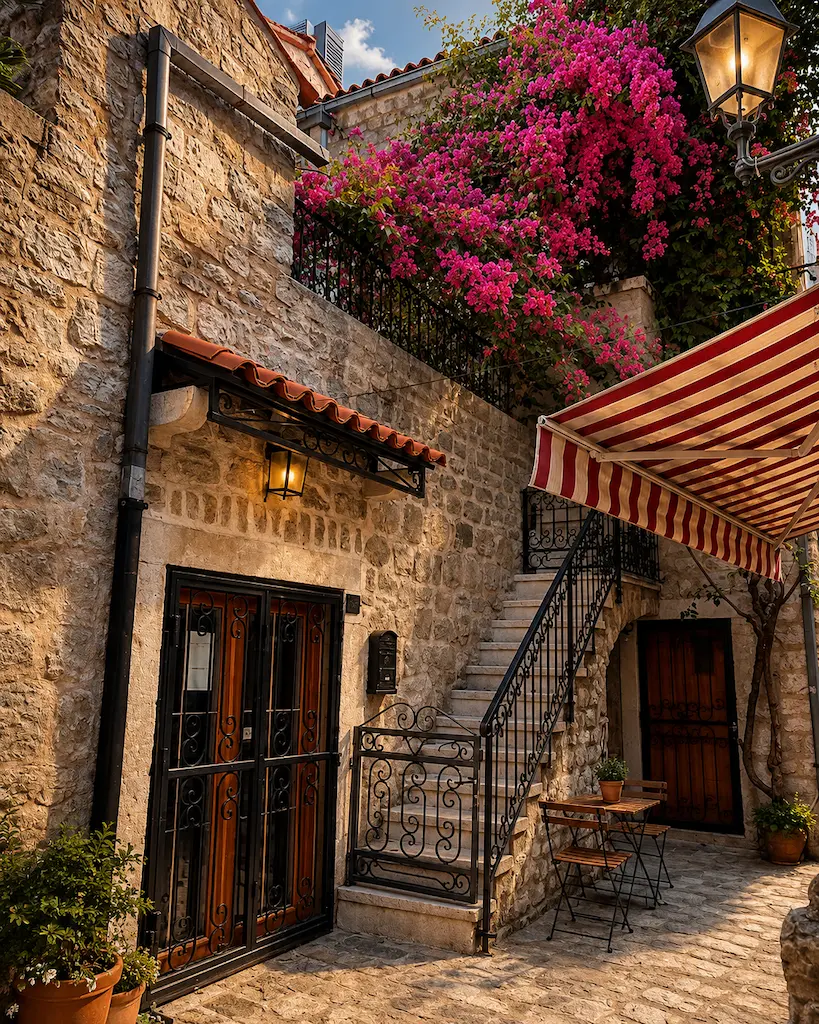
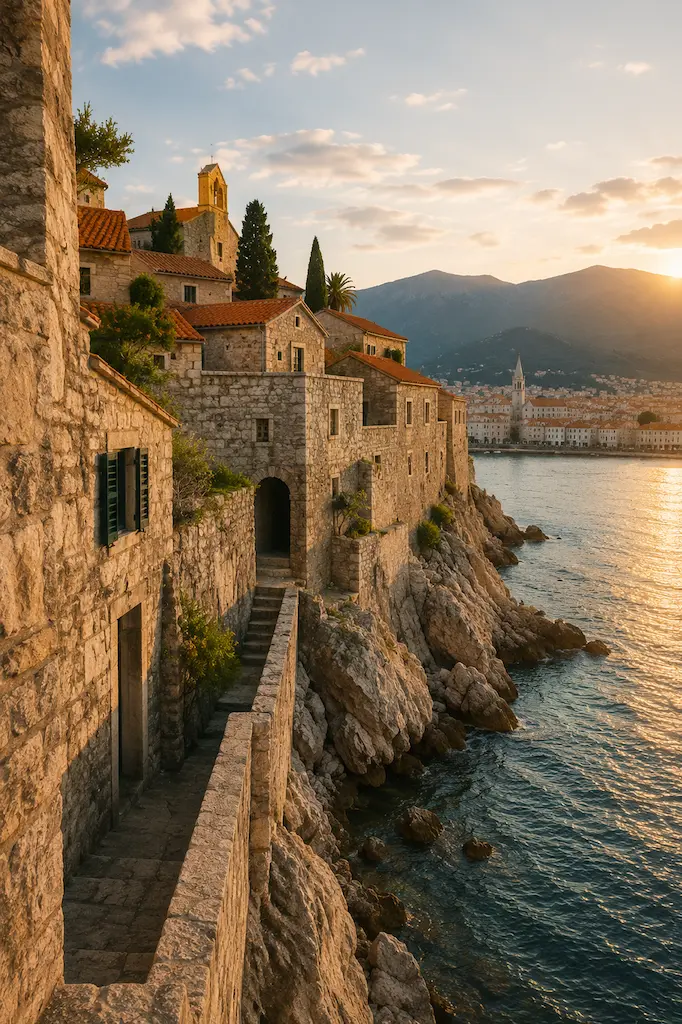
Just a few minutes along the coast, Budva offers a different perspective on the same history. More than 2,500 years old, it is one of the Adriatic’s oldest continuously inhabited towns, where Greek, Roman, Byzantine, and Venetian influences have quietly layered themselves over one another. Unlike Sveti Stefan’s peaceful stillness, Budva hums with everyday life. Café terraces spill into stone squares, fishing boats return to the marina, and residents still call the Old Town home.
What connects these two places isn’t simply geography. It’s the remarkable decision to let history remain visible. The stone walls were repaired rather than replaced. Terracotta roofs still dominate the skyline. Narrow streets continue to encourage wandering instead of rushing. Modern Montenegro understood something many destinations forgot: the quickest way to lose character is to rebuild it.
That’s why this coastline feels so memorable. You’re not looking at history behind ropes or museum glass. You’re walking through it, ordering coffee beside it, watching the Adriatic sparkle against walls that have stood for five centuries. The scenery is beautiful, but the real luxury is knowing that these places still feel like themselves.
Sveti Stefan and Budva don’t compete with one another. One offers the quiet elegance of preservation, the other the lively rhythm of a town that has never stopped evolving. Together, they tell a story the Mediterranean has been writing for centuries: the finest destinations are rarely created from scratch—they are carefully carried forward.
Plan Your Escape
Historic Experience
For those who want to stay within the medieval village itself, Aman Sveti Stefan offers restored stone cottages and suites that preserve the island’s historic character while providing a refined contemporary retreat.
Seaside Budva
Budva offers everything from boutique hotels within the Old Town to modern seaside resorts and private apartments overlooking the Adriatic. It’s an ideal base for travelers who want lively cafés, beaches, and easy access to Sveti Stefan.
Plan Your Journey
Stay on Sveti Stefan
- Aman Sveti Stefan
Experience the restored medieval village and its historic stone cottages.
Explore Budva
- Budva Tourist Organization
Local events, Old Town, beaches, and cultural attractions.
Nearby Inspiration
- Kotor UNESCO World Heritage Site
One of the Adriatic’s most spectacular medieval bays, about an hour’s drive away.
Sveti Stefan is best appreciated as part of Montenegro’s southern coast rather than as a single destination. Spend a morning admiring the island from the mainland, wander Budva’s centuries-old streets in the afternoon, and, if you’re staying on the island, enjoy the rare opportunity to experience its peaceful lanes after most visitors have gone home.
CONTINUE EXPLORING
Inspired by this story? Continue your journey with Kefalonia | The Greek Island That Feels Like California →