The beautiful art of going nowhere—and why two coasts have made a tradition of it
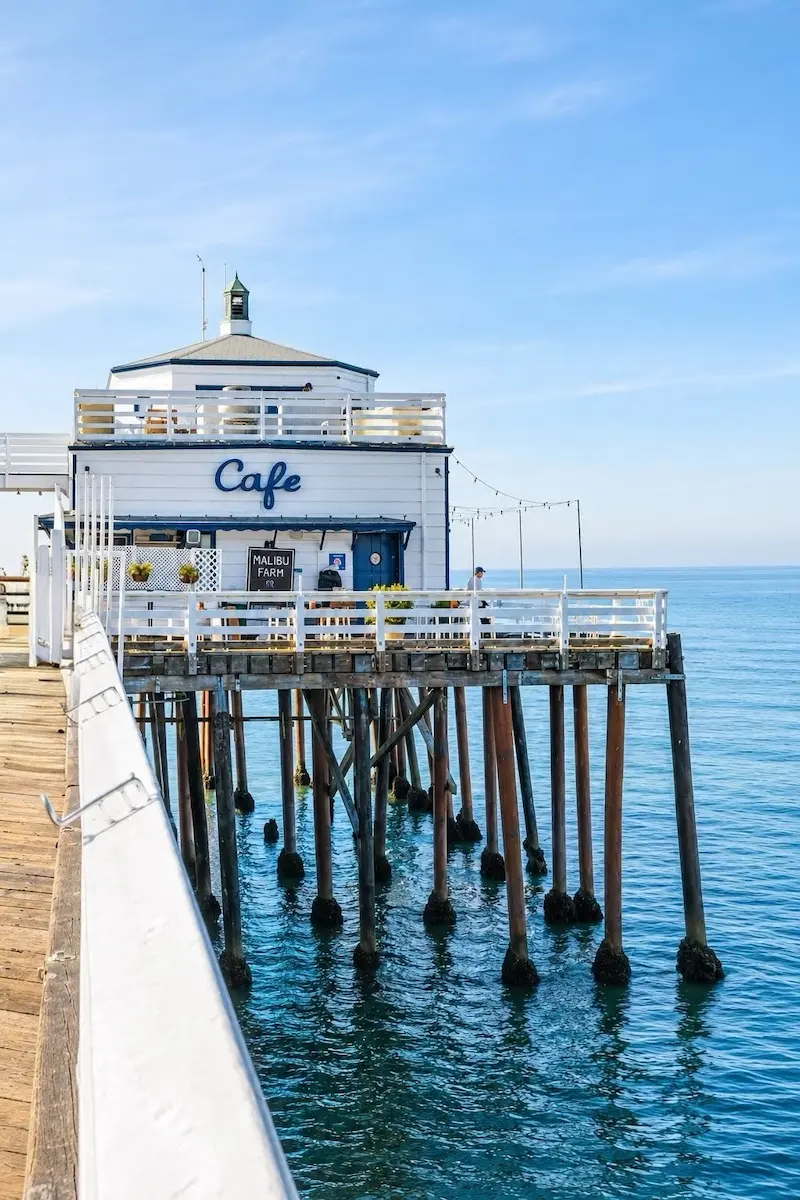
There is something wonderfully irrational about building a structure hundreds of feet into the ocean, walking to its very end, and then turning around. No destination, no appointment, no particular achievement beyond reaching a railing and staring at water. In a world obsessed with getting somewhere, the pier offers a refreshingly unambitious proposition: what if the journey was the entire point?
California has made something of an art form out of this peculiar pleasure. From Santa Monica to San Diego, its piers extend into the Pacific like invitations to temporarily abandon dry land, without the inconvenience of actually getting wet. Across the Mediterranean, promenades follow the coastline instead, turning a simple walk into a social occasion, a fashionable ritual, and sometimes an international spectacle. The destinations may differ, but the attraction is remarkably similar: the pleasure of being somewhere without having to do anything in particular.
The Mediterranean, of course, was building waterfront structures long before California acquired its first pleasure piers. Ancient Greek and Roman harbors, quays, and breakwaters connected coastal cities to the sea, although their purpose was decidedly practical. Commerce, fishing, and maritime trade came first; leisurely contemplation was not exactly a priority for the Roman shipping industry. Centuries later, European seaside resorts transformed the waterfront into something altogether more glamorous.
When the Promenade Became a Runway
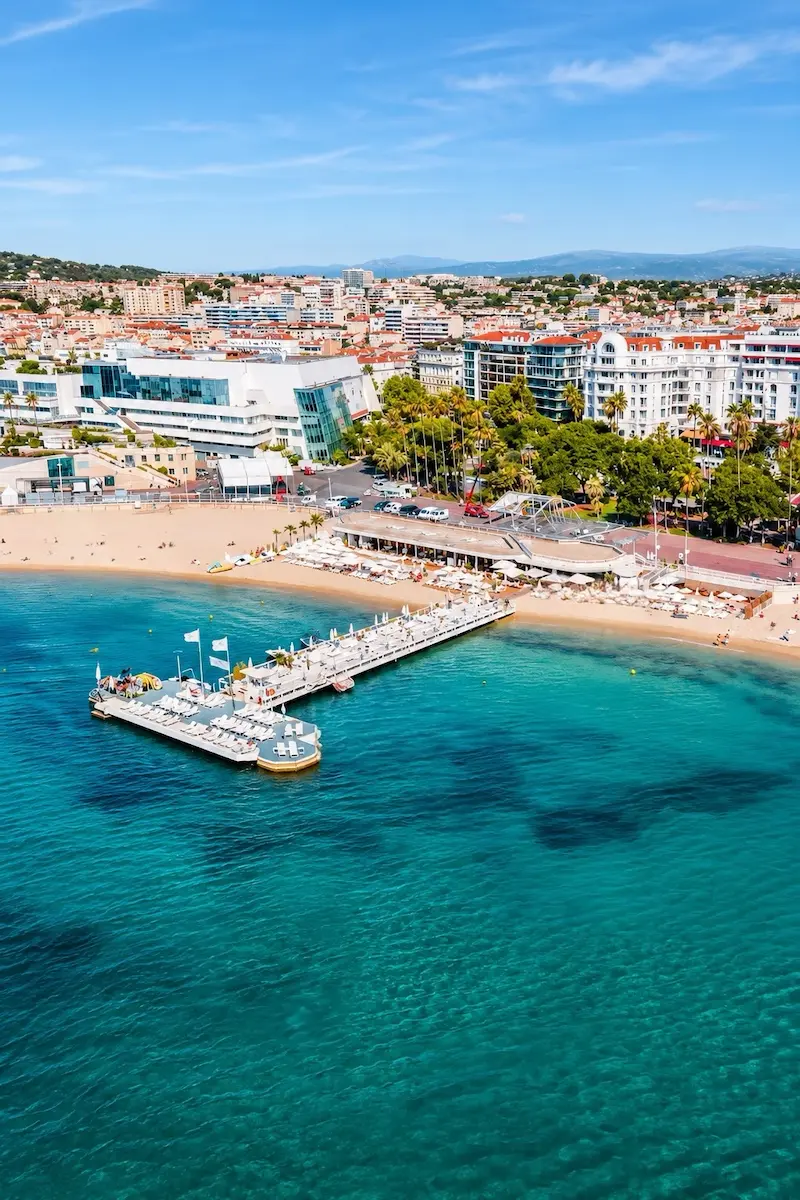
Few places illustrate this transformation better than Cannes, where an ordinary coastal path became one of the most recognizable promenades in the world. Long before the red carpet, La Croisette was already attracting Europe’s fashionable society. During the nineteenth century, the former Boulevard de l’Impératrice acquired palm trees, benches, and gas lighting, becoming a gathering place for aristocrats, diplomats, artists, and wealthy winter visitors. Apparently, the Mediterranean had discovered the art of being seen well before anyone invented the celebrity photograph.
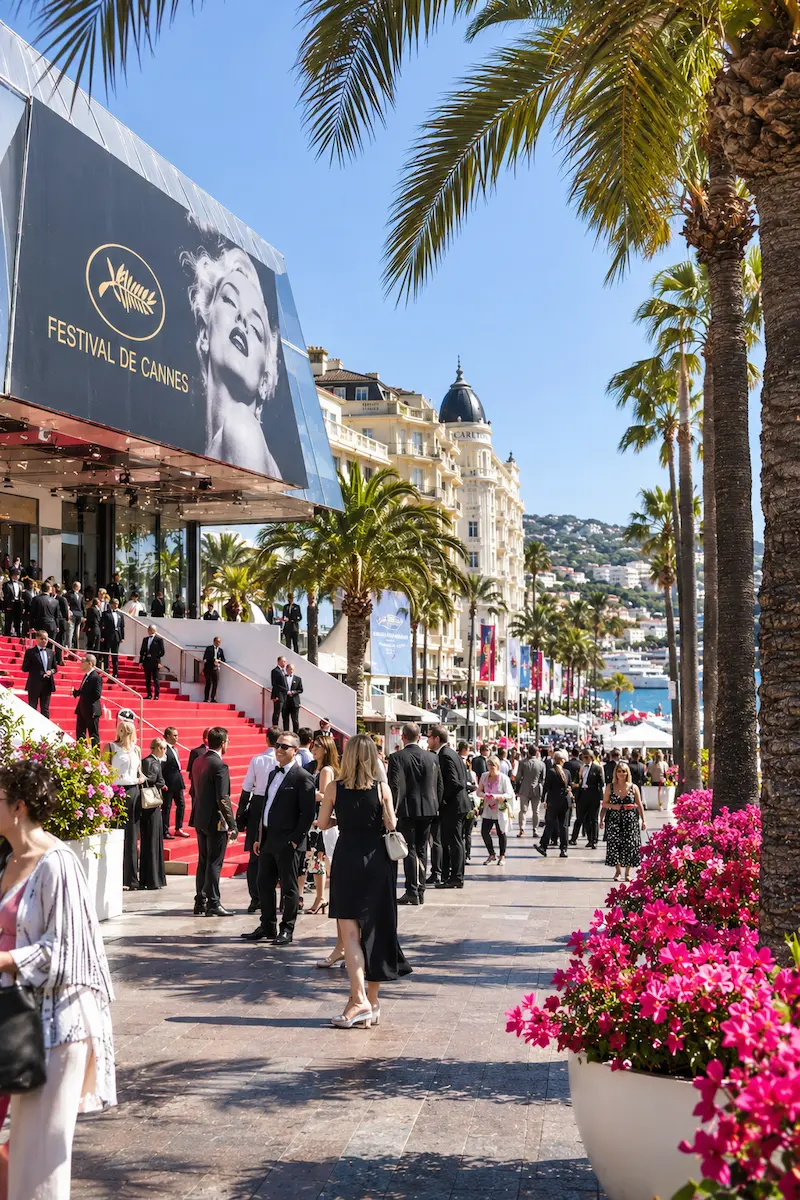
Then came the cinema. The first Cannes Film Festival took place in 1946, eventually transforming the resort into an international meeting place for filmmakers, actors, and the people who enjoy being photographed beside them. Today, La Croisette stretches between the Mediterranean and a parade of grand hotels, including the Carlton, Martinez, and Majestic, while the Palais des Festivals provides the famous red-carpet entrance. During festival season, a stroll can become a spectator sport, with designer gowns, photographers, and film-industry negotiations competing for attention.
Yet Cannes is arguably most enjoyable when the cameras have gone home. The boulevard returns to its everyday rhythm: morning walkers, conversations over coffee, families heading toward the beach, and visitors admiring hotel façades they have no intention of checking into. The sea remains the one attraction that requires neither an invitation nor a reservation. For all its glamorous associations, La Croisette is still a public promenade, and the pleasure of walking along it belongs to more than the people arriving in chauffeured cars.
California Had Its Own Ideas About Entertainment
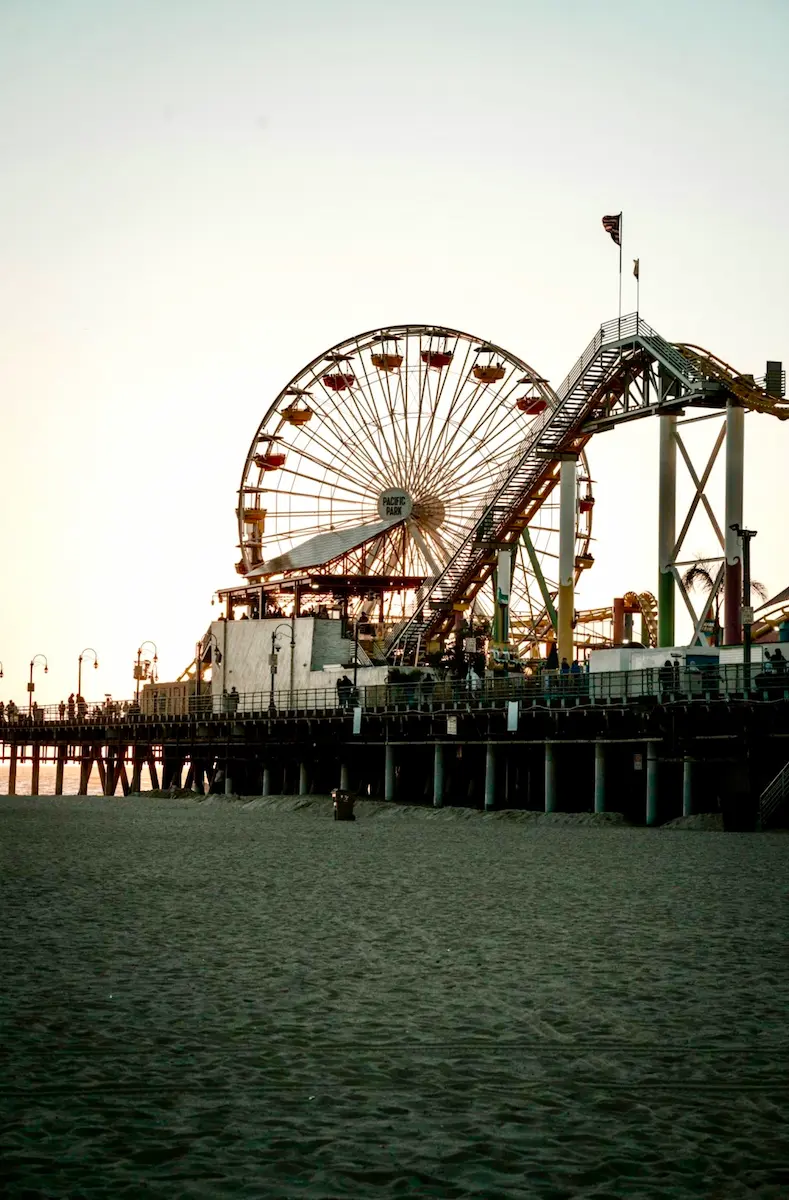
Across the Atlantic, California developed a different relationship with seaside leisure. Instead of transforming the waterfront into a fashionable boulevard, its coastal towns often built attractions directly over the ocean. Santa Monica’s municipal pier opened in 1909 as part of a sewage-disposal system, hardly the romantic beginning one might expect from an icon of California beach culture. In 1916, amusement entrepreneur Charles Looff added an adjoining pleasure pier, introducing entertainment to a waterfront previously occupied by considerably less glamorous municipal engineering.
The transformation was extraordinary. Piers became destinations for fishing, dancing, amusement rides, and the simple pleasure of watching the Pacific from somewhere other than the beach. Santa Monica eventually became synonymous with seaside entertainment, while other California piers developed quieter personalities. Some offered restaurants and attractions; others remained places where a fishing line, a bench, and a view were sufficient entertainment.
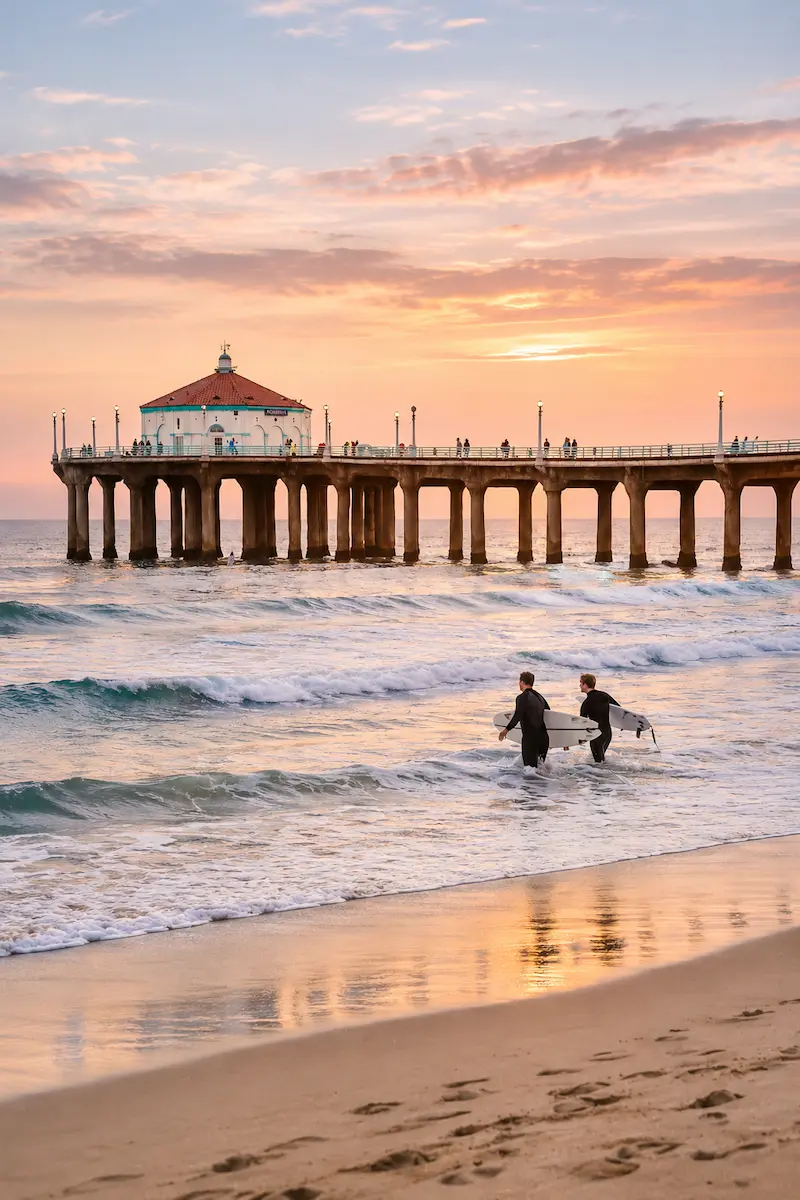
The contrast with Cannes is irresistible. On La Croisette, the spectacle often happens along the boulevard, where fashion, cinema, and social life share the same stage. On a California pier, the spectacle may be a surfer catching a wave, a fisherman waiting patiently, or a sunset that requires no professional lighting. Both places have mastered the art of attracting an audience without necessarily providing a destination.
There is something democratic about this kind of coastal pleasure, even in places surrounded by extraordinary wealth. A walk along a public pier or promenade doesn’t require a hotel booking, a restaurant bill, or an expensive wardrobe. Naturally, businesses have found countless ways to monetize the experience, but the horizon remains stubbornly free.
Where to Go Nowhere, Beautifully
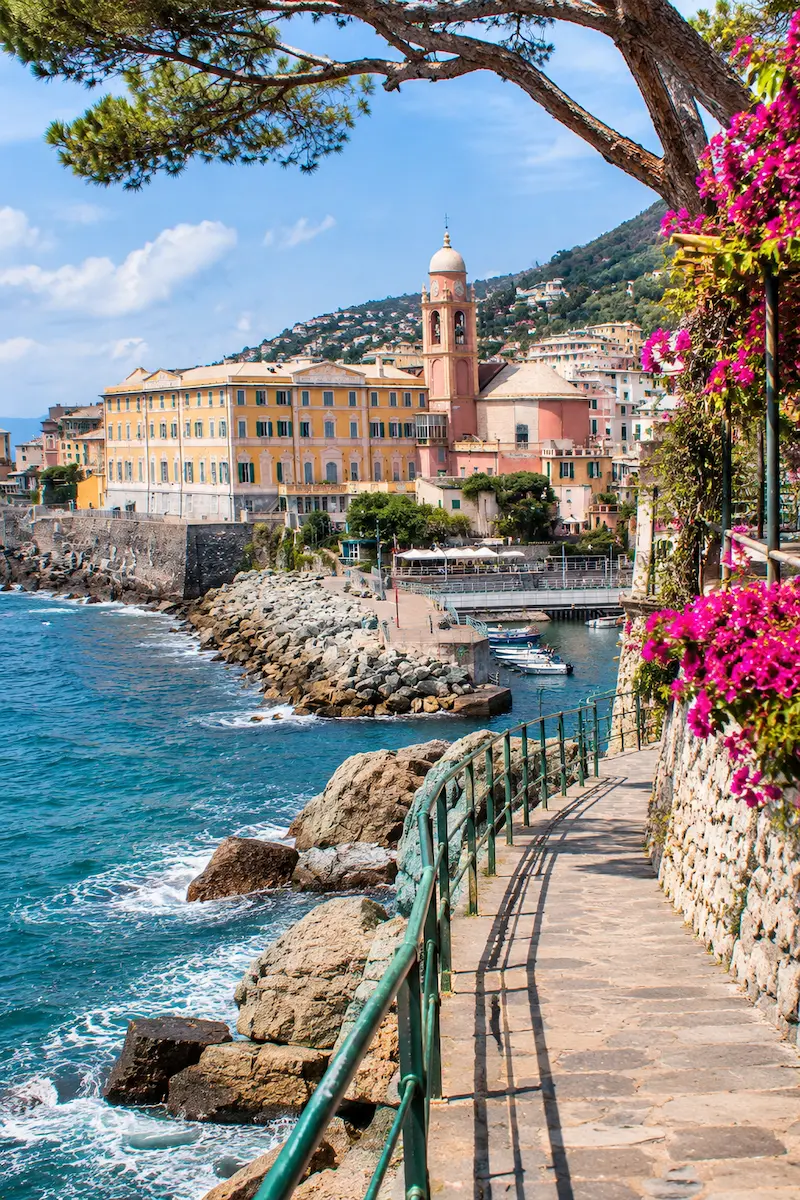
Beyond the familiar landmarks, some of the most memorable coastal walks offer entirely different interpretations of the same idea. In Nervi, near Genoa, the Passeggiata Anita Garibaldi follows the rocky Ligurian coastline, with gardens, cliffs, and the Mediterranean unfolding along the route. Unlike the grand boulevards of the French Riviera, its appeal is intimate and occasionally dramatic. Here, the sea supplies nearly all the entertainment.
In Alicante, Spain, the Explanada de España approaches strolling with an impressive amount of decorative ambition. Millions of marble tiles form a wave-like pavement beneath rows of palms, transforming the promenade into a work of public art. The pattern seems to move beneath your feet, although fortunately the pavement itself remains perfectly still. It is a charming reminder that even an ordinary walk can deserve extraordinary craftsmanship.
California offers its own eccentric discoveries. Capitola Wharf stretches into Monterey Bay beside a colorful seaside village, while Crystal Pier in San Diego takes the concept further with historic cottages standing directly above the Pacific. Apparently, somebody decided that walking over the ocean wasn’t quite enough; people should be able to wake up there, too. Both offer a different experience from Santa Monica’s bustling entertainment scene.
And then there is Nice, where the Promenade des Anglais remains one of the Riviera’s great public stages. Its famous blue chairs face the Mediterranean, inviting visitors to watch the changing light, passing walkers, and the occasional display of fashionable self-importance. The promenade has been associated with seaside leisure since the nineteenth century, long before contemporary wellness culture began charging people to rediscover the benefits of slowing down.
The Pleasure of Simply Being There
The enduring appeal of these places has less to do with architecture than with the freedom they offer. A pier takes us away from the shore without requiring us to leave it, while a promenade allows us to experience a city without visiting anything in particular. Both turn an ordinary walk into a small occasion, inviting us to observe, wander, and occasionally become part of the scenery ourselves.
California may prefer its ocean piers, while the Mediterranean has perfected the seaside promenade as a social ritual, but neither coast has a monopoly on the pleasure of lingering. What they share is something increasingly valuable: beautiful public spaces where the experience doesn’t have to be purchased, scheduled, or justified.
We walk to the end, admire the view, and turn around. Nothing has been accomplished, and somehow, nothing has been wasted.