A story of impossible addresses, spectacular views, and humanity's determination to live above the sea
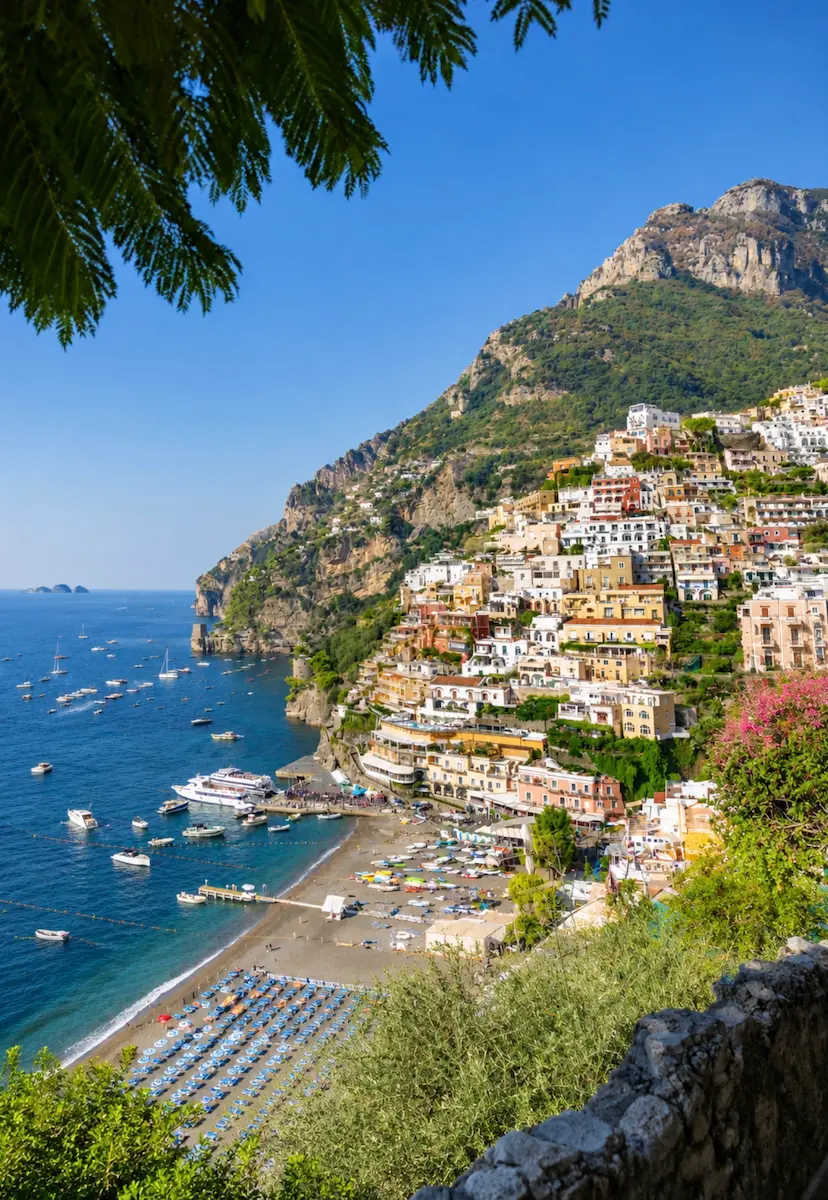
There is a particular kind of optimism involved in building a house halfway up a mountain above the sea. The view may be extraordinary, the breeze delightful, and the morning light worth getting out of bed for, but eventually somebody has to carry the groceries home. Across the Mediterranean, entire communities have accepted this arrangement for centuries, creating some of the world’s most beautiful coastal towns in places where level ground seems almost an unreasonable request.
What makes these places fascinating is not simply how they were built, but why people kept choosing them. At different moments, living above the water meant safety, a way to preserve scarce agricultural land, or the pleasure of looking across an uninterrupted horizon. Today, we admire the same steep streets and impossible addresses for reasons their original inhabitants might have found rather amusing.
The Pleasure of Looking Down
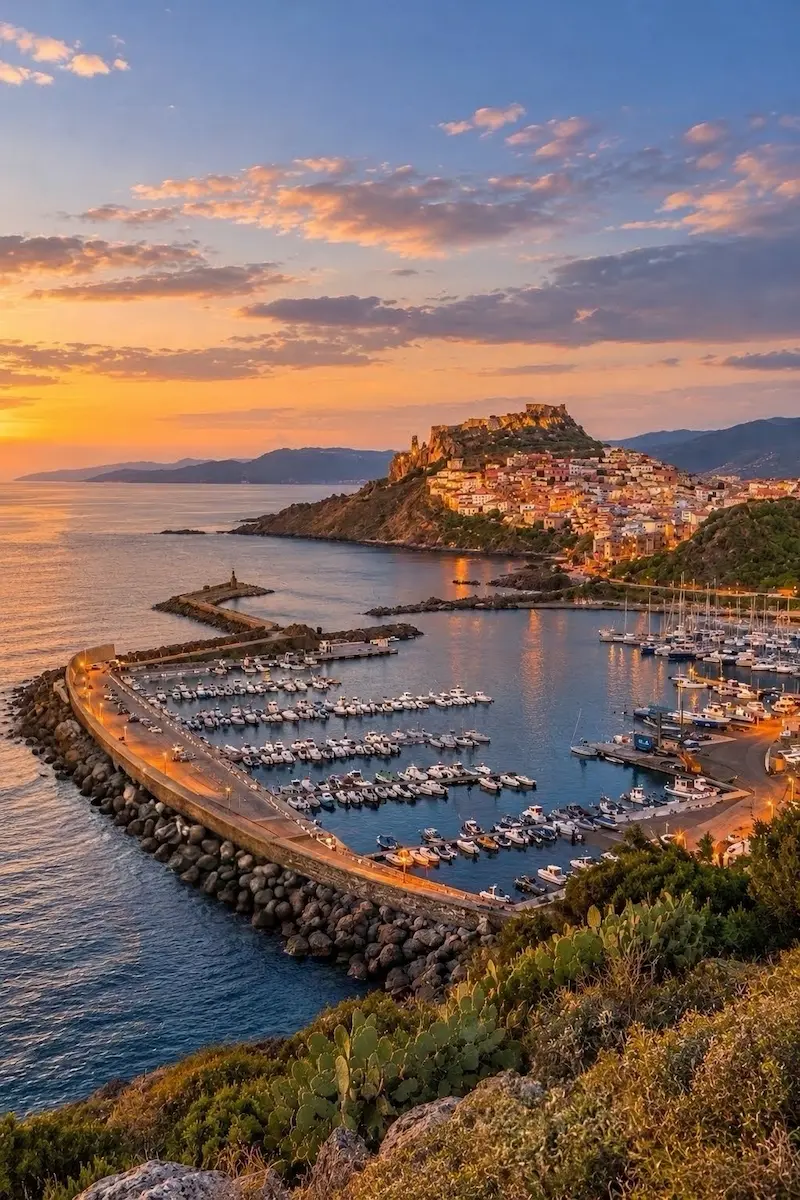
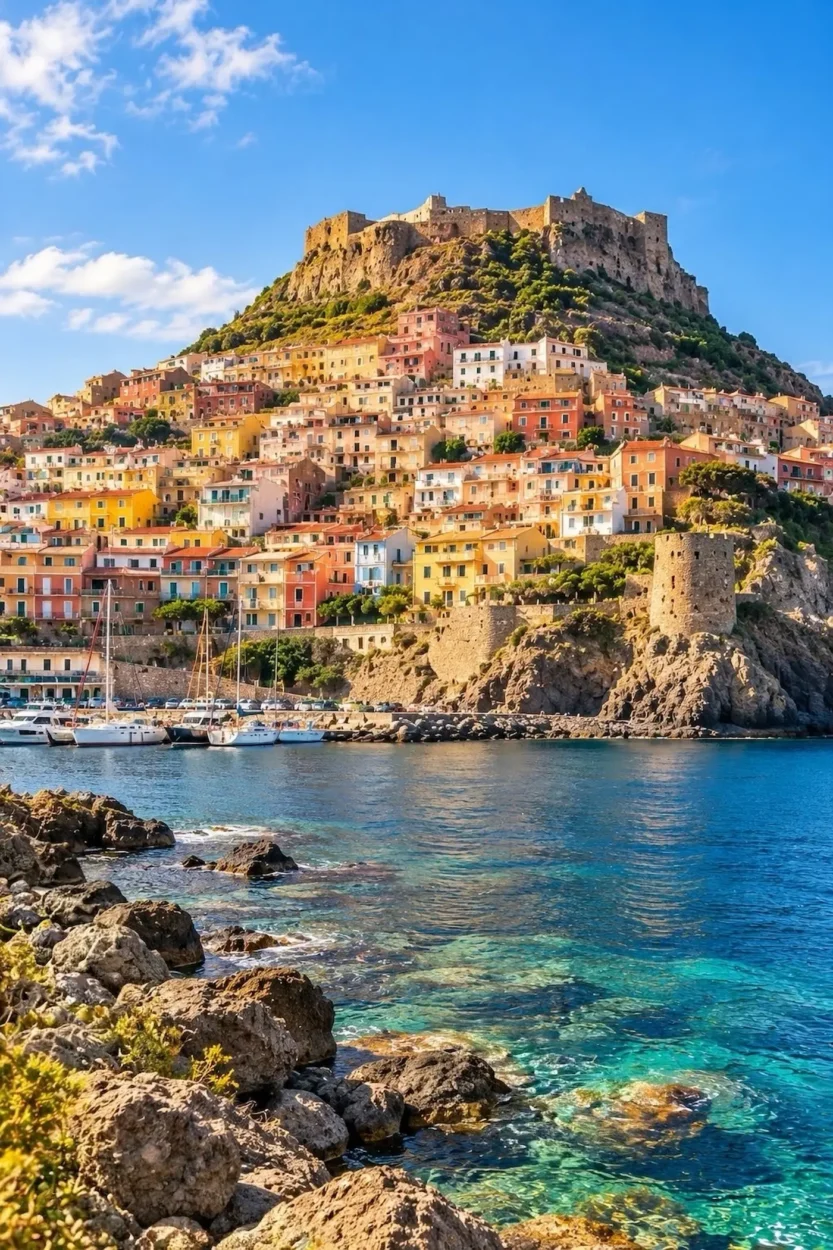
Morning arrives differently in Castelsardo, where houses gather around a rocky hill above the Sardinian coastline. The sea appears between rooftops and along narrow stairways, sometimes unexpectedly, as though the town is offering little reminders of why anyone bothered to climb this far. There is the scent of coffee escaping a kitchen, the scrape of a chair across stone, and the distant movement of boats in the harbor below. Everything feels comfortably removed from the activity at the water’s edge, even though the climb back from that activity is very much part of daily life.
That separation was once a serious advantage. A settlement above the shore could observe approaching vessels and make access more difficult for unwanted visitors, while residents still depended on the sea for trade and food. Yet the appeal of height is not entirely historical, because there is something reassuring about being able to see a great distance while remaining sheltered within a cluster of houses. Environmental psychologists have explored this combination of outlook and refuge as one possible reason certain landscapes feel particularly inviting, although human preferences are considerably more complicated than any single theory.
The Art of Making the Impossible Livable
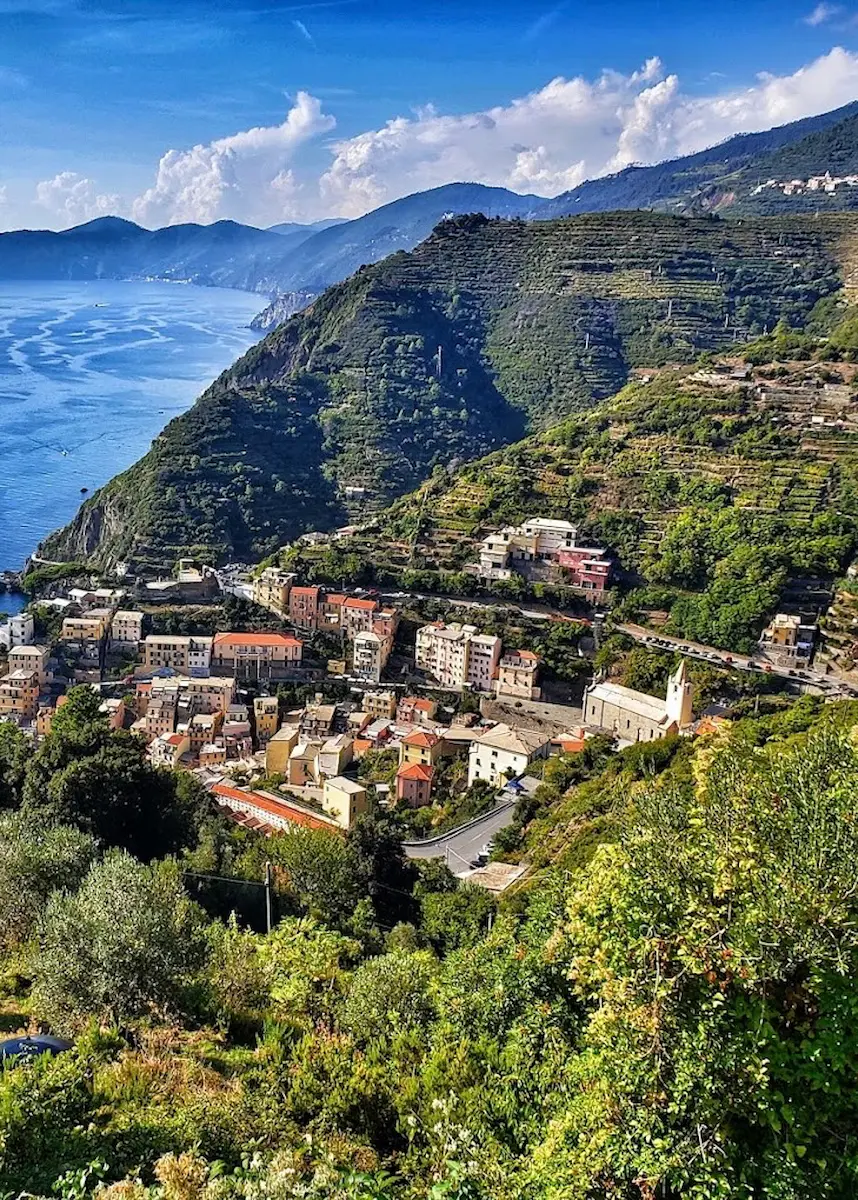
By afternoon, the question becomes less philosophical and considerably more practical: how do you live on a hillside that offers almost nowhere flat enough to put a table? In Manarola, the answer has been developed over generations through narrow paths, tightly arranged houses, and agricultural terraces carved into the slopes. The famous dry-stone walls hold soil in place so vines can grow above the Ligurian Sea, creating a landscape that looks effortless only because the people responsible for maintaining it are rarely included in the photographs.
These terraces reveal something wonderfully stubborn about human nature. Rather than abandon difficult terrain, communities learned to work with its limitations, making space for gardens, vineyards, homes, and the small routines of ordinary life. The reward is a village where the landscape dictates the architecture, and where a short walk can involve several changes of elevation and an unexpected encounter with somebody’s laundry. The smell of warm focaccia from a bakery is particularly persuasive when the return journey requires climbing.
There is also a quieter pleasure in places that resist straight lines. Streets turn because the rock turns, houses sit at improbable angles, and a passage that appears to lead nowhere suddenly opens onto the sea. The irregularity makes walking an act of discovery rather than transportation, encouraging a slower attention to doorways, window boxes, and the sounds coming from kitchens overhead. What began as adaptation to difficult geography has produced an intimacy that carefully planned neighborhoods often struggle to imitate.
When Money Decided the Mountain Was Negotiable
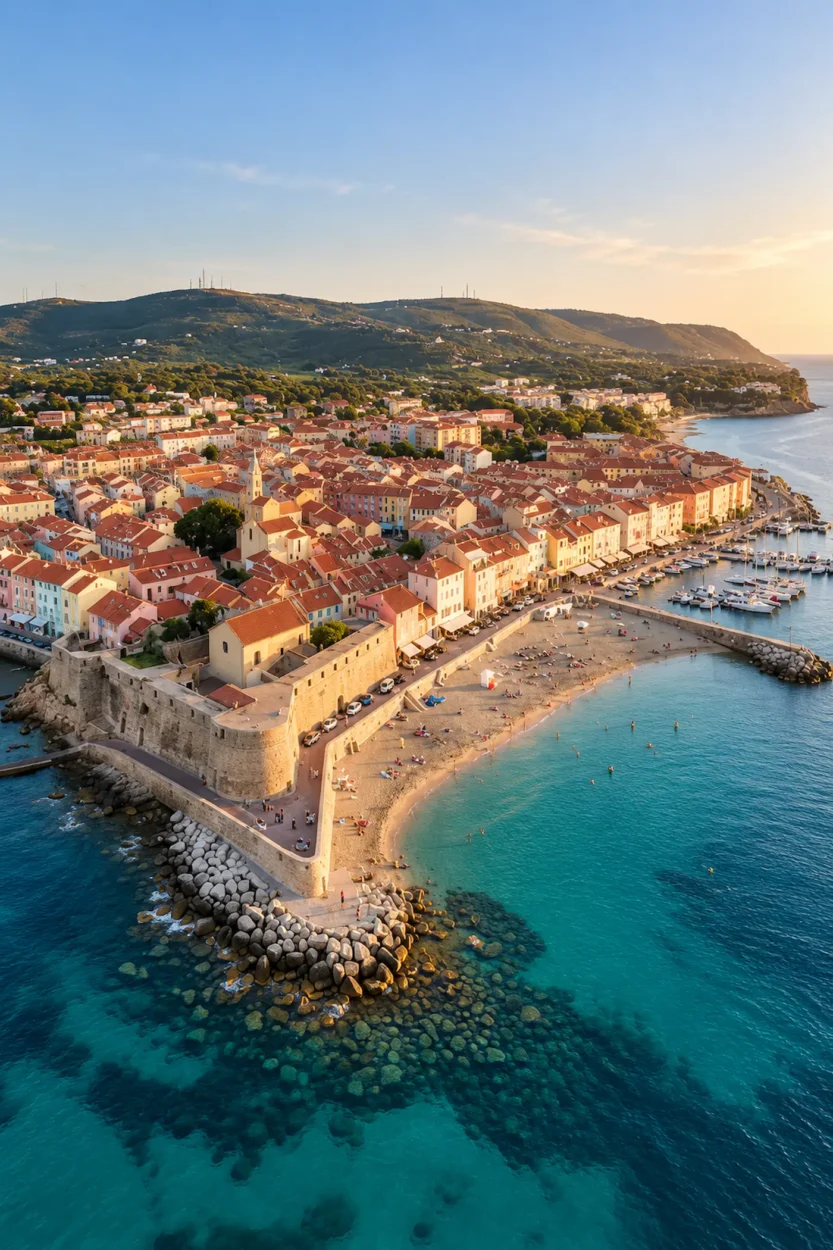
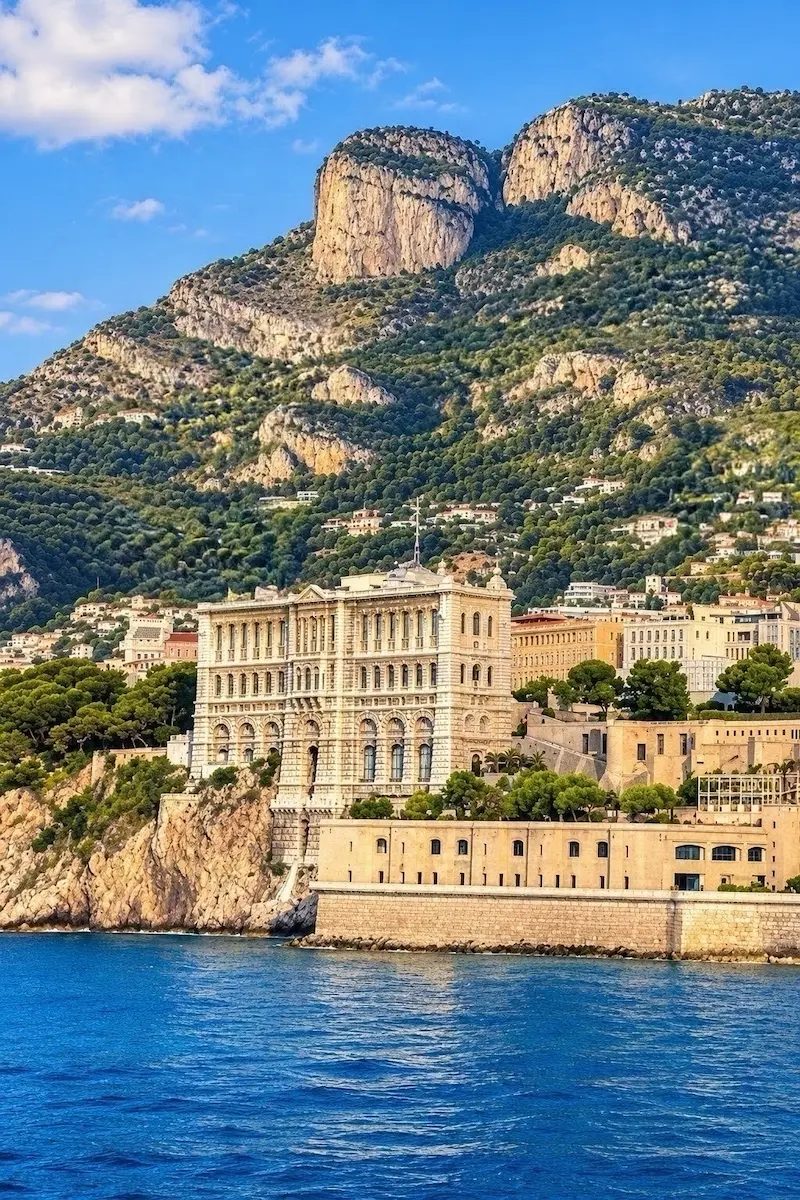
Then there is Monaco, where the ancient attraction of coastal elevation has acquired an exceptionally modern price tag. Its historic settlement occupies a rocky promontory above the Mediterranean, while the contemporary principality spreads across steep slopes, dense neighborhoods, and land reclaimed from the sea. With so little territory available, Monaco has approached the shortage of buildable space as an engineering challenge rather than a reason to stop building. The results include towers, tunnels, elevators, and construction projects that would probably have astonished the people who first occupied the rock.
Monaco also exposes a curious contradiction in the way we value difficult places. A hillside can be inconvenient, expensive to maintain, and challenging to reach, yet become more desirable precisely because it offers privacy, separation, and an extraordinary outlook. Modern engineering has made some of these locations easier to inhabit, but it has also allowed development on terrain that earlier generations would have considered impractical. Apparently, the solution to having very little flat land is sometimes to become wealthy enough to manufacture more of it.
Across the Ocean, a Different Reason to Climb
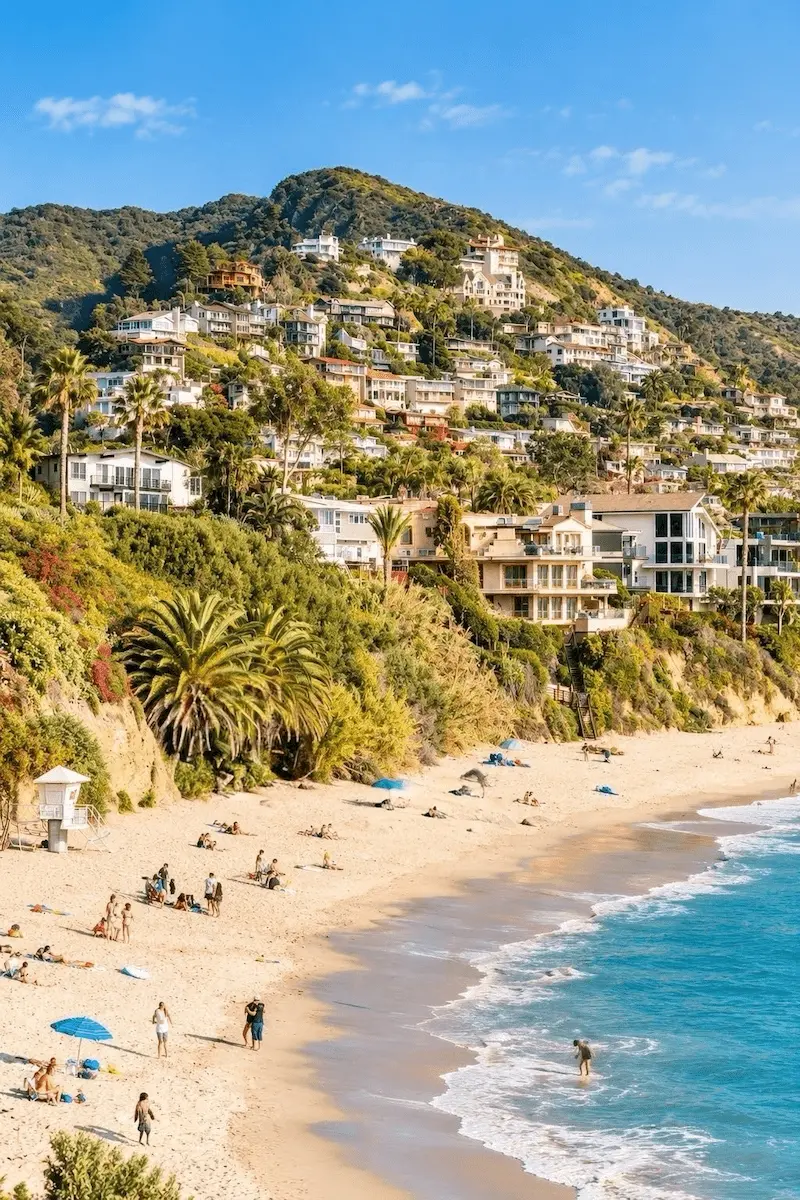
Cross the Atlantic and continue to the Pacific, and the attraction of coastal height takes on a distinctly Californian personality. In Laguna Beach, houses cling to hillsides above small coves, while roads wind through neighborhoods where the ocean appears between eucalyptus trees and rooftops. Unlike the medieval settlements of the Mediterranean, much of California’s modern coastal hillside development grew from the desire to enjoy the landscape rather than defend against it. The hills became places to seek sunlight, privacy, artistic inspiration, and the luxury of watching the Pacific change color throughout the day.
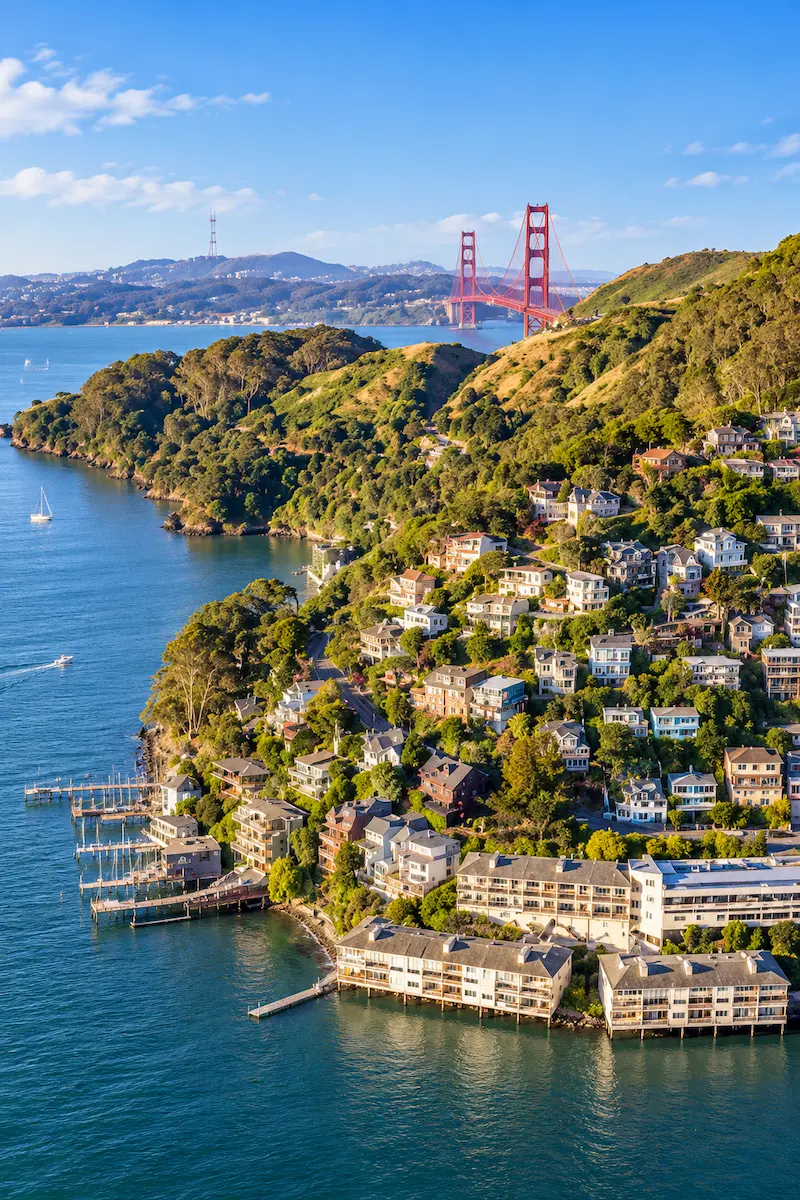
Laguna Beach’s early artistic community was drawn to the coastline’s unusual combination of cliffs, coves, and luminous coastal atmosphere. Farther north, Sausalito developed its own hillside character above San Francisco Bay, where homes overlook sailboats and the changing light on the water. These places share something with their Mediterranean counterparts, although the architecture and cultural histories are entirely different: the belief that living above the shoreline offers an experience worth the effort of reaching it. California simply added its own ingredients, including winding canyon roads, expansive windows, outdoor terraces, and an impressive determination to fit a swimming pool wherever the slope permits.
Yet California’s coastal hillsides have their own complications, and the scenery does not make them disappear. Steep terrain can bring erosion, landslide risks, difficult access, and expensive construction, particularly where development meets unstable geology. The same geography that creates dramatic views also demands careful engineering and respect for the natural environment. It is a rather expensive reminder that nature does not negotiate simply because the architectural drawings are beautiful.
Why We Keep Climbing
As evening settles over both coastlines, the practical arguments begin to lose some of their importance. In the Mediterranean, lights appear in windows above the harbor, voices travel between closely built houses, and the air carries the smell of dinner from terraces overlooking the water. In California, the last sunlight reaches across the Pacific, turning the hills golden while the ocean darkens beneath them. The houses may belong to different centuries and architectural traditions, but the attraction of that elevated moment is surprisingly familiar.
Our fascination with coastal heights comes from several instincts working together: the comfort of seeing what lies ahead, the satisfaction of occupying a place that feels sheltered, and the simple beauty of an open horizon. The inhabitants of Castelsardo, Manarola, Monaco, and California’s coastal communities arrived at their elevated addresses through different circumstances, yet each has found a way to turn difficult geography into a distinctive way of living. What began as protection or necessity in some places has become an expression of lifestyle in others, without entirely losing the practical challenges that make hillside living so particular.
The climb, of course, is still there, along with the steep steps, awkward corners, and occasional regret about having bought too much at the market. But at the top, with the evening breeze moving through an open window and the coastline unfolding below, it becomes easier to understand why generations have accepted the inconvenience. Some places make life simpler, while others make us notice it more closely, and the most memorable coastal towns have never been particularly interested in being simple.