Two Wheels, Two Cultures
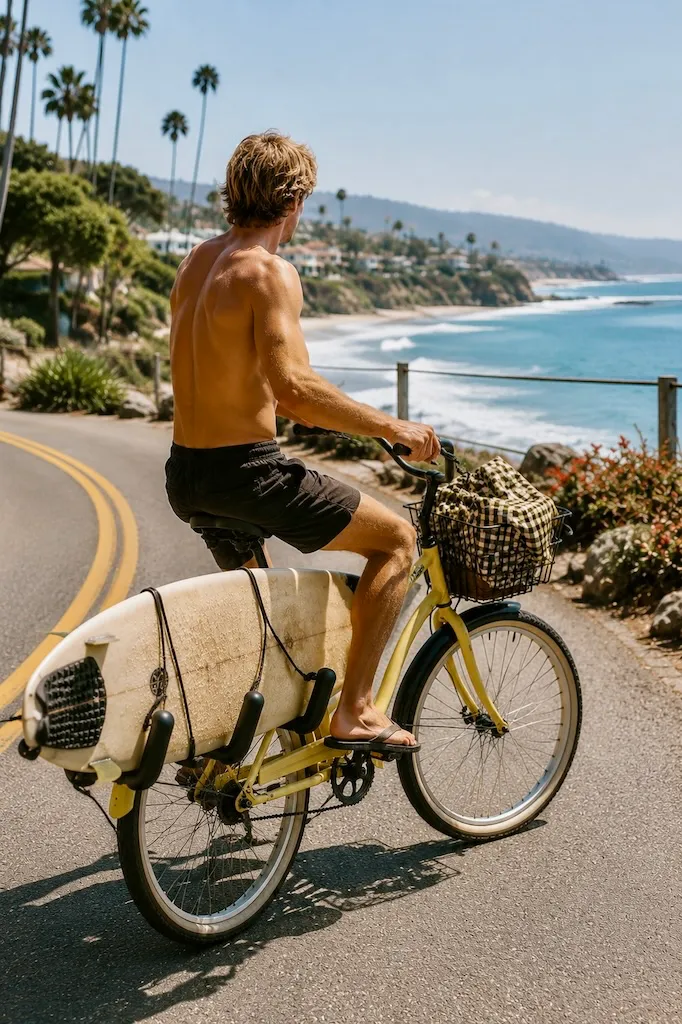
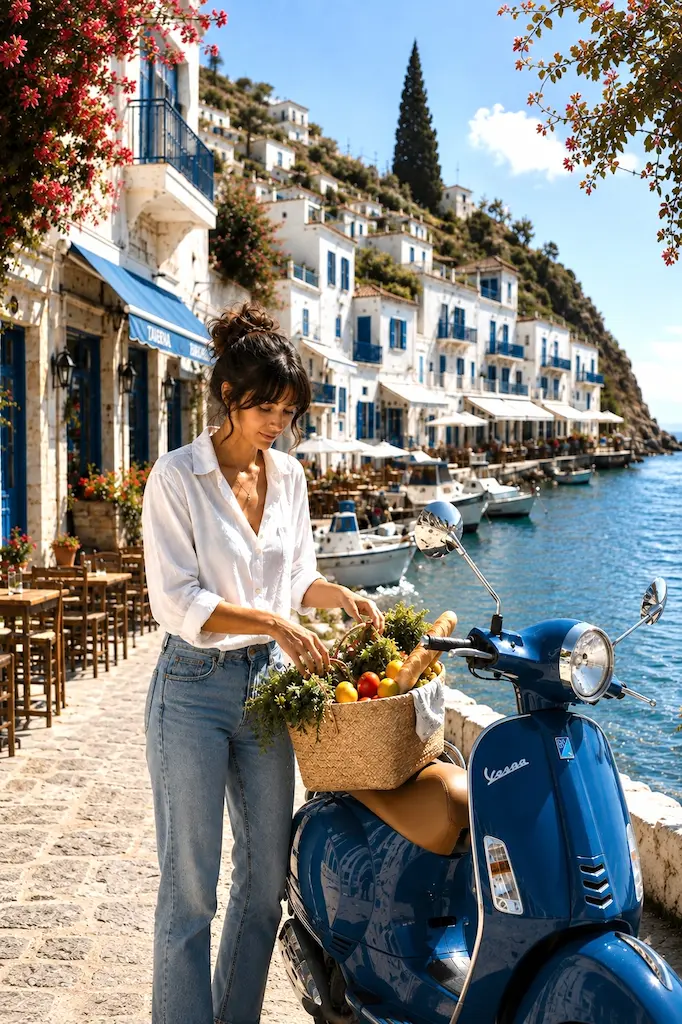
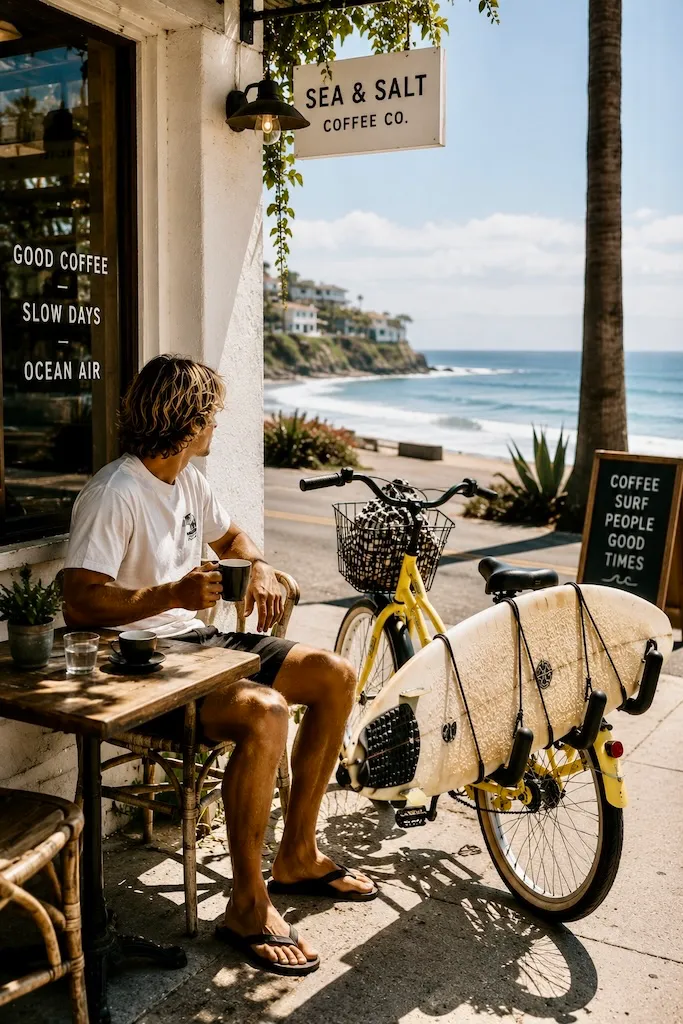
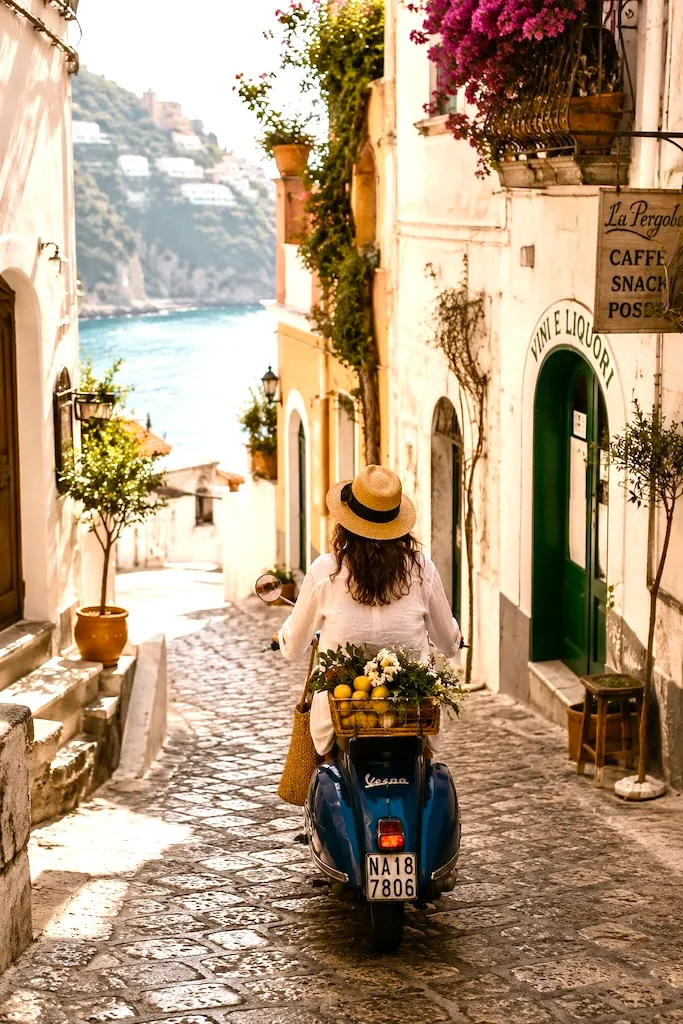
You can learn a surprising amount about a place by noticing what people leave parked outside. Outside a café in a California coastal town, it’s often a beach cruiser with a surfboard strapped to its side. Outside a bakery in a Mediterranean village, it’s just as likely to be a blue Vespa with a helmet hanging from the handlebars. Neither is particularly expensive. Neither is trying to impress anyone. Yet both somehow seem to say, “This is how life is lived here.”
Luxury has a curious habit of attracting attention. Happiness rarely does. The California coast and the Mediterranean have each found their own answer to everyday transportation, and neither answer begins with a large SUV. Well, at least not most of the time. On one shore, people pedal. On the other, they glide. Different machines, remarkably similar philosophy.
In California, the bicycle feels perfectly at home because the landscape welcomes it. Coastal bike paths stretch for miles, neighborhoods flow naturally toward the beach, and even a quick trip for coffee somehow turns into an excuse to ride a little farther. Surfers often leave before most people have finished their first cup of coffee, a surfboard resting on a side-mounted rack, flip-flops tapping lightly on the pedals. By the time they reach the ocean, the day has already begun well. The ride is part of the ritual. It always has been.
Beach cruisers became part of California’s identity during the middle of the twentieth century, when coastal towns expanded and bicycles offered an easy way to reach the sand. Decades later, little has changed. They still carry towels, grocery bags, children, dogs, and occasionally far more optimism than seems reasonable before eight in the morning. These days, electric bikes have quietly joined the lineup, becoming the preferred ride of many local teenagers. Every generation, it seems, finds its own way to the beach.
Across the Atlantic, history nudged life in another direction. Many Mediterranean villages were already centuries old when the automobile arrived. Their streets were designed for footsteps, carts, and donkeys—not parking garages. Try driving a large modern car through a fishing village in southern Italy or along a winding street in Greece, and you’ll quickly understand why patience is considered a virtue. Or why so many people simply bought a Vespa instead.
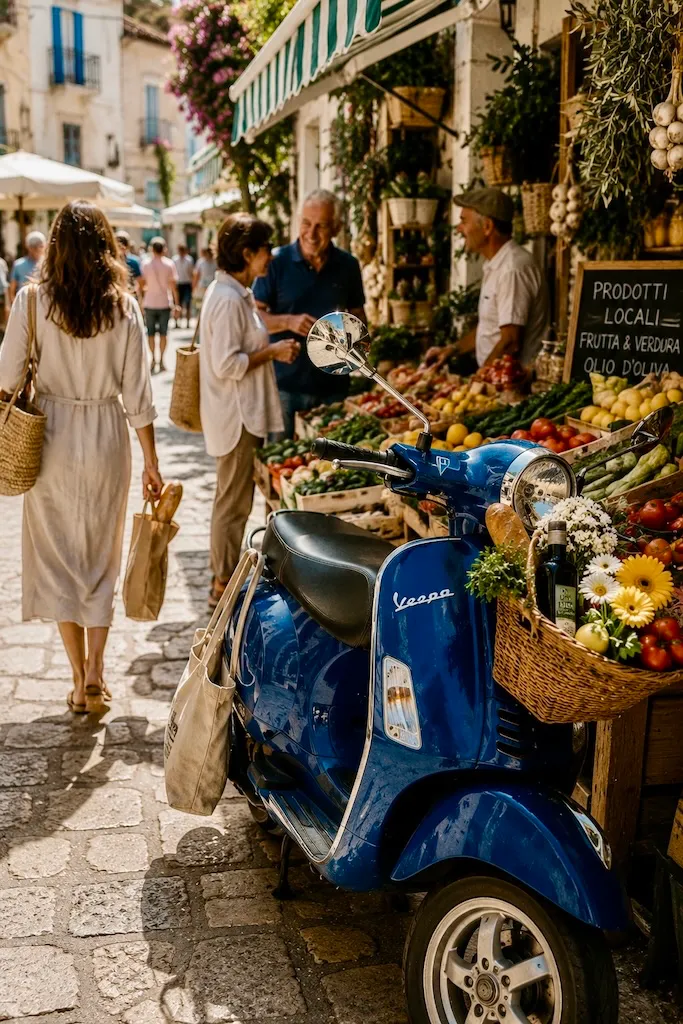
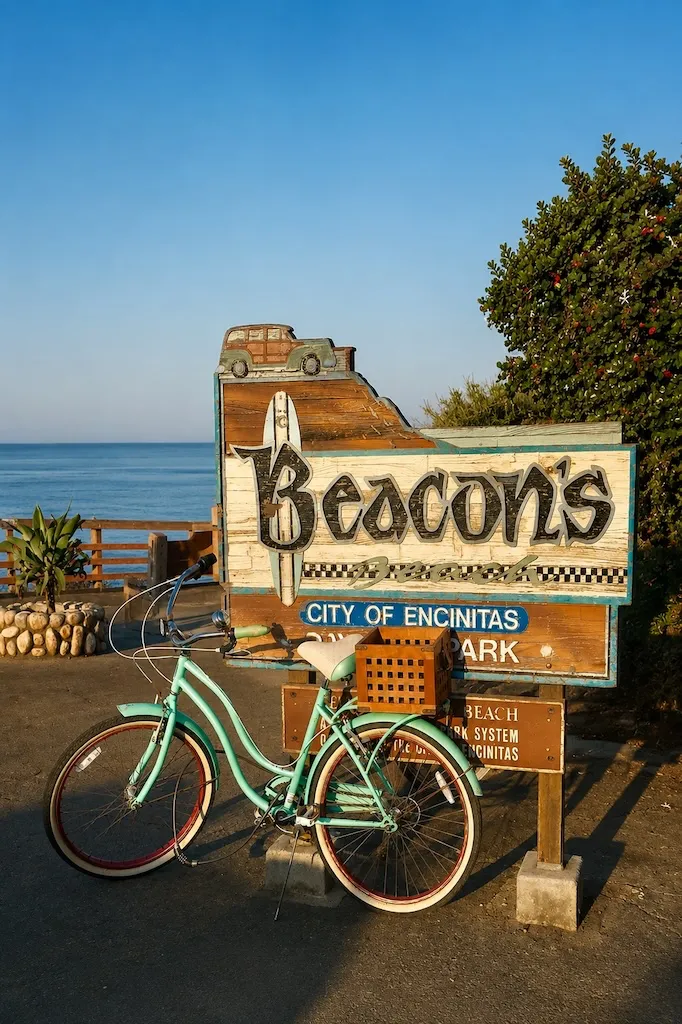
When Piaggio introduced the Vespa in 1946, it wasn’t intended to become a design icon. Italy needed affordable transportation after the war, and the scooter answered the brief with understated brilliance. It was economical, easy to park, and nimble enough for streets where turning around sometimes requires a negotiation with a flowerpot. The fact that it became one of the world’s most recognizable designs was almost an accident. Today, the Vespa is woven into everyday Mediterranean life. You’ll find one parked outside the greengrocer with a basket full of tomatoes, basil, peaches, and a bottle of olive oil balanced between fresh flowers. Another waits outside a café while its owner disappears inside for an espresso that somehow lasts twenty minutes. A third is squeezed into a space so impossibly small that anyone driving a car can only admire the achievement from a respectful distance.
The bicycle and the Vespa have something in common beyond having two wheels. Neither asks you to rush. On a bicycle, you notice the scent of eucalyptus after the morning marine layer lifts. On a Vespa, you catch rosemary growing from a stone wall or hear the church bells before you round the next corner. Windows stay open. Conversations happen at traffic lights. You become part of the street instead of sealed away from it. Movement becomes observation. Perhaps that’s why nobody seems to mind taking the long way home. That may be their greatest luxury.
The Caliterranean lifestyle has never been about choosing California over the Mediterranean or the Mediterranean over California. It has always been about recognizing the quiet rituals both places understand instinctively. Walk to the market when you can. Sit outside for coffee. Leave enough time to notice the sea. And if two wheels happen to help, all the better. That’s why these bicycles and Vespas become strangely personal. Even after a demanding week at work, when meetings have blurred together and the weekend still feels one email away, there they are in the garage or beside the house. Waiting. Not impatiently. Just patiently enough to remind you that tomorrow could begin differently. A ride to the beach. A stop at the farmers market. A coffee with no particular schedule. Somehow, the destination almost doesn’t matter.
Sometimes the happiest part of coastal life isn’t arriving anywhere at all. It’s remembering that freedom can be parked quietly beside the wall, ready whenever you are.
LIFESTYLE
The Caliterranean Living
Continue living the story with carefully selected destinations, makers, and experiences that embody the Caliterranean™ lifestyle.
Continue Exploring
Inspired by this story? Continue your journey with Experience Marseille Through Your Senses →