Six Artists Shaping Clay, Mosaic and Glass Across Two Shores
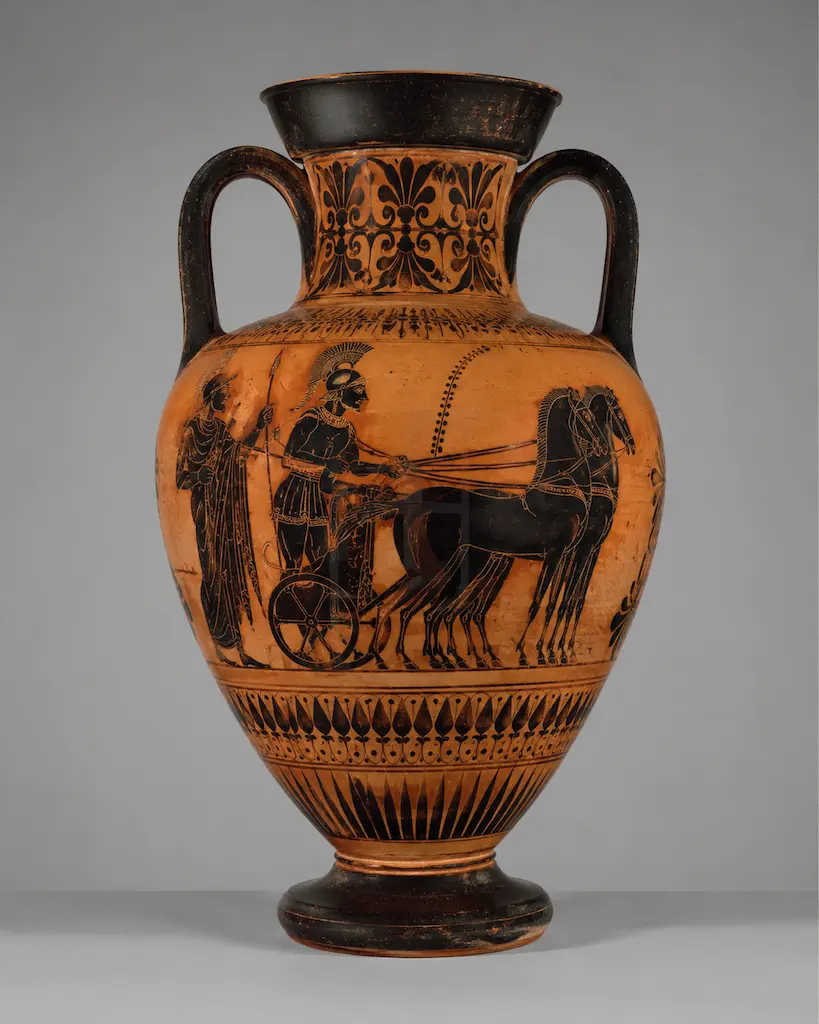
Long before they were considered decorative arts, clay, mosaic and glass were part of everyday Mediterranean life. Clay became the vessels that carried water, wine and olive oil, but also the painted ceramics through which ancient cultures recorded mythology, ceremony and ordinary life. Greek potters were developing sophisticated terracotta forms and painted techniques centuries before the Common Era; the familiar hydria, amphora and drinking cup were practical objects that also became extraordinary works of art.
Mosaic followed a similarly long path. Early Greek makers arranged pebbles into patterns before Roman craftsmen expanded the practice through tesserae—small pieces of stone, ceramic and glass—turning floors and walls throughout the Mediterranean into elaborate fields of geometry, color and narrative.
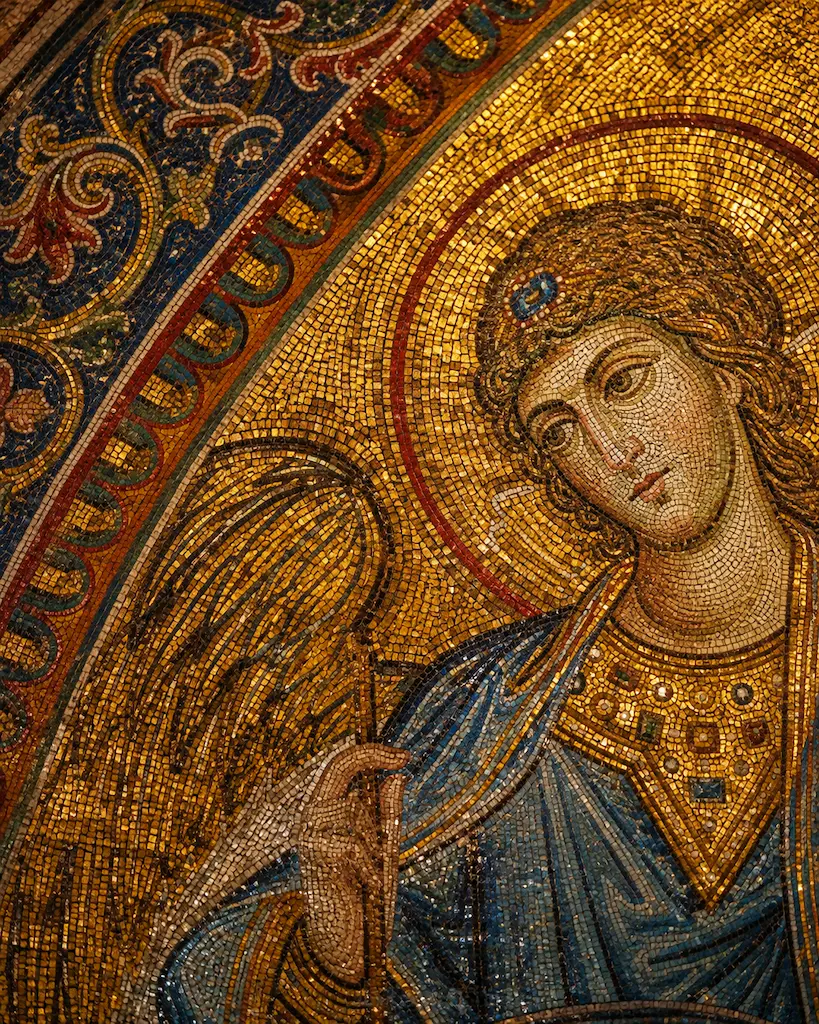
Centuries later, mosaic became one of the defining visual languages of Byzantine art. Ravenna preserves some of its most extraordinary surviving examples, while in Venice, the Basilica di San Marco transforms mosaic into something almost architectural: vast surfaces of gold and colored glass catching the changing light until walls, domes and ceilings seem to dissolve into shimmer. It is a reminder that mosaic was never simply decoration. In the Mediterranean, it became a way of shaping space with fragments, color and light.
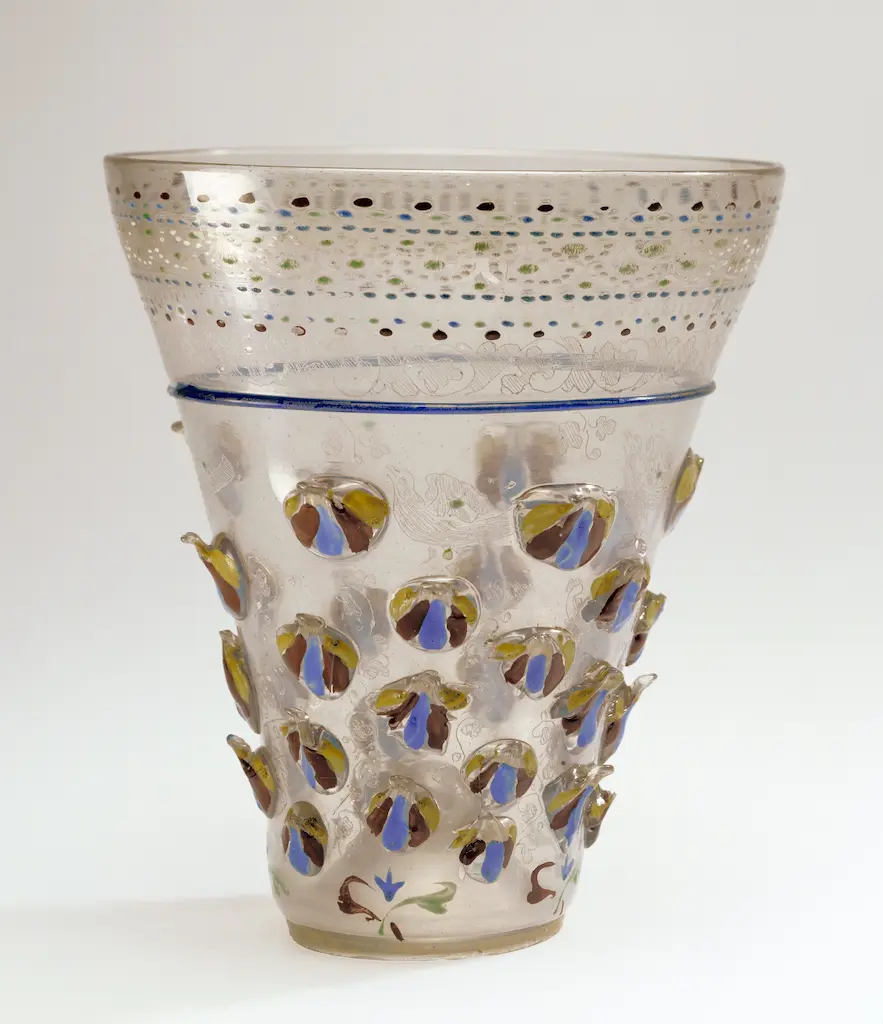
Glass has always carried a little mystery. The material itself is ancient, but around the Mediterranean it became something close to magic: sand and minerals transformed by extreme heat into vessels, beads, perfume bottles, windows and shimmering pieces of mosaic. Then Venice took things further. By the Middle Ages, Venetian glassmakers had become so skilled that their techniques were treated almost like state secrets. In 1291, the furnaces were moved to Murano, officially to reduce the risk of fires in Venice—but the move also helped keep the city’s valuable glassmaking knowledge concentrated in one place. Craftsmen developed increasingly sophisticated methods, and the reputation of Venetian glass spread across Europe. That sense of secrecy only added to its allure.
What fascinates us is that none of these traditions has disappeared. Earth is still being shaped by hand—and there is something quietly magical about drinking your morning coffee from a mug made by someone’s hands. Mosaic is still assembled fragment by fragment, with artists around the world turning tiny pieces of stone, ceramic, and glass into distinctive artworks and objects for the home. And centuries later, furnaces are still burning in Venice and California, the glass still glows, and the story continues in the hands of artists finding new ways to shape it. Three ancient Mediterranean crafts, still very much alive. Only the language has changed.
We wanted to explore what happens when these ancient materials pass through modern hands. For this edition of THE ATELIER PRESENTS, we chose six contemporary artists—three from each shore—working with clay, mosaic, and glass, turning earth into objects, fragments into art, and fire into glass. We were not looking for artists whose work matched. In fact, the differences are what interested us most.
Casey Starks and Marco Terranova begin with the same elemental material and arrive at two very different interpretations of clay. Kim Emerson brings mosaic into contemporary California architecture, while in Ravenna, Yukiko Nagai takes a technique inseparable from the city’s artistic history and gives it an unexpected new life. In glass, Christopher Jeffries works with the light and architecture of Laguna Beach while Massimo Micheluzzi continues a conversation with Venetian glassmaking from within Venice itself. Six artists. Three ancient materials. Two shores. And six reminders that a tradition survives not by remaining unchanged, but by giving the next pair of hands something new to make from it.
And if you cannot visit these artists and their studios in person, explore their work online. When possible, consider bringing one of their pieces home. There is something special about living with an object shaped by hand—something made slowly, individually, and with a story that reaches far beyond the room it eventually inhabits. It may be a ceramic vessel, a small mosaic, or a piece of glass that catches the afternoon light. Whatever the form, it becomes more than decoration. It is a piece of contemporary craft with an ancient lineage—and something uniquely yours to live with.
CALIFORNIA
CLAY
Casey Starks Studio, Monterey
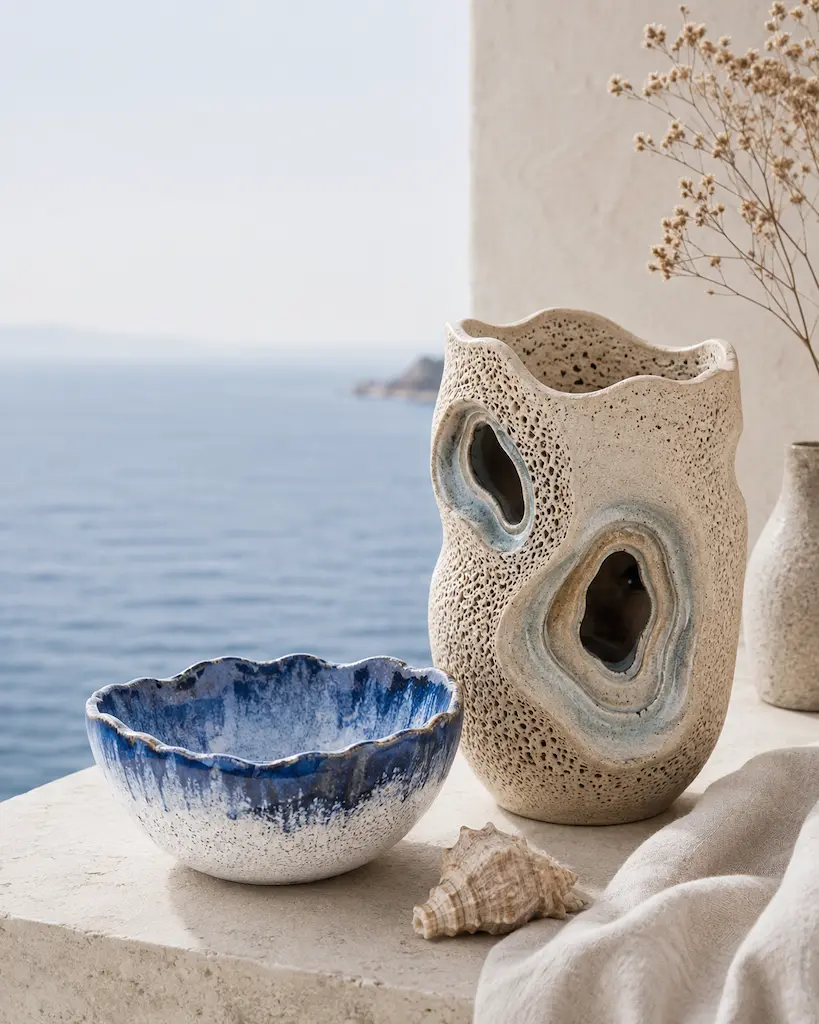
There is something immediately Californian about Casey Starks’ ceramics. Working from her Monterey studio, Starks creates small-batch pieces inspired by the shapes, colors, and textures of the California coast. Her pottery is hand-built rather than wheel-thrown, allowing the small irregularities of the making process to remain visible. Hand-painted and hand-stamped details, coastal motifs, and softly imperfect forms give everyday objects an unmistakable sense of place. We chose Starks because her work demonstrates something central to California craft: coastal influence does not have to mean nautical clichés. Sometimes it appears simply in color, texture, and an ease that feels connected to the landscape. Discover Casey Starks Studio →
MOSAIC
Kim Emerson, San Diego
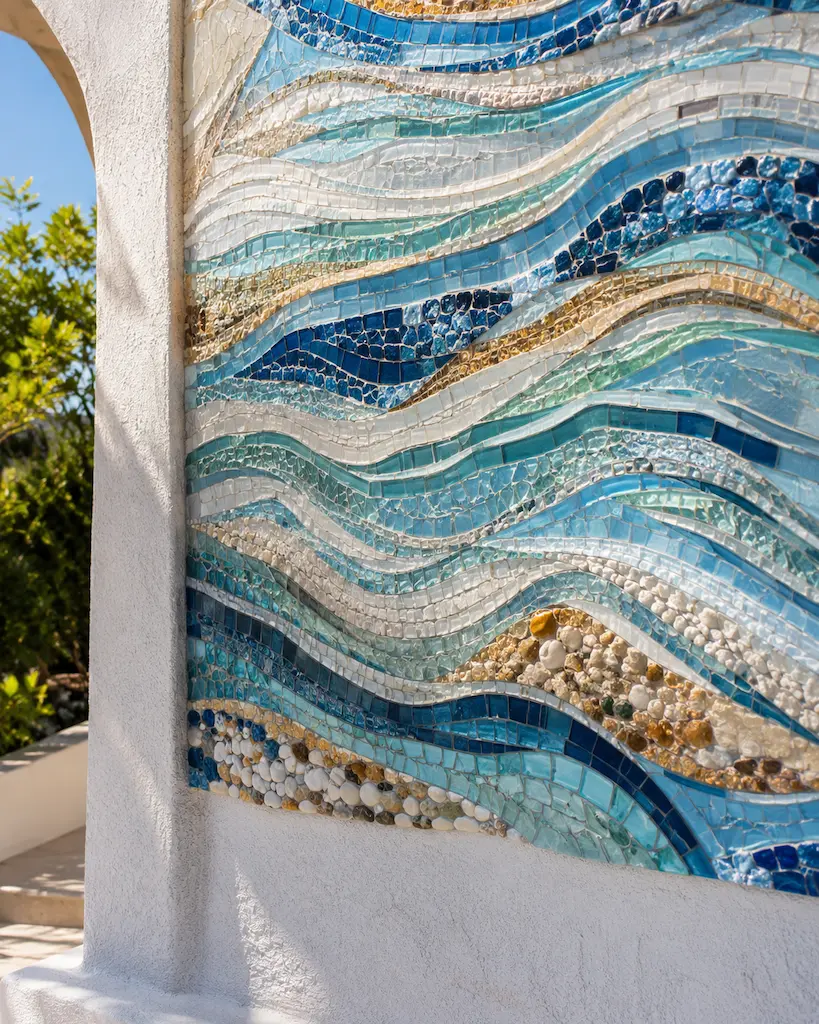
Mosaic may have ancient Mediterranean roots, but Kim Emerson shows how naturally the craft can belong to contemporary California. Based in San Diego, Emerson creates architectural mosaics, public artworks, private commissions, and smaller pieces that often respond directly to their surroundings. Natural landscapes, local history, and architecture become part of the work rather than simply a backdrop for it. That relationship with place is what drew us to Emerson. Her mosaics do not simply sit within a room, garden, or public space. They become part of its character. Discover Kim Emerson Mosaics →
GLASS
Christopher Jeffries, Laguna Beach
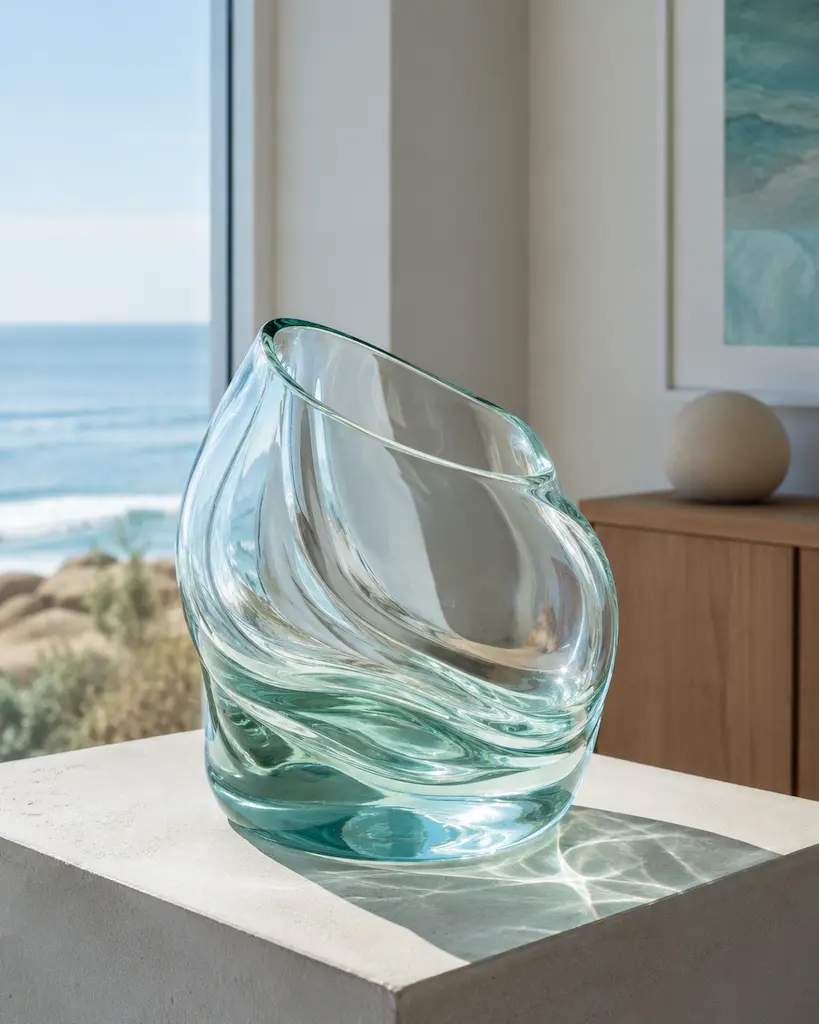
Glass and California light make natural companions. From Laguna Beach, Christopher Jeffries creates hand-blown glass sculptures and wall installations designed to interact with the architecture around them. Individual glass forms move across walls and spaces, allowing shadow, color, and changing daylight to become part of the composition. Rather than treating glass as a single decorative object, Jeffries often works with collections of forms that appear almost to float across a surface. We chose Jeffries because his work captures something especially Californian: the moment when art, architecture, and light become difficult to separate from one another. Discover Christopher Jeffries →
MEDITERRANEAN
CLAY
Marco Terranova, Seville, Spain
Marco Terranova takes clay in a decidedly sculptural direction. Working near Seville, Terranova creates contemporary ceramics characterized by organic forms, deliberate imperfection, and a visual language influenced by the Mediterranean. His vessels often begin on the potter’s wheel before being pushed, altered, and reshaped into something less predictable. The result sits somewhere between useful object and sculpture. We chose Terranova because his work demonstrates how an ancient material can retain its history without being bound by it. The clay may be familiar; the language is entirely contemporary. Discover Marco Terranova →
MOSAIC
Yukiko Nagai, Ravenna, Italy
Ravenna is one of those places where mosaic never really feels ancient. The city is home to some of the most remarkable surviving mosaics of the Byzantine world, yet Yukiko Nagai takes this deeply rooted craft somewhere wonderfully unexpected. Trained in traditional mosaic techniques in Ravenna, Nagai works with stone, glass, and ceramic to create pieces that play tricks on the eye. Hard surfaces appear soft and upholstered. Marble can suggest wood grain. Familiar furniture forms become something entirely different beneath thousands of carefully arranged fragments. We chose Nagai because her work asks a delightful question: what happens when a centuries-old craft stops behaving the way we expect it to? In her hands, mosaic is not simply preserved. It becomes playful, tactile, and unmistakably modern. Discover Yukiko Nagai →
GLASS
Massimo Micheluzzi, Venice, Italy
Few places have a relationship with glass quite like Venice. Massimo Micheluzzi works within that extraordinary inheritance while continuing to push it forward. Drawing on centuries of Venetian glassmaking, he creates sculptural vessels and objects influenced by the lagoon, Venetian architecture, terrazzo, and mosaic. Some pieces are fluid and translucent; others are opaque, patterned, or carved. Across them runs the same fascination with the tension between solidity and transparency, structure and movement. We chose Micheluzzi because his work shows what happens when a living tradition is allowed to evolve. Venetian glass remains unmistakably present, but never trapped in the past. It still captures fire. It still captures light. And, perhaps most beautifully, it still captures Venice. Discover Massimo Micheluzzi →
What Is Your Coastal Discovery?
VeniS Atelier is always looking for small businesses across California and the Mediterranean that celebrate craftsmanship, thoughtful design, and coastal living. Whether you are a reader, traveler, maker, or boutique owner, we would love to hear from you. Your recommendation may inspire a future edition of our spotlight. We’d love to hear from you. Send us your coastal discovery for consideration →
CONTINUE EXPLORING
Inspired by this story? The story continues. Here is your next read Coastal Homes And the Lost Art of Craftsmanship →