
We Spend the Night Fighting Wrinkles—and the Day Making Them

Beauty has developed a curious relationship with time. In the morning, particularly in sunny places like California and the Mediterranean where life has an inconvenient habit of happening outdoors most of the year, we walk straight into the thing responsible for much of what we later call aging. At night, we attempt to negotiate with the consequences using retinol, peptides, masks, creams and small bottles containing substances that increasingly sound like laboratory equipment. But what if we actually have the schedule backward?
The American Academy of Dermatology considers sunscreen and moisturizer two of the most effective anti-aging products you can buy. More convincingly, a randomized Australian study following 903 adults found that those assigned to daily broad-spectrum sunscreen showed 24 percent less skin aging over four and a half years than those using sunscreen at their own discretion. Nobody woke up looking ten years younger. They simply accumulated less visible sun damage in the first place.

8 A.M.: The beauty treatment we keep calling protection
The beauty industry offers an almost comic amount of equipment for fighting age: lifting creams, overnight masks, sculpting tools, LED gadgets, cooling rollers and serums promising to firm, brighten, smooth and somehow reorganize your face by breakfast. The shelves keep getting more sophisticated, while one of the most effective things we can do for visible skin aging remains remarkably ordinary: protect it from the sun. Sunscreen is less exciting to advertise because prevention does not produce a dramatic before-and-after moment. It simply means there may be less to correct later.
UV exposure contributes to wrinkles, uneven pigmentation and changes in skin texture by damaging structures that beauty products later promise to improve. Sunscreen does not erase a wrinkle while you sleep; it does something considerably less dramatic and arguably more useful—it helps prevent some of that damage from accumulating. This distinction becomes especially relevant when your idea of a normal day includes a café terrace, a convertible, a coastal walk or lunch under an umbrella rather than moving efficiently between climate-controlled buildings.
That does not mean every nighttime treatment is fiction. Retinoids have substantial evidence behind them, and moisturizer can soften the appearance of fine lines by increasing hydration, but even dermatologists caution against expecting dramatic results from most cosmetic creams. The wonderfully boring morning routine remains difficult to improve upon: cleanse if you want to, moisturize if you need to, and wear broad-spectrum SPF 30 or higher.
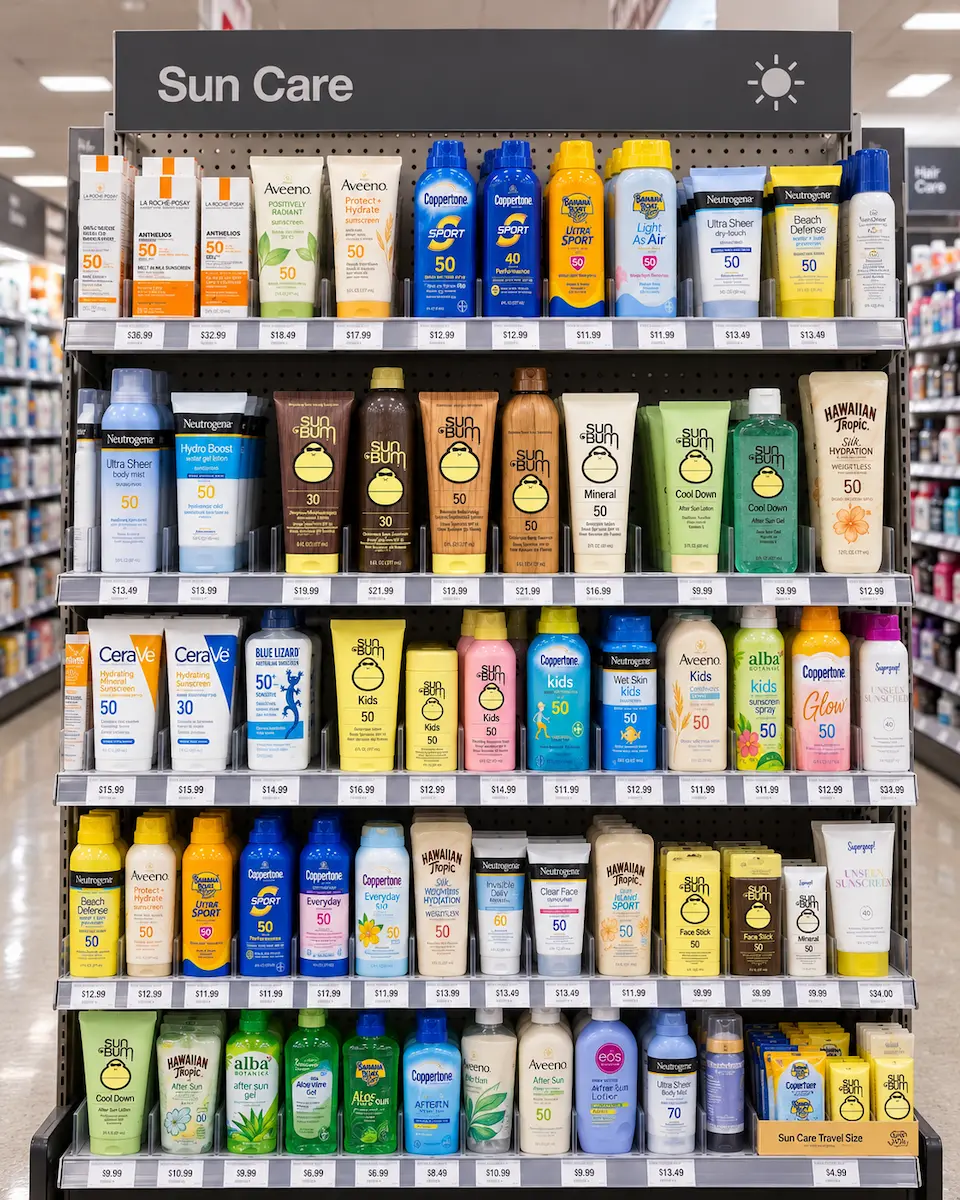
Noon: The problem wasn’t protection. It was wearing it
For years, sunscreen was the sensible shoe of beauty: necessary, slightly annoying and rarely something anyone looked forward to wearing. Thick texture, white residue and the sensation of having lightly varnished your face did not exactly encourage devotion. Yet in a coastal lifestyle, pleasure matters because repetition matters—a sunscreen you dislike is remarkably easy to forget on the bathroom counter.
This is where 2026 becomes interesting. The FDA added bemotrizinol to the American over-the-counter sunscreen monograph, the first new active sunscreen ingredient added in decades; the filter had already been used in Europe and elsewhere for years. It offers broad UVA and UVB coverage, is highly photostable and gives formulators another route toward sunscreens that can feel lighter and more elegant on skin. By September, even Vogue was treating the arrival of a new American sunscreen filter as beauty news.
The cultural timing is almost too good. American beauty routines spent those same decades becoming extraordinarily sophisticated after dark while American consumers had access to a narrower selection of approved UV filters than people shopping across the Mediterranean. We developed sleeping masks, skin cycling and enough serums to require architectural storage solutions while the product we were supposed to wear every sunny morning evolved much more slowly.

3 P.M.: Beauty is also about what doesn’t appear
Sun protection is not only a wrinkle story. Research increasingly shows that visible light, as well as ultraviolet light, can contribute to pigmentation, particularly in darker skin tones and in conditions such as melasma; tinted sunscreens containing iron oxides can provide additional protection against visible-light-induced pigmentation. For once, tint may be doing something more interesting than pretending to be makeup.
And this is where the California–Mediterranean approach to beauty begins to make more sense than an elaborate cabinet of correction. A hat, shade, sunglasses, an umbrella and sunscreen are not glamorous treatments performed in isolation; they are simply part of living well in a sunny place. Mediterranean towns understood the value of shutters, awnings and shaded courtyards long before anyone put “anti-aging” on a jar, while Californians perfected the slightly less architectural method of keeping a hat permanently in the car.

Sunset: Now you can stop — or why should you?
Sunscreen itself has no special nighttime assignment. Its evidence-backed job is to protect skin from light-induced damage, so once meaningful sun exposure is over, leaving SPF on overnight has not been shown to make it a better anti-aging treatment. Wash your face, moisturize if your skin needs it, and use a well-supported treatment if you genuinely enjoy one—but there is no scientific requirement for bedtime to become beauty’s second shift.
Skin does, of course, continue being skin while we sleep: hydration and barrier function still matter, and some nighttime treatments, particularly retinoids, have real evidence behind them. What deserves questioning is the idea that every evening requires a small chemistry laboratory on the bathroom counter. Beauty advertising has made nighttime repair feel sophisticated while daytime prevention remains the boring instruction printed on the bottle.
We have been taught that beauty happens while we sleep—that somewhere between midnight and breakfast an expensive cream is quietly negotiating with our wrinkles. But some of the most meaningful work may have happened much earlier, when you put sunscreen on before opening the door and then went outside to actually live. Preventing every sign of age was never the point; keeping sunlight from unnecessarily accelerating the process is simply one of the few beauty habits with unusually good evidence behind it.
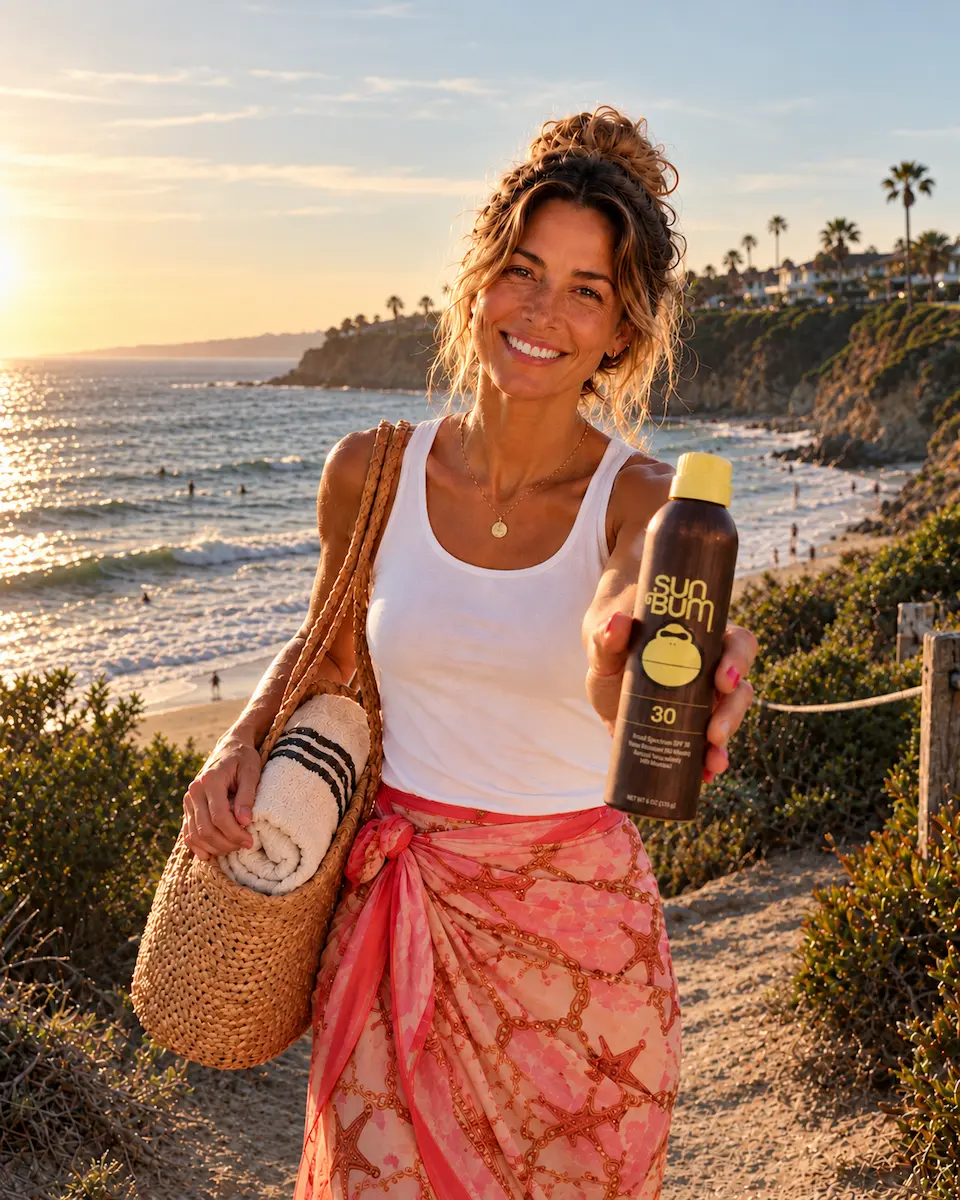
And if the sunscreen you enjoy happens to smell like bananas and makes an ordinary Tuesday feel vaguely like vacation, that may not be scientifically important—but it is behaviorally useful. We have a local favorite: Sun Bum, based in Encinitas near Moonlight Beach, whose unmistakable scent makes sunscreen feel less like a medical obligation and more like summer. The best sunscreen is ultimately the one you actually reach for, which means pleasure may have a legitimate place in the routine after all.
More Great Stories From VeniS Atelier