The surprising history of velvet, decoration, and the artisans who dress Venice's most famous boats.
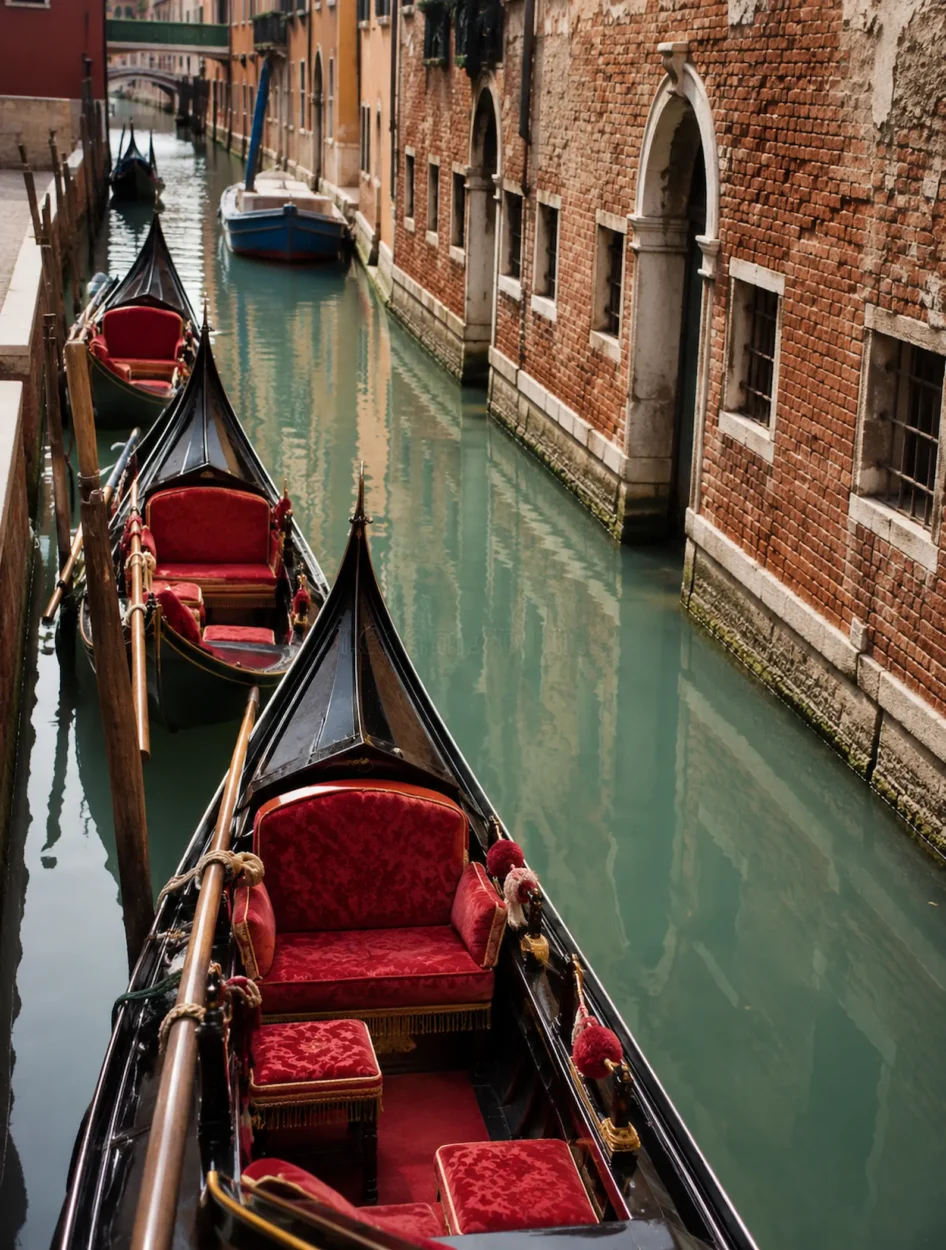
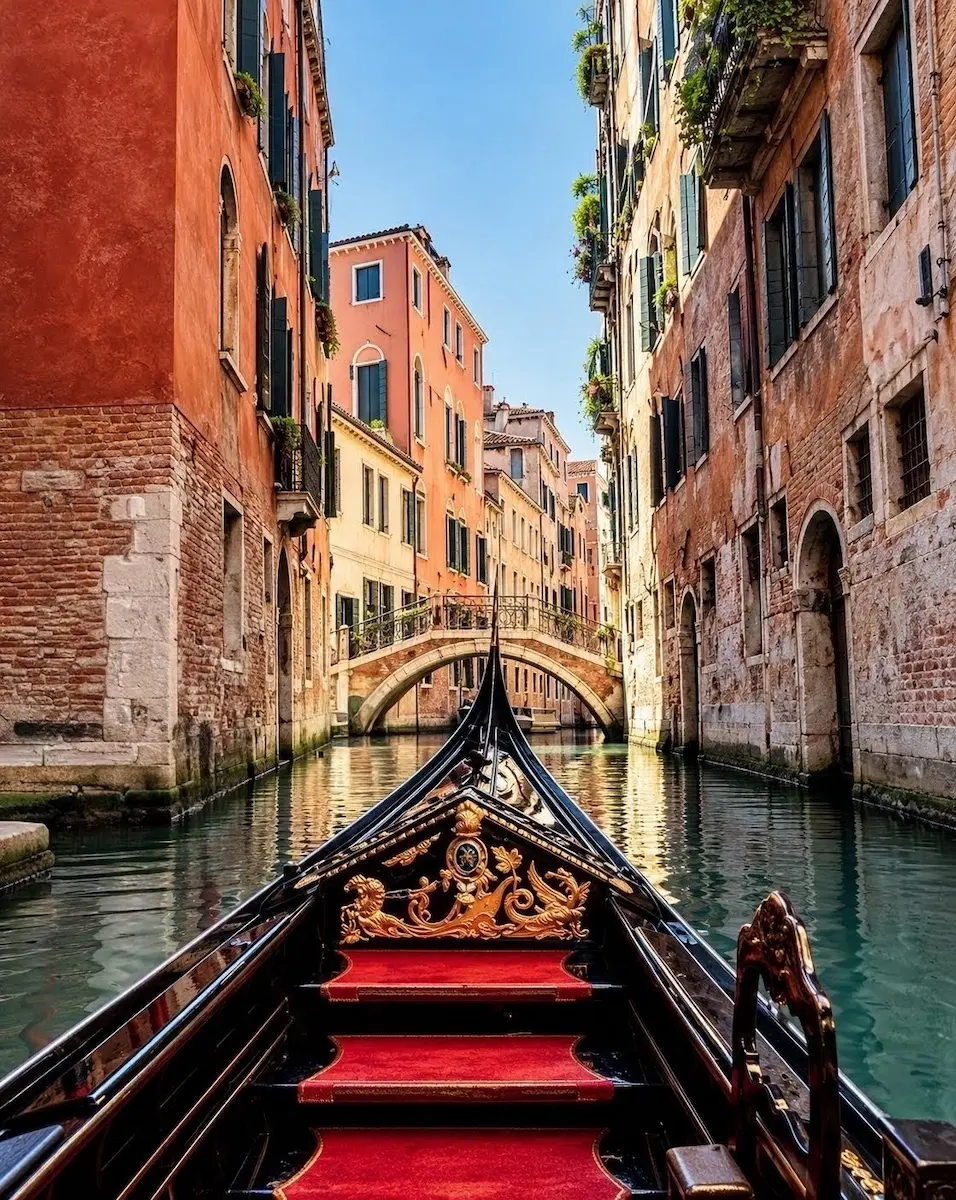
A Venetian gondola is instantly recognizable by its elegant black hull, but look inside and another personality emerges. Velvet, damask, embroidered details, and decorative fringes turn an ordinary boat ride into something resembling a floating salon. This is, after all, a city that made an art form out of glass, lace, silk, and extravagantly decorated ceilings, so why should its boats be any different?
Yet among the thousands of photographs taken of Venetian gondolas every day, one detail rarely receives the attention it deserves: someone actually makes those beautiful seats. The people responsible are not simply upholsterers, but artisans working within a remarkable tradition of Venetian craftsmanship. Their work combines tailoring, furniture making, and nautical design in ways most passengers never think to notice.
The Gondola Has a Wardrobe. Naturally
By the 16th century, Venice’s wealthy families had turned their gondolas into floating status symbols, competing over sumptuous fabrics, gilded carvings, and increasingly elaborate furnishings. The extravagance became so conspicuous that in 1562 the Venetian authorities introduced restrictions intended to curb such displays of wealth. Black gradually became the standard exterior color, although decorative traditions survived. Venice had effectively discovered the need for a nautical dress code centuries before anyone thought to call it one.
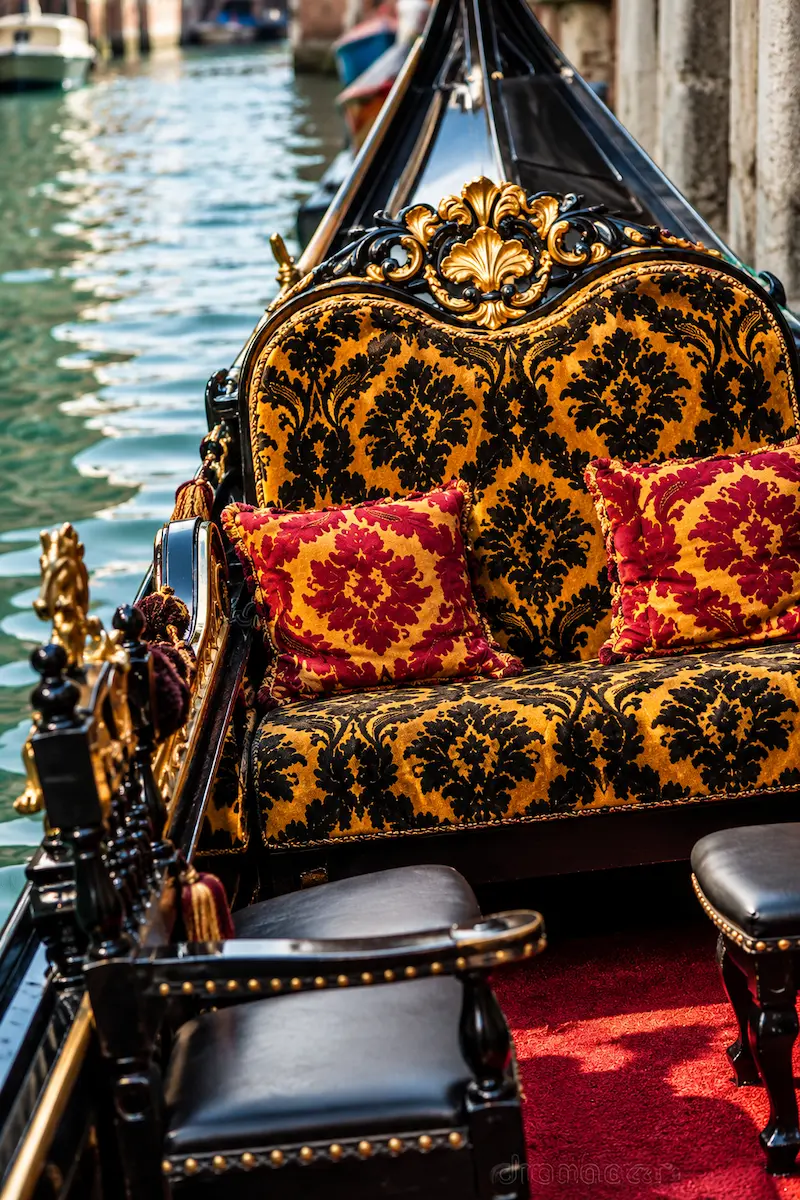
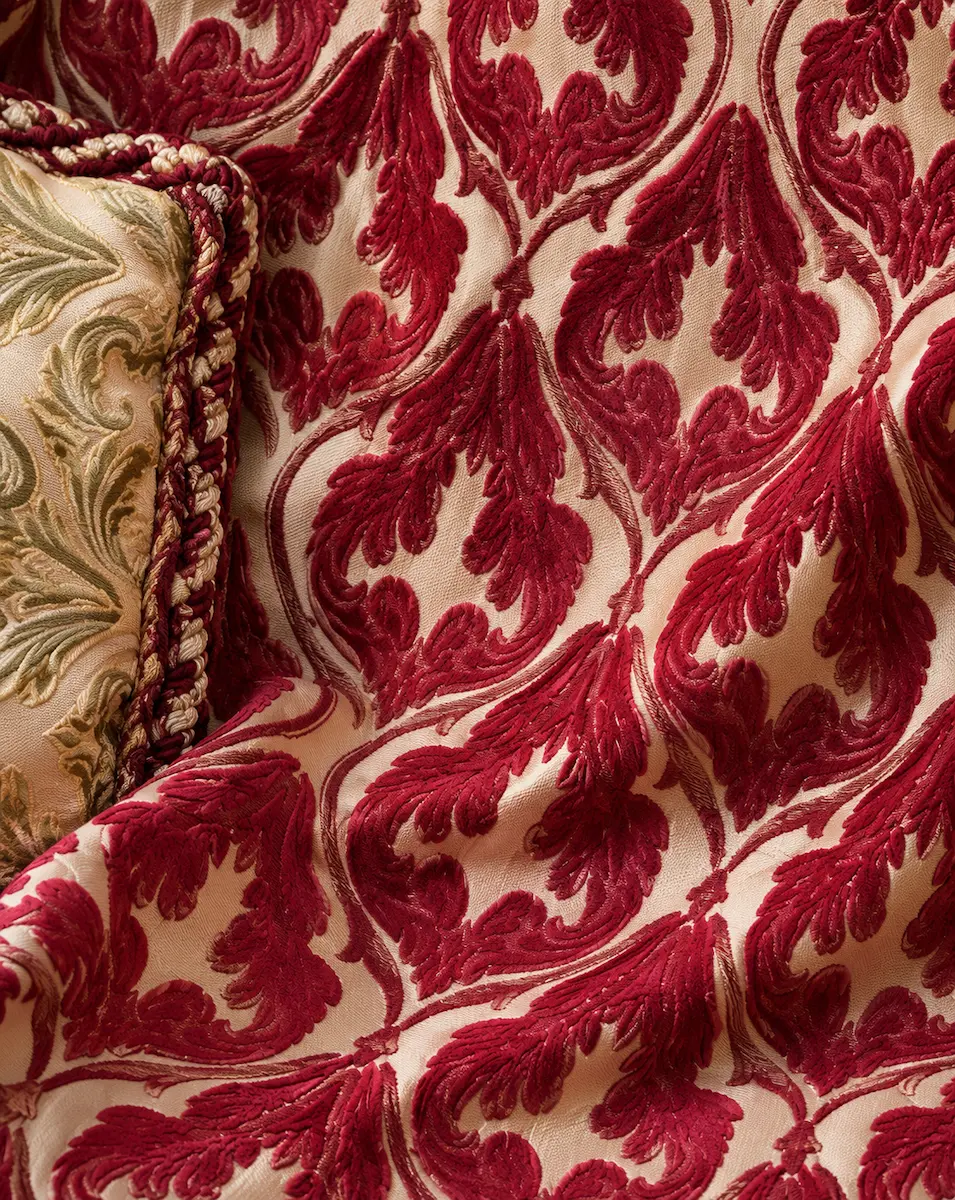
Inside, however, there was still room for personality. The upholstered furnishings, known as the parècio, include seats, backrests, and decorative elements that give each gondola its character. Traditional colors include cardinal red, midnight blue, green, and black, while white and yellow are especially associated with wedding gondolas. Red damask with gold trim evokes the grandeur of historic Venetian furnishings, although these colors represent customary preferences rather than a strict ceremonial code.
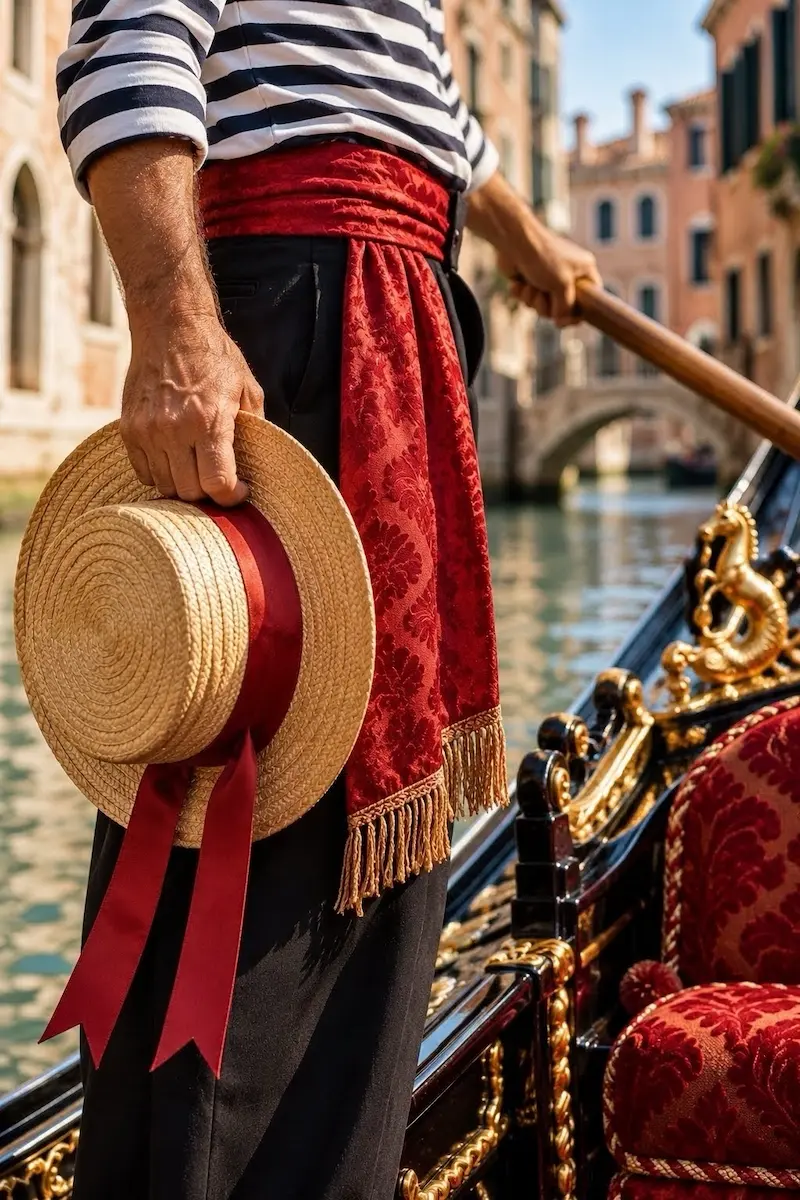
Historically, elaborate upholstery could announce a family’s wealth and social standing; today, it may express the gondolier’s individual taste and pride in the vessel. Even the gondolier’s sash and neckerchief can coordinate with the seating, making the entire boat a carefully considered ensemble. Apparently, in Venice, matching your accessories to your ride has been elevated to an art form.
The People Who Dress Venice's Boats
But who actually makes these extraordinary furnishings? On the island of Giudecca, away from the grand palaces and crowded bridges, a workshop called Hydro Mirò works at an unusual intersection of tailoring, interior design, and boatbuilding. Its four artisans bring together backgrounds that seem almost specifically designed for Venice. Valentina Bonafé has worked with textiles in Venetian palaces, while Marco Marin combines upholstery expertise with experience as a skipper.
Rosanna Fiorentini brings years of nautical upholstery practice, and Mirco Sambo grew up around Venetian textile craftsmanship, including fabrics decorated by Fortuny. Consider the combination: palace textiles, sailing knowledge, traditional upholstery, and Venetian decorative heritage. All assembled to make something as apparently simple as a comfortable boat seat, although there is nothing particularly simple about the process. Each piece must satisfy the practical demands of life on the water while respecting the decorative traditions that make Venetian boats distinctive.
A Little Velvet, a Little Engineering
A superyacht may have entire rooms devoted to luxurious interiors, but a gondola presents a more peculiar challenge: creating comfort, elegance, and personality within the narrow confines of a working boat. Imagine upholstering a sofa that moves, gets wet, sits in the sun, and must fit an unusually shaped wooden vessel. Suddenly, choosing the fabric becomes the easy part.
Cushions must follow the boat’s contours, padding must provide comfort, and coverings must withstand repeated handling. Moisture, ultraviolet exposure, and daily use complicate matters further, requiring materials that balance practical performance with Venetian decorative traditions. There is little room for error, and even less for an oversized cushion. What appears effortless to the passenger is often the result of remarkably precise craftsmanship.
Hydro Mirò’s work has included furnishings for the Dogaressa, a ceremonial gondola, where upholstery becomes part of Venice’s elaborate visual heritage. Fabric, decorative trim, and carefully considered proportions contribute to a vessel designed to be admired as much as used. It is a peculiar distinction of Venice that even a boat’s cushions can participate in the city’s cultural theater.
Venice Never Considered Decoration Frivolous
Venice’s decorative arts were never confined to museums or palaces. Silk weaving, glassmaking, woodcarving, and elaborate upholstery developed within a culture where craftsmanship was both an economic force and an expression of identity. Beauty was not necessarily reserved for objects destined to remain behind glass; even practical furnishings could carry the visual language of the city.
That tradition continues in surprisingly modern ways. A contemporary water taxi may require a completely different interior from a ceremonial gondola, yet both demand sensitivity to proportion, material, construction, and detail. The same workshop might move from decorative velvet to technical nautical fabrics without treating either as a lesser form of craftsmanship. Venice’s traditions survive not because everything remains unchanged, but because someone still knows how to make them useful.
From Gondola to Handbag
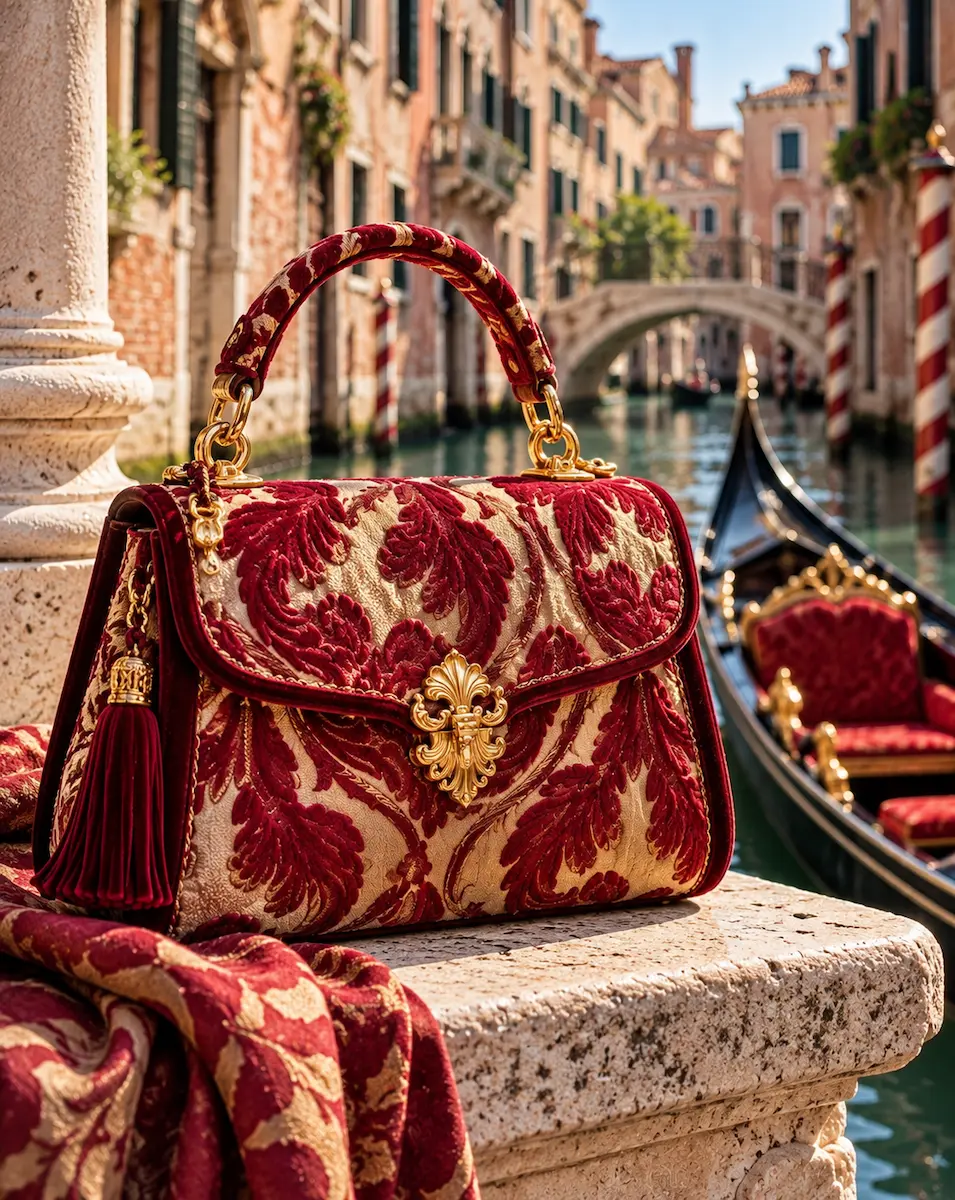
Just when the story appears to belong entirely to interiors, Venice takes an unexpected turn toward fashion. Through a project called EstroDiverso, Valentina Bonafé transforms leftover nautical upholstery materials into handmade accessories. One creation, From Venice with Love, incorporates elements associated with gondola furnishings, including wood, brass, fabrics, and decorative trimming. Rather than designing a handbag inspired by a gondola, she gives actual boatmaking materials another life.
Perhaps a handbag and a gondola were never quite as different as they appeared. Both require structure, carefully selected materials, precise construction, and an appreciation for detail. The transformation reveals something about traditional craftsmanship: the knowledge of working with materials remains valuable even when the finished object changes completely.
Venice has no shortage of celebrated masterpieces, but a city’s character also lives in smaller things: the braid along a cushion, the fabric chosen for a ceremonial boat, and the hands that know exactly how to make it fit. These details rarely make the history books, yet they are what make a place unmistakably itself. A boat needs to float, a seat needs to be comfortable, and a fabric needs to last, but none of those requirements says the result cannot also be beautiful. In Venice, apparently, even a gondola knows better than to leave the house underdressed.
Venice’s artisan traditions extend far beyond its gondolas. Venice Original brings together more than 100 artisan businesses in Venice’s historic center, many preserving techniques passed down through generations. From handcrafted accessories to decorative objects, it’s a wonderful place to discover the craftsmanship that keeps Venice’s creative heritage alive.