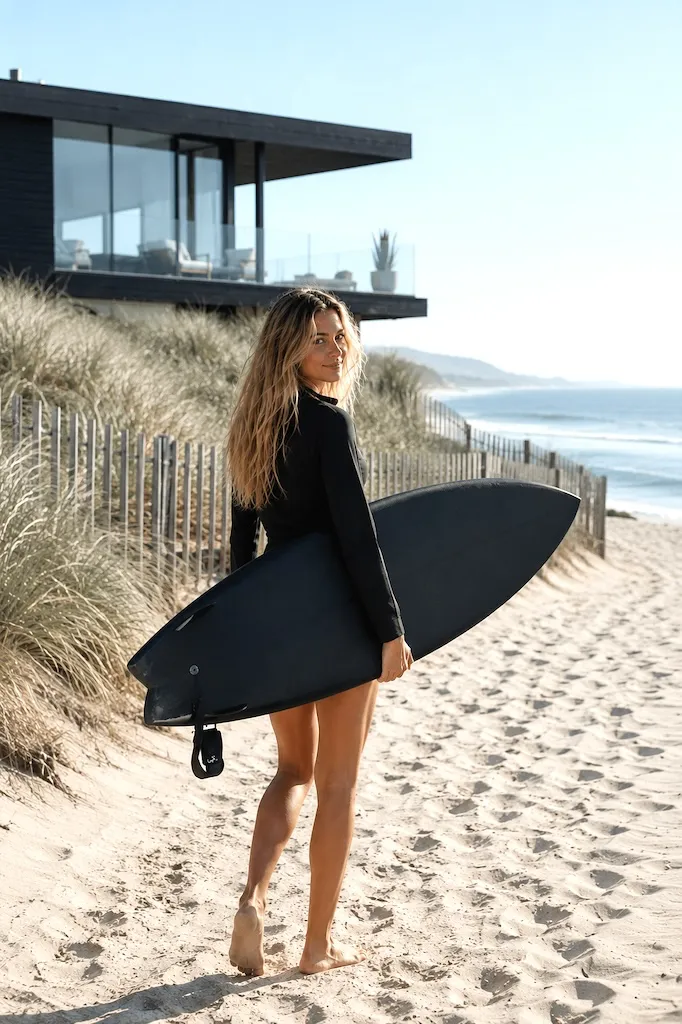
Fashion still sells us Fall and Winter, Spring and Summer But The weather may be making those categories obsolete
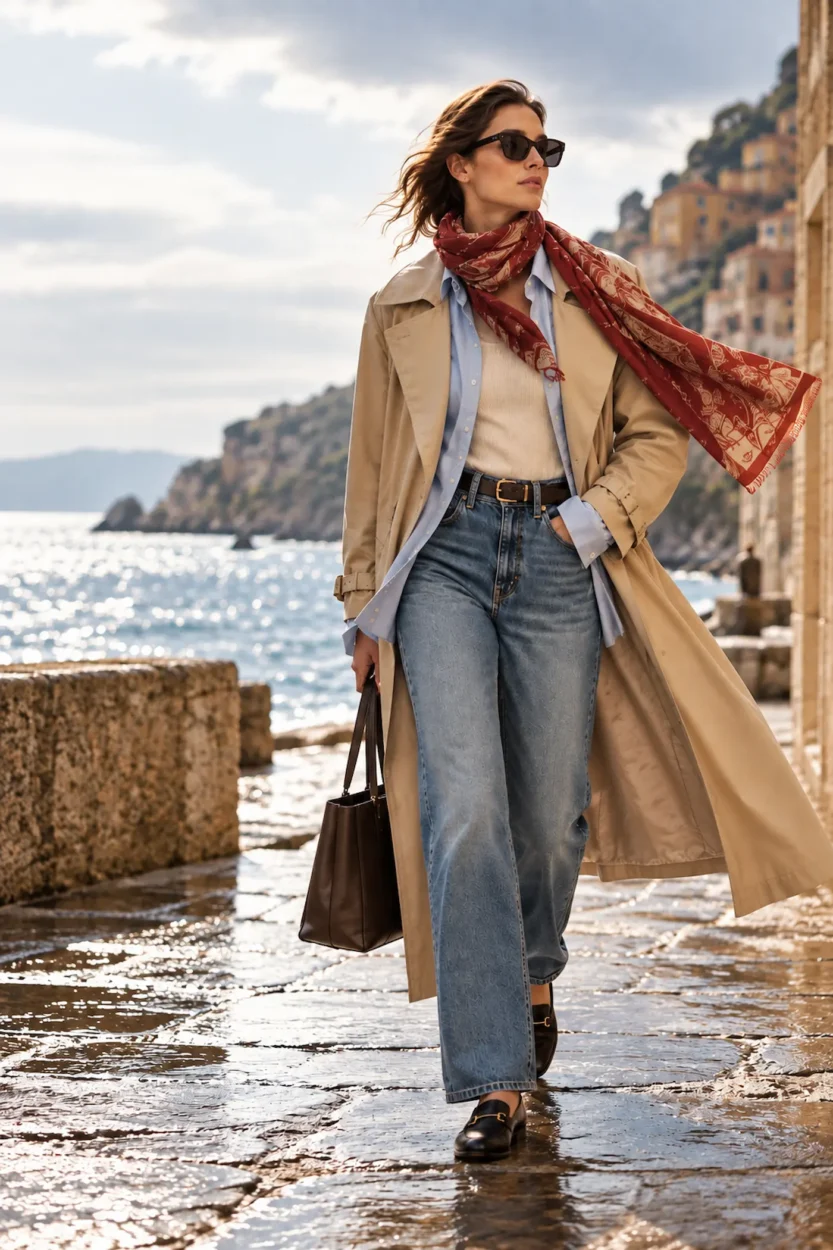
For generations, getting dressed for winter involved a fairly dependable transaction. The temperature dropped; the coat came out. Boots followed, knitwear migrated to the front of the closet, and fashion’s enormous seasonal machinery congratulated itself on another successful change of season.
Then winter stopped cooperating.
California is a particularly good place to watch the old rules unravel. Winters can move between cold mornings, warm afternoons and sudden stretches of serious rain, while a warming climate is making familiar weather patterns less dependable. The question sounds almost embarrassingly ordinary considering the scale of the problem: what exactly are we supposed to wear?
The obvious answer would be lighter winter clothes. The more interesting answer is that perhaps we have been organizing our wardrobes incorrectly. When morning requires a coat, lunch requires sunglasses and tomorrow requires something waterproof, dressing by season becomes considerably less useful than dressing by conditions.
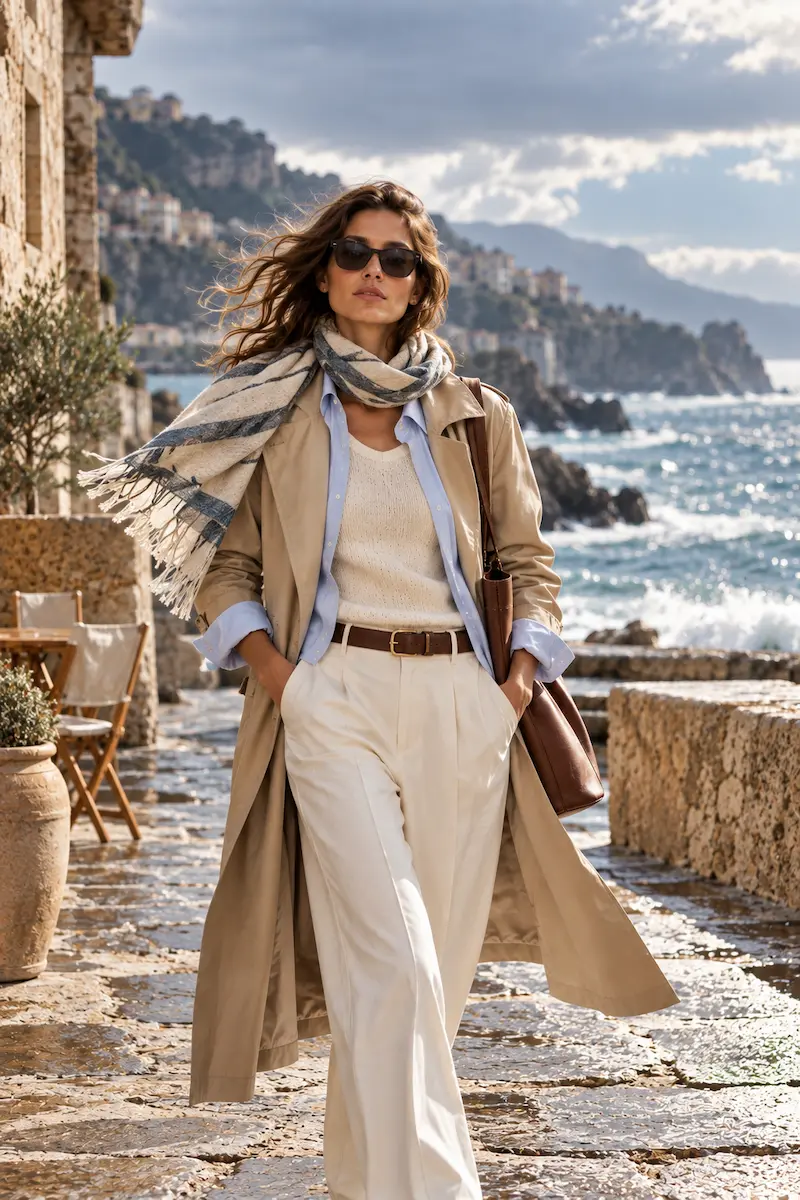
Fashion has begun noticing. At Copenhagen Fashion Week Fall/Winter 2026, performance fabrics, practical footwear and weather-ready outerwear appeared across collections. Resort—the supposedly secondary category designed for that awkward territory between major seasons—suddenly looks unexpectedly relevant.
Perhaps this is where fashion’s beloved categories begin to look slightly quaint. Fall/Winter. Spring/Summer. Resort. Pre-Fall. They describe not merely collections but an enormous commercial system built around the assumption that weather will arrive more or less when expected.
The atmosphere has apparently declined to respect merchandising terminology.
Fashion has certainly considered climate change. Major houses and luxury groups are working on emissions, materials, manufacturing and climate risks throughout their supply chains. Yet the industry has been slower to reconsider something much more basic: why should the wardrobe itself still be organized around predictable seasons when the weather increasingly isn’t?
What replaces seasonal dressing isn’t another season at all. Think dry, wet, warm, cool, windy, transitional—conditions rather than dates on a retail calendar.
And that finally answers the question of what to wear.
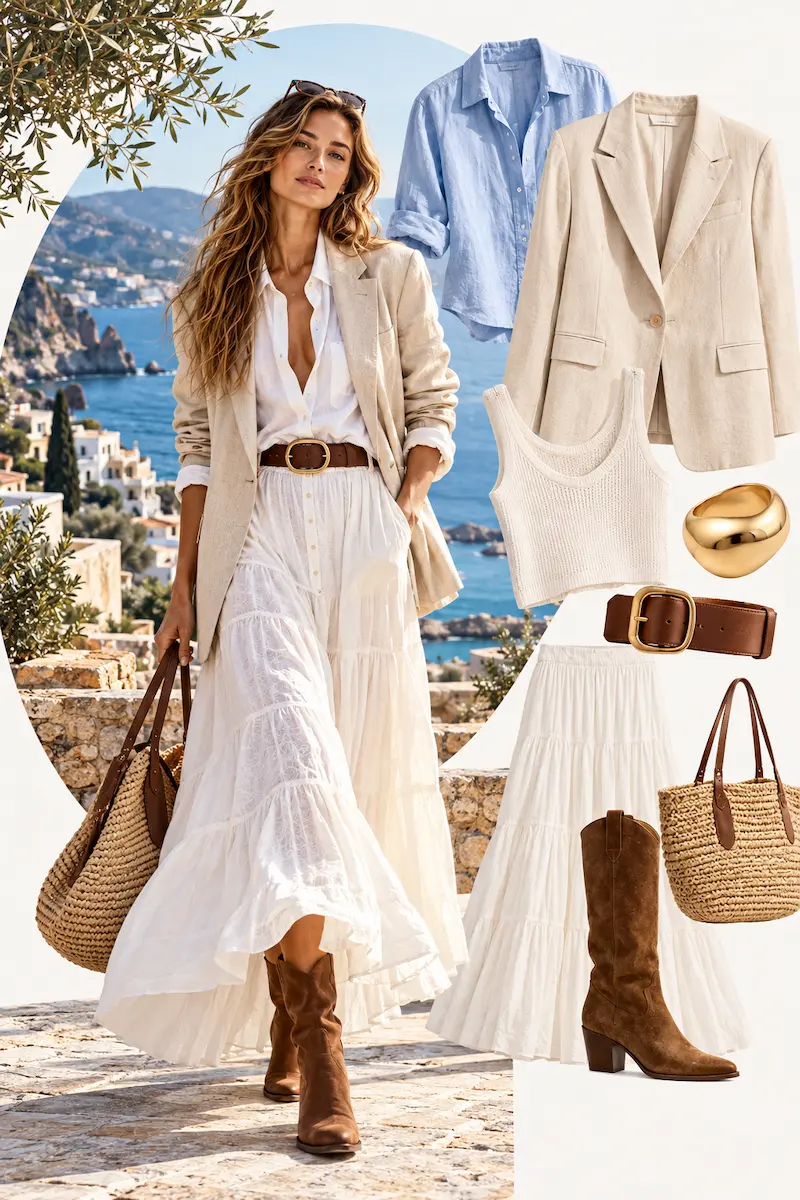
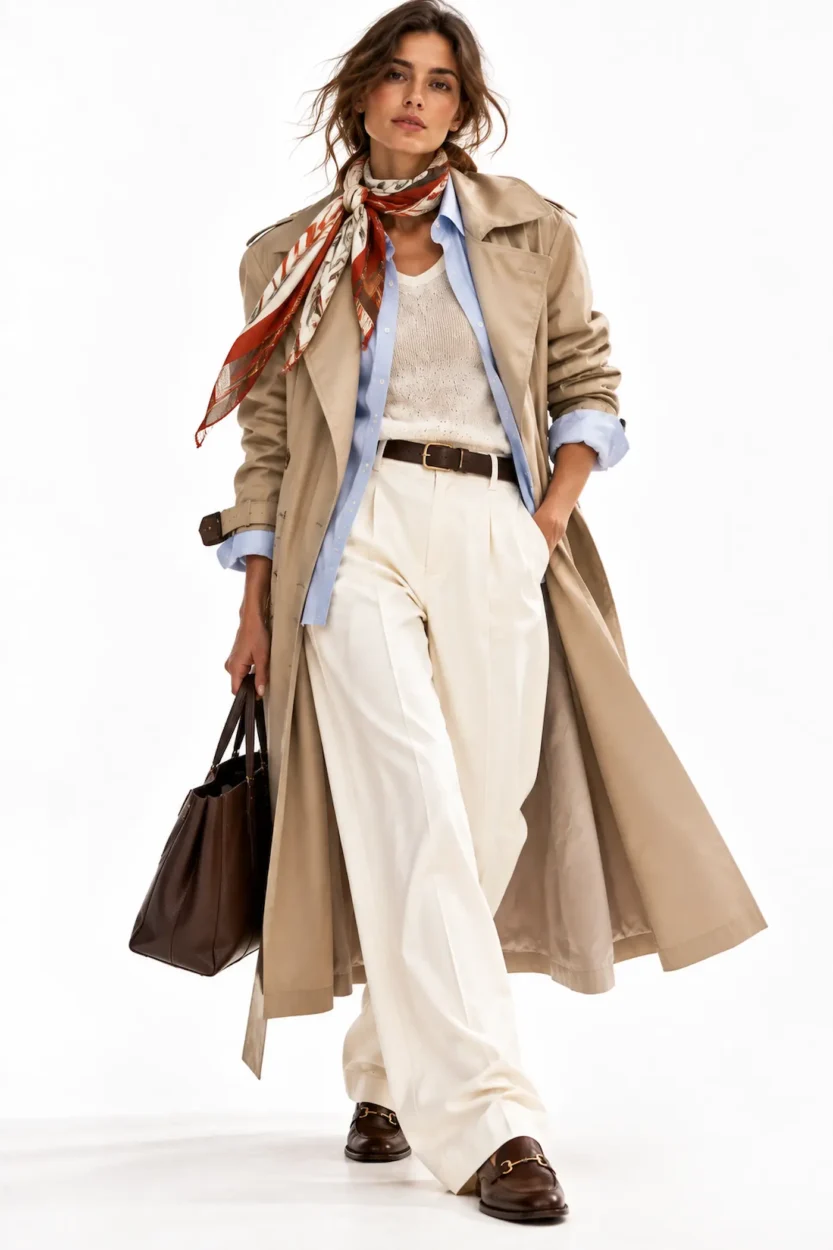
Start with clothes that perform three different jobs: breathe, warm and protect. A cotton shirt or lightweight wool layer can survive the warmer part of the day; a fine merino knit, cardigan or unstructured jacket provides warmth without committing to deep winter; a trench, lightweight raincoat or water-resistant shell handles whatever arrives from the sky. The important part is that every layer should still make sense when the others come off.
Below the waist, the same principle applies. Relaxed wool trousers, substantial cotton, denim, corduroy and lightweight tailoring move more easily between temperatures than clothes designed exclusively for either winter or summer. Shoes become quietly practical—loafers, boots or sneakers with enough grip and weather resistance for wet pavement, without suggesting their owner has mistaken Santa Monica for the Dolomites.
Even the accessories change jobs. A scarf provides considerable warmth for something that can disappear into a bag; sunglasses remain entirely reasonable in January; an umbrella is no longer evidence that the outfit has failed. The goal isn’t to carry your wardrobe around with you—it is to choose clothes capable of having more than one life in the same day.
California and the Mediterranean make particularly interesting laboratories for this idea because neither has ever offered the reassuring certainty of a long, uniform winter. Coastal dressing has always involved negotiation: sun and shade, exposed waterfront and protected street, cool morning and surprisingly warm afternoon. You leave home knowing the weather may renegotiate the agreement before you finish your coffee.
The coastal wardrobe, then, isn’t linen, sandals or another fantasy of permanent sunshine. It is light enough for warmth, layered enough for cold, protective enough for rain and polished enough that none of this preparation is particularly visible.
Which may explain why layering suddenly feels less like styling and more like infrastructure.
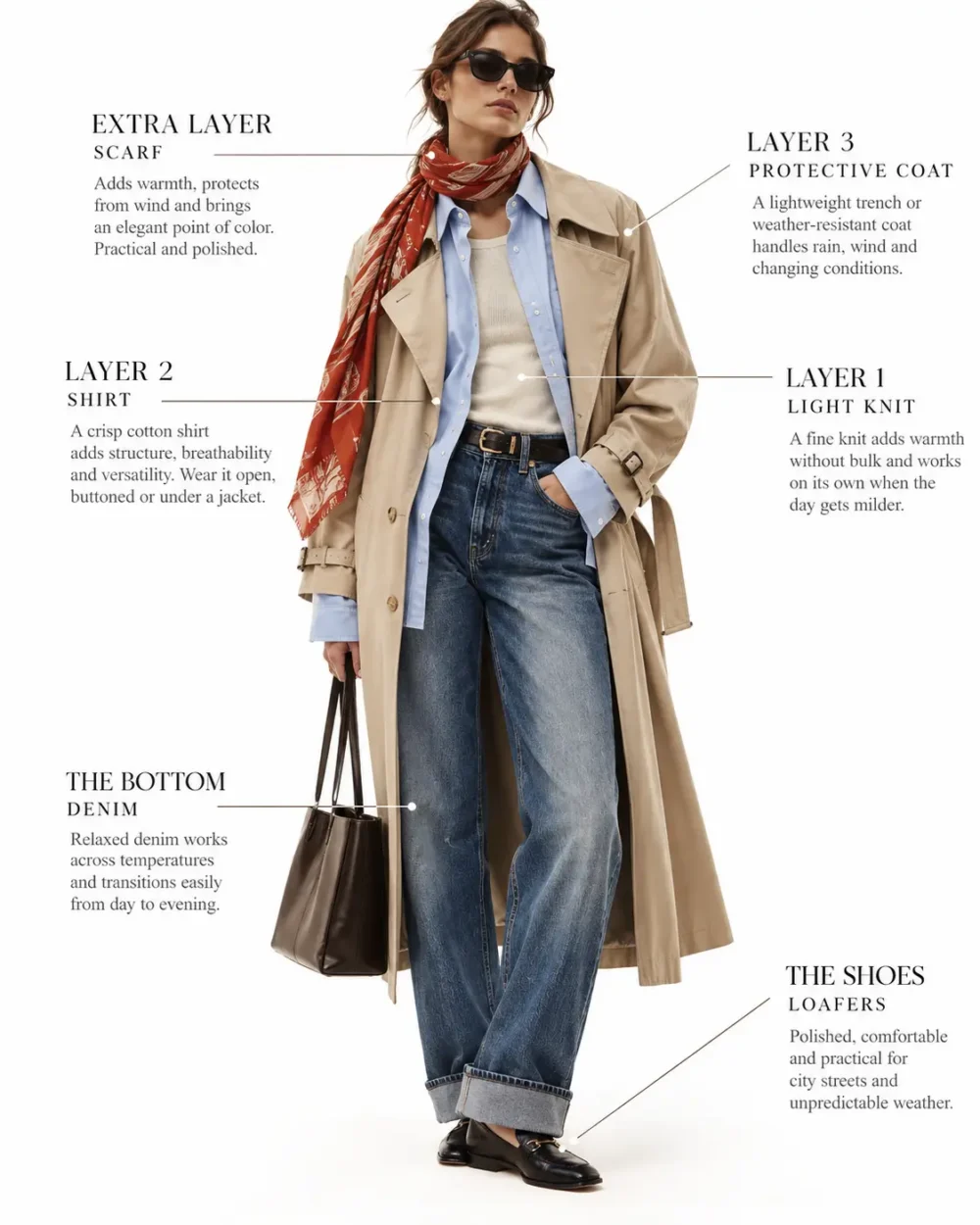
There is something wonderfully ironic about Resort becoming useful here. The category originated around travel and escape—the clothes worn by customers leaving winter behind. Pre-Fall similarly occupied fashion’s commercial in-between.
Now in-between may describe much of the year.
A warmer climate does not simply mean wearing less. A mild afternoon can coexist with serious rain, just as a sunny winter morning can still become a cold evening. The smarter wardrobe may therefore become modular rather than seasonal: fewer garments whose usefulness depends upon one predictable stretch of weather, and more pieces capable of changing roles throughout the day.
That isn’t abandoning fashion for practicality. It may simply change what sophisticated dressing looks like.
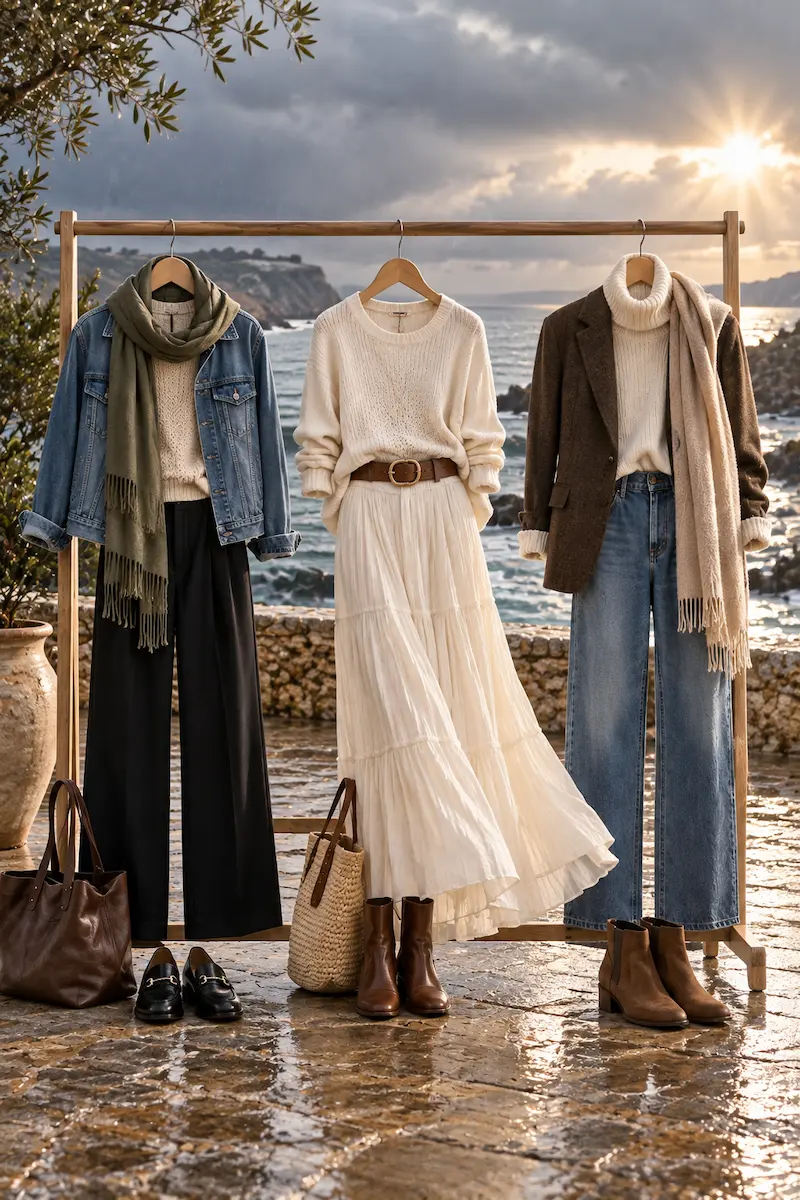
None of this means the winter coat is dead. Fashion has survived far greater inconveniences than an uncooperative thermometer, and there will always be cold places, cold days and extremely beautiful coats requiring justification.
But sophistication may increasingly mean not looking perfectly dressed for winter, but looking perfectly dressed for whatever winter happens to be doing at three in the afternoon.
Coastal life has always required this small negotiation with the elements. California and the Mediterranean may therefore offer fashion something considerably more useful than another coastal aesthetic: a philosophy of dressing for change.
Fashion can continue printing Fall/Winter on the label. Winter, increasingly, seems to have other plans.