The Mediterranean Art of Eating With Your Feet in the Water
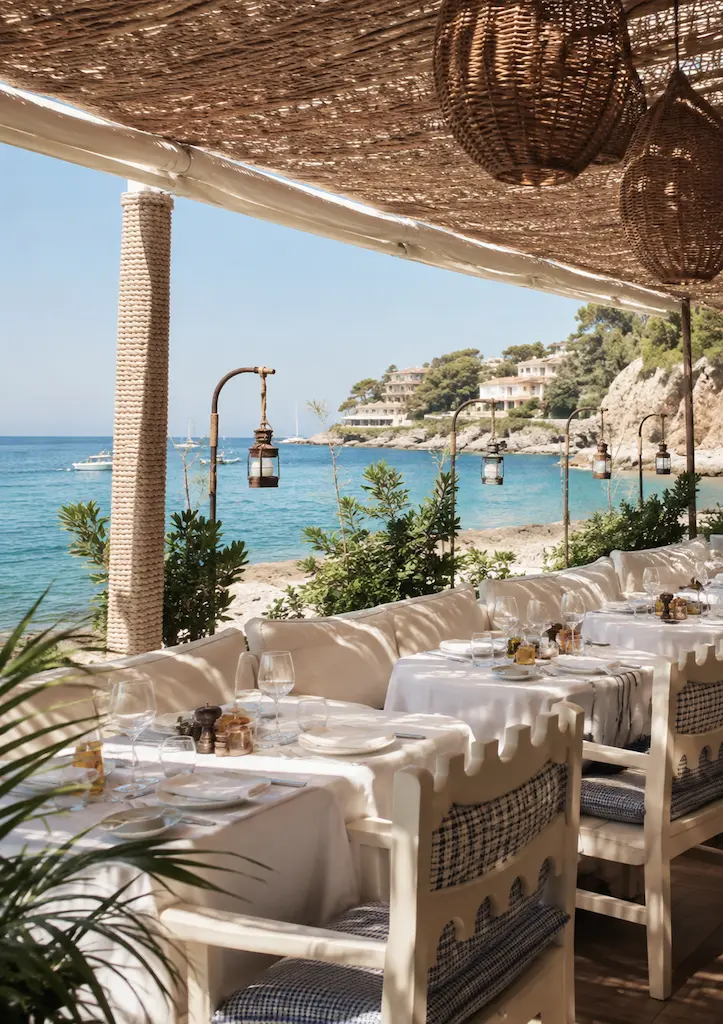
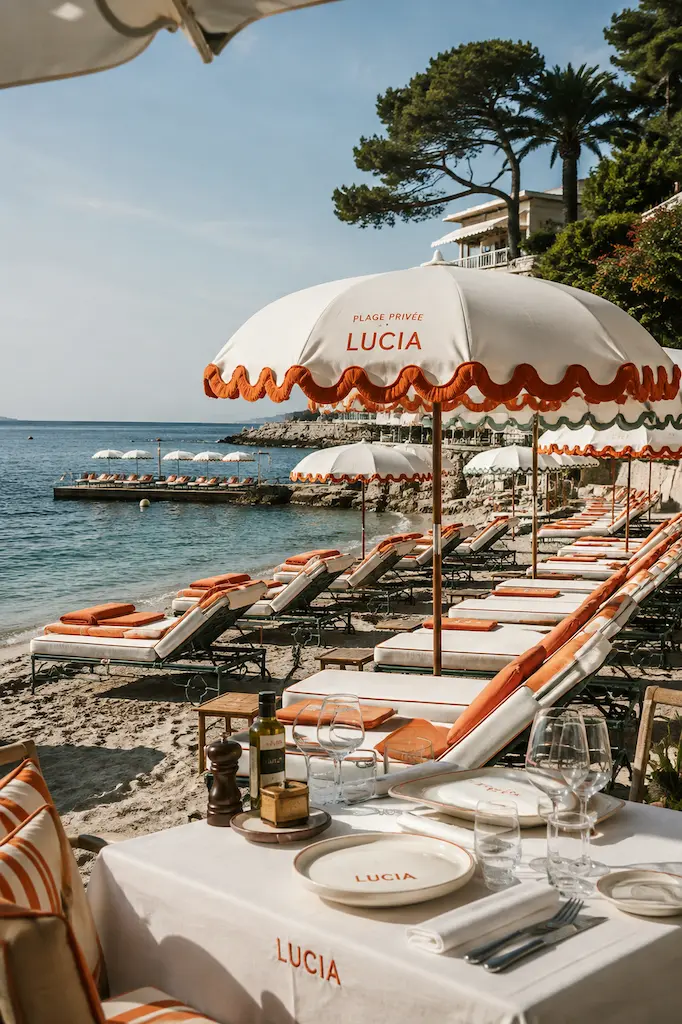
The French have an expression for a particular kind of seaside place: les pieds dans l’eau. Feet in the water. It describes restaurants so close to the shore that there is practically nothing between your table and the sea. No road to cross. Sometimes there is sand beneath the chairs. Sometimes rocks. Sometimes boats arrive more easily than cars.
For Californians, there is something almost suspicious about all this. On the Pacific, the ocean can advance and retreat by several feet over the course of a day. Along much of the French Mediterranean, the tide moves by mere inches. The sea still has moods—wind and weather certainly have opinions—but compared with California, the shoreline can seem remarkably well behaved.
Which helps explain a sight that can look almost improbable to an American visitor: tables, chairs and entire little restaurants perched extraordinarily close to the water. And sometimes what looks like little more than a shack turns out to be one of the most coveted tables on the Riviera.
Along the Mediterranean coast, these places have different names. There is the cabanon, the paillote, the beach restaurant and, borrowing from another French tradition, the guinguette. They aren’t precisely the same thing. But somewhere along the Riviera, their stories converged into an irresistible idea: perhaps the best table by the sea should be the one with the least separating you from it.
Before the Beach Club, There Was the Cabanon
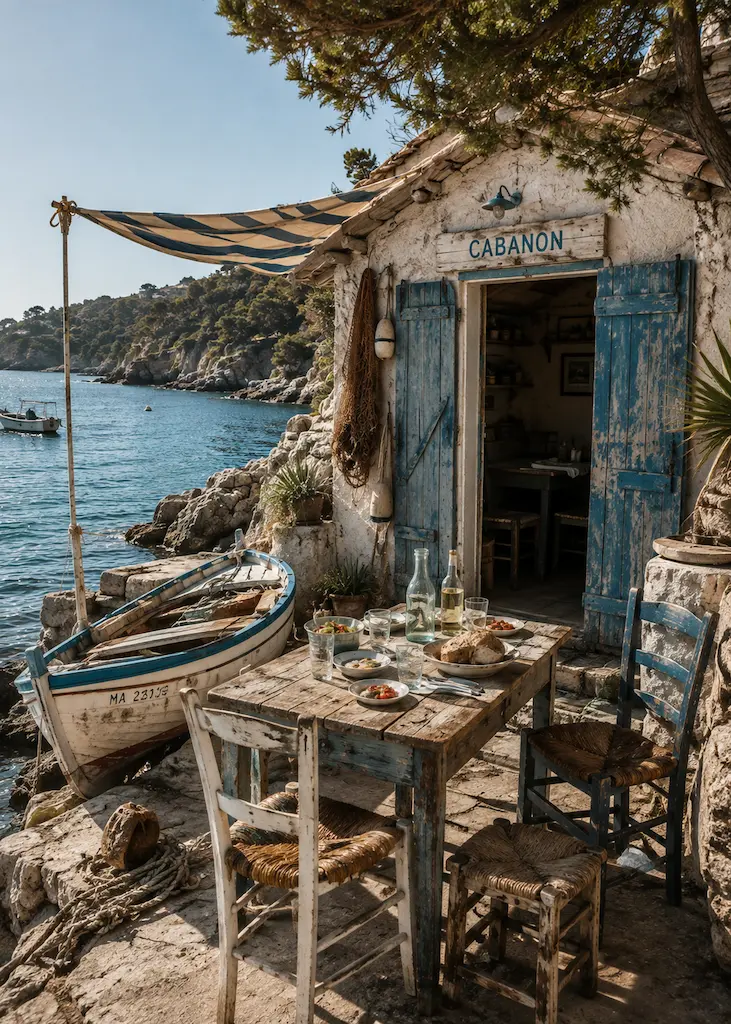
Long before someone discovered that a woven pendant lamp and a linen cushion could transform a beach shack into a lifestyle concept, there was the cabanon. Around Marseille and the Calanques, these modest shelters belonged largely to fishermen and working families. Some had neither running water nor electricity. Nobody appears to have been terribly concerned about the absence of a plunge pool.
They came for Sundays and holidays. They cooked bouillabaisse and aïoli. Friends squeezed around tables. There were games of pétanque and cards, swims and naps, and meals that were allowed the increasingly radical luxury of not having another appointment afterward. The cabanon eventually became less a type of building than a way of spending a day. Its luxury was freedom. The sea was outside. Lunch could take as long as it liked. Long before anyone marketed “barefoot luxury,” Mediterranean families had essentially worked out the concept.
Then the Riviera Arrived
Follow the coast east from Nice toward Monaco and it begins folding into rocky coves, steep cliffs and improbable little places wedged between mountain and sea. At Roquebrune-Cap-Martin, between Monaco and Menton, one of those modest seaside shelters became something legendary. Charles Albert Viale transformed a humble fisherman’s cabanon into Le Pirate. By the 1960s and ’70s, actors, artists and the international Riviera crowd were gathering there. The surroundings were hardly palatial. That was rather the point. The glamour came from the people, the cove and the delicious feeling that normal rules had temporarily been left somewhere farther up the road.
Nearby, even Le Corbusier—the Swiss-French architect who helped define modern architecture—succumbed to the idea. A man who spent his career designing radical houses and monumental buildings chose for his own Riviera summers an extraordinarily small wooden cabin, barely 12 feet square. Known simply as Le Cabanon, it stood beside L’Étoile de Mer, the modest seaside establishment of his friend Thomas Rebutato, with the Mediterranean just beyond. One of modern architecture’s great figures had reduced the summer house to a tiny room, a nearby table and the sea. Perhaps the cabanon understood luxury better than luxury did.
Then Someone Added Better Cushions
Today’s Riviera has perfected the contradiction. The humble seaside shelter has become an aesthetic. Pergolas cast striped shadows over linen cushions. Rough timber sits beside beautifully set tables. Woven lamps sway above terraces that appear to have been assembled casually for the summer, although someone has almost certainly considered the precise angle of every chair. The menus have evolved too. Reservations can be coveted. The bill may bear very little resemblance to anything a fisherman once paid for lunch. And yet, when these places work, something of the old formula survives. You are still remarkably close to the water. Shoes suddenly seem unnecessarily ambitious. You haven’t dressed for lunch so much as wandered toward it. Then the food begins arriving.
Lunch, Riviera Style
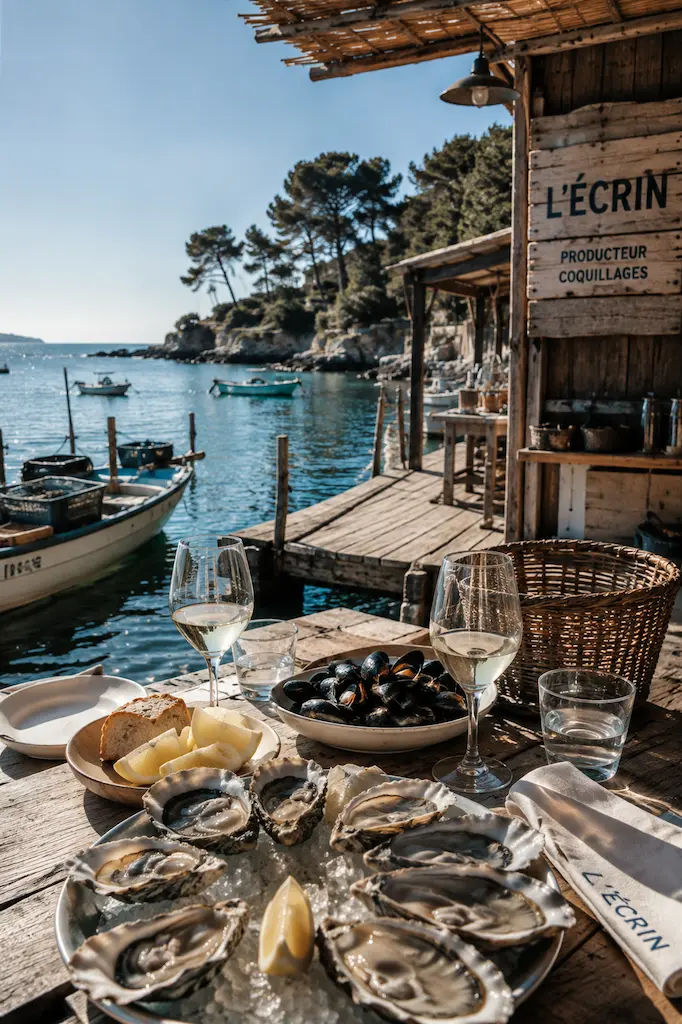
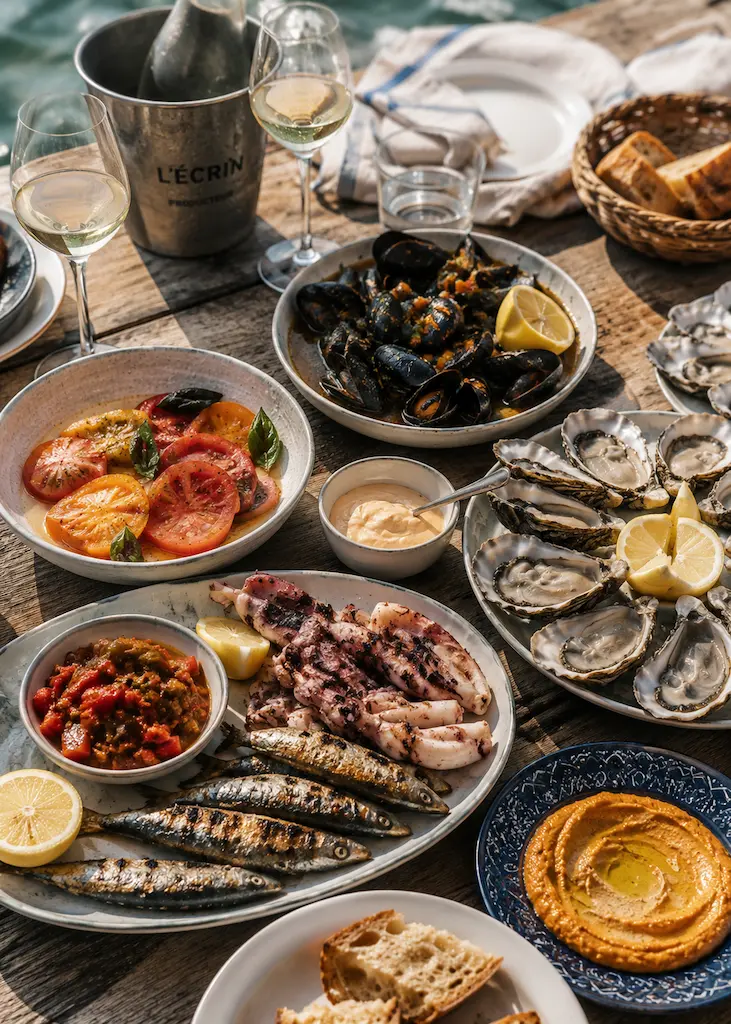
Fish soup comes with rust-colored rouille. Sardines arrive blistered from the grill beside ratatouille. There are tomatoes slicked with olive oil, mussels, calamari, citrus, herbs and whatever came from the sea that morning. At the more polished addresses, the menu now speaks a more glamorous language: sea-bream tartare, red-prawn carpaccio, linguine with clams, beautifully grilled sole. The plates have become more sophisticated. The appetite behind them hasn’t. This is food that understands where it is. Nothing needs much ceremony when the Mediterranean is sitting three feet away showing off.
The first plates disappear. The sun shifts. Someone swims. Wet footprints cross the terrace. Coffee arrives, although nobody seems to be leaving. Which brings us to the real secret of the cabanon.
The Table Becomes the Beach Activity
An American reader already understands the beach shack. We have fish shacks, boardwalk counters, clam stands, taco windows and cafés where sandy feet are not considered a wardrobe malfunction. California understands particularly well that food tastes better after a day near the water. But the Mediterranean stretches the idea. The table isn’t necessarily a quick stop between beach activities. The table becomes the beach activity.
Lunch can occupy the afternoon. Someone swims before the first course and again after dessert. Children migrate between table and shore. Another plate appears. Another coffee seems reasonable. Nobody looks particularly interested in what time any of this is supposed to end. Perhaps this is the real difference between the Mediterranean cabanon and the American beach shack. One feeds you on your way somewhere else. The other quietly convinces you there is nowhere else you need to be. The difference isn’t really architectural. It is temporal. The cabanon offers something increasingly difficult to buy: permission to remain.
Perhaps That Is the Real Luxury
There is an irony in watching today’s designers recreate the old seaside shack with increasingly beautiful materials and increasingly comfortable furniture. But what they are trying to recreate isn’t really the shack. It is the feeling. The original cabanon offered escape from formality. The paillote provided shade. The guinguette offered food, company and somewhere to linger. None needed to announce itself as an “experience.” The experience was simply being there.
Maybe that explains why les pieds dans l’eau still sounds infinitely more seductive than “waterfront dining.” Waterfront dining describes the view. Les pieds dans l’eau describes your relationship with it. The Mediterranean spent centuries building magnificent villas and grand hotels overlooking the sea. And somehow, some of its most desirable tables ended up almost in it.
Where to Experience Les Pieds dans l’Eau
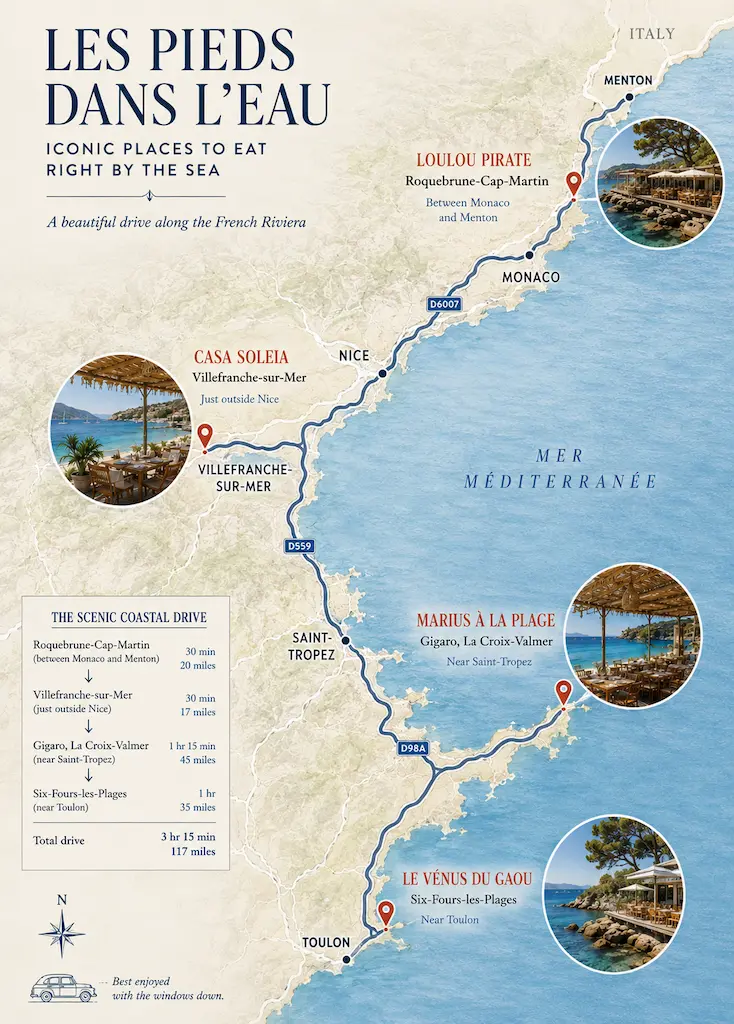
The tradition is still very much alive along the French Riviera. These addresses capture different versions of it, from a legendary cabanon reborn to the wonderfully simple pleasure of a table beside the water.
Loulou Pirate — Roquebrune-Cap-Martin (between Monaco and Menton)
The modern incarnation of the legendary Le Pirate is the natural place to begin after reading its story. Perched above the Mediterranean, it preserves the glamorous side of the cabanon tradition, with lunch and dinner overlooking the water—and even arrival by boat. Look for the pissaladière and Mediterranean seafood.
Casa Soleia — Villefranche-sur-Mer (just outside Nice)
Here the cabanon has clearly discovered good linens. Casa Soleia is a contemporary pieds dans l’eau experience directly on the beach overlooking the extraordinary bay of Villefranche. The menu moves from sea-bream tartare and grilled fish to linguine with clams, with Tarte Tropézienne providing a very appropriate Riviera ending.
Marius à la Plage — Gigaro, La Croix-Valmer (near Saint-Tropez)
Marius keeps more of the convivial cabanon spirit. Under the pergola at Gigaro, lunch might mean fish soup with rouille, Mediterranean sardines with homemade ratatouille or grilled calamari, followed by the dangerous realization that there is really no compelling reason to leave before the evening.
Le Vénus du Gaou — Six-Fours-les-Plages (near Toulon)
At the edge of the Île du Gaou, this is the more unpolished side of the tradition—and perhaps the one closest to its original spirit. A casual waterside cabanon, simple bistro-style cooking and the delicious sensation of having reached the end of the road.
CONTINUE EXPLORING
Inspired by this story? The story continues. Here is your next read The California – Mediterranean Pantry →