How the Riviera Beach Club Became Fashion’s Summer Showroom
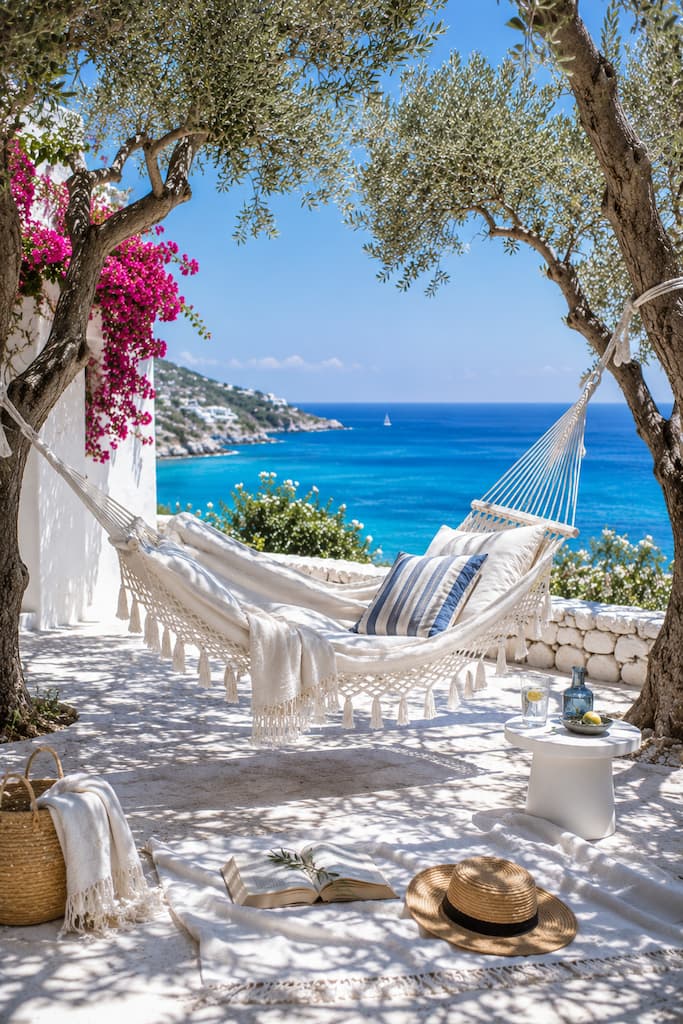
If you live in California, the words beach club may conjure something quite different from what they mean on the Mediterranean. Along the French and Italian Rivieras, a beach club is often part restaurant, part sunbathing terrace, part social institution. Rows of loungers and parasols occupy a carefully managed stretch of waterfront. Lunch can last two hours. There may be changing cabins, showers, a swimming pontoon, a bar and sometimes a boutique. At the grander hotels, the beach club becomes almost an outdoor living room beside the sea.
California loves the beach just as much, but learned to use it differently. Here, the beach is largely public territory: bring a towel, surfboard and umbrella and find your own patch of sand. The Riviera turned the beach into somewhere you could check into for the day.
And lately, that outdoor living room has acquired a rather fashionable decorator. For summer 2026, Burberry has covered loungers, parasols and parts of the historic Hôtel Belles Rives in its unmistakable Check. Kujten has brought its bandana motif to a beach in Ramatuelle. Dior is spreading its summer universe across Mediterranean resorts. Dolce & Gabbana is dressing clubs from Saint-Tropez to Sardinia. Fashion has discovered a new kind of showroom.
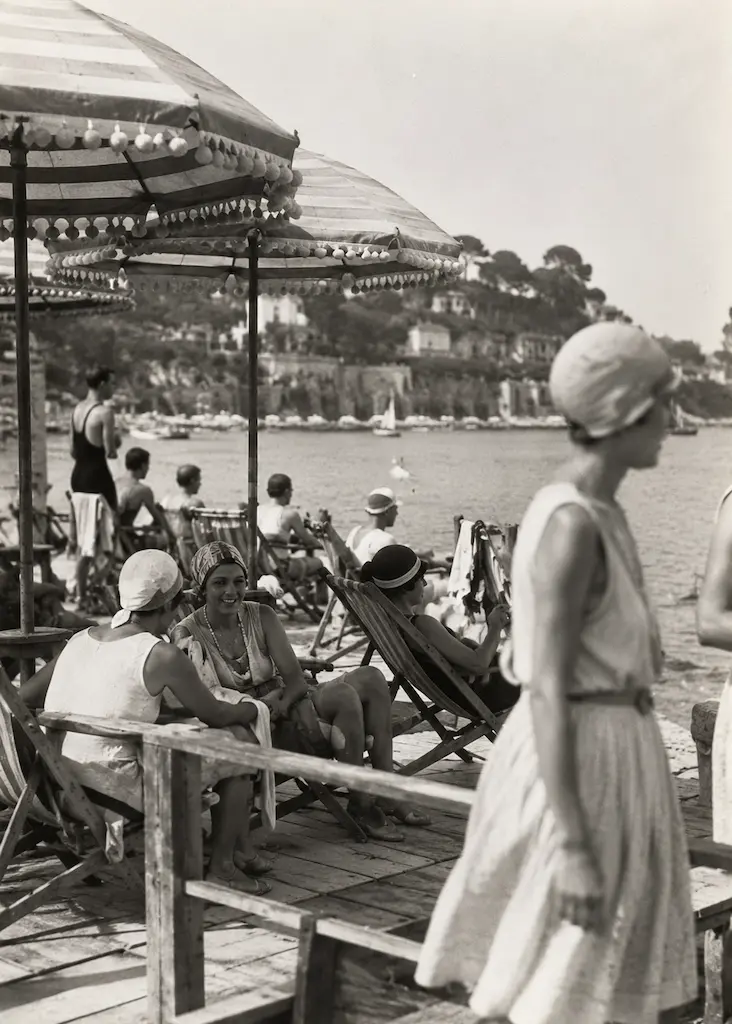
But the relationship between style and the Riviera is hardly new. From the late 19th century onward, European seaside resorts developed around the idea that the coast could be somewhere to relax rather than simply somewhere to work. By the 1920s and 1930s, the Côte d’Azur had become a fashionable summer playground, attracting artists, writers, aristocrats and wealthy travelers. Hotels developed private beaches and bathing establishments. Seaside life acquired its own wardrobe. Swimwear changed. Resort clothes appeared. Coco Chanel famously helped popularize suntanned skin, while designers increasingly created clothing specifically for holidays.
The beach was becoming a social stage. Places such as Cannes, Antibes, Juan-les-Pins and Saint-Tropez developed their own version of coastal glamour: less formal than Paris, but hardly careless. The modern plage privée grew from that culture. Literally a “private beach,” the term generally describes a serviced beach establishment where guests rent loungers and umbrellas and spend the day eating, swimming and socializing.
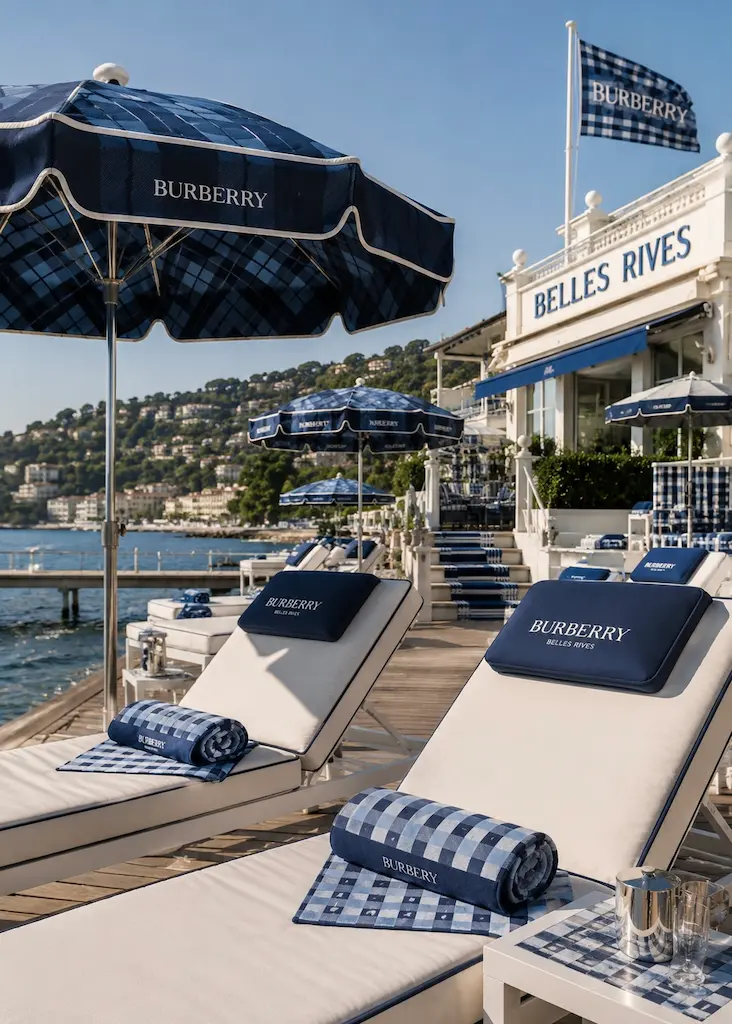
Think of it as somewhere between a California beach, a very good restaurant and a small resort—without necessarily needing a hotel room. Nearly a century ago, fashion dressed the people arriving at these beaches. Today, it is dressing the beach itself. At Hôtel Belles Rives in Juan-les-Pins, Burberry has taken one of fashion’s most recognizable patterns and turned it blue.
For summer 2026, the British house reinterpreted its Check in a shade inspired by the hotel itself, carrying it through the beach club, terraces and interiors—even the original 1920s elevator. The private jetty joins the transformation, while Burberry’s summer collection becomes part of the larger experience. The choice of Belles Rives is particularly clever. The Art Deco hotel occupies the former Riviera home of F. Scott Fitzgerald, who began Tender Is the Night there. Burberry points out an almost suspiciously perfect historical detail: the novel’s protagonist wears a Burberry coat. Suddenly a fashion collaboration has a plot.
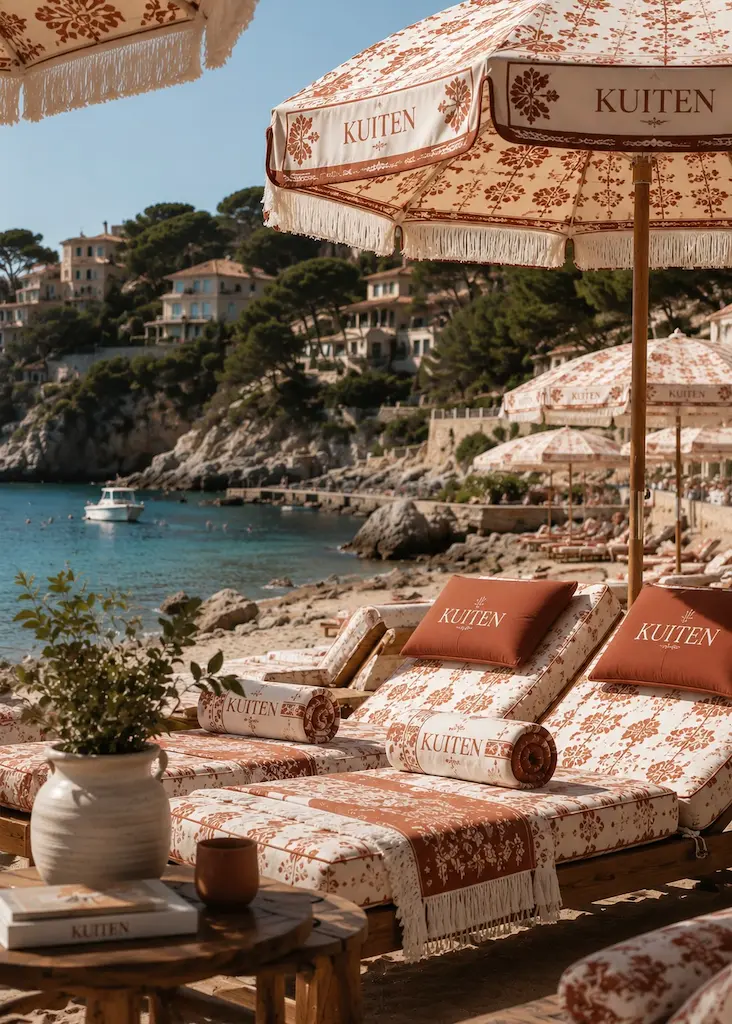
A few miles away in Ramatuelle, near Saint-Tropez, the idea becomes quieter. Cybèle is the sort of Mediterranean beach club that describes itself as a seaside house: sand, restaurant, loungers and long lunches facing the water. This summer it has partnered with Parisian cashmere house Kujten. Kujten’s familiar bandana pattern has been redrawn in terracotta and white to complement the Mediterranean surroundings, then transferred onto loungers and beach accessories. A fashion motif has effectively become interior design.
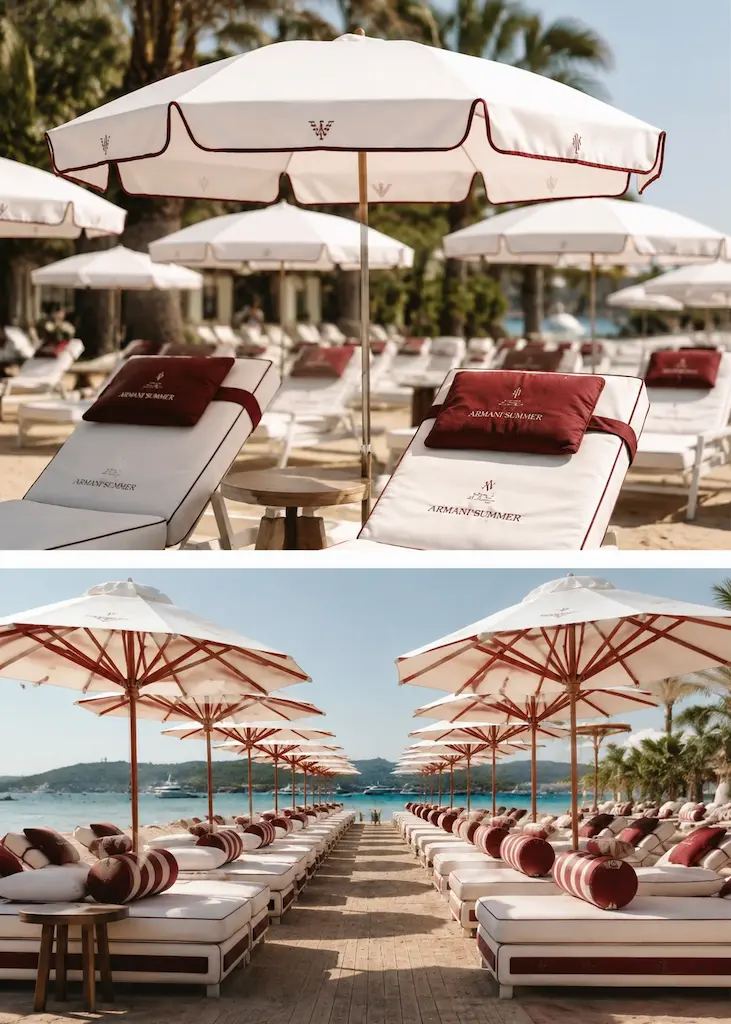
And these are hardly isolated experiments. At Vega La Plage in Cannes, Emporio Armani takes the idea further, carrying a restrained palette of burgundy, sand and ivory from the restaurant to the loungers, parasols, table settings and even staff uniforms. Here, the fashion house isn’t simply styling the beach. It’s art-directing the entire day.
Missoni has transformed the pool at OKU Ibiza with the saturated blues, turquoise and greens associated with its textile world. Dior continues expanding Dioriviera, its seasonal universe of boutiques and resort installations, across destinations including Cannes, Capri and Porto Cervo.
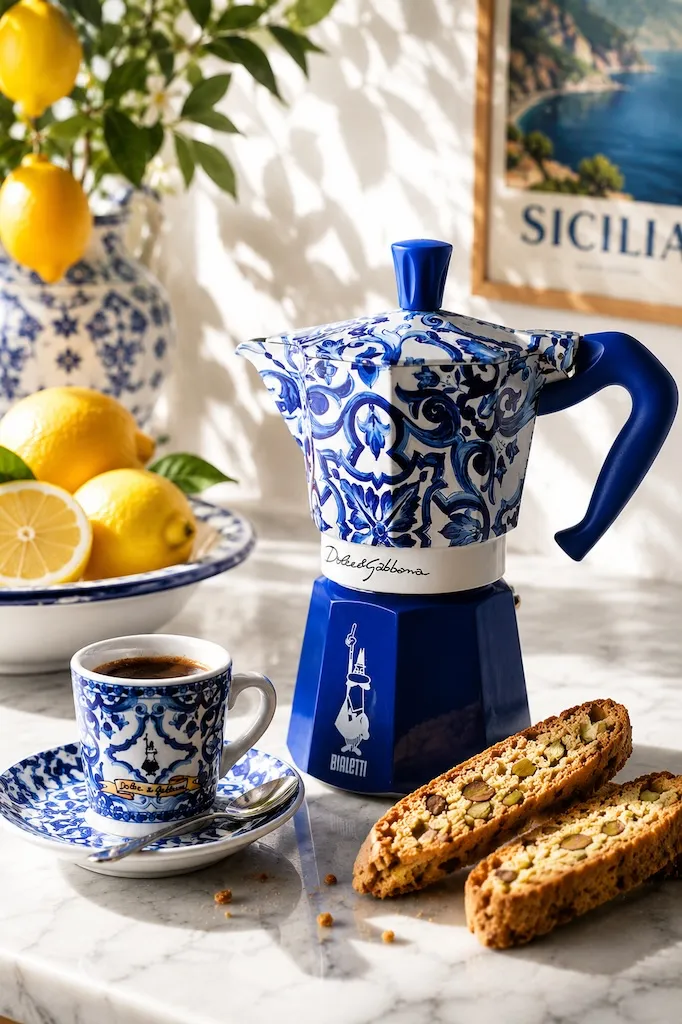
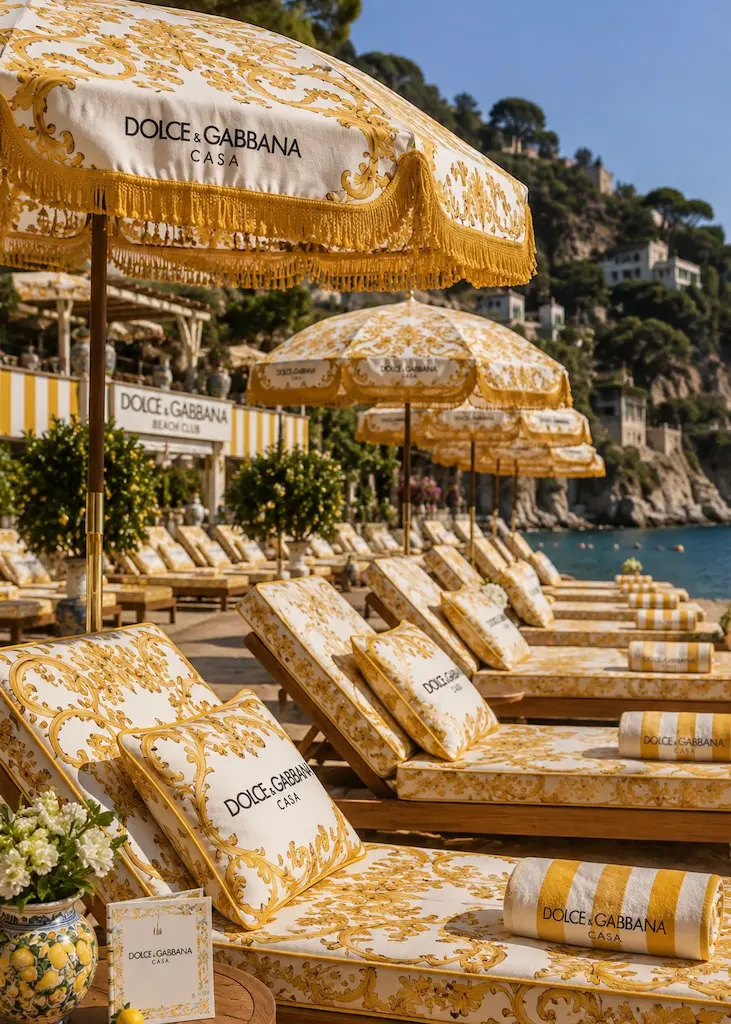
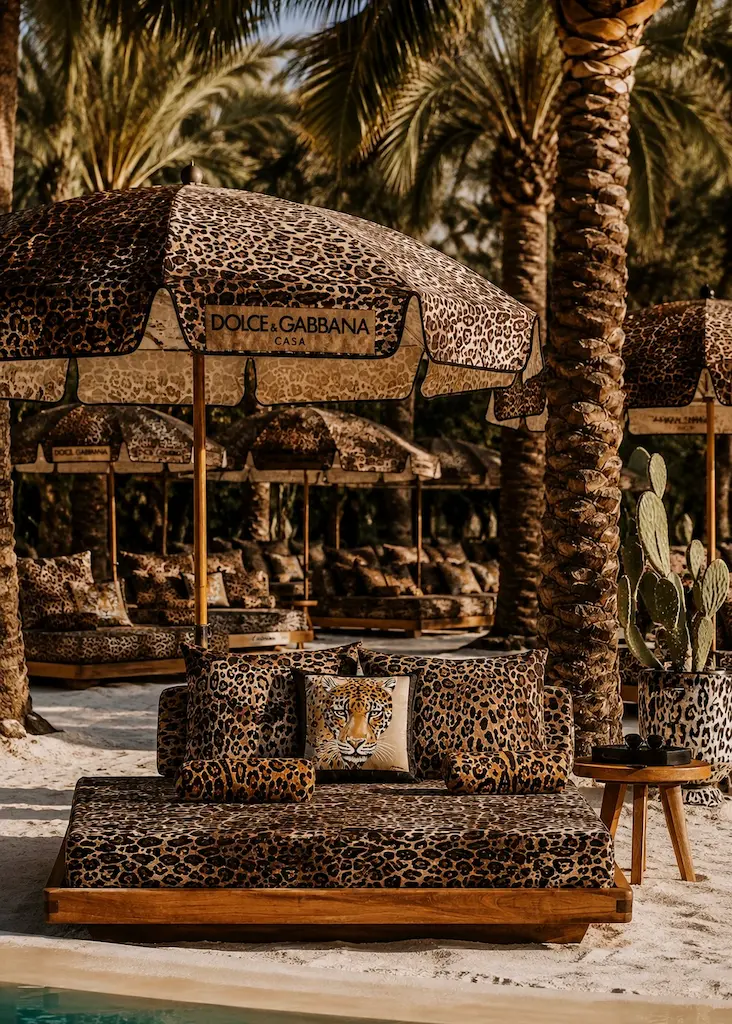
Dolce & Gabbana goes further still. At Cala di Volpe in Sardinia, its yellow Maiolica motif moves across terraces, cabanas and decorative objects, turning a recognizable fashion language into an entire Mediterranean setting.
These are not simply logos placed on umbrellas. Fashion is moving beyond the garment and into architecture, furniture, hospitality and even the landscape around it.
So why does it work so well here? Because the Mediterranean offers something difficult to manufacture. It already has the story.Striped parasols, wooden pontoons, grand hotels, old fishing villages, glamorous ports and the ritual of disappearing to the coast for summer existed long before anyone thought to put a designer monogram on a deck chair.
Fashion houses aren’t creating that fantasy from nothing. They are borrowing its scenery. The strongest collaborations understand that. Burberry borrows the blue of Belles Rives. Kujten turns its bandana terracotta against Ramatuelle. Dolce & Gabbana brings the decorative language of southern Italy back to Mediterranean resorts. The destination isn’t merely somewhere to display the design. It becomes one of its materials.
So What Are They Selling? Officially, there are summer collections, swimsuits, bags, towels and accessories to buy. But fashion’s new beach clubs suggest that luxury has moved beyond the object. A traditional advertisement asks you to imagine the lifestyle. A beach club lets you spend an afternoon inside it. A handbag can show you what a fashion house looks like. A beach club can show you what it imagines life should feel like. For a few hours, you don’t simply wear the pattern. You sit beneath it, swim beside it and have lunch surrounded by it. The runway might last fifteen minutes. The showroom might keep you all afternoon. And perhaps the most interesting fashion of summer 2026 isn’t something you wear at all. It’s the place where you wear it.
CONTINUE EXPLORING
Inspired by this story? The story continues. Here is your next read Space In California, Intimacy in The Mediterranean →