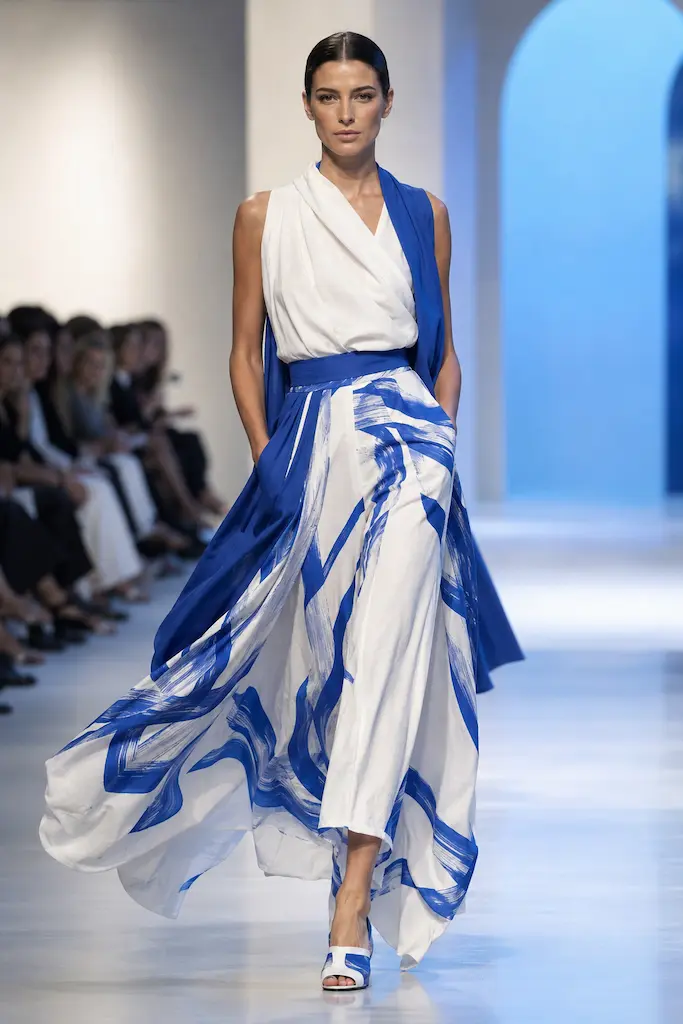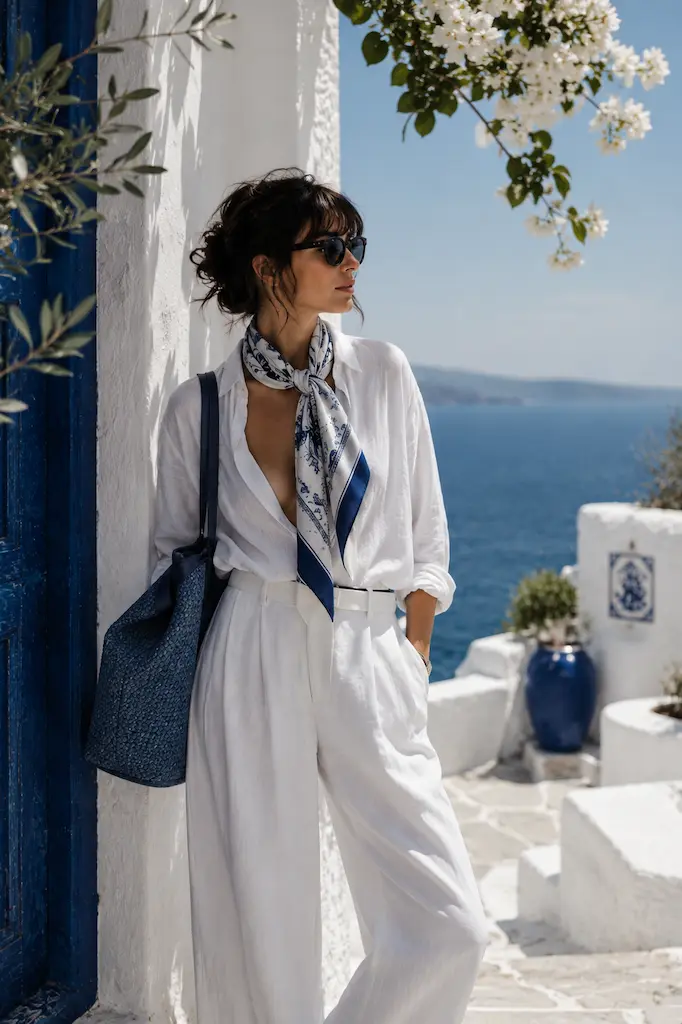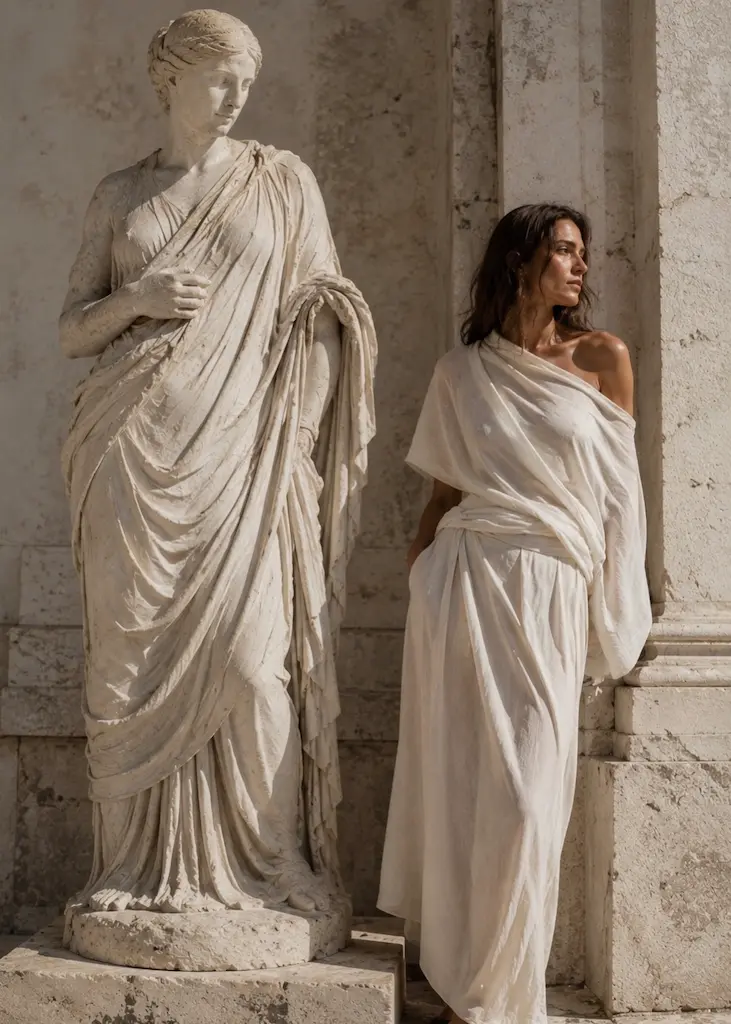
California made comfort look effortlessly cool. Now that easygoing spirit is finding its place under the Mediterranean sun.
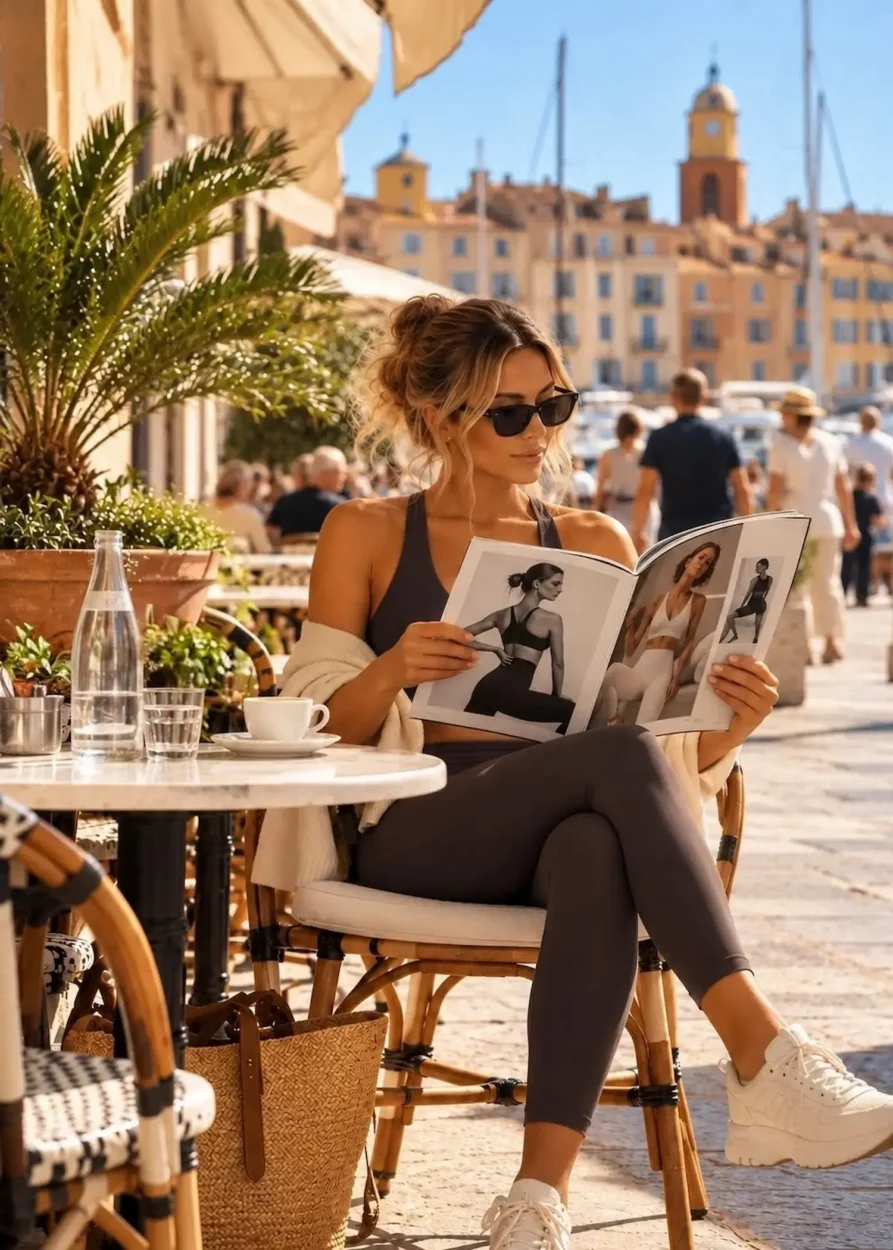
Italy, France, Spain—we know you can dress a woman elegantly and make almost any color look beautiful. But can you make a sweaty woman still look good in workout clothes? California can. Somewhere between the surf break, the yoga studio and the coffee run, the state did something more consequential than invent another casual uniform: it made working out itself fashionable.
Exercise here rarely behaves like a separate appointment, although it may require its own wardrobe section. A morning run turns into a coffee stop and a chat with a friend; Pilates comes before an errand; a beach walk turns into lunch; lunch somehow becomes three other things because this is California. Apparently nobody is in a rush to go home. The clothes followed the life—comfortable enough to move in, polished enough not to change out of. Dressing down stopped suggesting that you hadn’t tried and began suggesting that perhaps you had already done quite a lot.
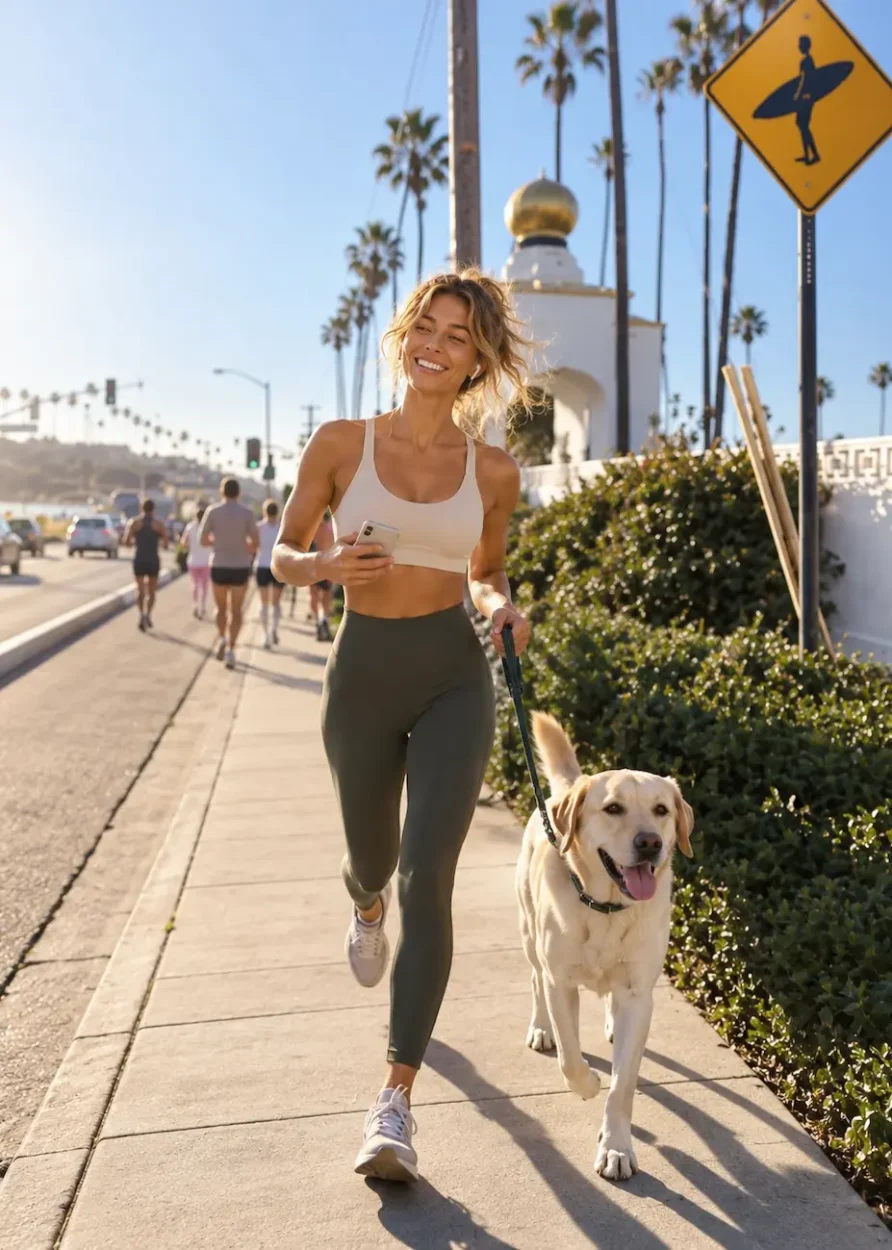
Vuori is perhaps the purest expression of that idea. Full disclosure: VeniS Atelier is in Encinitas too, so hometown bias may be suspected. We would deny it, naturally, except Vuori rather inconveniently makes our point for us. The company was born here and describes its inspiration as the coastal California combination of fitness, surf, sport and art—not exactly categories that traditionally shared a closet. Encinitas, however, is living proof that the combination works.
Its distinction was never simply making better-looking gym clothes. Vuori built clothing around a Southern California day in which movement and ordinary life are difficult to separate, and its aesthetic is correspondingly quiet: fewer visual declarations of athleticism, more clothes that happen to perform when required. The message isn’t I am going to the gym. It is closer to I live this way. And yes, we like that.
That distinction matters because Europe hardly needed California to explain attractive sportswear. Spain’s Oysho has sophisticated collections for running, yoga, Pilates, tennis and padel, plus running clubs in cities from Barcelona and Palma to Milan and Athens. Europe already knew how to make technical clothes look good. California’s contribution was making the healthy routine itself part of personal style.
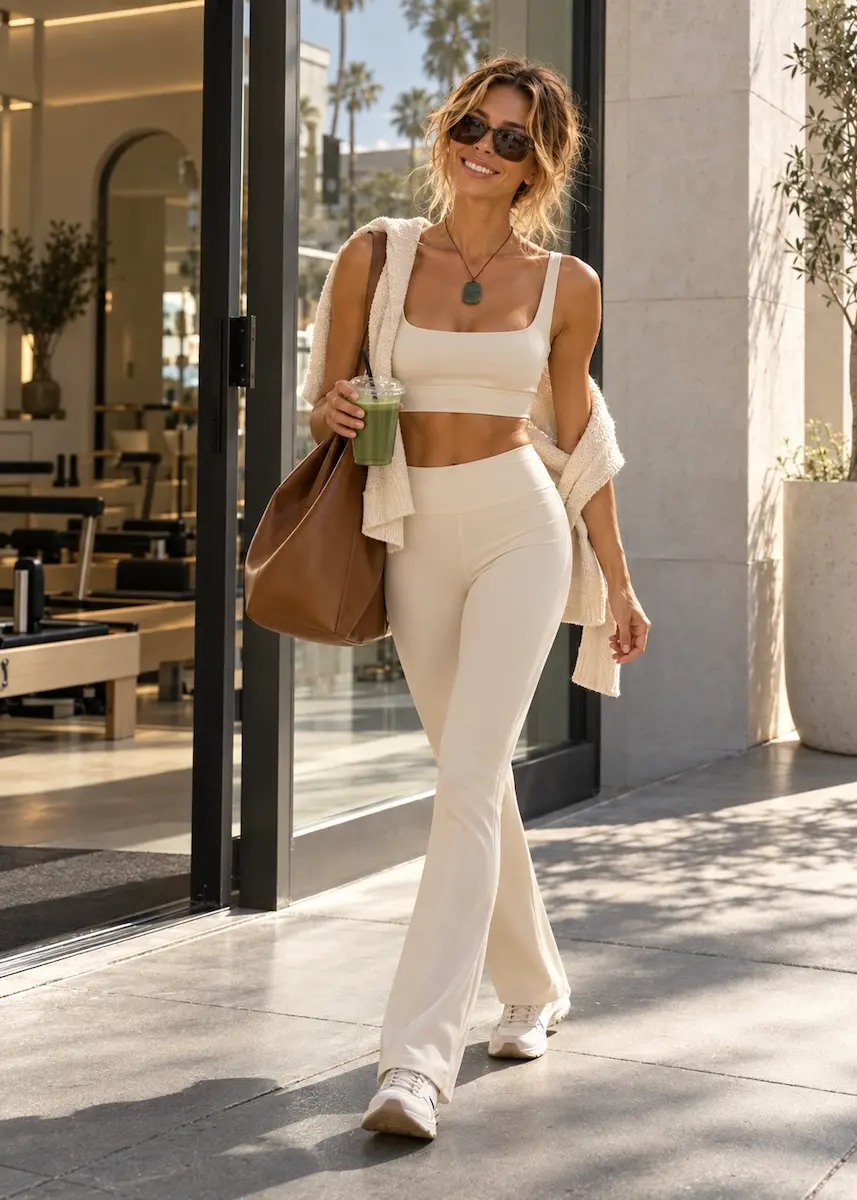

If Vuori is the Encinitas version—surf, training, coffee, repeat—Alo is what happens when Los Angeles gets involved and decides the whole thing could use better lighting. Founded in LA, Alo built itself around “studio-to-street,” turning yoga wear into something designed to survive well beyond yoga. The body, the routine, the clothes, the wellness ritual and the social life gradually became one highly photogenic package.
And then, rather than California looking to established European labels, California wellness began making its own way toward the Mediterranean. In 2026, Alo opened in Cannes and Saint-Tropez, staged resort experiences in Saint-Tropez and Bodrum, and stationed a 72-metre yacht around Cannes and Monaco offering Pilates and recovery treatments. Somewhere along the way, stretching acquired maritime support. The yacht may not be the most obvious fitness venue, but it made the point beautifully clear: Alo isn’t merely exporting leggings; it is exporting the California fantasy surrounding them—that taking care of the body can be pleasurable, visible, social and perfectly compatible with luxury. You needn’t hide the workout before presenting yourself to the world. The workout is now part of the presentation.
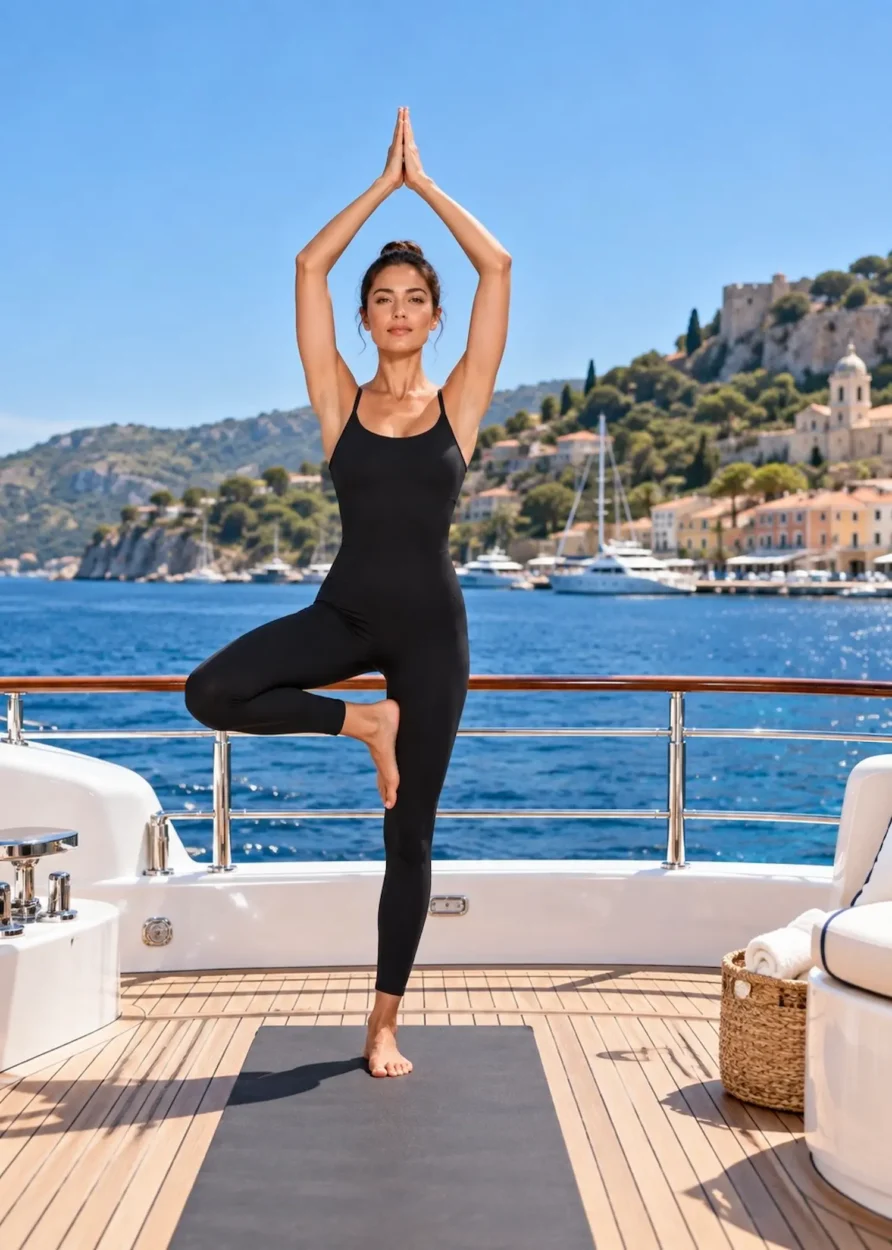
That idea finds a surprisingly natural audience on the Mediterranean. These cultures already understand outdoor life, beautiful bodies, walking, swimming, cafés, sunshine and the peculiar importance of looking respectable even when claiming not to care. What California adds is constant movement: health as routine rather than project, comfort without apology and clothing capable of keeping up.
The difference is subtle but important. Mediterranean chic traditionally asks how beautifully you can dress for life. California cool asks how little life has to be placed on pause while you get dressed. One celebrates the well-cut jacket at lunch; the other would quite like to arrive at lunch directly from Pilates and still be invited back.
And this is why calling the phenomenon simply athleisure feels inadequate. Athleisure sounds like a category invented in a merchandising meeting. What California developed was closer to a social code: sneakers are acceptable, technical fabric is acceptable, comfort is acceptable—and looking as though you take care of yourself can be more desirable than looking formally dressed.
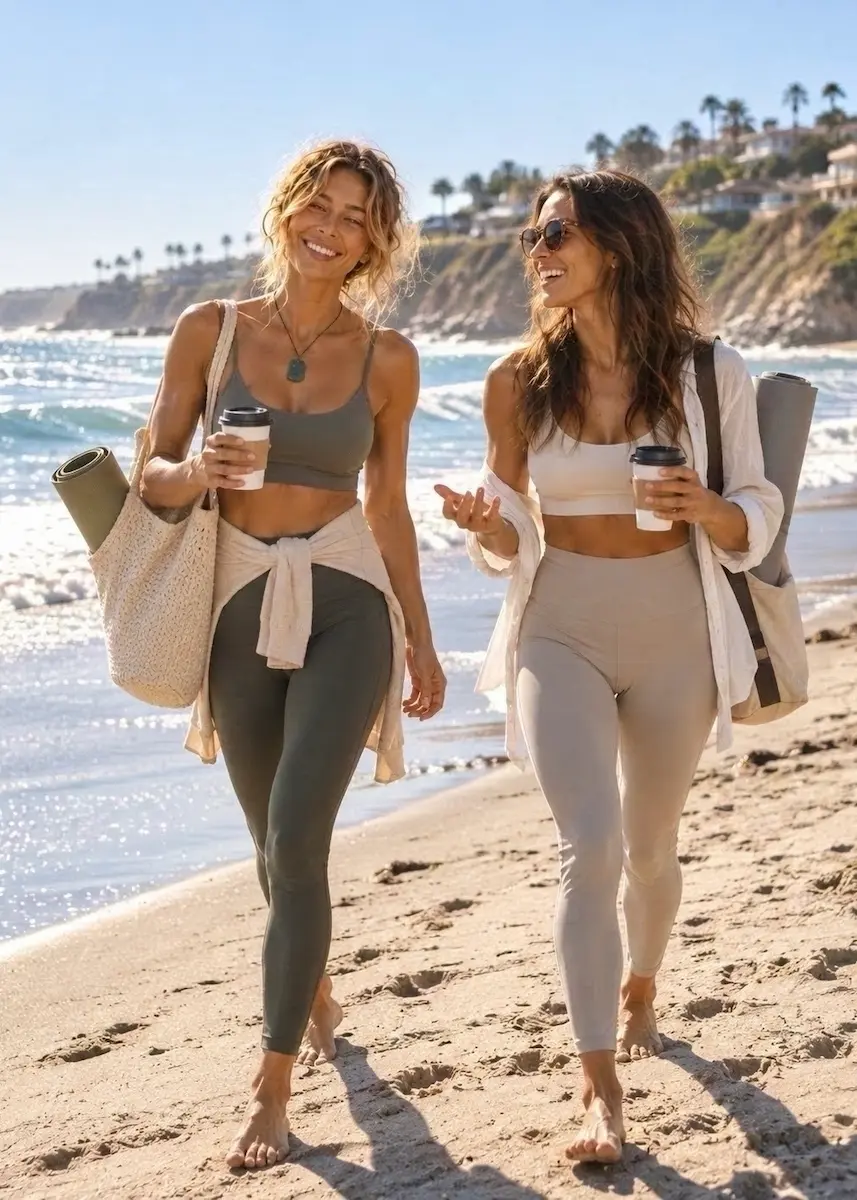
For generations, California looked across the Atlantic for lessons in style. Italy gave us tailoring and sprezzatura; France made effort look effortless; Spain has never been particularly frightened of a well-dressed woman. California’s response was less ceremonious: what if looking good didn’t require stopping what you were doing?
Now that idea is making the return journey. Not because the Mediterranean suddenly needs lessons in leisure, but because California attached something new to it—movement, fitness, comfort and the visible pursuit of feeling well. The Mediterranean taught us how to look chic while living beautifully. California may be teaching us how to look cool while living at full speed.
And occasionally, while sweating.