
Why California surfers, Mediterranean markets, and crowded coastal promenades reveal that a good weekend morning has very little to do with doing nothing.
Monday morning has a public relations problem. The alarm rings, the phone lights up, traffic is already developing opinions, and coffee becomes less a pleasure than equipment. By the time most people notice the morning, someone else has scheduled half of it. Then Saturday arrives, and something peculiar happens: people voluntarily wake up even earlier.
Along the California coast, surfers are checking the waves before sunrise, cyclists are already moving along the waterfront, and cafés are filling with people who apparently couldn’t wait to get out of bed. Across the Mediterranean, markets are opening, fishing boats are returning, and neighbors are making the first of several trips for bread, vegetables, and coffee. None of this looks particularly restful. Yet these are the mornings people spend the entire working week looking forward to.
California's Six O'Clock Contradiction
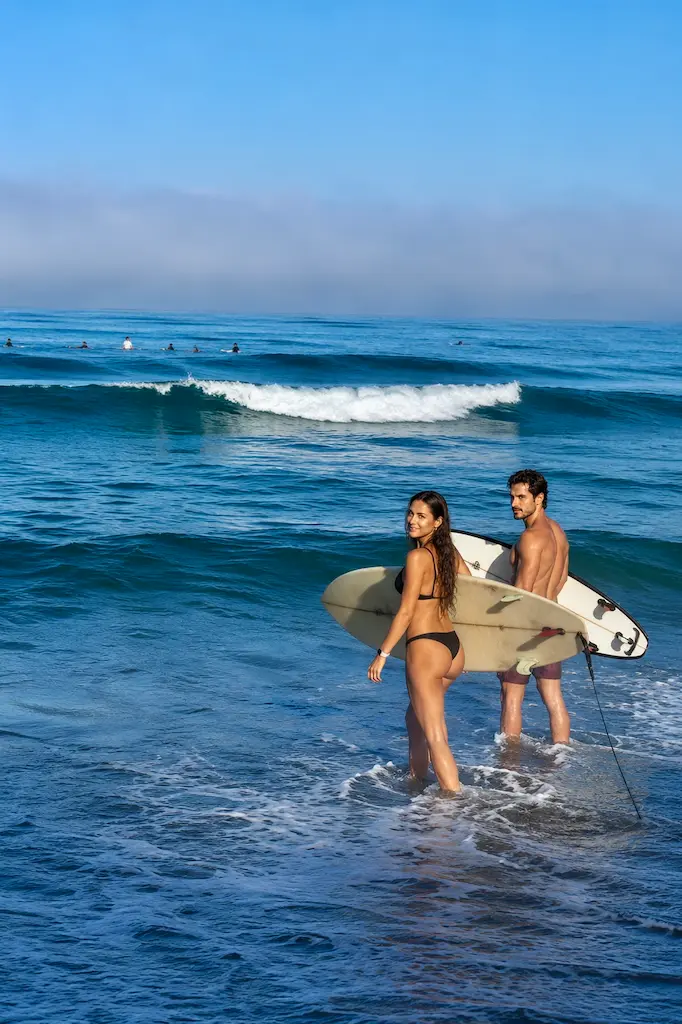
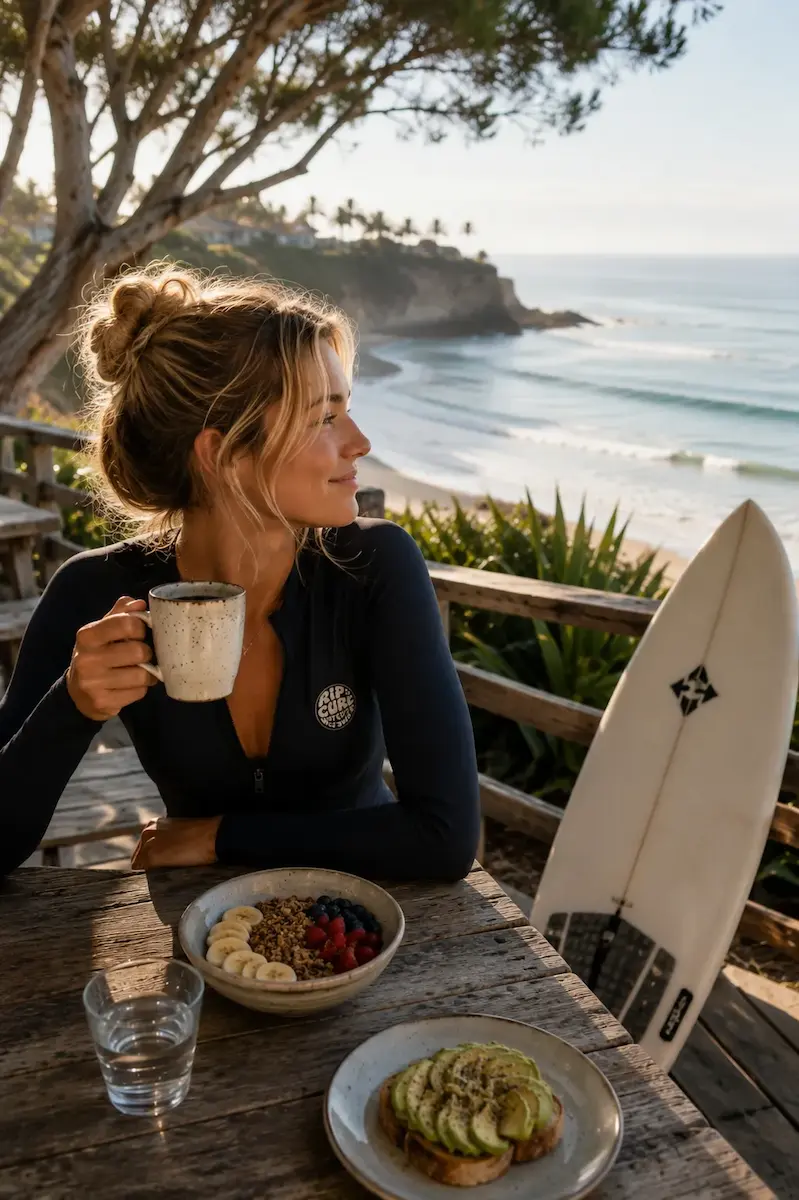
California surfers have a name for getting into the water at first light: dawn patrol. Early mornings can bring favorable winds and cleaner waves, although the ocean makes no guarantees. The same person who considers a weekday alarm an act of cruelty may regard getting up at five-thirty to paddle into cold Pacific water as an excellent beginning to Saturday. Evidently, inconvenience is much easier to tolerate when you choose it yourself.
This is one of California’s more interesting contributions to contemporary coastal life: recreation can be remarkably demanding. Surfing, cycling, beach volleyball, and morning runs require effort, preparation, and occasionally an unreasonable collection of equipment. Yet none feels quite like a weekday obligation. The difference is not that the activity is easy, but that the decision belongs to the person doing it.
The Mediterranean Has Been Busy All Morning
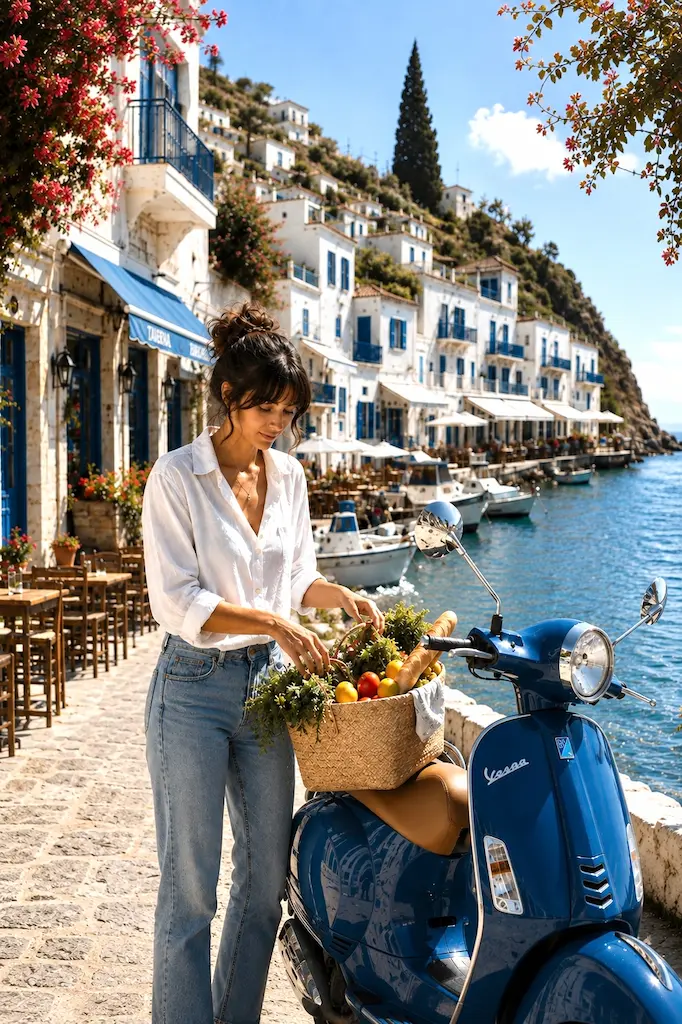
Markets are one of the clearest examples. In Nice, Cours Saleya fills with local fruit, vegetables and flowers through the weekend, right in the old town near the sea. In Cannes, Forville Market comes alive in the morning with Provençal produce and fresh fish. These are technically places to buy groceries, yet nobody looking at a crowded Mediterranean market on a Saturday or Sunday morning would mistake the experience for racing through a supermarket with a list and twelve minutes to spare. Buying lunch has become part of the morning itself.
What makes these markets interesting isn’t simply their beauty. They belong to an urban tradition in which shopping, socializing, and public life occupy the same streets and squares. A market is a place to encounter the neighborhood, not merely collect its produce. California’s farmers markets have developed a similar social role, though with their own combination of coffee stands, local growers, flowers, and people who seem to know absolutely everyone.
There is, however, one distinction worth remembering. The shopper browsing tomatoes on a Sunday morning is enjoying leisure; the person who grew them, transported them, or arranged them before dawn is working. A charming coastal ritual looks considerably less effortless from behind the stall. The pleasure of these mornings depends partly on the work of people who do not necessarily have the weekend off.
Why the Coast Pulls Everyone Outside
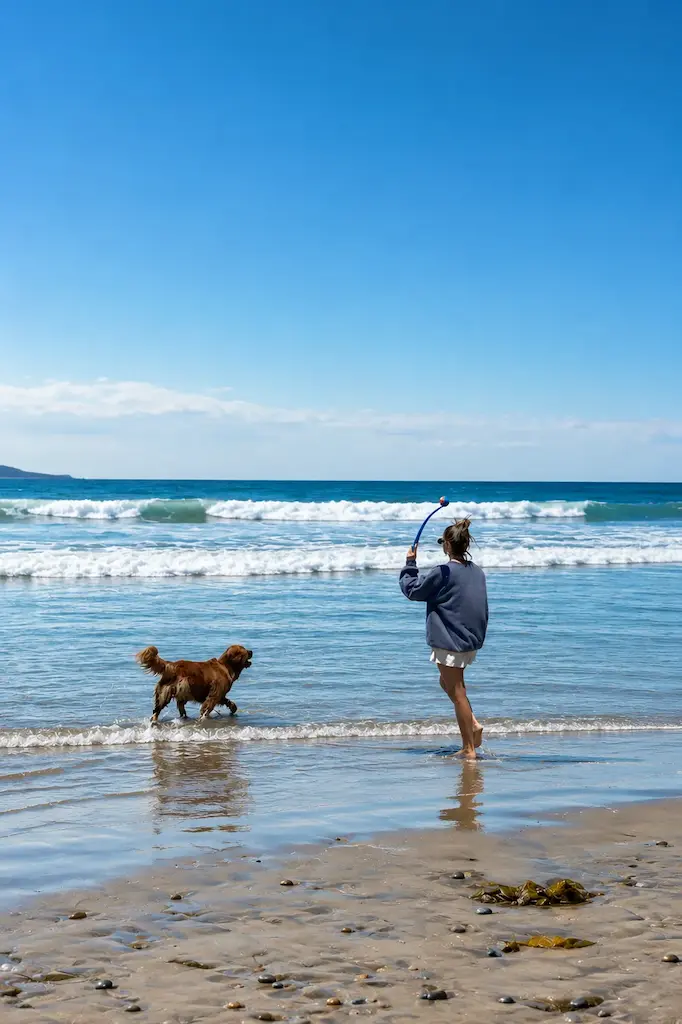
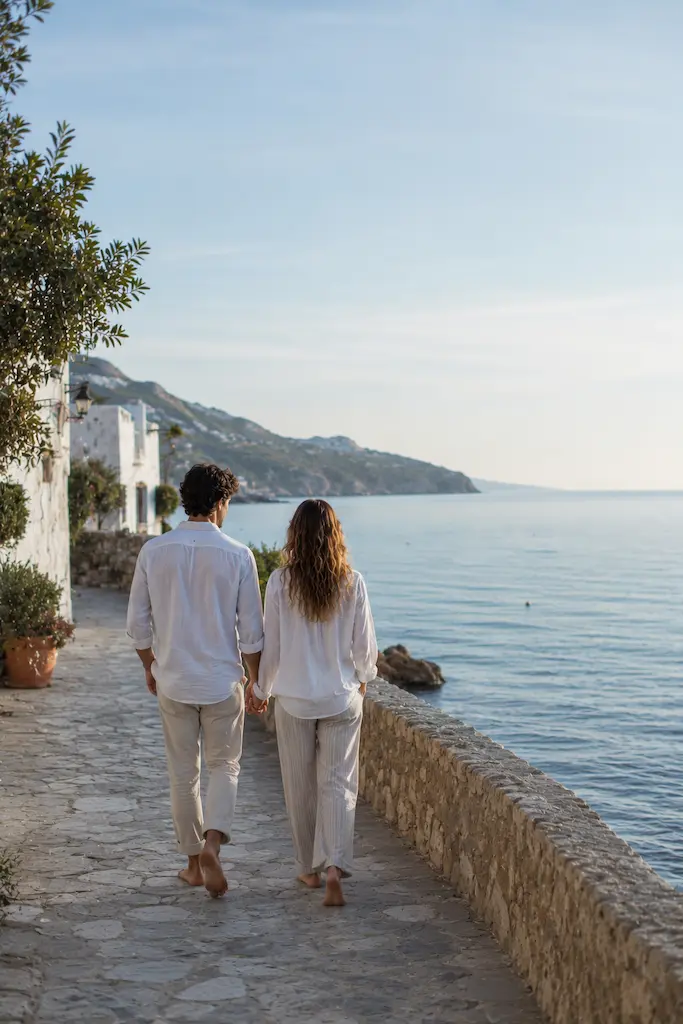
Neither California nor the Mediterranean invented the weekend market, the morning swim, or the pleasure of meeting friends for coffee. What they share is an environment where public life can extend outdoors for much of the year. Beaches, harbors, promenades, terraces, and neighborhood markets become places where the morning unfolds among other people rather than behind closed doors.
The differences are just as revealing. California often begins with movement toward the Pacific: checking the surf, walking along the beach, cycling before breakfast. In many Mediterranean coastal towns, the morning unfolds through familiar public spaces: the bakery, the market, the café, the waterfront promenade. One might start with a surfboard and the other with a shopping basket, but both make ordinary activities feel like occasions worth getting dressed for.
Of course, neither coast is immune to crowds, traffic, overpriced coffee, or the occasional family argument about where to park. Coastal life is still life, with all its inconvenient details. The attraction isn’t that every morning becomes idyllic. It’s that the surroundings offer inviting reasons to participate in it.
The Luxury of Choosing What Comes First
Somewhere along the way, the phrase slow weekend morning became shorthand for a beautiful life. Coffee must be enjoyed slowly, breakfast must be leisurely, and apparently doing absolutely nothing is the ultimate luxury. A lovely idea, except that people who actually live along the coast often have quite different plans. By ten o’clock, they may already have swum, shopped, met friends, and organized lunch.
Perhaps that is why these mornings feel different from weekdays. Monday asks what must be done before everything else can begin. Saturday asks what deserves to happen first. That small change transforms an early start from an obligation into an opportunity.
The best coastal weekends are not necessarily quieter, slower, or less productive. They may be full of errands, conversation, physical effort, and a surprising amount of movement. What distinguishes them is the freedom to decide which of those things is worth the trouble.
The luxury was never sleeping late. It was choosing what was worth getting up early for.
More Great Stories From VeniS Atelier