The Most Impractical Color We Refuse to Give Up
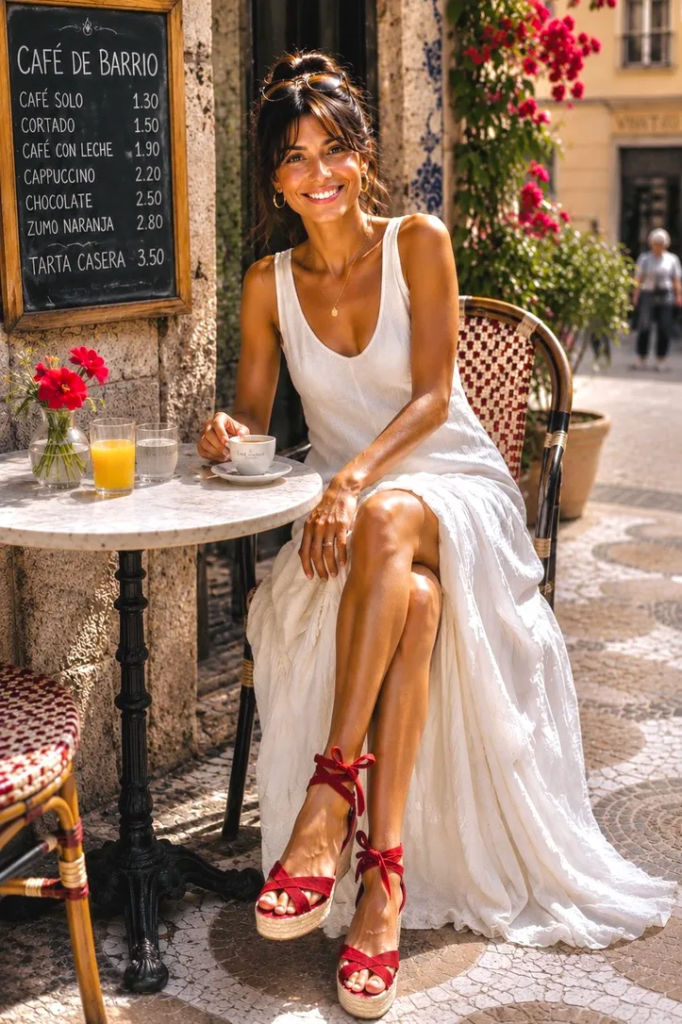
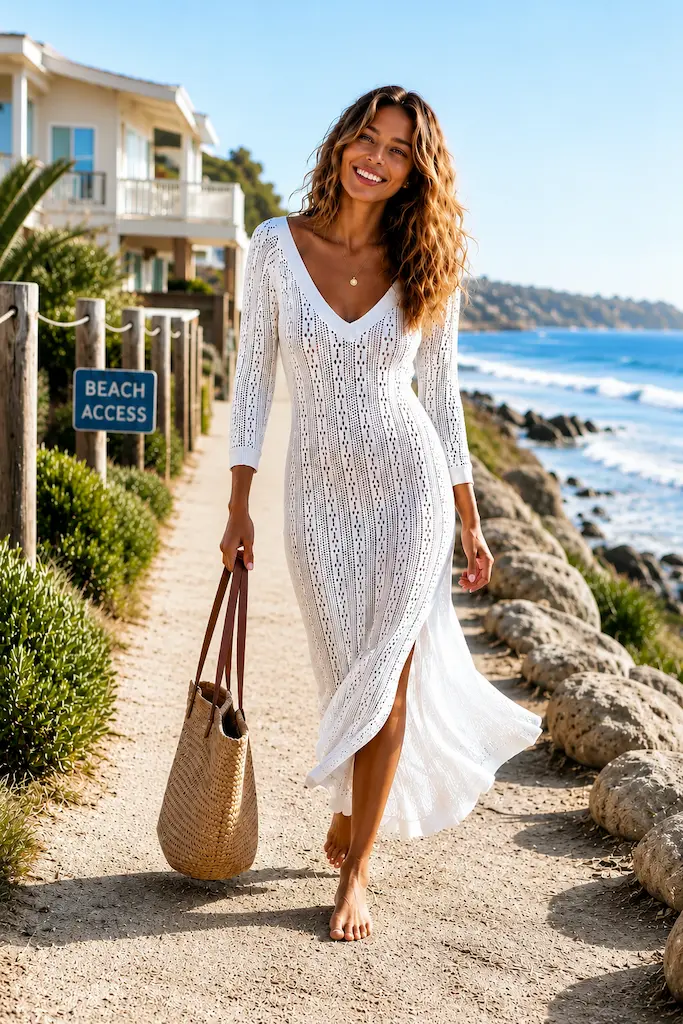
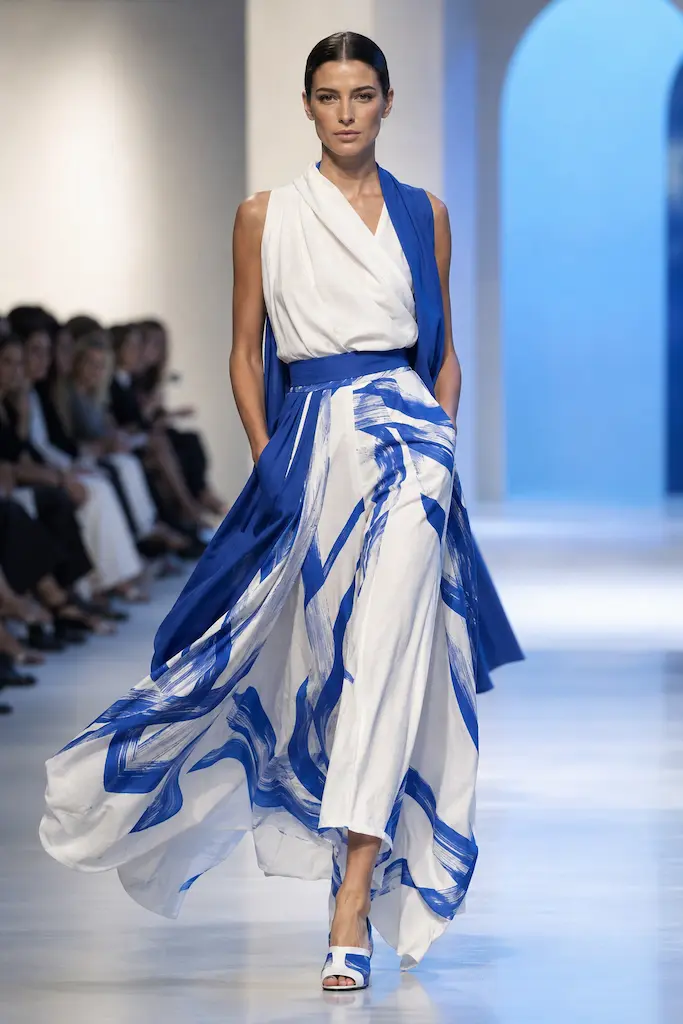
There are sensible colors. Navy forgives. Black conceals. Denim understands that life happens. And then there is white. White shows the espresso you drank, the tomato you ate and quite possibly where you sat. It has absolutely no interest in protecting your dignity. Yet every summer, we willingly pull it from the wardrobe again: white shirts, white jeans, white linen trousers, white dresses, even white swimsuits for the particularly fearless. Perhaps that is exactly why we love it. White has never been the practical choice. It is the optimistic one.
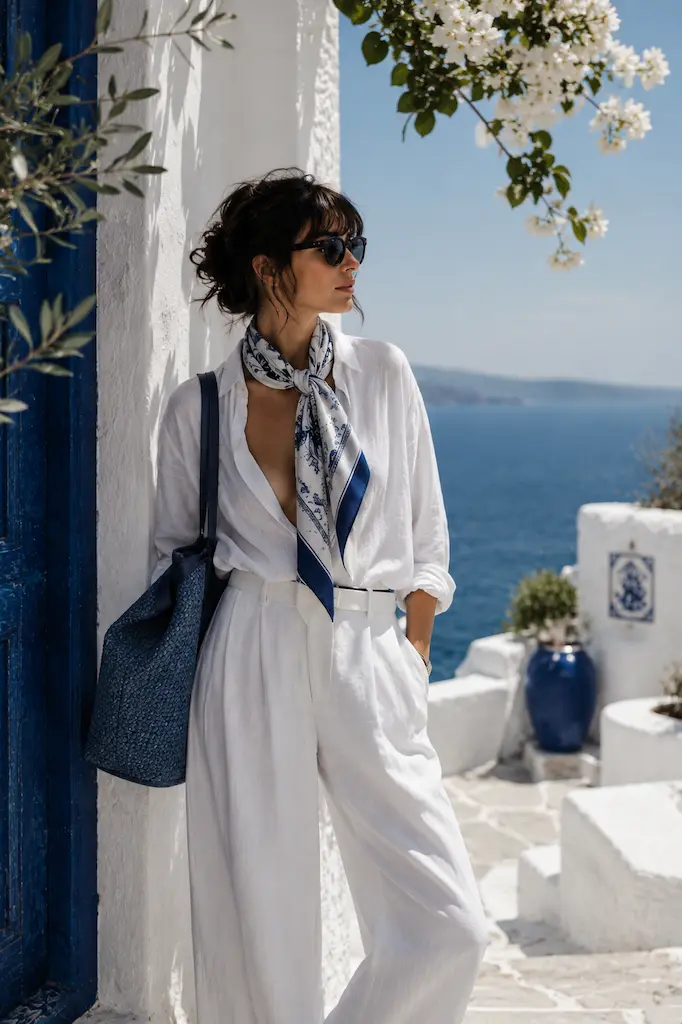
Put white anywhere near the sea and suddenly it makes sense. Against blue water, sun-bleached stone, striped umbrellas, weathered wood and a cloudless sky, white does not look empty. It looks alive. Coastal places have understood this for generations. White reflects strong sunlight and works naturally with lightweight summer fabrics, but there is also something visual happening. The coast already gives us plenty to look at: blue water, green shutters, terracotta roofs, bougainvillea, boats, cliffs and sand. White knows when to stop talking. It is probably the only color capable of making an entrance while simultaneously claiming it was not trying.
That may explain why it moves so easily from a Greek island to the Italian coast, from the South of France to Southern California. The architecture changes, the landscape changes and the accents certainly change, but the white shirt survives. It belongs almost everywhere the sun is strong, the air is warm and life tends to drift outdoors.

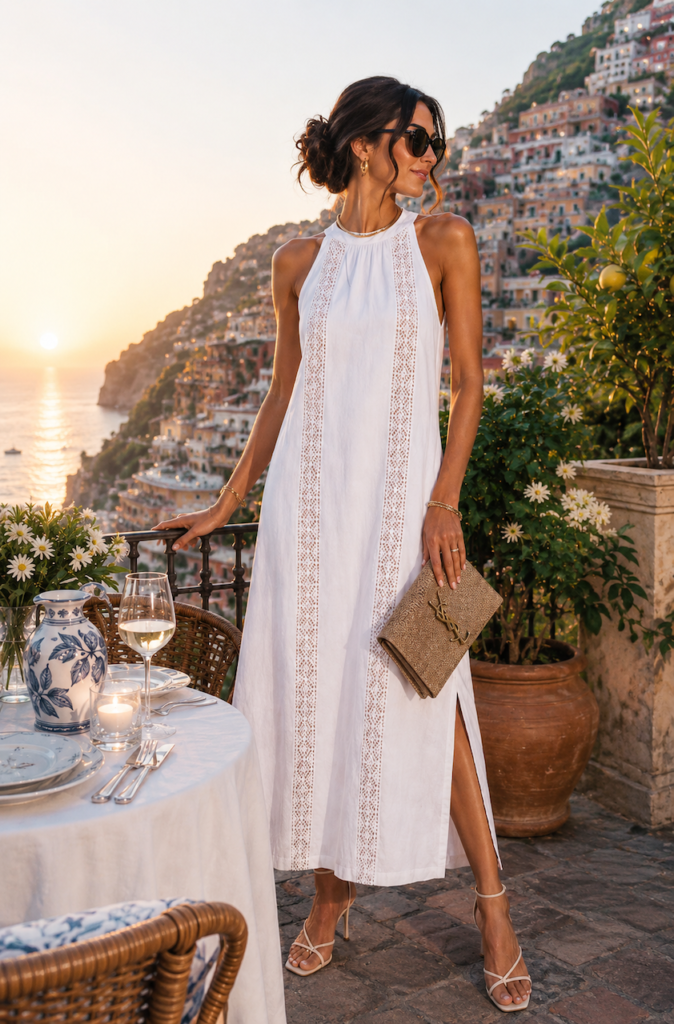
The secret to wearing white is to stop trying to keep it perfect. Perfect white can feel ceremonial. Slightly rumpled white feels like summer. Linen should wrinkle. Cotton should soften. Canvas should fade. Crochet should have texture. Raffia should look as though it has actually been carried somewhere rather than removed from a box five minutes ago. This is where white becomes interesting.
A white linen shirt with white trousers can look flat if everything is immaculate and identical. Mix chalk with cream, crisp cotton with rumpled linen, crochet with denim, satin with a chunky knit, and suddenly white has depth. Texture does the work that color usually does, which is convenient because summer is not really the season for complicated dressing. If an outfit requires seventeen pieces and architectural planning, perhaps we have misunderstood summer.
Then there are white jeans, which deserve their own moment because white jeans are an act of confidence bordering on fiction. They suggest that you will not spill anything, lean against anything or encounter a dirty chair, an enthusiastic dog, a questionable car door or pasta with tomato sauce. And somehow, despite decades of evidence to the contrary, we continue buying them. Maybe white jeans are less a garment than a declaration of intent: today, I will be careful.
We will not be. But they look wonderful with an oversized shirt, a striped knit, an espadrille, a canvas tote or almost anything slightly less polished than they are. The trick is never to make white jeans look precious. They need something relaxed around them. They also need access to a washing machine.
And then there is the old American rule about not wearing white after Labor Day. Of all the fashion rules we have inherited, this one may be the most oddly specific. Not the first cold day. Not the first storm. Labor Day. Apparently a federal holiday could also tell your trousers what to do.
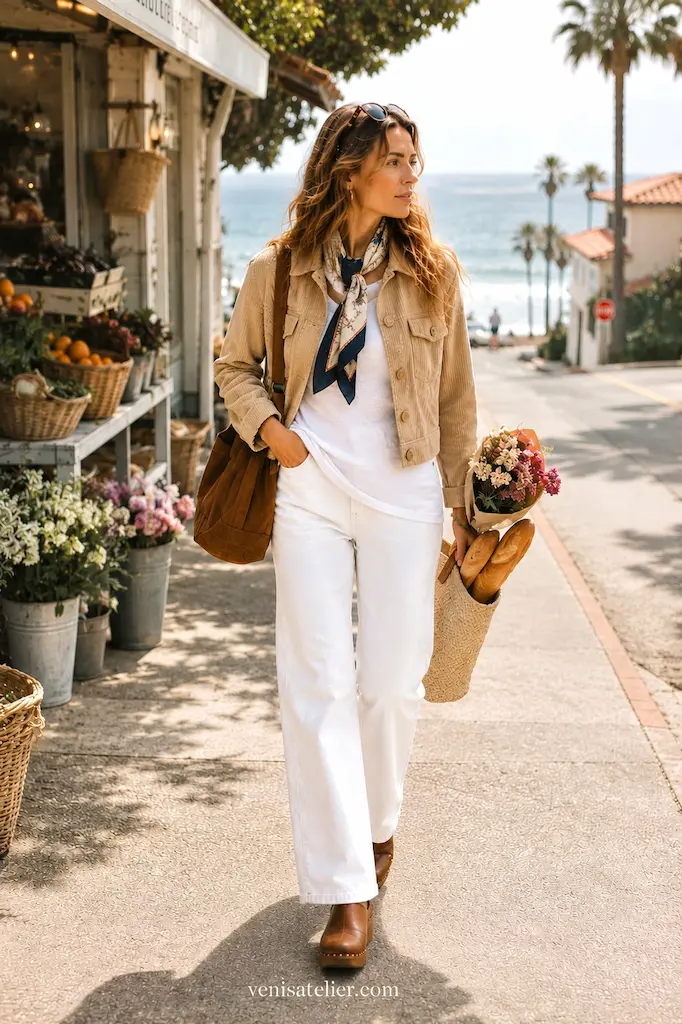
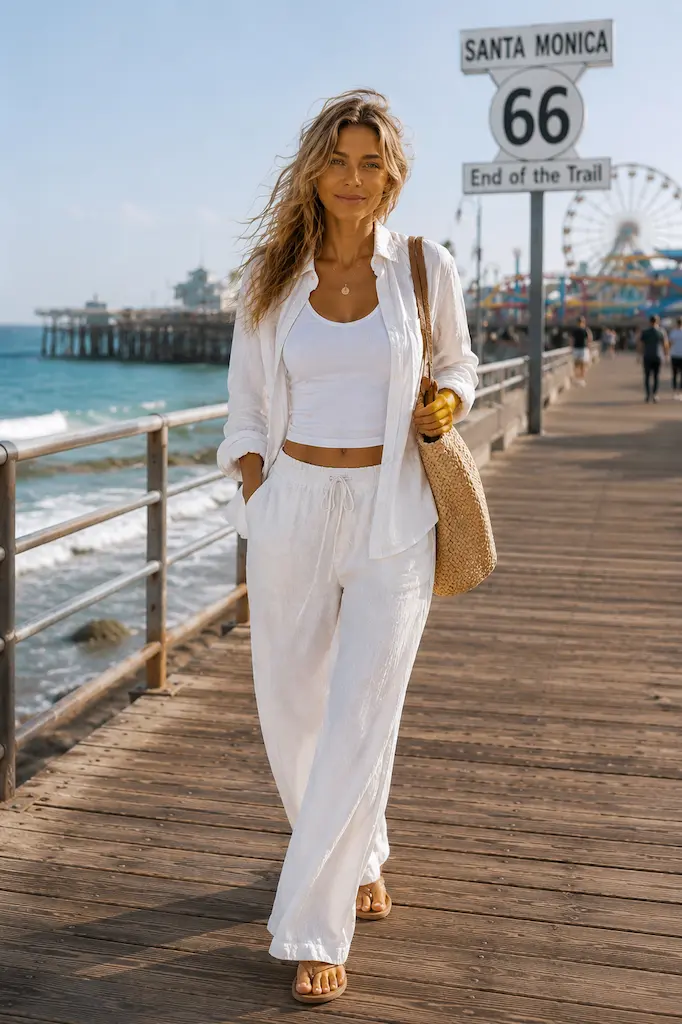
The tradition developed from older seasonal dressing habits among wealthy Americans who left cities for summer resorts and returned in early autumn. Light clothing belonged to summer life, while darker, heavier wardrobes returned with the city. Over time, a practical seasonal shift hardened into etiquette: no white after Labor Day. Fair enough in an era of dirtier streets, limited climate control and wardrobes governed by far more rules than ours. Less convincing now.
September in California has clearly never received the memo. Neither, for that matter, has much of the Mediterranean. And winter white has long since destroyed the argument anyway. Cream cashmere, ivory denim, white wool and pale corduroy do not suddenly become inappropriate because somebody has put a pumpkin on the porch. The fabric matters far more than the color.
So yes, wear white after Labor Day. Wear it in October. Wear it in January. If February presents a convincing white-trouser opportunity, take it. The calendar will recover.
Perhaps white is not really a summer color at all. Maybe we have simply been thinking about it incorrectly. A breezy linen dress belongs to warm weather because it is linen and because it is breezy, not because white has been granted summer residency. A white cashmere sweater can belong beside a fireplace. White denim works beautifully in autumn. An ivory cardigan has never looked at a calendar in its life.
Designer’s Note
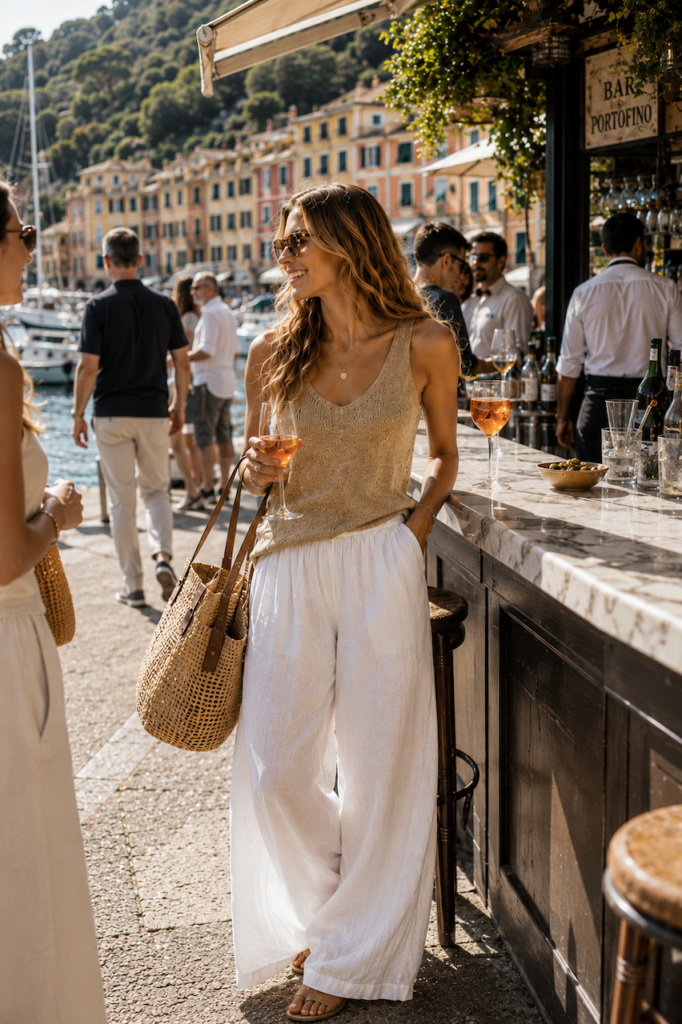
White is one of the easiest colors to wear, yet the difference between looking coastal and looking overly formal often comes down to texture and styling. The Caliterranean approach combines California’s relaxed attitude with Mediterranean elegance. Rather than wearing white from head to toe in matching fabrics, mix textures. Pair a crisp cotton shirt with linen trousers, a lace dress with woven accessories, or a silk camisole with relaxed denim. The contrast keeps white feeling lived-in rather than precious.
Natural materials are essential. Linen, cotton, silk, raffia, straw, canvas, and woven accessories bring warmth and character to an otherwise simple palette.
Accessories should feel collected rather than coordinated. A woven market tote, espadrilles, comfortable clogs, delicate jewelry, or sunglasses resting in the hair add personality without overwhelming the look.
The most successful white outfits also embrace imperfection. Linen wrinkles, sun-faded canvas, and slightly oversized silhouettes create the relaxed elegance found throughout both California beach towns and Mediterranean harbors.
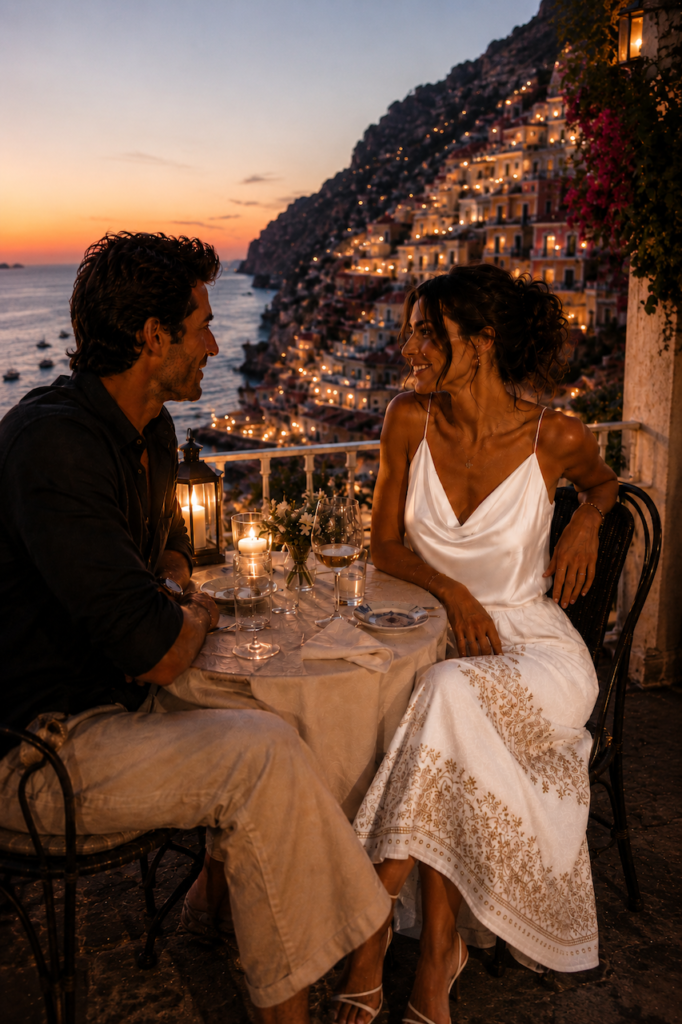
For those building a small coastal wardrobe, focus on versatile pieces rather than occasions. A white cotton shirt, linen trousers, a relaxed daytime dress, and one elegant evening piece can create countless combinations throughout the season. Most importantly, let white be the canvas rather than the statement. The beauty of Caliterranean style comes from what surrounds it—the sunlight, the sea, the texture of natural fabrics, and the ease with which it moves from morning coffee to dinner overlooking the water.
DID YOU KNOW?
Artists Had a Thing for White, Too. Painters discovered one of white clothing’s best qualities long before summer wardrobes did: white is never really just white. It absorbs the colors around it, turning blue beside the sea, lavender in shadow, cream in late sun and almost silver beneath a bright sky.
Joaquín Sorolla made this practically a specialty. In Strolling Along the Seashore (1909), two women dressed in white move along the Valencian coast, their clothes catching blue, violet and warm reflections from the beach and water.
Claude Monet used the same trick in paintings such as Woman with a Parasol, where a pale dress becomes a surface for changing daylight rather than a perfectly flat block of white.
And John Singer Sargent understood that white could be surprisingly dramatic. In Carnation, Lily, Lily, Rose, the girls’ pale dresses shift with the strange pink-blue light of twilight.
Look closely at great white outfits in paintings and very little of the fabric is actually painted pure white. Perhaps that is the secret: white doesn’t compete with summer light. It gives the light somewhere to land.
CONTINUE EXPLORING
Inspired by this story? Continue your journey with Coffee, Cream & Coastal Style →