A Guide to Building a Coastal Kitchen
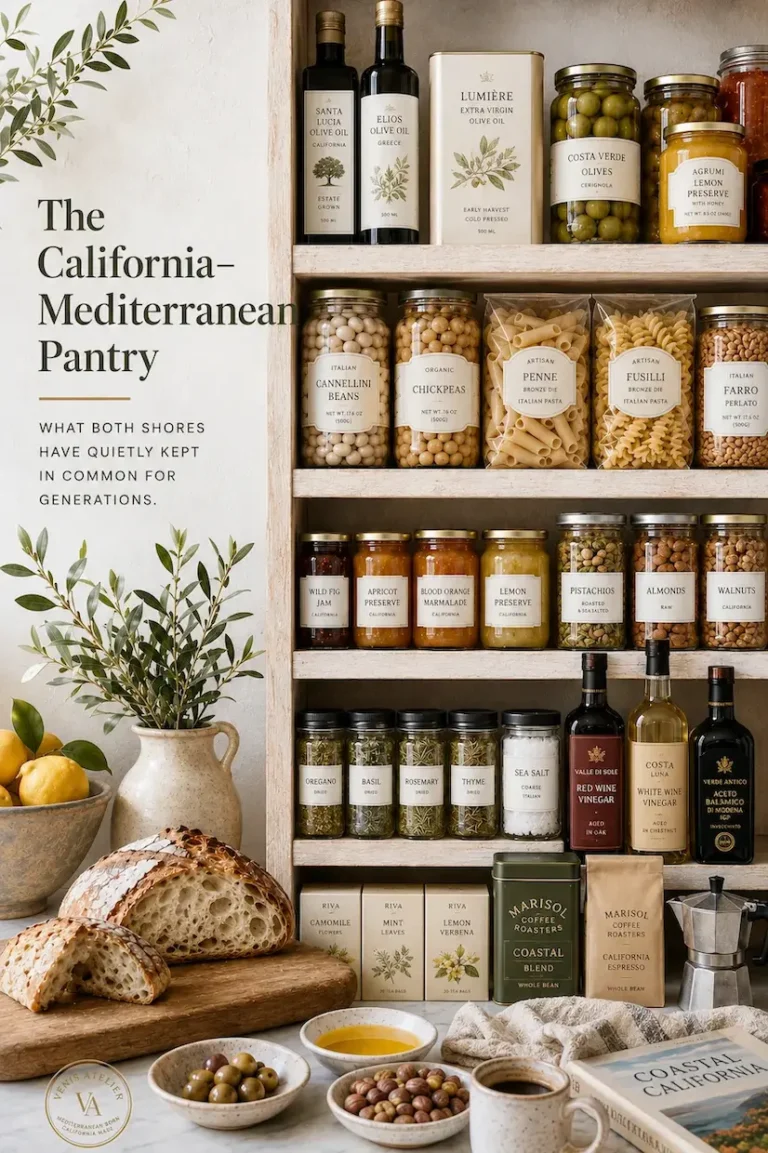
There is a certain comfort in opening a well-stocked pantry. Not because every shelf is full, but because it quietly promises that dinner is already halfway decided. A bottle of olive oil waiting beside a loaf of bread. A bag of pasta that somehow rescues a busy evening. A jar of beans for the days when the refrigerator offers little inspiration. A handful of almonds to snack on while wondering what to cook. Even the coffee seems reassuring, patiently waiting for tomorrow morning as though it knows you’ll be back.
A good pantry isn’t about abundance. It’s about possibility. It gives everyday cooking confidence, allowing simple ingredients to become beautiful meals without a carefully planned shopping list. That quiet confidence is something California and the Mediterranean have shared for generations.
Spend time in homes along the Mediterranean coast and these ingredients appear with remarkable consistency. Cross the Atlantic to California’s coastal communities and you’ll notice many of the same familiar faces waiting on pantry shelves. The recipes may change. The languages certainly do. Yet the foundations remain surprisingly alike.
Part of that connection comes down to geography. California shares a Mediterranean climate—one of only five in the world—where long, dry summers, mild winters, and fertile valleys create ideal conditions for many of the same ingredients that have quietly shaped Mediterranean kitchens for centuries.
Olive Oil: The Beginning of Almost Everything
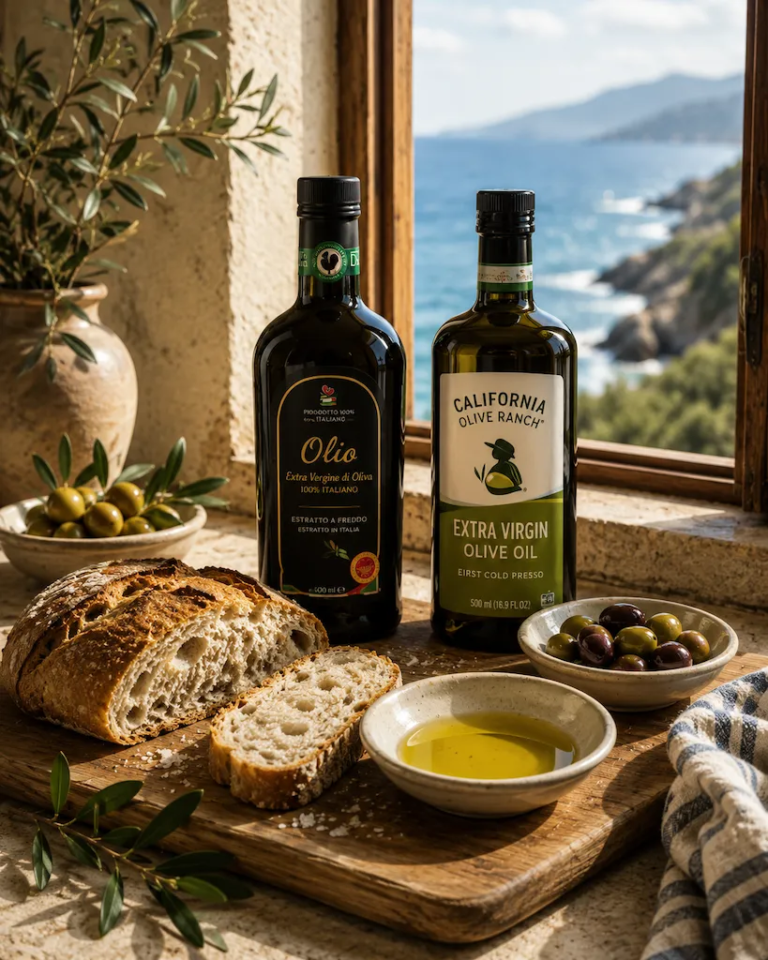
If one ingredient defines the California–Mediterranean pantry, it is olive oil. In much of the Mediterranean, nobody reaches for olive oil because a recipe demands authenticity. They reach for it because that’s simply what’s sitting on the kitchen counter. Bread is dipped into it without a second thought, vegetables are roasted with it, fish is finished with it, and salads receive a generous pour that would make some recipes rather nervous.
California has adopted the same habit. Today, exceptional olive oils come from groves stretching across Sonoma, Paso Robles, Napa Valley, and the Central Coast. The labels may be different, but the philosophy is instantly familiar: begin with the best ingredients you can find, then try very hard not to overcomplicate them.
Grains That Never Go Out of Style
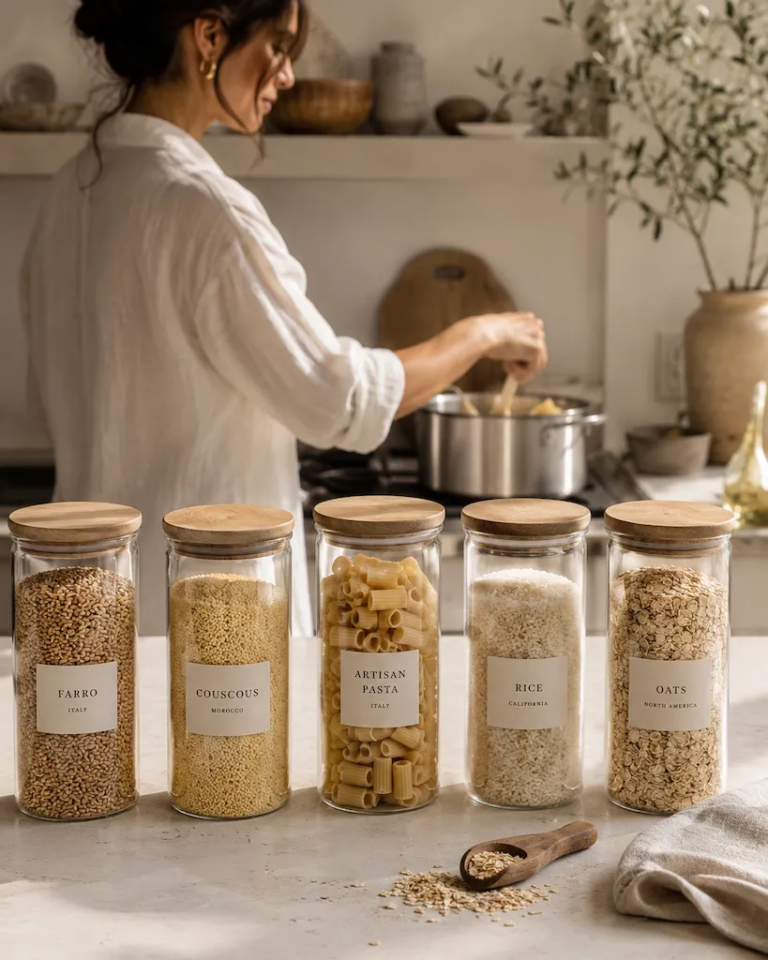
Long before anyone called them “ancient grains” or “superfoods,” farro, couscous, artisan pasta, rice, and oats had already earned permanent places in Mediterranean kitchens. Not because they were fashionable, but because they worked. A handful of pasta with garlic and olive oil has rescued countless weeknight dinners. Farro becomes soup. Couscous happily carries grilled vegetables, herbs, or whatever the season happens to offer. These ingredients have remained unchanged because they were never designed to impress anyone — they were designed to feed people well. California kitchens have embraced that same practical simplicity.
The Quiet Heroes of the Pantry
Beans and legumes may never become the stars of glossy cookbooks, yet they have quietly supported coastal kitchens for centuries. Cannellini beans, chickpeas, lentils, butter beans, and white beans ask almost nothing in return for their patience. Left on the shelf for months, they become soups, salads, stews, or satisfying lunches with little more than olive oil, herbs, and a squeeze of lemon. California has also rediscovered what Mediterranean households never forgot: simple ingredients usually outlast food trends.
The Ingredients That Smell Like Home
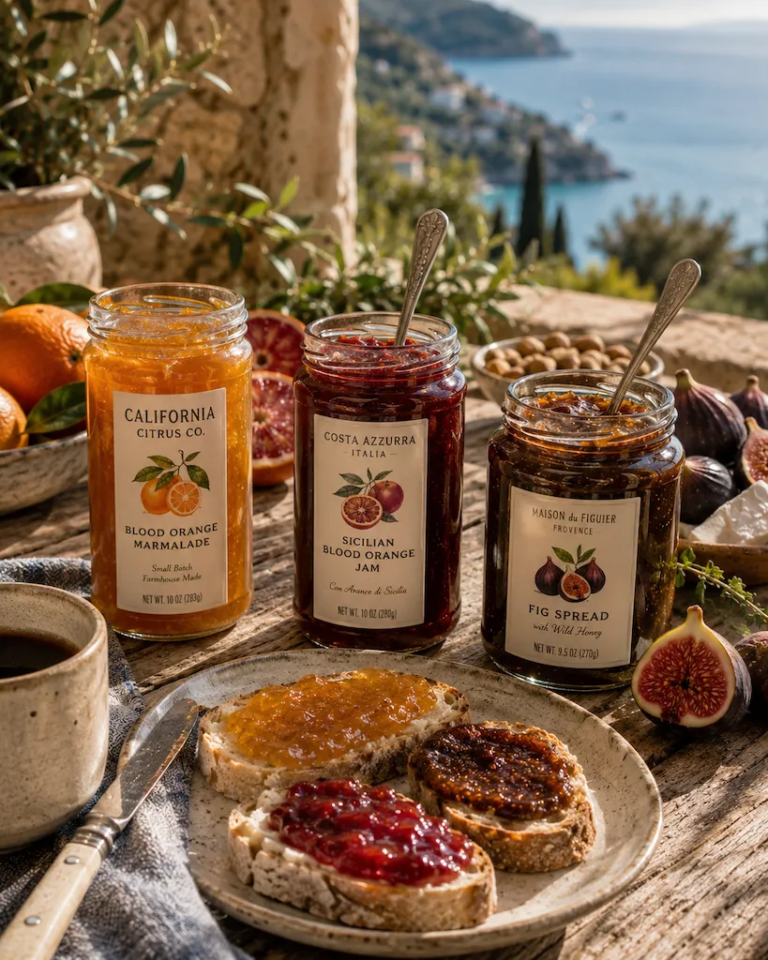
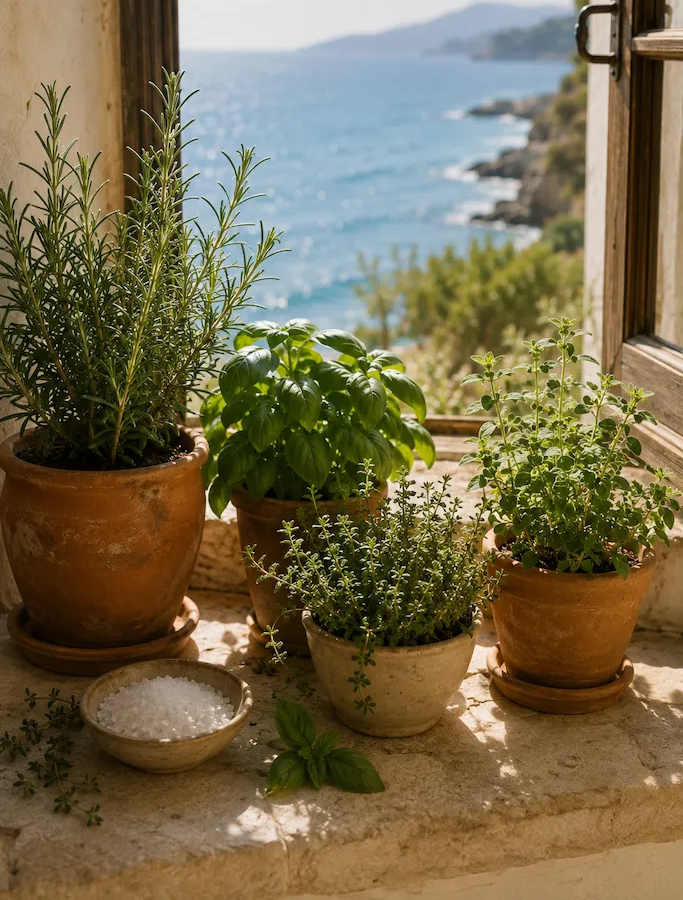
Every pantry has a shelf that tells you exactly where you are. Rosemary, oregano, thyme, basil, bay leaves, garlic, and onions create the unmistakable aroma of coastal cooking. Sea salt quietly improves almost everything without asking for recognition. Vinegars brighten vegetables that looked rather uninspiring only moments before. Preserved lemons, citrus marmalade, and jars of olives somehow manage to bottle sunshine long after summer has ended. They aren’t expensive ingredients. They simply make everyday meals taste like they belong somewhere.
Coffee, Bread & Morning Rituals
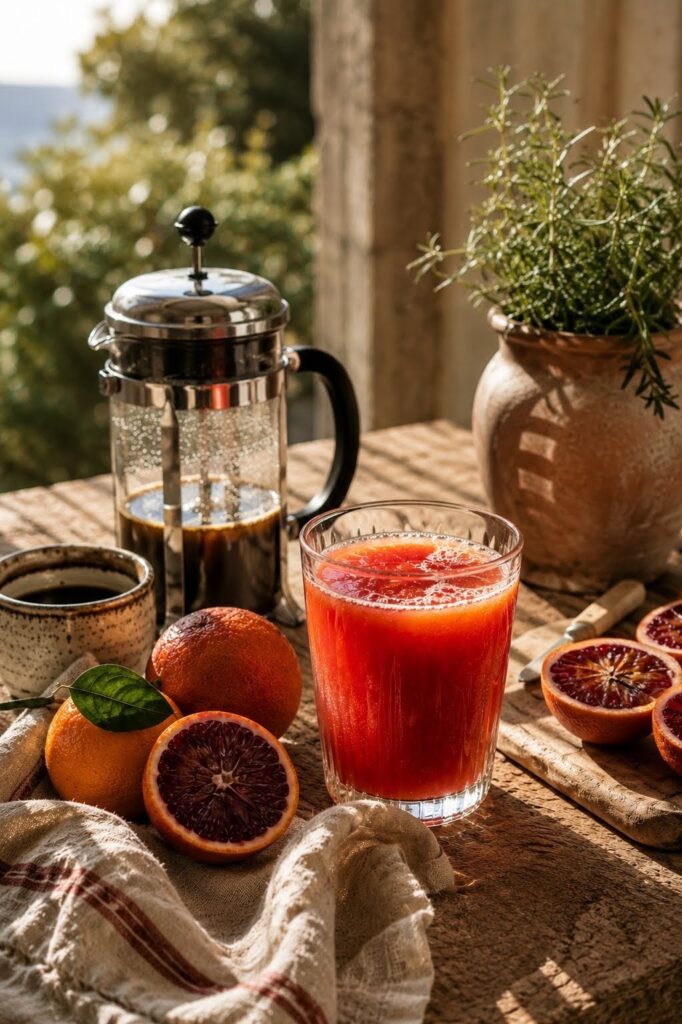
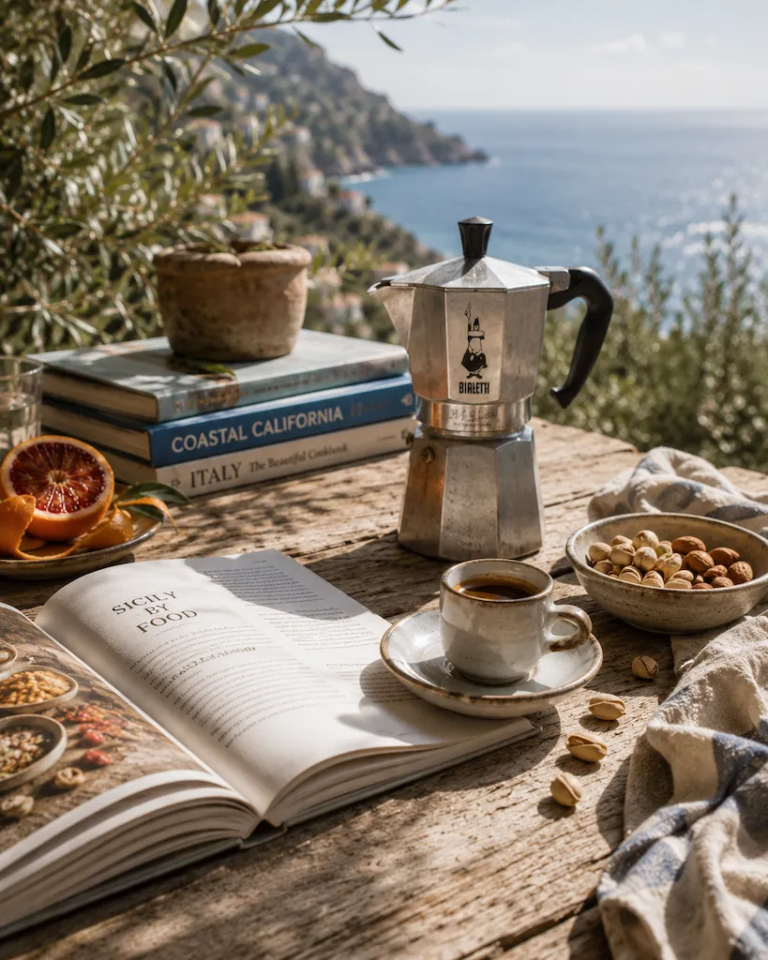
A pantry is really about habits as much as ingredients. In Italy, the morning may begin with an espresso standing at the kitchen counter. Along California’s coast, it often starts with coffee on the patio while the marine layer slowly gives way to blue skies. Or at your local cafe. Somewhere, sourdough is being toasted. Olive oil finds its way onto warm bread. Fresh fruit waits beside a small bowl of yogurt. Someone insists they only came into the kitchen for coffee before quietly assembling breakfast instead. Different coastlines. The same rhythm.
A Pantry Built Slowly
Perhaps the greatest lesson shared by California and the Mediterranean is that a good pantry is never built in a single shopping trip. It grows one ingredient at a time. One bottle of olive oil worth buying again. One favorite pasta, preferably fresh. One jar of local honey. One vinegar that transforms vegetables. One herb that always seems to find its way into dinner. Over time, those small choices become a cupboard that quietly makes everyday life easier.
Coastal Kitchen Note: Building a Pantry That Works Every Day
Rather than filling your shelves with ingredients you’ll use once, begin with a handful of timeless staples. Extra virgin olive oil, artisan pasta, beans, grains, garlic, herbs, citrus preserves, nuts, and good coffee create the foundation for countless meals. A thoughtfully stocked pantry isn’t about abundance—it’s about having simple, quality ingredients within reach whenever inspiration strikes.
- Olive Oils — California & Mediterranean extra virgin olive oils
- Pasta & Grains — Artisan pasta, farro, couscous, arborio rice, rolled oats
- Beans & Legumes — Cannellini beans, chickpeas, lentils, white beans
- Tomato Staples — Passata, whole tomatoes, tomato paste, sun-dried tomatoes
- Herbs & Seasonings — Sea salt, black pepper, oregano, basil, rosemary, thyme
- Kitchen Basics — Garlic, onions, lemons, balsamic, red & white wine vinegar
- Breakfast Pantry — Blood orange marmalade, fig spread, apricot preserves, local honey
- Nuts & Snacks — Pistachios, almonds, walnuts, Castelvetrano olives
- Coffee & Tea — Espresso, coastal coffee, chamomile, mint tea, lemon verbena
More Than Ingredients
The California–Mediterranean pantry isn’t simply a collection of ingredients. It’s a way of thinking about everyday cooking. It values seasonality over abundance, quality over quantity, and simple combinations over unnecessary complexity. It reminds us that beautiful meals rarely begin with complicated recipes. They begin by opening the cupboard and discovering that most of what you need is already there. Dinner, it turns out, has been waiting all along.